
Global Solar Control Films Market Size By Product Type, By Material Type , By Visible Light Transmission , By Installation Type, By Application, By End User, by Region and Forecast 2034
Overview
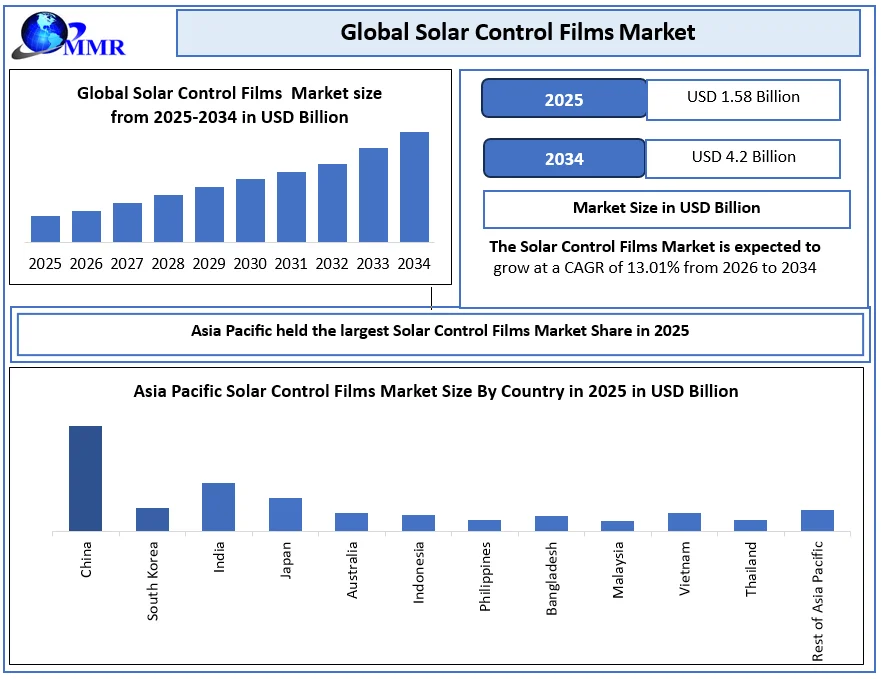
Global Solar Control Films Market size was valued at USD 1.58 Billion in 2025, and the total revenue is expected to grow at a CAGR of 13.01% from 2025 to 2034, reaching 4.2 Billion.
Global Solar Control Films Market Overview
Solar control films are engineered window laminates designed to moderate incoming sunlight, reduce glare, and improve occupant comfort in buildings and vehicles. Products range from economical dyed constructions to metallized, ceramic, carbon, and hybrid multilayer technologies. Polyethylene terephthalate (PET) is a common substrate because it supports transparent, dimensionally stable coatings; PVC and specialty polymers serve more limited applications.
The U.S. Department of Energy explains that heat gain and heat loss through windows account for nearly 25% to 30% of residential heating and cooling energy use, making glazing performance an important efficiency consideration. The product selection increasingly emphasized solar heat gain coefficient, visible light transmission, ultraviolet blocking, appearance, and installation quality, which boosts Solar Control Films Market growth. Solar control films have complemented, rather than replace, insulated glazing, shading, and efficient HVAC systems. Their effectiveness varies with climate, glass configuration, film specification, and building orientation, project-specific performance evaluation remains essential for informed procurement decisions.
Global Solar Control Films Market Key Highlights
• Energy Efficiency Demand: According to the U.S. Department of Energy, heat gain and heat loss through windows account for approximately 25–30% of residential heating and cooling energy use, supporting demand for solar heat rejection films.
• Dominant Film Technology: Metallized Films held a leading position in 2025, supported by reflective coatings and thermal performance. Certain commercial metallized films achieve 73% total solar energy rejection, depending on glazing conditions.
• Regional Industry Development: Asia Pacific led the industry in 2025, supported by automotive and construction activities. China's automobile production reached approximately 31.28 million vehicles in 2024, creating opportunities for automotive solar control film applications.
• Building Renovation Opportunities: Europe presents significant opportunities for architectural solar control films, as approximately 75% of EU buildings were considered energy inefficient in 2025, encouraging energy-efficient glazing retrofits and advanced window film installations.
Global Solar Control Films Market Growth and Share Analysis
To know about the Research Methodology :- Request Free Sample Report
Increasing Adoption of Advanced Ceramic and Multilayer Films to Drive Solar Control Films Market Growth
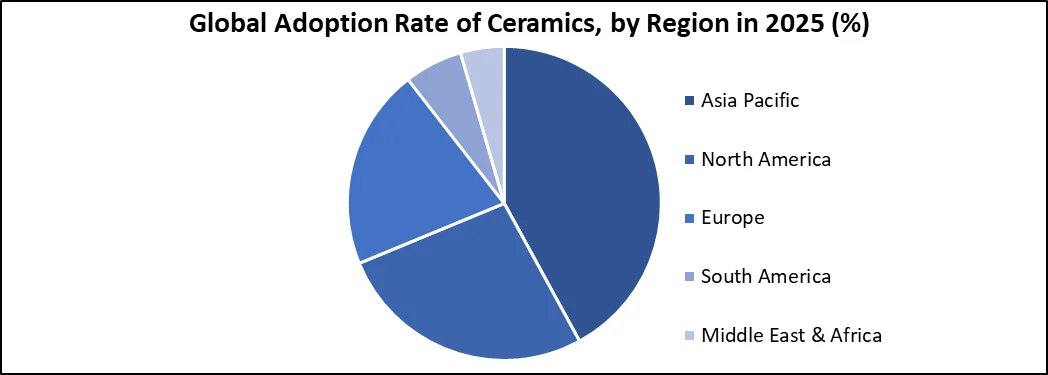
Advanced ceramic and multilayer solar control films are gaining attention because of improved infrared rejection and optical clarity. According to the U.S. Department of Energy, typical fenestration products have Solar Heat Gain Coefficient (SHGC) values ranging from 0.20 to 0.80, with lower values indicating reduced solar heat transmission. Manufacturers are developing spectrally selective coatings, nano-ceramic technologies, and PET-based multilayer films to optimise thermal performance. Increasing demand for non-metallic, low-reflectivity films is supporting innovation in automotive and architectural glazing applications.
Market Driver: Increasing Demand for Energy-Efficient Buildings
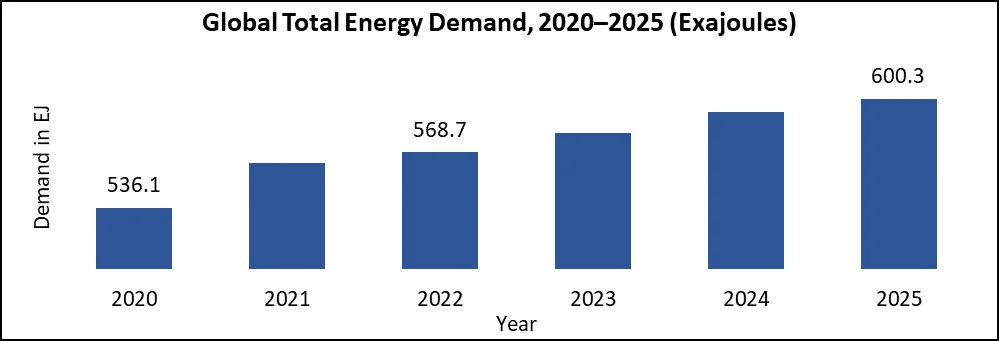
In Europe, buildings accounted for nearly 40% of EU energy consumption in 2025. Increasing building renovation activities, cooling requirements, and government energy-efficiency initiatives are encouraging the installation of solar heat rejection films. These products reduce unwanted solar heat gain, improve indoor comfort, and support sustainable building operations. Growing adoption of green building standards and energy-efficient construction materials is accelerating demand for advanced solar control window films across residential and commercial properties. Rising electricity costs and increasing awareness of carbon emission reduction are encouraging building owners to invest in cost-effective glazing retrofit solutions, driving Solar Control Films Market growth. Additionally, technological advancements in ceramic and multilayer solar control films are improving infrared heat rejection, ultraviolet protection, and daylight transmission, supporting wider adoption in sustainable building projects.
Market Restraint: High Installation Costs and Technical Performance Limitations
High installation expenses and glazing compatibility concerns restrain Solar Control Films Market growth. The U.S. Department of Energy reports that visible transmittance below 0.50 noticeably reduces daylight entering buildings, creating challenges for darker films. Additionally, the National Fenestration Rating Council warns that solar control films can increase glass temperatures and thermal stress, potentially affecting glazing seals. Premium ceramic and multilayer products require specialized manufacturing and professional installation, increasing upfront expenses. These limitations can discourage price-sensitive customers and complicate film selection for existing glazing systems.
Global Solar Control Films Market Segment Analysis
By Film Technology
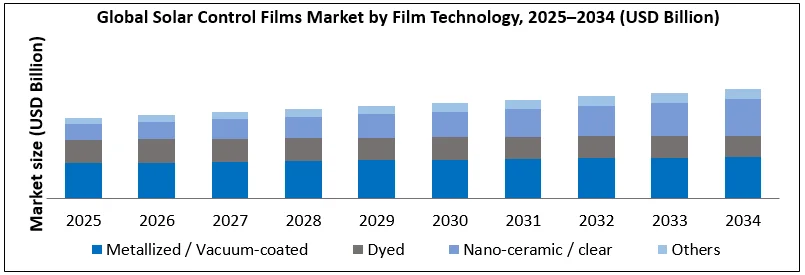
Metallized Films dominated the Solar Control Films Market in 2025, supported by their solar heat rejection, reflective properties, and applications in commercial buildings and automotive glazing. According to 3M's 2021 technical specifications, Silver P18 window film achieves 73% Total Solar Energy Rejection (TSER) and 99% ultraviolet protection under specified glazing conditions. Metallized solar control films utilise thin metallic coatings to reflect solar radiation, reduce cooling requirements, and improve indoor comfort. Increasing demand for energy-efficient window films, commercial glazing retrofits, and solar reflective films supports their adoption across architectural and transportation applications.
By Material Type
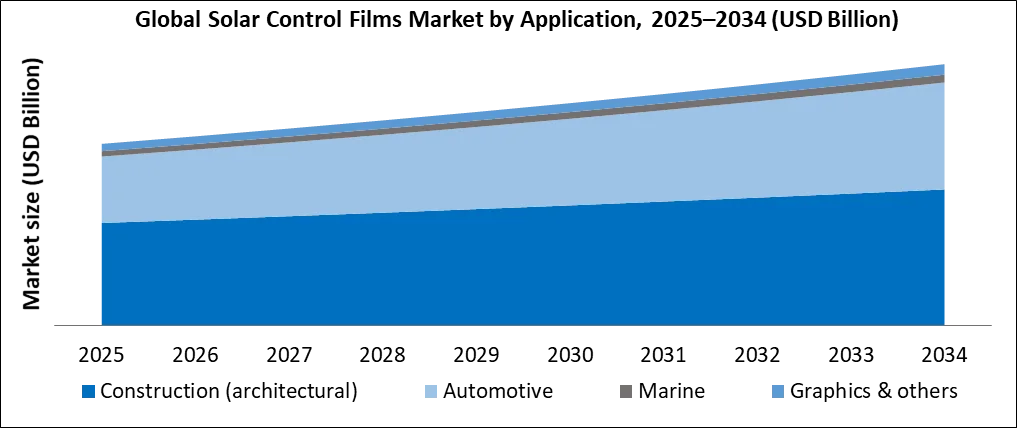
Polyethylene Terephthalate (PET) is considered the held the largest Solar Control Films Market share in 2025, because of its optical transparency, mechanical strength, dimensional stability, and compatibility with advanced coating technologies. California's Energy Code guidance identifies polyester films as suitable substrates for tinted and metallized window film technologies. The fenestration products typically exhibit Solar Heat Gain Coefficient values between 0.20 and 0.80, highlighting the importance of solar heat management. PET-based solar control films support multilayer coatings, infrared heat rejection, UV protection, and energy-efficient glazing applications across residential, commercial, and automotive sectors.
Global Solar Control Films Market Regional Insights:
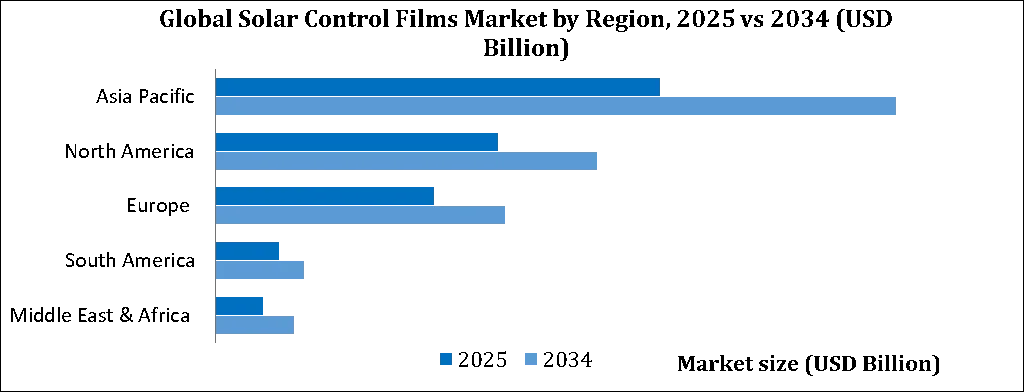
Asia Pacific dominated Solar Control Films Market in 2025, supported by extensive construction activities, automotive manufacturing, and increasing demand for energy-efficient glazing. Rapid urbanization, commercial infrastructure development, and rising cooling requirements across China, India, Japan, and Southeast Asia are encouraging the adoption of ceramic, metallized, and PET-based solar control films. However, regional market leadership requires validation against film-specific sales data. Asia Pacific is also a strong candidate for the fastest-growing Solar Control Films Market region, driven by rising cooling requirements, expanding vehicle ownership, and infrastructure development. India's Ministry of Heavy Industries reported approximately 33.2 million vehicles produced in 2025. Growing adoption of ceramic solar control films, PET-based window films, and energy-efficient glazing solutions is expected to support regional demand, particularly in India, China, and Southeast Asia.
European solar control film demand is influenced by renovation policy, building energy efficiency, summer overheating concerns, and stringent product performance expectations. The European Commission stated in 2025 that roughly 75% of the European Union building stock was energy inefficient, highlighting the scale of potential building envelope improvements. Solar control films can be considered for suitable existing glazing in offices, retail buildings, schools, healthcare facilities, and residential properties. Adoption conditions vary: southern European countries often prioritize summer heat rejection, while northern markets may place greater weight on daylight preservation and winter solar gains.
Solar Control Films Market Competitive Landscape
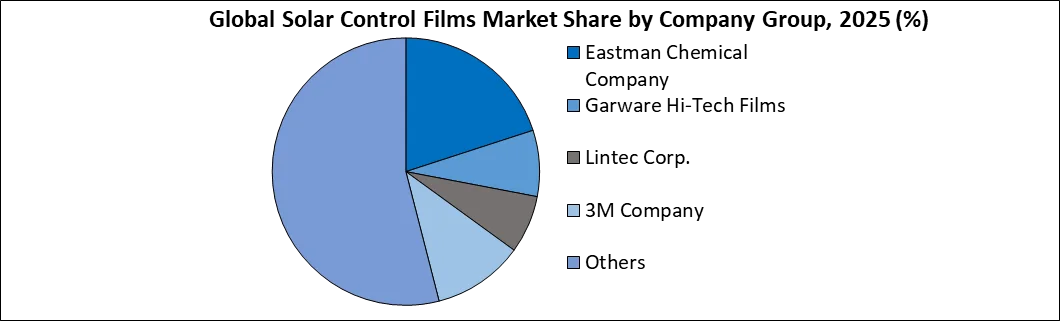
The global Solar Control Films Market is characterized by intense competition among established manufacturers and regional suppliers focusing on technological innovation, product performance, and distribution expansion. Key players include 3M, Eastman Chemical Company (LLumar and SunTek), Saint-Gobain (Solar Gard), Avery Dennison, Garware Hi-Tech Films, Madico, LINTEC Corporation, and XPEL. Manufacturers compete through advanced ceramic films, metallized coatings, PET-based multilayer films, and infrared heat rejection technologies. Product differentiation depends on ultraviolet protection, visible light transmission, durability, and installation quality. Leading companies are strengthening their competitive positioning through research and development, strategic partnerships, and authorized installer networks.
Global Solar Control Films Market Recent Developments
On 28 April 2026 – Eastman launched Saflex Evoca XIR.SR, an advanced infrared-reflective interlayer designed for electric vehicle panoramic sunroofs. The technology reduces solar heat gain, improves cabin comfort, and supports vehicle energy efficiency. This is an adjacent solar-control glazing technology rather than an aftermarket window film.
On 9 June 2026 –Avery Dennison introduced its Clima Architectural Window Films portfolio in India, featuring four products: Clima Vista, Clima Fusion DR, Clima Sterling DR, and Clima Ceramic. The films target energy-efficient commercial buildings and luxury residential properties.
Global Solar Control Films Market Scope: Inquire Before Buying
| Solar Control Films Market | |||
|---|---|---|---|
| Report Coverage | Details | ||
| Base Year: | 2025 | Forecast Period: | 2026-2034 |
| Historical Data: | 2020 to 2025 | Market Size in 2025: | 1.58 USD Billion |
| Forecast Period 2026-2034 CAGR: | 13.01% | Market Size in 2034: | 4.2 USD Billion |
| Segments Covered: | by Product Type | Dyed Films Metallized Films Ceramic Films Carbon Films Hybrid & Multilayer Films Others |
|
| by Material Type | Polyethylene Terephthalate (PET) Polyvinyl Chloride (PVC) Others |
||
| by Visible Light Transmission | Below 20% 20%–40% Above 40%–60% Above 60% |
||
| by Installation Type | Interior-Applied Films Exterior-Applied Films |
||
| by Application | Automotive Glazing Architectural Glazing Railway Glazing Marine Glazing Aerospace Glazing Others |
||
| by End User | Residential Commercial Industrial Institutional & Government Automotive Rail Transportation Marine Aerospace Others |
||
Global Solar Control Films Market, by Region
North America (United States, Canada and Mexico)
Europe (UK, France, Germany, Italy, Spain, Sweden, Austria and Rest of Europe)
Asia Pacific (China, South Korea, Japan, India, Australia, Indonesia, Malaysia, Vietnam, Taiwan, Bangladesh, Pakistan and Rest of APAC)
Middle East and Africa (South Africa, GCC, Egypt, Nigeria and Rest of ME&A)
South America (Brazil, Argentina Rest of South America)
Global Solar Control Films Market, Key Players are:
North America
1. 3M Company
2. Eastman Chemical Company
3. Madico, Inc.
4. Johnson Window Films, Inc.
5. XPEL, Inc.
6. Avery Dennison Corporation
7. Global Window Films
8. Solar Control Films Inc.
9. Decorative Films, LLC
10. Polytronix, Inc.
11. Solar Art
12. Solar Film, Inc.
13. CoolVu
14. Geoshield Window Films
15. American Standard Window Film
Europe
16. Saint-Gobain
17. Solar Screen International S.A.
18. HAVERKAMP GmbH
19. Reflectiv
20. The Window Film Company
21. Purlfrost Ltd.
22. LINTEC Europe (UK) Limited
23. Solar Gard
24. Bruxsafol Folien GmbH
25. Solar Screen France
26. Hanita Coatings
27. Solar Control Window Films Ltd.
Asia Pacific
28. Garware Hi-Tech Films Limited
29. LINTEC Corporation
30. Dexerials Corporation
31. Nitto Denko Corporation
32. Toray Industries, Inc.
33. NEXFIL Co., Ltd.
34. E&B Co., Ltd.
35. Sican Co., Ltd.
36. SKC Co., Ltd.
37. Guangzhou BOKE New Material Co., Ltd.
38. Zhejiang Shichuang Optics Film Manufacturing Co., Ltd.
39. Changzhou Sanyou Dissan Protective Material Co., Ltd.
40. Wintech Co., Ltd.
41. Recon Blinds
42. V-KOOL International
Middle East & Africa
43. Solar Gard Middle East
44. 3M Gulf
45. LLumar Middle East
46. Emirates Glass LLC
47. Solar Film Foundation
South America
48. Insulfilm
49. Intercontrol
50. Solar Gard Brasil
Frequently Asked questions
1. What was the Global Solar Control Films Market size in 2025?
Ans: The Global Solar Control Films Market size was USD 1.58 Billion in 2025.
2. What are the different segments of the Global Solar Control Films Market?
Ans. The Global Solar Control Films Market is divided into Absorber Type, Application and Type.
3. What is the study period of this market?
Ans. The Global Solar Control Films Market will be studied from 2020 to 2034.
4. Which region is expected to hold the highest Global Solar Control Films Market share?
Ans. The Asia Pacific dominates the market share in the market.
5. What is the Forecast Period of Global Solar Control Films Market?
Ans. The Forecast Period of the market is 2026-2034 in the market.