
Wholesale Products Market - Industry Structure Evaluation, Demand Drivers Analysis, Regional Growth Analysis and Identification, Competitive Positioning / Landscape Review & Global Market Size Forecast to 2032
Overview
The Wholesale Products Market size was valued at USD 56552.42 Billion in 2024 and the total Wholesale Products revenue is expected to grow at a CAGR of 8.4% from 2025 to 2032, reaching nearly USD 107816.55 Billion.
Wholesale Products Market Overview
The wholesale products market is a crucial component of the global economy, which acts as the intermediary between manufacturers and retailers. It includes a wide range of goods, from consumer electronics, clothing, food products, industrial machinery, etc. Automation and data analytics are highly transforming the wholesale industry. The international trade agreements and advancements in logistics are facilitating globalization. The rising e-commerce is significantly impacting the wholesale market. By embracing innovation, focusing on sustainability and effectively managing their supply chains, wholesalers are increasingly positioning themselves for long-term success in this ever-changing wholesale products industry. To know about the Research Methodology :- Request Free Sample Report
Wholesale Products Market Dynamics
Sustainable Distribution Practices to Reduce Carbon Footprint
As the wholesale products market evolves, businesses are increasingly focusing on making their distribution practices more sustainable. Sustainable distribution practices not only benefit the environment but also offer significant advantages for wholesalers. By adopting sustainable distribution practices, wholesalers reduce their carbon footprint, save money, and enhance customer service. One way wholesalers make their distribution more sustainable is by using recycled materials for packaging and shipping. This include utilizing recycled paper for packing material, using recyclable plastic bags or containers, or even employing refillable containers for shipping products.
In addition to using recycled materials, wholesalers also opt for green transportation options. This involves using electric vehicles, hybrid vehicles, or bicycles for local deliveries. For larger fleets, investing in alternative fuels such as biodiesel or compressed natural gas further reduce carbon emissions. Streamlining operations is another key aspect of sustainable distribution for wholesale products. Wholesalers consolidate shipments to reduce fuel consumption, utilize real-time tracking to optimize delivery routes and automate processes to minimize paperwork and waste.
By implementing sustainable distribution practices, wholesalers not only contribute to environmental conservation but also stand to benefit financially. By reducing their carbon footprint, wholesalers can save money on fuel and operating costs. Moreover, improved customer service resulting from efficient and eco-friendly distribution practices can give wholesalers a competitive edge in today’s market.
| Sustainability Trends | Implications for Wholesale Distribution |
| Clean, green deliveries with electric vehicles | 1. Increased demand for eco-friendly delivery processes 2. Pressure to maximize delivery efficiency and create an eco-friendly fleet 3. Adoption of electric vehicles for lower carbon footprint 4. Operational and cost advantages 5. Example: IKEA Australia’s commitment to EVs |
| Warehouses with a smaller footprint | 1. Cost reduction and environmental credentials through leaner operations 2. Use of vertical and multi-story warehouses for space efficiency 3. Multi-storey warehouses in central locations reduce land use and emissions 4. Maximized space utilization and reduced energy consumption |
| Smart packaging to enhance products’ lifecycle | 1. Use of advanced materials and technologies to improve sustainability 2. Reduction of environmental footprint throughout the product lifecycle. 3. Improved traceability, inventory management, and waste reduction 4. Example: Technology for clean separation of labels from plastic containers |
| Eco-conscious product lines | 1. Changes in procurement processes and product lines to meet consumer demand 2. Shift towards plant-based and sustainable ingredients 3. Development of specific sustainable product lines by retailers 4. Example: The Iconic and H&M |
| Sustainable packaging and the circular economy | 1. Preference for eco-friendly packaging and sustainable sourcing methods 2. Support for recycling and reuse initiatives 3. Government targets for reusable, compostable, or recyclable packaging by 2025 4. Focus on increased recycled content |
Role of Technology in the Future of Wholesale
Technology is revolutionizing the wholesale products market, offering new opportunities for wholesalers to improve efficiency, reduce costs, and adapt to changing consumer behavior. Innovations such as artificial intelligence, automation, and blockchain are reshaping the industry landscape. For instance, AI is enabling wholesalers to analyze customer data and predict consumer behavior, while automation is enhancing efficiency in the supply chain. Additionally, blockchain technology is improving transparency and security within the supply chain, ensuring trust and accountability. Consumer behavior is also driving significant changes in the wholesale products market, particularly with the growing preference for online shopping. The rise of e-commerce has created both opportunities and challenges for wholesalers. While it has expanded its reach and customer base, it has also intensified competition and necessitated adaptation to changing consumer preferences.
The impact of e-commerce on traditional brick-and-mortar wholesalers is particularly pronounced. To compete effectively in this increasingly digital landscape, traditional wholesalers are implementing various strategies. Developing an online presence, leveraging digital marketing, and offering exceptional customer service are becoming imperative. Furthermore, traditional wholesalers are capitalizing on the strengths of brick-and-mortar stores by providing personalized services and in-store experiences. These efforts of wholesalers are creating opportunities for the Wholesale Products Market growth.
Examples of Successful E-Commerce Wholesalers: Companies that have adapted to the Shift to Online Channels:
1. MSY INVEST SPRL: Based in Europe, MSY INVEST SPRL is a wholesale and dropshipping company specializing in Home and Kitchen Appliances, Care and Beauty Items, Fitness products, and more. With a robust online presence, including a user-friendly e-commerce website and active social media accounts, MSY INVEST SPRL leverages data analytics to personalize the customer experience and offer targeted promotions. Renowned for providing high-quality products at competitive prices, they have emerged as one of the leading wholesale and dropshipping companies in Europe.
2. Wayfair: Wayfair, a prominent online home goods retailer, has successfully transitioned into a wholesale business, offering a diverse range of products to businesses and organizations. With a comprehensive e-commerce website and active social media presence, Wayfair utilizes data analytics to enhance the customer experience and deliver tailored promotions.
3. Alibaba: As one of the largest e-commerce companies globally, Alibaba is a key player in the wholesale market. Offering a wide array of products and services to businesses, including sourcing, logistics, and marketing, Alibaba has established a formidable digital presence. With a comprehensive e-commerce platform and a mobile app, Alibaba effectively serves the needs of businesses worldwide.
Supply Chain Disruption Challenging the Market Growth
Supply chain disruptions, such as natural disasters, geopolitical tensions, and trade disputes, have a significant impact on the wholesale products market. Interruptions in the supply chain leads to delays in product delivery, increased transportation costs, and shortages of inventory. Wholesalers develop robust supply chain management strategies to mitigate these risks and ensure business continuity.
Challenges of Supply Chain Management and its Impact on Wholesale Products Market:

In response to the supply chain disruptions caused by the COVID-19 pandemic, Kellogg's, Nike, and HP implemented various strategies to mitigate the impact and ensure business continuity.
1. Kellogg's shifted its focus to producing more of its popular products to meet the increased demand for cereals, noodles, and snacks as people stayed home during the pandemic. The company also secured alternate local suppliers for materials and packaging, ensuring a steady supply chain. Additionally, Kellogg's invested in automation to increase efficiency and reduce costs while maintaining high levels of production.
2. Nike accelerated its plans to expand direct online sales, shifting inventory destined for stores to fulfill online orders. The company also invested in radio-frequency identification (RFID) technology to track and manage inventory effectively, ensuring products were available to meet consumer demand.
3. HP experienced increased demand for notebook computers and printers as people transitioned to remote work and learning. The company focused on ramping up production and investing in automation to streamline processes and reduce costs. Additionally, HP introduced new products and services to meet the changing needs of consumers, including subscription ink services and centralised billing for commercial clients working from home.
Wholesale Products Market Segment Analysis
Based on Distribution Channel: The market is segmented into B2B and B2C. The B2B held the largest Wholesale Products Market share in 2024. This is attributed to the established network of wholesalers and distributors, along with the rising trend of B2B e-commerce. The future of B2B e-commerce presents promising opportunities for wholesale businesses. By embracing a comprehensive e-commerce strategy tailored to the unique needs of B2B customers, wholesalers are expected to stay ahead of the curve. This includes investing in user-friendly online platforms, offering flexible payment options, personalizing the shopping experience, and leveraging technology for automation and efficiency.
The B2C segment is expected to grow at a high rate during the forecast period. Wholesalers to capitalize on their strengths by directly targeting consumers through specially designed B2C websites or by partnering with external marketplaces. Often, these B2C initiatives operate under a new brand name. By establishing dedicated digital platforms with streamlined transaction processes, wholesalers are expected to engage directly with consumers, offering competitive pricing and attractive deals. To ensure cost-effectiveness, wholesalers to opt for a commerce platform that facilitates B2X commerce, minimizing additional expenses associated with adopting a new business model.
Wholesale Products Market Regional Insights
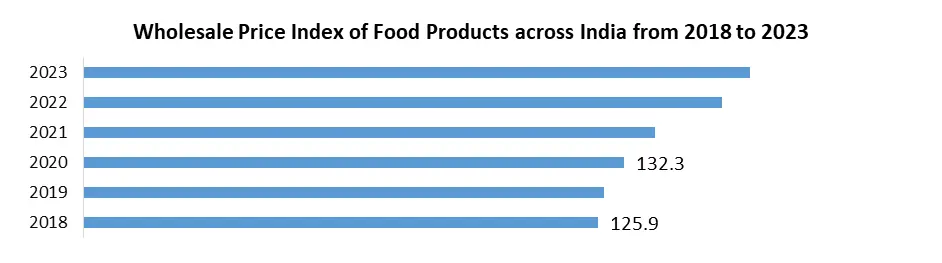
Asia Pacific Wholesale Products Market held the largest share in the global market in 2024. This is attributed to the huge population, increasing urbanization, strong trade dynamics and robust economic activities. In the Asia Pacific region, the Indian Wholesale Products Market is one of the major shareholders. Recently, the Wholesale inflation in India remained in negative territory for the sixth consecutive month, with prices falling by 0.26 percent in September, according to the study. This follows a five-month high of -0.52 percent recorded in August. Economists, polled by Reuters, had anticipated a 0.5 percent rise in the wholesale price index for September. The decline in wholesale prices was primarily attributed to a fall in prices of chemical and chemical products, mineral oils, textiles, basic metals, and food products compared to the same period last year, as stated by the Commerce Ministry. Inflation in the food index rose to 1.54 percent in September, while primary articles saw a continued easing with a 3.70 percent reading. Meanwhile, manufactured products prices fell by 1.34 percent in September.
North America Wholesale Products Market is the second-largest market due to its well-established wholesale infrastructure and significant consumer spending. In the region, the US held the major share of the regional market in 2024. US wholesale prices unexpectedly fell by 0.1% in December, following a similar decline in November, primarily due to another sharp drop in the energy index. The producer price index (PPI) increase of 0.2% month-on-month, excluding food, energy, and trade. However, PPI rose by 1.0% in, a significant slowdown from the previous year. In February, U.S. wholesale inventories rebounded by 0.5%, following a 0.2% decline in January. This suggests a potential contribution to first-quarter economic growth. Year-on-year, inventories dropped by 1.5%. Private inventory investment deducted 0.47 percentage points from GDP growth in Q4 but is expected to improve in Q1. Wholesale motor vehicle inventories rose by 0.9%, while stocks of lumber, professional equipment, metals, and machinery increased. However, stocks of farm products and petroleum fell.
Wholesale Products Market Scope: Inquire Before Buying
| Global Wholesale Products Market | |||
|---|---|---|---|
| Report Coverage | Details | ||
| Base Year: | 2024 | Forecast Period: | 2025-2032 |
| Historical Data: | 2019 to 2024 | Market Size in 2024: | USD 56552.42 Bn. |
| Forecast Period 2025 to 2032 CAGR: | 8.4% | Market Size in 2032: | USD 107816.55 Bn. |
| Segments Covered: | by Product Category | Consumer Electronics Apparel and Accessories Home and Garden Health and Beauty Food and Beverages Others |
|
| by Product Ownership | Wholesale/Distribution Chain Independent Wholesalers |
||
| by Distribution Channel | B2B B2C |
||
Wholesale Products Market, by Region:
North America (United States, Canada, and Mexico)
Europe (UK, France, Germany, Italy, Spain, Sweden, Russia, and the Rest of Europe)
Asia Pacific (China, South Korea, Japan, India, Australia, ASEAN, and the Rest of APAC)
Middle East and Africa (South Africa, GCC, Egypt, Nigeria, and the Rest of ME&A)
South America (Brazil, Argentina Rest of South America)
Wholesale Products Key Players
North America:
1. Amazon Business
2. MegaGoods
3. DollarDays
4. Wholesale Central
5. Costco Wholesale
6. B&G Foods
7. Sysco Corporation
Europe:
8. Metro Group
9. Booker
10. Bestway Wholesale
11. Unilever
Asia-Pacific:
12. eWorldTrade
13. DHgate
14. Alibaba Group
15. Global Sources
16. Made-in-China.com
17. Flipkart Wholesale
Frequently Asked Questions:
1] What is the expected growth rate of the Global Wholesale Products Market?
Ans. The Global Wholesale Products Market is expected to grow at a rate of 8.4% during the forecast period.
2] Which region dominated the Global Wholesale Products Market in 2024?
Ans. Asia Pacific dominated the Global Wholesale Products Market in 2024.
3] What is the expected Global Wholesale Products Market size by 2032?
Ans. The Wholesale Products Market size is expected to reach USD 107816.55 Bn by 2032.
4] What was the Global Wholesale Products Market size in 2024?
Ans: The Global Wholesale Products Market size was USD 56552.42 Billion in 2024.
5] Which countries held the largest Wholesale Products market share in 2024?
Ans. The US and India held the largest Wholesale Products market share in 2024.