
Metaverse in Automotive Market - Industry Structure Evaluation, Demand Drivers Analysis, Regional Growth Analysis and Identification, Competitive Positioning Review & Global Market Size Forecast to 2030
Overview
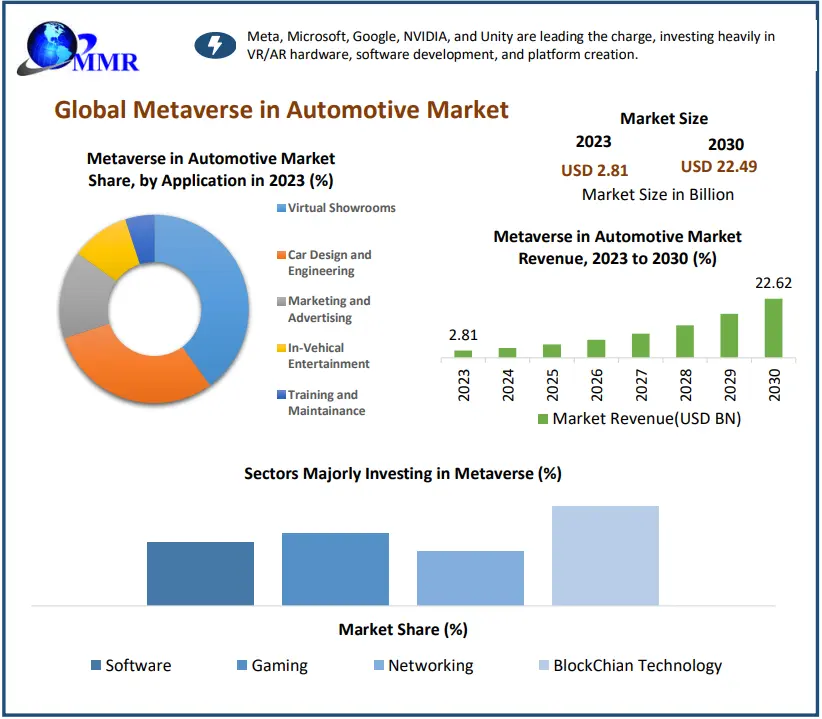
Metaverse in Automotive Market size was valued at USD 2.81 billion in 2023 and the total Metaverse in Automotive revenue is expected to grow at a CAGR of 34.6% from 2024 to 2030, reaching nearly USD 22.49 Billion by 2030.
Metaverse in Automotive Market Overview
Metaverse is an immersive virtual environment that can support a range of online interactions. From product design to procurement, manufacturing to inventories, Metaverse technology may be used to narrow and optimize supply chain management in the Automotive Industry.
 To know about the Research Methodology :- Request Free Sample Report
1. According to MMR analysis, 59% of consumers prefer to conduct at least one daily activity, such as socializing, shopping, fitness, or education, in the virtual world rather than in person.
The Automotive Market witnesses significant growth with the Metaverse, a digital ecosystem that utilizes cutting-edge technologies like Virtual Reality (VR), Augmented Reality (AR), and Mixed Reality (MR). The Metaverse extends beyond traditional showrooms and geographical boundaries, offering an innovative way for car enthusiasts to engage with vehicles. Virtual showrooms provide an immersive experience that exceeds static brochures and physical limitations. Consumers have the opportunity to examine a variety of meticulously recreated car models in detail, all from the convenience of their homes or dedicated metaverse spaces. Personalizing features in real-time, participating in simulated test drives on virtual racetracks, and evaluating detailed performance data directly covered on virtual cars are all available options for consumers.
The key players like Hyundai Motor Company, BMW AG, Ferrari S.p.A, Volkswagen AG, Porsche AG, Audi, Holoride, Ford Motor Company, Tesla Inc., and Epic Games include the integration of immersive technologies such as Augmented Reality and Virtual Reality, the development of metaverse applications beyond gaming and entertainment, and the integration of the metaverse with other technologies such as Artificial Intelligence and 5G. The metaverse offers immersive experiences, exceptional customer engagement, and innovative design, revolutionizing the car shopping experience by providing a more convenient and personalized approach that enables customers to make informed decisions and experiences.
1. Tech Mahindra has announced their version of Metaverse, named it TechMVerse where they specifically mentioned providing car dealership solutions in the Metaverse which they have named DealerVerse
Asia-Pacific region is the fastest-growing and largest Metaverse in the Automotive Market with a market share of about 35% in 2023. The youthful demographic readily embraces innovative technologies creating a receptive audience for immersive automotive experiences within the metaverse. China, Japan, Korea, and India actively investing in VR/AR research and development with government dedicated programs and funding activities. The competitive landscape, marked by a vibrant startup ecosystem, fuels innovation and accelerates market growth.
Metaverse in Automotive Market Dynamics
Increased Demand for Modern Vehicle Shopping Experiences
The traditional car-buying journey, with its static showrooms and stacks of brochures, is rapidly becoming outdated. Consumers, habituated to personalized, interactive experiences, are now demanding a more engaging car shopping adventure, driving the metaverse into the forefront of the automotive market. The metaverse offers a boundless virtual garage, showcasing an extensive range of vehicles across brands, models, and configurations. Utilizing technologies like VR headsets or AR, potential buyers can step into hyper-realistic 3D environments, meticulously crafted to represent diverse driving scenarios. This immersive experience fosters a deeper connection with the vehicle, allowing for interactive actions such as opening doors with a hand gesture, examining detailed interior features, and even changing paint colors. These personalized experiences enable consumers to make informed selections, transcending the limitations of traditional brochures. Moreover, the metaverse eliminates geographical constraints, offering a wider range of options and ensuring consumers find the perfect vehicle regardless of location. The integration of immersive technologies such as AR and VR is revolutionizing the car shopping experience, providing a more convenient and personalized approach, and driving the increased demand for modern vehicle shopping experiences, thus propelling the metaverse into the automotive market forefront.
1. According to MMR analysis, Virtual training can be delivered 4 times faster while simulated training can have a 75% retention rate and achieve cost reduction of up to 33%.
Installation and Maintenance cost of high-end Components
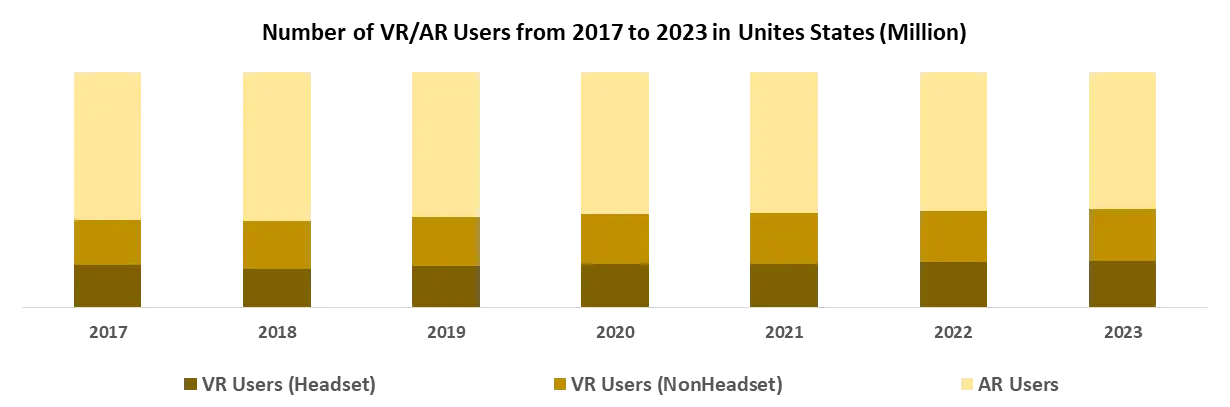
The Metaverse has the potential to revolutionize the automotive market by offering immersive experiences, exceptional customer engagement, and revolutionary design. However, the cost of installing and maintaining high-end components is a significant restrain for the metaverse in the automotive market. When entering the metaverse, users require virtual reality headsets that are available at varying prices and the cost quickly rises when specialized gloves for tactile feedback, omnidirectional treadmills that simulate real-world movement, and high-performance PCs are included. Maintenance can be a hassle when it comes to VR headsets as users often have to deal with maintenance, which adds another layer of complexity. The high cost of advanced components creates a gap that excludes low-income demographics and geographically disadvantaged regions, leading to further inequalities in technology access, which hinders market growth.
Metaverse in Automotive Market Segment Analysis
Based on Technology, the Virtual Reality (VR) segment held the largest market share of about 60% in the global metaverse in the automotive market. According to MMR analysis, the segment is further expected to grow at a CAGR of 34.6% during the forecast period and stands out as the dominant segment within the Global Metaverse in the Automotive Market. The increasing use of Virtual reality (VR) platforms in the creation of in-car reality entertainment systems is anticipated to be facilitated by the rapid growth of virtual platforms. Key players like Oculus (owned by Facebook), HTC, Sony, Microsoft, and Google are at the forefront of VR technology development, creating cutting-edge VR experiences and immersive environments for various applications, including automotive, entertainment, and training.
VR technology enhances the automotive experience for customers in several ways such as simulating the experience of driving a car, and aiding in the design, development, and testing of vehicles, thereby allowing designers to create and evaluate vehicle features in a virtual environment. VR technology is employed to enhance customer experiences by providing immersive and interactive 360-degree virtual tours, thereby accelerating the buying process and increasing customer retention rates. Additionally, VR is used to create virtual showrooms, enabling consumers to explore different cars, improving the car shopping experience, and allowing informed decision-making while avoiding biased sales arenas. VR is also being leveraged for employee training to provide realistic environments for learning and allowing employees to practice tasks such as component installation within specified time frames. The integration of VR technology in the automotive industry offers benefits such as improved product design and development, enhanced training for employees, and immersive customer experiences making the segment dominant in the market.
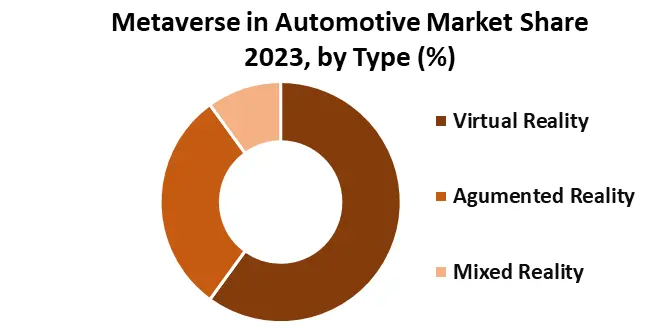
Apart from that, Augmented Reality (AR) remains a significant segment in the Metaverse in the Automotive Market with a share of about 30%. AR is developing automotive experiences, offering interactive manuals, enhanced displays, and innovative vehicle solutions, thereby driving improvements in safety, comfort, and entertainment. Technology advances and partnerships between tech giants and automakers solidify, AR's integration into the automotive metaverse market.
Metaverse in Automotive Market Regional Insights
North America dominated the Global Industrial Computer Market with the highest share of over 40% in 2023. The region is expected to grow at a CAGR of 34.6% during the forecast period and maintain its dominance. The region has been at the forefront of technological advancements and is home to major giants in the software and hardware sectors, such as NVIDIA, Meta Platforms Inc., and Microsoft Corporation, which are key players in the metaverse in the automotive market. The region witnesses a focus on increasing operational efficiency and capturing niche market opportunities, leading to significant growth and profitability in the metaverse in the automotive industry. Significant investments in new technologies like Artificial intelligence, AR/VR, and blockchain create a fertile ground for innovation in the metaverse automotive space. Existing infrastructure for internet connectivity and digital payments facilitates the smooth integration of metaverse technologies. Leading car manufacturers like Ford, General Motors, and Stellantis are actively exploring and implementing metaverse applications, such as virtual showrooms and car design using VR/AR. Additionally, high digital literacy rates in the population make it easier for consumers to adapt to and engage with metaverse experiences. The government initiatives for technological developments, early adoption of emerging technologies, cultural acceptance, and growing digital literacy further drive the market growth maintaining its dominance in the region.
1. Acura, a US based company has opened a virtual showroom in Decentraland, a virtual-reality platform, to introduce customers to its 2023 Integra model. Potential car buyers can walk through the dealership and engage in interactive experiences, including racing cars virtually. The first 500 customers who reserved a 2023 Acura Integra also had the opportunity to receive a nonfungible token (NFT) of the vehicle.
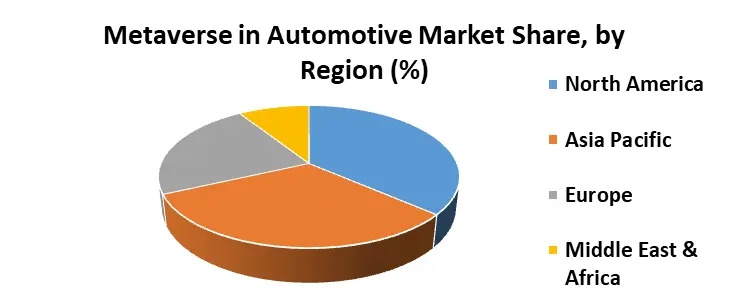
Europe, a significant market with a share of about 25% is growing with a CAGR of XX% during its forecast period. The established automotive industry is home to leading manufacturers like Volkswagen, Stellantis, BMW, and Porsche with experience in innovation and technology adoption. Growing tech hubs like Berlin and London foster innovation and collaboration in metaverse development. The region's involvement in the market is attributed to factors such as rapid technological advancements, and the increased use of metaverse technology to view vehicles and connect with manufacturers.
Metaverse in Automotive Market Competitive Landscapes
A competitive landscape with major key players such as Microsoft Corporation, NVIDIA Corporation, Roblox Corporation, Unity
Technologies, Stradvision, Eccentric, Wayray AG, holoride GmbH, Varjo Technologies, and metadome.ai characterizes the global metaverse in the automotive market. The incorporation of metaverse technology in vehicles to create a human-machine interface, testing and designing, and in-car entertainment are some of the leading applications of metaverse in the automotive market. The metaverse in automotive market is growing significantly in the coming years due to the integration of immersive technologies such as augmented reality (AR) and mixed reality (MR) into the automobile ecosystem.
1. Microsoft: Integrated Azure Spatial Mapping with HoloLens 2, enhancing 3D spatial understanding for metaverse applications in automotive design and manufacturing.
2. NVIDIA: Launched the Omniverse platform, a collaborative virtual workspace enabling automotive companies to design, test, and simulate vehicles in real-time within the metaverse.
3. In May 2023, Microsoft partnered with Volkswagen to enable HoloLens to function in cars, addressing challenges related to moving environments affecting the headset's sensors. The collaboration resulted in a "moving platform" feature for HoloLens 2, allowing the augmented reality headset to work effectively in dynamic settings like vehicles.
4. In January 2023, Metadome.ai, a pioneer in immersive 3D and XR technology, for cloud-based photorealistic experiences, announced a partnership with MG Motor, a renowned global automotive brand, to revolutionize customer interactions across various platforms such as web, app, and in-store. The partnership will introduce the MGVerse, an innovative web-based photorealistic Metaverse. This MGVerse will encompass a dynamic virtual arena, an avatar zone, and a creator zone featuring a multi-car showroom with a 3D car configurator, along with the chance to engage in virtual test drives.
Metaverse in Automotive Market Scope: Inquire before buying
| Global Metaverse in Automotive Market | |||
|---|---|---|---|
| Report Coverage | Details | ||
| Base Year: | 2023 | Forecast Period: | 2024-2030 |
| Historical Data: | 2018 to 2023 | Market Size in 2023: | US $ 2.81 Bn. |
| Forecast Period 2024 to 2030 CAGR: | 34.6% | Market Size in 2030: | US $ 22.49 Bn. |
| Segments Covered: | by Product | Hardware Software |
|
| by Technology | Virtual Reality Augmented Reality Mixed Reality |
||
| by Function | Virtual Platforms/Spaces Avatars Asset Marketplace Financial Services |
||
| by Application | Simulation, Testing, and Designing Advertising Online Car Purchasing Infotainment Car Design |
||
Metaverse in Automotive Market, by Region
North America (United States, Canada, and Mexico)
Europe (UK, France, Germany, Italy, Spain, Sweden, Austria, and the Rest of Europe)
Asia Pacific (China, South Korea, Japan, India, Australia, Indonesia, Malaysia, Vietnam, Taiwan, Bangladesh, Pakistan, and the Rest of APAC)
Middle East and Africa (South Africa, GCC, Egypt, Nigeria, and the Rest of ME&A)
South America (Brazil, Argentina Rest of South America)
Metaverse in Automotive Market Key Players
1. Nvidia (US)
2. Unity Technologies (US)
3. Epic Games (US)
4. Microsoft (US)
5. Meta Platforms (US)
6. Roblox Corporation (US)
7. Autodesk (US)
8. Siemens (Germany)
9. PTC (US)
10. Dassault Systems (France)
11. Toyota (Japan)
12. General Motors (US)
13. Ford (US)
14. Stellantis (Italy)
15. Volkswagen Group (Germany)
16. Hyundai Motor Group (South Korea)
17. WayRay (Switzerland)
18. Holoride GmbH (Germany)
19. Varjo Technologies (Finland)
20. Metadome.ai (India)
21. The Fabricant (Netherlands)
22. Renovo (US)
23. Manufactura (US)
FAQs:
1. What are the growth drivers for Metaverse in the automotive market?
Ans. An increase in demand for modern vehicle shopping experiences with immersive virtual showrooms, and growth in demand for intuitive metaverse design for product development and manufacturing drive the Global Metaverse in the Automotive Market.
2. What is the trend for Metaverse in Automotive Market growth?
Ans. The surge in focus on leveraging the metaverse for marketing campaigns is the trend in Metaverse in the Automotive Market.
3. Which region is expected to lead the global Metaverse in the Automotive Market during the forecast period?
Ans. Asia Pacific is expected to lead the global metaverse in the automotive market during the forecast period.
4. What is the projected market size & and growth rate of Metaverse in the Automotive Market?
Ans. Metaverse in Automotive Market size was valued at USD 2.81 billion in 2023 and the total Metaverse in Automotive revenue is expected to grow at a CAGR of 34.6% from 2024 to 2030, reaching nearly USD 22.49 Billion by 2030.
5. What segments are covered in Metaverse in the Automotive Market report?
Ans. The segments covered in Metaverse in the Automotive Market report are product, technology, function, application, and region.