
Hummus Market Size – Industry Structure Evaluation, Demand Drivers Analysis, Regional Growth Analysis and Identification, Competitive Positioning Review & Global Market Size Forecast to 2032
Overview
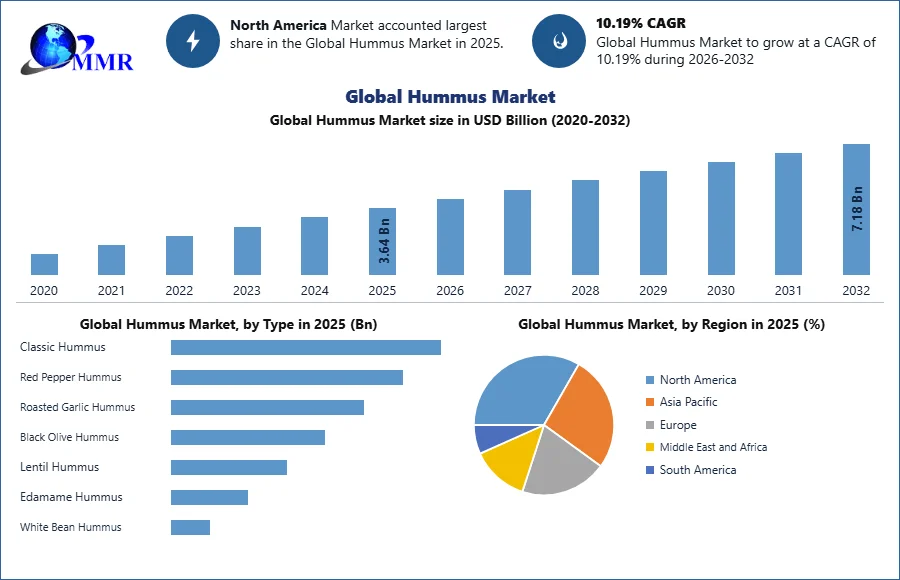
The Hummus Market size was valued at USD 3.64 Billion in 2025 and the total Hummus revenue is expected to grow at a CAGR of 10.19% from 2026 to 2032, reaching nearly USD 7.18 Billion.
Hummus Market Overview
Hummus is a Middle Eastern paste made from mashed chickpeas, tahini, olive oil, lemon juice, and garlic. It is a popular dip or snack food that is high in protein and fiber. The increasing recognition of hummus for its health benefits serves as a rich source of protein, dietary fiber, and various essential minerals and vitamins. The rising popularity of Mediterranean cuisine, characterized by its health-conscious components such as olive oil, whole grains, and legumes, also contributes significantly to the Hummus Market's Growth. The advancements in hummus manufacturing technologies, including automation in processes such as chickpea peeling, roasting, grinding, and packaging, enhance efficiency and meet the growing demand. According to the MMR Study report more than 9.3% of restaurants offer Hummus on their menus. Also, The Increasing trend of Veganism boosts the hummus market by aligning with plant-based dietary preferences. Hummus, a chickpea-based product, offers vegans a rich source of protein and nutrients. Its versatility, diverse flavors, and accessibility provide to the growing demand for convenient and nutritious vegan snacks, making hummus a popular choice in the plant-based lifestyle.
 To know about the Research Methodology :- Request Free Sample Report
Hummus Market Dynamics:
Growing consumer awareness of health and wellness boosts Market Growth
The easy access to health information online has heightened consumer awareness about well-being and shifted the demand towards healthier dietary choices such as hummus. Recognized for its nutritional benefits, hummus is a rich source of fiber, protein, and essential vitamins and minerals. Its adaptability and versatility make it a popular and enjoyable addition to various meals. The increasing embrace of plant-based and vegan diets has significantly contributed to the growing demand for hummus. As individuals prioritize health-conscious decisions, hummus stands out as a nutrient-dense option that supports weight management and digestive health. Packed with essential nutrients including iron, calcium, and vitamin B6, hummus addresses nutritional needs and aligns with the modern consumer's inclination towards well-rounded, plant-focused lifestyles, reflecting a broader societal trend towards mindful and health-oriented living. Hummus is a versatile ingredient that is enjoyed in various ways. It serves as a dip for vegetables, crackers, and pita bread. It is incorporated into sandwiches, wraps, and salads. Therefore the demand as well as consumption of Hummus is growing. The growing popularity of vegan and plant-based diets has accelerated demand for hummus. As individuals adopt meatless lifestyles, they seek alternatives to traditional animal-based protein sources. Hummus, with its high protein content and plant-based ingredients, has emerged as a popular choice for vegans and vegetarians. The 2022 MMR study reported a global vegan population of 79 million, driving demand for plant-based products. This surge in veganism has notably fueled the Hummus Market, as consumers seek protein-rich, plant-based alternatives. The growing preference for vegan options contributes to the expanding popularity and market growth of hummus worldwide.
 Price Volatility of Raw Materials limits the Hummus Market Growth
Hummus production lies in key ingredients such as chickpeas, tahini, olive oil, garlic, and lemon juice. The vulnerability of these ingredients to external factors such as climate conditions and geopolitical events exposes the industry to price fluctuations. Chickpeas, a staple, are particularly susceptible to variations in yield due to weather patterns, creating a negative effect throughout the supply chain. Also, the high fluctuation in the raw material prices significantly impacts the production costs of hummus.
As a staple in traditional hummus, chickpeas face challenges as their limited production struggles to keep pace with the rising global demand. This discrepancy has led to a substantial gap between supply and demand, causing scarcity and significant volatility in chickpea prices. The repercussions are evident in the marketplace, with supermarket prices for hummus surging by over 30%. This surge is a direct consequence of the increased demand for chickpeas, a crucial component in hummus production. The imbalance between limited chickpea availability and increased consumption underscores the challenges faced by the hummus industry, affecting both the supply chain and consumer affordability. The increasing demand for hummus products and the constantly fluctuating prices of raw materials affect the cost of the final product, which limits the growth of the hummus market.
Flavor Innovation in Hummus Creates Lucrative Growth Opportunities for the Hummus Market
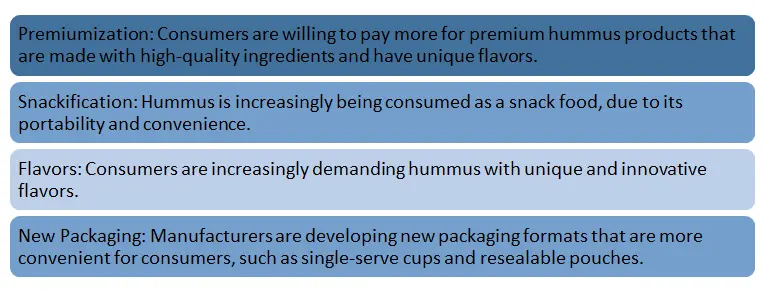
The hummus market has evolved from being a niche Middle Eastern dish to a global sensation, and flavor diversification has become a key strategy for companies seeking Innovation. Consumers today crave variety and unique taste experiences, and the hummus market has responded by introducing a wide array of innovative flavors. Traditional varieties classic, garlic, and roasted red pepper remain popular, but the market's dynamism stems from the introduction of bold and unconventional options. Diverse flavor profiles such as avocado, sun-dried tomato, olive tapenade, and spicy jalapeno showcase the innovative range of hummus, appealing to a wide array of taste preferences. This flavor diversity captivates existing hummus aficionados and intrigues newcomers who might have been hesitant to explore the product. The versatility of hummus as a base allows for endless experimentation, leading to the creation of fusion flavors that blend cultural influences and culinary trends. Whether infused with Mediterranean herbs, inspired by Asian spices, or incorporating trendy superfoods, these innovative flavors elevate hummus from a simple dip to a gourmet and culturally diverse culinary delight. The health-conscious consumer demographic has embraced hummus as a nutrient-dense snack and flavor innovation aligns with this trend by offering exciting yet wholesome options. Brands leverage this trend by emphasizing the use of natural ingredients, promoting nutritional benefits, and even creating specialty lines that provide specific dietary preferences, such as organic or gluten-free options.
Hummus Market Trends
Hummus Market Segment Analysis:
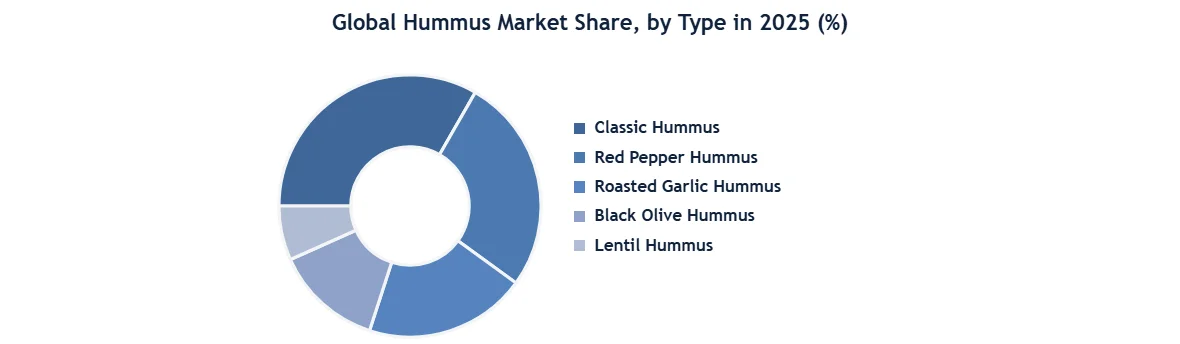
Based on Type, the classic hummus segment dominated the Hummus Market in the year 2025. Due to it’s primarily owing to its familiar and authentic taste that resonates with a broad spectrum of palates. Renowned for its smooth and creamy texture, well-balanced flavors, and remarkable versatility in complementing various foods, classic hummus has solidified its status as a kitchen staple in numerous households. Its widespread availability and established consumer preferences contribute significantly to the sustained demand for classic hummus. Functioning as a go-to dip, spread, and ingredient in diverse recipes, classic hummus has ingrained itself in culinary culture. Beyond its gastronomic appeal, the classic variant provides to different dietary preferences, aligning seamlessly with vegetarian and vegan diets. The enduring popularity of classic hummus highlights its enduring presence in the market. Its ability to meet diverse consumer needs, coupled with its culinary adaptability, positions classic hummus as a key player in the thriving hummus market.
Hummus Market Regional Insight
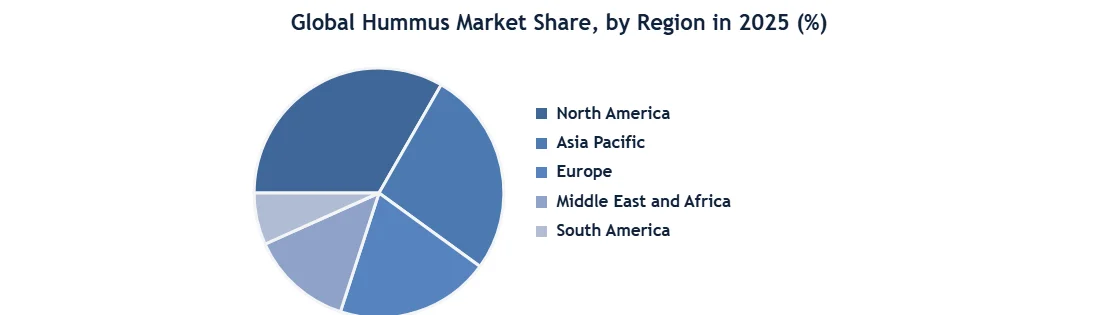
North America dominated the Hummus Market in the year 2025. The rise of health-conscious lifestyles and the increasing adoption of plant-based diets boost the popularity of hummus, known for its nutritional profile and versatility. In North America, the hummus market benefited from a cultural shift towards diverse and international cuisines. Hummus, originally a staple in Middle Eastern diets, found its place in the mainstream American and Canadian food scenes, becoming a favored dip, spread, or snack. The region's multicultural demographics and openness to culinary experimentation played an important role in the widespread acceptance of hummus. The food industry's response to the demand for innovative flavors and variations further accelerates North America's hummus market. Companies introduced unique and exotic hummus blends, Providing to the diverse taste preferences of consumers. The convenience factor, with pre-packaged hummus options and ready-to-eat formats, also contributed to the market's dominance.
Competitive Landscape
The hummus market is competitive, driven by continuous innovation, a surging demand for plant-based proteins, and an increasing focus on healthy eating habits. Key players in this landscape, such as Sabra, Tribe Hummus, and Cedar's Mediterranean Foods International, engage in intense competition, driving constant improvement and innovation in product offerings. These companies emphasize diversification through new flavors, textures, and ingredients, providing a wide array of consumer preferences. The hummus market is the emphasis on innovation and product development. As one of the largest manufacturers of hummus, Strauss Group has been focusing on innovation and product development to maintain its market position. The company has introduced new flavors and varieties to provide to diverse consumer preferences and expand its market reach. Companies such as Hope Foods are introducing new packaging options to enhance convenience and shelf-life, aligning with changing consumer needs. Hope Foods, for instance, has revamped its organic hummus packaging, incorporating vibrant designs and proudly highlighting its plastic-neutral certification, demonstrating a commitment to sustainability.
Hummus Market Recent Development :
- In March 2025, Cedar's Mediterranean Foods launched its premium “Cedar’s Reserve Hummus” product line featuring chef-inspired Mediterranean flavors and small-batch recipes to target premium and health-conscious consumers.
Hummus Market Scope Table: Inquire Before Buying
| Global Hummus Market | |||
|---|---|---|---|
| Report Coverage | Details | ||
| Base Year: | 2025 | Forecast Period: | 2026-2032 |
| Historical Data: | 2020 to 2025 | Market Size in 2025: | 3.64 USD Billion |
| Forecast Period 2026-2032 CAGR: | 10.19% | Market Size in 2032: | 7.18 USD Billion |
| Segments Covered: | by Type | Classic Hummus Red Pepper Hummus Roasted Garlic Hummus Black Olive Hummus Lentil Hummus Edamame Hummus White Bean Hummus |
|
| by Packaging Type | Tubes Cups Jars Bottles |
||
| by Distribution Channel | Supermarket/Hypermarket Convenience Stores Grocery Stores Online Retails Others |
||
Hummus Market, by Region
North America (United States, Canada, and Mexico)
Europe (UK, France, Germany, Italy, Spain, Sweden, Austria, and the Rest of Europe)
Asia Pacific (China, South Korea, Japan, India, Australia, Indonesia, Malaysia, Vietnam, Taiwan, Bangladesh, Pakistan, and the Rest of APAC)
Middle East and Africa (South Africa, GCC, Egypt, Nigeria, and the Rest of ME&A)
South America (Brazil, Argentina Rest of South America)
Hummus Market, key players
1. Sabra Dipping Company – United States – North America
2. Tribe Mediterranean Foods – United States – North America
3. Cedar's Mediterranean Foods – United States – North America
4. Strauss Group Ltd. – Israel – Middle East & Africa
5. Hope Foods – United States – North America
6. Lantana Foods – United States – North America
7. Bakkavor Group plc – United Kingdom – Europe
8. Yorgo's Foods Inc. – United States – North America
9. Sevan AB – Sweden – Europe
10. Bakkavor Foods USA – United States – North America
11. Fountain of Health – Canada – North America
12. Moorish Ltd. – United Kingdom – Europe
13. Obela Fresh Dips & Spreads – Australia – Asia Pacific
14. Pilpel Dips – United Kingdom – Europe
15. Fresh Cravings – United States – North America
16. Little Sesame – United States – North America
17. Ithaca Hummus – United States – North America
18. Hannah Foods – United States – North America
19. Abraham's Natural Foods – Canada – North America
20. Summer Fresh Salads Inc. – Canada – North America
21. Fontaine Santé Foods Inc. – Canada – North America
22. Ramona's Kitchen – United Kingdom – Europe
23. Zorba Delicacies Ltd. – United Kingdom – Europe
24. Mehadrin Dairy (Tsabar Hummus) – Israel – Middle East & Africa
25. Blue Moose of Boulder – United States – North America
26. Haig's Delicacies – Australia – Asia Pacific
27. Oasis Foods Company – United States – North America