Allulose Market – Global Market Size, Strategic Growth Drivers, Risk Assessment Framework, Regulatory Landscape Review, Competitive Intensity Mapping & Long-Term Industry Outlook to 2034
Overview
The Allulose Market size was valued at USD 70.97 Million in 2025 and the total Allulose revenue is expected to grow at a CAGR of 19.2% from 2026 to 2034, reaching nearly USD 344.80 Million.
Allulose Market Overview:
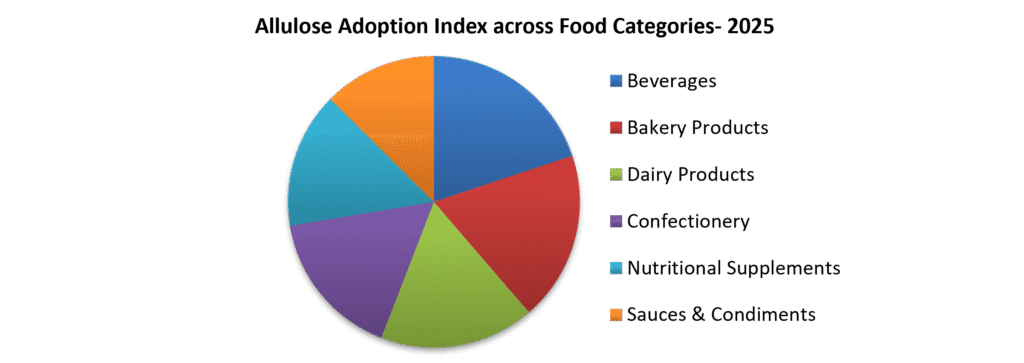
The Global Allulose Market is experiencing robust growth as food and beverage manufacturers increasingly adopt low-calorie sweeteners to address rising consumer demand for healthier alternatives to conventional sugar. Allulose is a rare monosaccharide that delivers approximately 70% of the sweetness of sucrose while contributing minimal calories and having a negligible impact on blood glucose levels. Its sugar-like taste, browning characteristics, and functionality make it an attractive ingredient in bakery, confectionery, dairy products, beverages, nutritional supplements, and pharmaceutical formulations. The market is benefiting from growing health awareness, increasing prevalence of obesity and diabetes, expanding demand for clean-label and reduced-sugar products, and favorable regulatory approvals in key markets. Manufacturers are also investing in advanced enzymatic production technologies to improve manufacturing efficiency, reduce production costs, and expand commercial availability.
The market is expected to witness substantial growth over the forecast period, supported by continuous innovation in sugar reduction technologies and the rapid expansion of functional and fortified food products. Food manufacturers are increasingly incorporating allulose into keto-friendly, diabetic-friendly, and low-calorie formulations without compromising taste or texture, driving adoption across premium food and beverage categories. Growing investments in research and development, strategic collaborations between ingredient suppliers and food manufacturers, and increasing commercialization in Asia Pacific and North America are further strengthening market expansion. Although high production costs and varying regulatory acceptance across different countries remain challenges, ongoing technological advancements, capacity expansions, and rising consumer preference for healthier sweetening solutions are expected to create significant long-term opportunities for the Allulose Market.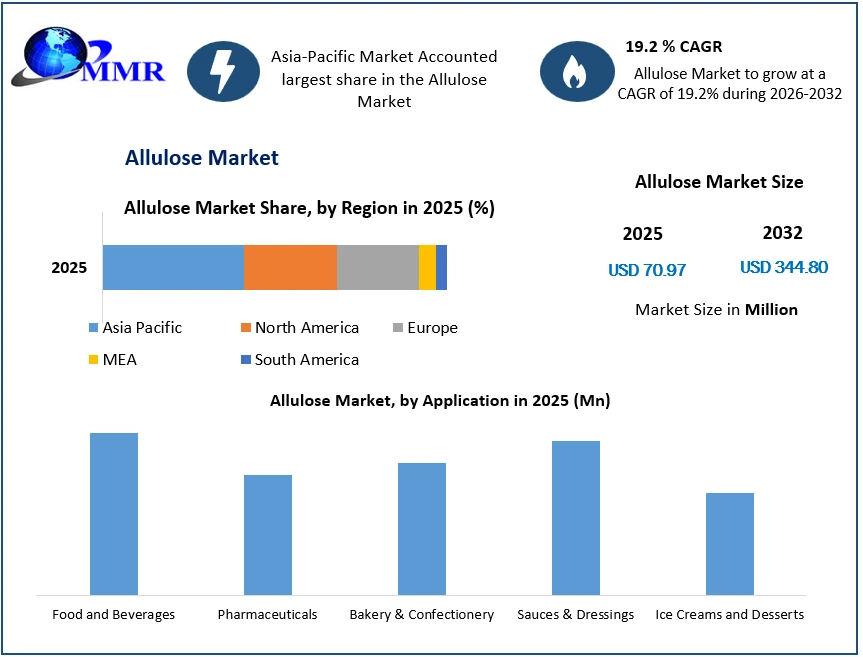
To know about the Research Methodology:- Request Free Sample Report
Allulose Market Dynamics:
Rising demand for sugar reduction and healthier food formulations is accelerating market growth
Growing consumer awareness of obesity, diabetes, and lifestyle-related diseases is encouraging food and beverage manufacturers to replace conventional sugar with low-calorie alternatives such as allulose. Its sugar-like taste, excellent functionality, and minimal impact on blood glucose levels make it an attractive ingredient for bakery, confectionery, dairy products, beverages, and nutritional supplements. Increasing demand for clean-label, keto-friendly, diabetic-friendly, and reduced-sugar products is further supporting commercial adoption across global food industries.
Expanding regulatory approvals and production innovations are creating new market opportunities
Regulatory acceptance in major markets, including the U.S., Japan, South Korea, and Mexico, has accelerated the commercialization of allulose, while advances in enzymatic conversion technologies and bioprocessing are improving production efficiency and reducing manufacturing costs. Ingredient manufacturers are expanding production capacities and forming strategic partnerships with food companies to support the growing demand for sugar-reduction solutions. However, differing regulatory frameworks across regions continue to influence the pace of global market expansion.
High production costs and regulatory differences continue to limit wider commercialization
Despite its functional advantages, allulose remains more expensive than traditional sugar and several alternative sweeteners because of its complex manufacturing process and relatively limited production capacity. In addition, regulatory approval has not yet been harmonized globally, with some countries still restricting or evaluating its use in food applications. These factors increase compliance costs and create commercialization challenges for multinational food manufacturers seeking to launch products across multiple markets.
Growing adoption across functional foods and beverages is strengthening long-term market potential
Food manufacturers are increasingly incorporating allulose into functional beverages, protein products, dairy alternatives, baked goods, and sports nutrition formulations to meet consumer demand for healthier products without compromising taste or texture. Expansion of the quick-service restaurant industry, increasing product innovation, and rising investments in specialty food ingredients are expected to further strengthen long-term demand. Emerging markets in Asia Pacific are also witnessing increasing investments in allulose production, creating new opportunities for manufacturers and ingredient suppliers.
Allulose Market Trends:
Increasing use of allulose in clean-label and reduced-sugar food products - Food manufacturers are increasingly replacing conventional sugar with allulose to develop clean-label, low-calorie, and reduced-sugar formulations while maintaining the taste, texture, and browning characteristics required in bakery, confectionery, dairy, and beverage applications.
Growing adoption in keto-friendly and diabetic nutrition products - The popularity of ketogenic, low-carbohydrate, and diabetic-friendly diets is driving demand for allulose as it provides sweetness with minimal glycemic impact. Manufacturers are expanding product portfolios targeting health-conscious consumers seeking sugar alternatives without compromising product quality.
Advancements in enzymatic production technologies - Companies are investing in advanced enzymatic conversion processes, fermentation technologies, and manufacturing capacity expansions to improve production efficiency, increase commercial availability, and lower production costs. These technological improvements are enhancing the competitiveness of allulose compared with other specialty sweeteners.
Expanding applications in beverages and functional nutrition -Allulose is increasingly being incorporated into ready-to-drink beverages, flavored waters, protein shakes, dairy alternatives, nutritional supplements, and sports nutrition products as manufacturers respond to growing consumer demand for healthier formulations with reduced sugar content.
Allulose Market Segment Analysis:
Based on Product Type, the Allulose Market is divided into Sugar, Natural Sugar Alternative, and Artificial Sweetener. Natural Sugar Alternative dominated the market in 2025, owing to the growing consumer preference for clean-label, low-calorie, and naturally derived sweetening ingredients. Allulose has gained significant traction as a natural sugar alternative because it closely mimics the taste and functionality of conventional sugar while providing minimal calories and a negligible glycemic response. Increasing health consciousness, rising demand for diabetic-friendly and keto-compatible products, and regulatory support for sugar reduction initiatives have encouraged food and beverage manufacturers to incorporate allulose into a wide range of products. Additionally, the expanding adoption of natural ingredients in premium and functional food formulations continues to strengthen the dominance of this segment.
Artificial Sweeteners are expected to witness steady growth during the forecast period, supported by their widespread use in processed foods, pharmaceuticals, and low-calorie beverages where cost efficiency and high sweetness intensity remain important considerations. Meanwhile, the Sugar segment continues to hold a notable market share, particularly in traditional food manufacturing and regions where the transition toward healthier sweetening alternatives is still evolving. However, increasing consumer awareness regarding excessive sugar consumption and the growing shift toward natural sweeteners are expected to gradually reduce sugar's share over the forecast period while supporting long-term growth for allulose-based products.
Based on Application, the Allulose Market is divided into Food and Beverages, Pharmaceuticals, Bakery & Confectionery, Sauces & Dressings, and Ice Creams & Desserts. Food and Beverages dominated the market in 2025, driven by the extensive use of allulose in reduced-sugar beverages, dairy products, flavored drinks, nutritional supplements, and functional foods. The ingredient's ability to deliver sugar-like sweetness, excellent solubility, and desirable processing characteristics without significantly increasing calorie content has made it a preferred sweetener for manufacturers seeking healthier product formulations. Rising demand for clean-label beverages, sports nutrition products, and sugar-reduced packaged foods continues to reinforce the dominance of this segment.
Bakery & Confectionery is expected to register the fastest growth during the forecast period, as allulose provides superior browning, moisture retention, and texture characteristics compared to many other low-calorie sweeteners, making it highly suitable for baked goods and confectionery applications. The Pharmaceuticals segment is expanding steadily due to increasing use of allulose in sugar-free medicinal syrups, chewable tablets, and nutraceutical formulations. Sauces & Dressings are witnessing growing adoption as manufacturers develop reduced-sugar condiments without compromising taste and consistency, while Ice Creams & Desserts continue to create significant growth opportunities owing to increasing consumer demand for low-calorie frozen desserts and premium indulgent products with improved nutritional profiles.