
Fermented Milk Market - Industry Structure Evaluation, Demand Drivers Analysis, Regional Growth Analysis and Identification, Competitive Positioning Review & Global Market Size Forecast to 2032
Overview
The Fermented Milk Market size was valued at USD 305.97 Billion in 2024 and the total Fermented Milk revenue is expected to grow at a CAGR of 5.5% from 2025 to 2032, reaching nearly USD 469.56 Billion.
Fermented Milk Industry Snapshot
Fermented milk, a product steeped in tradition and cultural significance across various civilizations, unveils a tapestry of benefits that transcend its culinary origins. The alchemy of fermentation, orchestrated by the synergy between milk and lactic acid bacteria, not only imparts a delightful tang but also orchestrates a profound metamorphosis in its nutritional profile. As enzymes break down milk proteins and lactose, the resulting fermented milk emerges as a lifeline for those battling dietary challenges. For individuals with milk protein allergies and lactose intolerance, this transformation offers a pathway to digestibility, enabling a broader spectrum of individuals to partake in its nourishment within the expanding Fermented Milk Market. Yet, the allure of fermented milk extends far beyond its digestive virtues. Positioned as a potential remedy for various health concerns, its spectrum of end users spans a vast landscape, providing diverse health-conscious consumers seeking wellness-oriented products.
 To know about the Research Methodology :- Request Free Sample Report
From addressing everyday maladies like the common cold to mitigating antibiotic-induced digestive distress, fermented milk emerges as a comforting tonic for gastrointestinal upheavals. Its versatility shines in providing to conditions as diverse as eczema, high blood pressure, and elevated cholesterol levels, elevating its status as a potential dietary adjunct. In the realm of digestive health, its efficacy is particularly pronounced, offering solace to those navigating the intricacies of irritable bowel syndrome (IBS), and lactose intolerance, and even aiding in alleviating constipation. While fermented milk carries promises of ameliorating conditions such as asthma, hay fever, and stomach ulcers, scientific substantiation remains a frontier ripe for exploration. Rapid empirical evidence validating these purported benefits calls for comprehensive scrutiny and thorough investigation, especially within the expanding Fermented Milk Market. As health consciousness continues to soar, fermented milk stands poised at the intersection of traditional wisdom and contemporary wellness, inviting research to unlock its full potential within this burgeoning market segment. The quest for a deeper understanding of its multifaceted benefits fuels ongoing, encouraging a nuanced exploration into the enigmatic world of fermented milk and its intricate role in fostering holistic well-being.
Trend
Rise of Personalized Probiotics
The fermenting world of milk products is experiencing a seismic trend driven by the fusion of probiotics, varied substrates, and inventive manufacturing techniques. With a lineage spanning centuries, fermented milk has undergone a revolution, especially with the infusion of probiotics, catapulting it into an era of ingenuity. A myriad of substrates, from cow to camel milk, adds distinct characteristics to age-old favorites like kefir and koumiss. Today's fermented milk repertoire hosts a diverse palette of probiotic strains, particularly Lactobacillus and Bifidobacterium, meticulously co-fermented within the substrates, infusing each product with unique attributes. The production process mirrors traditional fermentation practices but now necessitates tailored incubation for individual probiotic strains.
Techniques range from direct substrate fermentation to introducing probiotics into starter cultures, birthing a diverse range of beverages, including ambient-temperature brews and specialized probiotic-infused variants that redefine Fermented Milk Market standards. Innovation extends beyond probiotics to embrace additives like sweeteners, thickeners, and prebiotics, revolutionizing contemporary fermented milk production. These enhancements supplement probiotics, enriching products with enhanced nutritional profiles and heightened appeal. Novel iterations such as ambient-temperature varieties, infused with roasted flavors or fortified with probiotics, lead the innovation charge, providing to a diverse consumer base. Quality assurance remains pivotal, necessitating adherence to legal standards and vigilant manufacturing practices to address concerns and ensure product integrity. The most compelling facet of this trend emerges unveiling the profound health potential of probiotic fermented milk.
Fermented Milk Market Key Dynamics
Driver
Rising Health Awareness Fuels Fermented Milk's Surge as a Digestive Champion and Gut Health Ally to Drive Market Growth
Consumers are increasingly recognizing the essential role of gut health in overall well-being. Scientific research highlighting the significance of a balanced gut microbiome in supporting immunity, digestion, mental health, and various physiological functions has driven this awareness. Fermented milk, teeming with probiotics and beneficial bacteria, aligns perfectly with this narrative as it aids in nurturing a healthy gut environment. The market's growth is propelled by consumers seeking natural, gut-friendly options to support their overall health. Fermented milk products are perceived as functional foods due to their inherent properties that assist in digestion. With lactose intolerance being a prevalent issue, fermented milk's ability to break down lactose and make dairy more digestible for individuals with intolerance or sensitivity serves as a significant driver. The Fermented Milk Market capitalizes on this by offering solutions to consumers who struggle with traditional dairy products, positioning fermented milk as a digestible, gut-friendly alternative.
Probiotics found in fermented milk are linked to immune system support. As immunity gains attention as a cornerstone of overall health, consumers are drawn to products that offer this added benefit. Fermented milk, with its probiotic content, is increasingly seen as a convenient way to incorporate immune-boosting elements into one's diet, contributing to its market growth. There's a notable shift in consumer preferences towards natural, minimally processed, and functional foods. Fermented milk aligns perfectly with these preferences, being a natural product transformed by fermentation, packed with live cultures and nutrients. The market's expansion is fueled by consumers seeking healthier, wholesome options that not only provide sustenance but also offer functional health benefits. Fermented milk products are becoming staples in the broader health and wellness narrative. They are viewed as not dairy products but as allies in promoting holistic well-being. As consumers increasingly prioritize health in their lifestyle choices, fermented milk's positioning as a digestive champion and gut health ally amplifies its relevance and drives Fermented Milk Market growth.
Diversification and Product Innovation to Boost Market Growth
Introducing a diverse range of fermented milk products appeals to a broader consumer base. Diversification allows manufacturers to provide to varying preferences, dietary needs, and cultural tastes. By offering options like flavored kefir, drinkable yogurts, or lactose-free fermented milk, companies attract consumers who have different flavor preferences or dietary restrictions, consequently expanding their market reach. Diversification aligns with the evolving health and wellness trends. Consumers are increasingly seeking functional foods that offer specific health benefits. Innovation in the Fermented Milk Market involves probiotic-rich variants and additions of vitamins, minerals, or plant-based ingredients, providing to health-conscious consumers seeking gut-friendly or immune-boosting products. These innovations captivate consumer interest, driving engagement within the market and meeting evolving health preferences.
Unique product formulations, novel flavors, or convenient packaging entice consumers to explore and try new fermented milk offerings. This approach taps into consumer curiosity and the desire for novel food experiences, encouraging brand loyalty and repeat purchases. Amidst a competitive landscape, diversification through innovation offers a unique selling proposition. Companies that continuously innovate and diversify their fermented milk product lines set themselves apart, fostering a competitive edge in the Fermented Milk Market. This differentiation allows brands to command premium pricing and capture a loyal consumer base seeking distinct and innovative offerings.
India's fermented milk production embodies a rich tradition, with Dahi, akin to Western yogurt, being its oldest variant, evolving into popular derivatives including Shrikhand and Lassi. These indigenous products offer significant dietary value and therapeutic properties. Enhancing traditional Dahi production involves employing acid and flavor-producing organisms, enabling a two-stage fermentation process for superior quality. Biotechnological strides advocate incorporating probiotics and beneficial bacteria, elevating nutritional properties. Innovations also propose leveraging bio-preservatives and gentle thermization for shelf-life extension, ensuring broader market accessibility. These advancements amalgamate tradition with biotechnological innovation, amplifying the nutritional prowess and market viability of India's revered fermented milk products.
Restraints
Regulatory complexities and compliance challenges to hamper Market Growth
Making specific health claims about fermented milk products, especially those related to probiotics, requires substantial scientific evidence and regulatory approval. Obtaining these approvals is time-consuming and costly, and often necessitates extensive clinical trials or studies. Meeting these standards delays product launches and limits the scope of health-related marketing claims. Operating in different regions or countries involves navigating diverse regulatory frameworks, each with its own set of standards and approval processes. Adhering to these varying standards requires comprehensive understanding and adaptation, adding complexity and costs to market entry and product compliance efforts. Stringent regulations often restrict manufacturers from effectively communicating the health benefits of fermented milk products to consumers. The limitations in making specific health claims or conveying complex scientific information to consumers hinder their understanding of the product's benefits, impacting consumer perception and Fermented Milk Market adoption. Compliance requirements also limit product innovation and formulation changes. Implementing novel ingredients or introducing improved strains of probiotics face regulatory hurdles, slowing down the pace of innovation within the market.
Fermented Milk Market Segment Overview
Based on the Product Type, Yogurt product type is expected to dominate the Fermented Milk Market during the forecast period. Yogurt stands tall as the predominant type within the realm of fermented milk products, offering an array of science-backed health benefits that beckon consumers worldwide. Yogurt's magic comes from fermenting milk with bacteria, giving it a creamy texture and loads of nutrients. It's a nutrient-packed powerhouse, with calcium for strong bones, B vitamins (like B12 and riboflavin) for heart health, and essential minerals (phosphorus, magnesium, potassium) regulating blood pressure and metabolism. Beyond its nutrient richness, yogurt packs a protein punch, with 12 grams per 8-ounce serving. Protein's prowess in supporting metabolism and regulating appetite renders yogurt not just a satisfying snack but a potential ally in weight management. Particularly, Greek yogurt, dense with 20 grams of protein in 7 ounces, offers heightened satiety, influencing appetite management and potentially curbing overall calorie intake. Certain yogurt variations contain live probiotics, beneficial bacteria renowned for digestive health. Strains like Bifidobacteria and Lactobacillus offer numerous benefits, easing irritable bowel syndrome and reducing antibiotic-associated digestive issues. These live cultures are integral within the Fermented Milk Market in Europe, promoting digestive wellness and expanding the realm of functional dairy products.
Yogurt's immune-boosting potential comes to the fore, armed with probiotics that reduce inflammation and even shorten the duration and severity of the common cold. Fortified with essential vitamins like D, yogurt strengthens the immune system, potentially defending against various diseases. In heart health discussions, while debate surrounds its saturated fat, research hints at yogurt's nuanced impact. Evidence suggests whole milk yogurt's saturated fats boost HDL (good) cholesterol, potentially guarding against heart disease. Its contribution to lowering high blood pressure emphasizes yogurt's significance in heart-healthy diets within the expanding Fermented Milk Market in Europe.
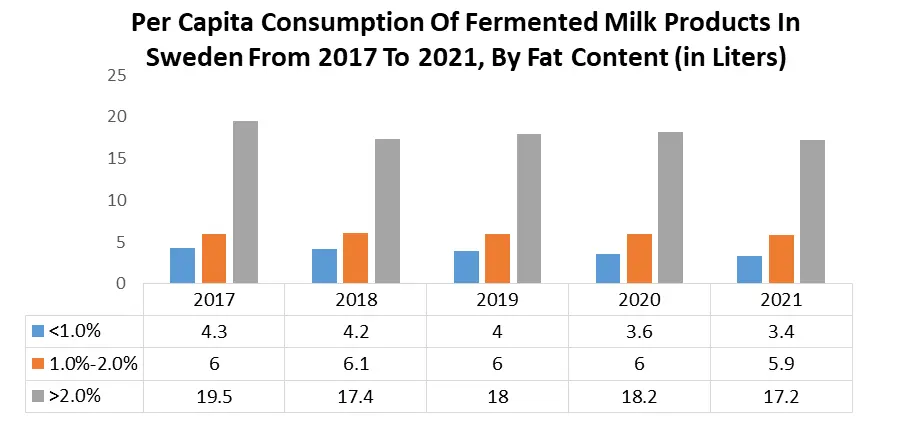
Sweden's per capita consumption of fermented milk, including yogurt, kefir, and cultured buttermilk, varies based on fat content, with a leaning towards low-fat and non-fat options. The European market thrives on health awareness, diverse products, organic demand, innovations, and the rising interest in plant-based alternatives. Recent post-2022 data needs updated industry reports for specifics.
Fermented Milk Market Regional Insights
Europe dominated the Fermented Milk Market in 2024 with the largest market share. Fermented milk products like yogurt, kefir, and various cheese varieties have been part of European diets for centuries. The longstanding tradition of consuming these products has created a strong market base. European countries offer a wide array of fermented milk products, providing to diverse tastes and preferences. This variety attracts both local consumers and international markets. European consumers are increasingly health-conscious, seeking products that offer probiotic benefits and improved digestive health. Fermented milk products are known for these health benefits, further driving their popularity in the region. Europe has a strong dairy industry with advanced production technologies and infrastructure. This allows for efficient manufacturing and distribution of fermented milk products, ensuring high-quality standards and availability. European companies continuously innovate in product development, flavors, packaging, and marketing strategies. This innovation keeps the market dynamic and meets evolving consumer demands. European countries often export their fermented dairy products worldwide, leveraging their reputation for quality and authenticity. This export capability contributes to the dominance of European products in the global fermented milk market. Europe boasts traditional products including yogurt, kefir, and various cheeses. The market thrives due to cultural heritage, health consciousness, innovation, and a strong dairy industry.
Table No 1. Traditional Fermented Milk Products in Europe
| Country | Fermented Milk Product | Description |
| Scandinavia | Tettemelk, Langfil, Pitkapiima | Thick and sticky fermented milk products with unique consistency and flavor due to Lactococcus lactis subsp. cremoris |
| Iceland | Skyr | Thick, protein-rich fermented milk product made by mixing and curdling skim milk with lactic acid bacteria and rennet |
| Sweden, | Langfil, Filmjölk, Lactofil | Thick fermented milk product typically made in Lapland and a traditional cultured dairy made with mesophilic lactic acid bacteria |
| Denmark | Ymer, Tykmaelk | Fermented milk products with high protein content and mild texture, and cultured dairy made with butter starters |
| Norway |
Tettemelk, Melkering | Thick fermented milk product with sour flavor and a cultured dairy made with mesophilic lactic acid bacteria |
| Finland Piima | Pitkapiima, Viili, Kokkelipiima | Viscous fermented milk products, condensed cultured milk, cultured milk products with velvety milk fungi, and condensed cultured milk are traditionally made by fermenting milk and heating it in the oven |
Sweden exhibits a prominent production volume of organic fermented milk products, reflecting the nation's emphasis on sustainable and health-oriented dairy options. Within Europe's vibrant Fermented Milk Market, Sweden contributes to the region's increasing demand for these products, aligning with broader trends favoring organic, probiotic-rich offerings. The country's commitment to quality and eco-consciousness resonates with the evolving consumer preferences for wholesome and environmentally friendly choices, influencing the trajectory of fermented dairy consumption across the European market.

Asia Pacific and North America are expected to have a significant growth rate for the fermented milk market during the forecast period. Japan and South Korea have extensive cultural backgrounds in consuming fermented dairy items like yogurt, kefir, and traditional fermented milk beverages over many generations. These products are ingrained in their culinary traditions. There's a growing awareness of the health benefits associated with fermented milk products in Asia Pacific. The demand for probiotics in these items is rising due to their digestive health benefits. The region's expanding urban population has spurred a shift in dietary preferences. There's a rising demand for convenient and healthy food options, including fermented milk products, among urban consumers.
North American consumers are increasingly health-conscious and are actively seeking products that offer health benefits. Fermented milk products fit into this trend due to their probiotic content and associated health advantages. North America has a culturally diverse population with varying dietary preferences. This diversity encourages a wide variety of fermented milk products from different cultural backgrounds, providing to various tastes. Companies in North America have focused on innovation, introducing new types of fermented milk products and flavors to attract consumers. This innovation has expanded the market and increased consumer interest.
Fermented Milk Market Scope : Inquire Before Buying
| Global Fermented Milk Market | |||
|---|---|---|---|
| Report Coverage | Details | ||
| Base Year: | 2024 | Forecast Period: | 2025-2032 |
| Historical Data: | 2019 to 2024 | Market Size in 2024: | USD 305.97 Bn. |
| Forecast Period 2025 to 2032 CAGR: | 5.5% | Market Size in 2032: | USD 469.56 Bn. |
| Segments Covered: | by Product Type | Yogurt Kefir Buttermilk Laban Skyr Other |
|
| by Distribution Channel | Supermarkets/Hypermarkets Convenience Stores Online Retail Specialty Stores Direct Sales |
||
Fermented Milk Market, by Region
North America (United States, Canada, and Mexico)
Europe (UK, France, Germany, Italy, Spain, Sweden, Austria and the Rest of Europe)
Asia Pacific (China, South Korea, Japan, India, Australia, Indonesia, Malaysia, Vietnam, Taiwan, Bangladesh, Pakistan and the Rest of APAC)
South America (Brazil, Argentina Rest of South America)
Middle East & Africa (South Africa, GCC, Egypt, Nigeria and the Rest of ME&A)
Leading Companies in the Fermented Milk Industry
1. Danone
2. Nestle
3. Yakult Honsha Co., Ltd.
4. Lactalis
5. General Mills
6. Chobani
7. Muller Group
8. Yoplait
9. Arla Foods
10. Kraft Heinz
11. FrieslandCampina
12. Parmalat
13. Fonterra Co-operative Group
14. Mother Dairy
15. Meiji Co., Ltd.
16. Clover Industries Limited
17. Grupo Lala
18. Rainbow Dairy Foods
19. Laïta
20. Agrosuper
21. Dairy Farmers of America
22. Müller-Milch
23. Meggle
24. Emmi AG
25. Agri-Mark, Inc.
Frequently Asked Questions:
1] What is the growth rate of the Global Fermented Milk Market?
Ans. The Global Fermented Milk Market is growing at a significant rate of 5.5 % during the forecast period.
2] Which region is expected to dominate the Global Fermented Milk Market?
Ans. Europe is expected to dominate the Fermented Milk Market during the forecast period.
3] What was the Global Fermented Milk Market size in 2024?
Ans: The Global Fermented Milk Market size was USD 305.97 Billion in 2024.
4] Which are the top players in the Global Fermented Milk Market?
Ans. The major top players in the Global Fermented Milk Market are Danone, Nestle, Yakult Honsha Co., Ltd., Lactalis, General Mills, Chobani, Müller Group, Yoplait, Arla Foods, Kraft Heinz, FrieslandCampina, Parmalat, Fonterra Co-operative Group, Mother Dairy, Meiji Co., Ltd. and Others.
5] What are the factors driving the Global Fermented Milk Market growth?
Ans. The rising health awareness diversification and product innovations are expected to drive market growth during the forecast period.