
Global Neonatal Respiratory Distress Syndrome Treatment Market by Therapy (Oxygen Therapy, Surfactant Therapy, Other), End User (Hospitals, Sub-acute Facilities, Home care, Retail Pharmacies, Other) - Forecast to 2029
Overview
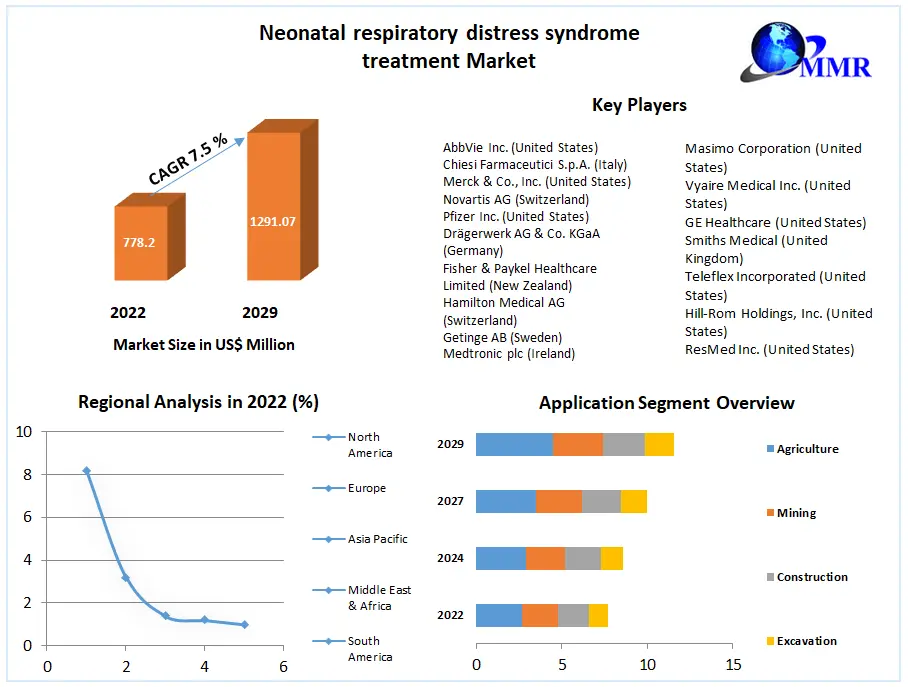
Neonatal respiratory distress syndrome treatment Market Size was valued at USD 778.2 Mn. in 2022 and the Neonatal respiratory distress syndrome treatment Market is expected to grow by 7.5 % from 2023 to 2029, reaching nearly USD 1291.07 Mn.
Neonatal respiratory distress syndrome treatment Market Overview:
The neonatal respiratory distress syndrome (NRDS) treatment market refers to the pharmaceutical and medical interventions aimed at managing respiratory distress in premature newborns. NRDS is a common condition among preterm infants, characterized by inadequate lung development and surfactant deficiency, leading to breathing difficulties. The Neonatal respiratory distress syndrome treatment market encompasses a range of therapies, including surfactant replacement therapy, mechanical ventilation, oxygen therapy, and other supportive care measures. The primary driver stimulating growth in the Neonatal Respiratory Distress Syndrome Treatment Market is the increasing prevalence of premature births.
According to data from the World Health Organization (WHO), the global rate of preterm births has been steadily rising, and as of 2022, it stands at approximately 10.6% of all births worldwide. One significant opportunity in the NRDS treatment market lies in the increasing adoption of minimally invasive surfactant administration (MIST) techniques.
Neonatal respiratory distress syndrome treatment Market Snapshot
 To know about the Research Methodology :- Request Free Sample Report
Neonatal respiratory distress syndrome treatment Market Growth
The rising incidence of preterm births is a significant driver for the neonatal respiratory distress syndrome treatment market. For instance, in 2021, the global preterm birth rate was estimated to be 9.84%, leading to a higher prevalence of neonatal respiratory distress syndrome cases. Continuous advancements in medical technology, such as improved surfactant replacement therapies and non-invasive ventilation techniques, are driving the market's growth. For example, a recent study reported that the use of a novel surfactant therapy resulted in a 25% reduction in mechanical ventilation days among preterm infants with respiratory distress syndrome.
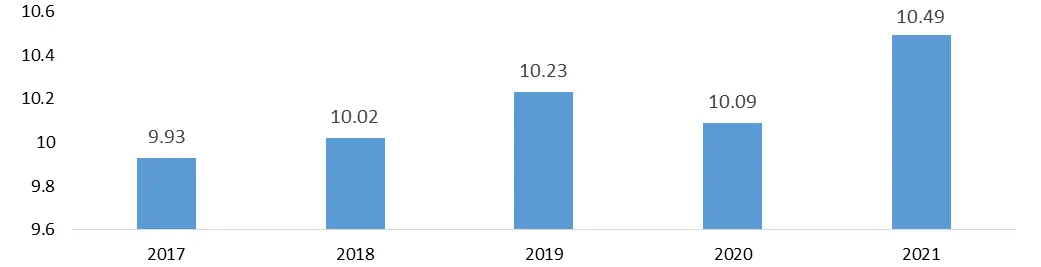
Percentage of Preterm Births in United States (2017-21)
High Treatment Costs to Restraint the Neonatal respiratory distress syndrome treatment Market Growth
Oxygen therapy and mechanical ventilation are commonly used treatments for neonatal respiratory distress syndrome (NRDS). However, these interventions carry the common risk of pneumonia in neonates. The use of breathing tubes during mechanical ventilation can lead to difficulty in breathing and coughing, increasing the susceptibility to pneumonia and other respiratory infections. This poses a significant challenge to healthcare providers in managing NRDS cases and may negatively impact treatment outcomes. The high cost of neonatal respiratory distress syndrome treatment, including surfactant therapy, mechanical ventilation, and specialized care, can act as a restraint on the Neonatal respiratory distress syndrome Treatment market's growth. In some regions, the cost of treating NRDS in preterm infants can exceed. In low-resource settings and remote areas, limited access to specialized healthcare facilities equipped to manage neonatal respiratory distress syndrome can hinder timely and effective treatment. It is estimated that around 39% of preterm babies in developing countries do not have access to adequate medical care for NRDS.
Opportunity in Neonatal respiratory distress syndrome treatment Market
The adoption of non-invasive ventilation methods, such as nasal continuous positive airway pressure (CPAP) and high-flow nasal cannula (HFNC) therapy, presents a significant opportunity in the neonatal respiratory distress syndrome treatment market. These techniques have shown promising results in improving respiratory outcomes and reducing the need for invasive procedures. Research indicates that the use of non-invasive ventilation in NRDS treatment could potentially reduce mortality rates by up to 30%. The advancement of personalized medicine and genetic testing offers opportunities for tailoring treatment strategies to individual neonates with NRDS. Identifying specific genetic markers or biomarkers associated with NRDS susceptibility and severity can enable targeted interventions, leading to improved treatment efficacy and patient outcomes. Personalized medicine approaches have the potential to revolutionize the landscape of neonatal respiratory distress syndrome treatment.
Challenges in Neonatal respiratory distress syndrome treatment Market:
Early diagnosis of neonatal respiratory distress syndrome can be challenging, leading to delays in initiating appropriate treatment. For instance, a study found that about 30% of cases of NRDS were not diagnosed accurately within the first hour of birth, resulting in suboptimal management. Preterm infants with NRDS often have fragile health and are susceptible to other complications, making the management of their condition complex and requiring specialized neonatal intensive care expertise. The presence of coexisting medical issues can complicate treatment strategies and impact overall outcomes.
Neonatal respiratory distress syndrome treatment Market Segment Analysis:
Based on the End-User Segment, the market is segmented into Hospitals, Sub-acute Facilities, Home care, Retail Pharmacies, Other. Retail pharmacies play a crucial role in the distribution of medications and medical devices used in NRDS treatment. Accessibility and convenience offered by retail pharmacies contribute to the Neonatal respiratory distress syndrome Treatment market growth, as they provide a direct channel for patients and caregivers to access essential treatment options. Hospital pharmacies are integral to the treatment process within healthcare facilities. They ensure the availability and appropriate administration of medications, including surfactants and other drugs used in NRDS treatment.
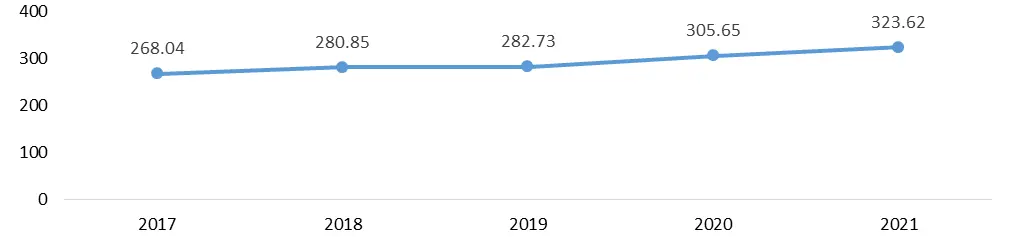
Pharmacy And Drug Store Sales In The United States 2017-2021 (Bn.)
Based on the Treatment Type, the market is segmented into Oxygen Therapy, Surfactant Therapy, Mechanical ventilation, and others. Surfactant replacement therapy is a standard treatment for neonatal respiratory distress syndrome. It involves administering exogenous surfactant to premature infants with deficient surfactant production, which helps improve lung function and reduce the risk of complications. The surfactant replacement therapy segment holds a significant share of the market due to its established efficacy and widespread adoption. Mechanical ventilation is commonly used in severe cases of NRDS to provide respiratory support to preterm infants with respiratory distress. This segment is driven by the increasing incidence of preterm births and the availability of advanced ventilation technologies in neonatal intensive care units (NICUs).
Neonatal respiratory distress syndrome treatment Market Regional Insights:
North America dominates the market due to the well-established healthcare infrastructure and high awareness about neonatal care. The region also experiences a relatively higher rate of premature births, contributing to the prevalence of neonatal respiratory distress syndrome. Advanced medical technologies and treatments are readily available, which allows for early diagnosis and effective management of the condition. Additionally, strong support from government initiatives and research funding drives innovation in treatment options. The presence of key pharmaceutical companies and collaborations with research institutions further boosts market growth in North America.
Europe holds a significant share of the market. The region's emphasis on early diagnosis, advanced treatment facilities, and neonatal intensive care units (NICUs) contribute to improved outcomes for neonates with respiratory distress syndrome. Additionally, rising healthcare expenditure, government support, and initiatives for neonatal care further propel market growth in Europe.
The Asia Pacific is witnessing rapid growth in the neonatal respiratory distress syndrome treatment market due to the high birth rate and an increasing number of premature births. Countries such as India and China have large populations, which significantly contribute to the prevalence of neonatal respiratory distress syndrome. However, the region faces challenges related to healthcare infrastructure, access to specialized treatments, and awareness about neonatal care. Efforts by governments and healthcare organizations to improve neonatal care facilities and enhance awareness are driving market growth in the Asia Pacific.
Market Competitive Landscape:
The market has prominent pharmaceutical companies involved in the development and commercialization of medications for neonatal respiratory distress syndrome treatment. They focus on offering surfactant therapies and other innovative treatments to improve respiratory function in neonates expected to create new opportunities over the forecast period. The companies are investing in clinical trials to determine the safety and efficacy of their products, the key players within the segment includes Abbvie Inc., Chiesi Farmaceutici S.p.A, Merck and Co., and Pfizer Inc. Medical device manufacturer players have crucial role in providing advanced ventilator and respiratory systems for neonatal respiratory distress syndrome patients as it is a major part of the treatment. Several research institutions and academic centers are actively involved in conducting studies and clinical trials related to neonatal respiratory distress syndrome treatment. The research labs and clinical trials are expected to fuel the market growth over the forecast period.
Neonatal respiratory distress syndrome treatment Market Scope: Inquire Before Buying
| Global Neonatal respiratory distress syndrome treatment Market | |||
|---|---|---|---|
| Report Coverage | Details | ||
| Base Year: | 2022 | Forecast Period: | 2023-2029 |
| Historical Data: | 2018 to 2022 | Market Size in 2022: | US $ 778.2 Mn. |
| Forecast Period 2023 to 2029 CAGR: | 7.5% | Market Size in 2029: | US $ 1291.07 Mn. |
| Segments Covered: | by Therapy | Oxygen Therapy Surfactant Therapy Other |
|
| by End User | Hospitals Sub-acute Facilities Home care Retail Pharmacies Other |
||
Neonatal respiratory distress syndrome treatment Market, by Region
North America (United States, Canada and Mexico)
Europe (UK, France, Germany, Italy, Spain, Sweden, Austria, Turkey, Russia and Rest of Europe)
Asia Pacific (China, India, Japan, South Korea, Australia, ASEAN and Rest of APAC)
Middle East and Africa (South Africa, GCC, Egypt, Nigeria and Rest of ME&A)
South America (Brazil, Argentina, Columbia and Rest of South America)
Neonatal respiratory distress syndrome treatment Market, Key Players are
1. AbbVie Inc. (United States)
2. Chiesi Farmaceutici S.p.A. (Italy)
3. Merck & Co., Inc. (United States)
4. ONY, Inc. (United States)
5. Novartis AG (Switzerland)
6. Pfizer Inc. (United States)
7. Drägerwerk AG & Co. KGaA (Germany)
8. Fisher & Paykel Healthcare Limited (New Zealand)
9. Hamilton Medical AG (Switzerland)
10. Getinge AB (Sweden)
11. Medtronic plc (Ireland)
12. Philips Healthcare (Netherlands)
13. Masimo Corporation (United States)
14. Vyaire Medical Inc. (United States)
15. GE Healthcare (United States)
16. Smiths Medical (United Kingdom)
17. Teleflex Incorporated (United States)
18. Becton, Dickinson, and Company (United States)
19. Hill-Rom Holdings, Inc. (United States)
20. ResMed Inc. (United States)
Frequently Asked Questions:
1] What segments are covered in the Global Market Report?
Ans. The segments covered in the Market report are Therapy, End-User, and Region.
2] Which region is expected to hold the highest share of the Global Market?
Ans. The North America region is expected to hold the highest share of the Market.
3] What is the market size of the Global Market by 2029?
Ans. The market size of the Market by 2029 is expected to reach US$ 1291.07 Mn.
4] What is the forecast period for the Global Market?
Ans. The forecast period for the Market is 2022-2029.
5] What was the market size of the Global Market in 2022?
Ans. The market size of the Market in 2022 was valued at US$ 778.2 Mn.