
Mental Health Apps Market Size by Platform Type, Subscription Type, Accessibility and Engagement, Application, Region – Segment-Level Market Assessment, Growth Opportunity Analysis, Competitive Mapping & Forecast to 2032
Overview
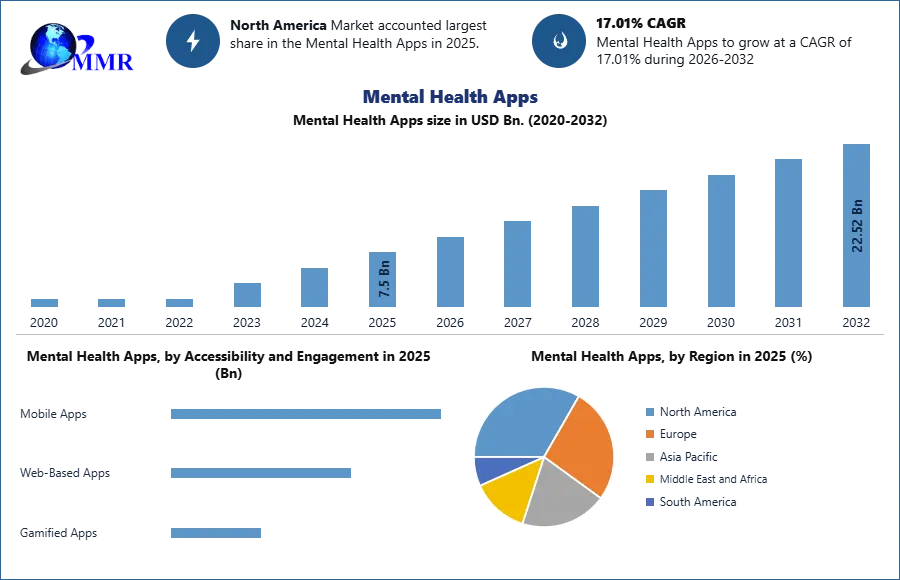
The Mental Health Apps Market size was valued at USD 7.50 Billion in 2025 and the total Mental Health Apps revenue is expected to grow at a CAGR of 17.01% from 2025 to 2032, reaching nearly USD 22.52 Billion by 2032.
Mental Health Apps Market Overview
Mental Health Apps are mobile applications, which is designed to improve and support mental health and well-being. These apps have various tools, features to help individuals and manage their mental health, cope with stress, anxiety, depression, and other psychological challenges, and promote overall emotional well-being.
The use of mental health apps has become increasingly popular due to the convenience of accessing support and resources right from a smartphone or tablet. The applications and features of mental health apps vary widely, but some common functionalities include mindfulness and meditation, journaling and mood tracking, cognitive behavioral therapy (cbt) tools, education and information and others. The growth of this Mental Health app market or industry is attributed to increasing awareness, reduced stigma, technological advancements, remote accessibility, evidence-based practices, investment, integration with healthcare, and positive user feedback.
The Mental Health Apps market addresses a critical need, given the rising impact of mental illness, particularly in the face of a loneliness epidemic affecting nearly 50 million U.S. adults. These apps leverage mobile technology to offer accessible mental health care, providing services such as therapy appointments, mindfulness exercises, and messaging platforms. While not a substitute for healthy habits and robust support systems, mental health apps enhance care convenience. The market features key players such as Calm, Talkspace, and Headspace, each offering unique features such as mindfulness video lessons, licensed therapist networks, and audio meditation sessions. Trends include AI integration, virtual counseling, and gamification for engagement. As the market evolves, a user-centric approach, diversity, and data security remain paramount. Mental health apps play a vital role in supplementing professional care and promoting immediate mental health interventions.
To know about the Research Methodology :- Request Free Sample Report
Mental Health Apps Market Dynamics
In recent years, societal attitudes shifting toward mental health have led to greater demand for tools and resources that help individuals manage their mental health effectively. Mental Health Apps provide accessible and user-friendly platforms for individuals to track their moods, practice mindfulness, learn coping strategies, and even receive virtual therapy. As people become more proactive about their mental health, the adoption of these apps continues to rise. The increasing awareness and prioritization of mental health issues are key drivers for the Mental Health Apps Market growth.
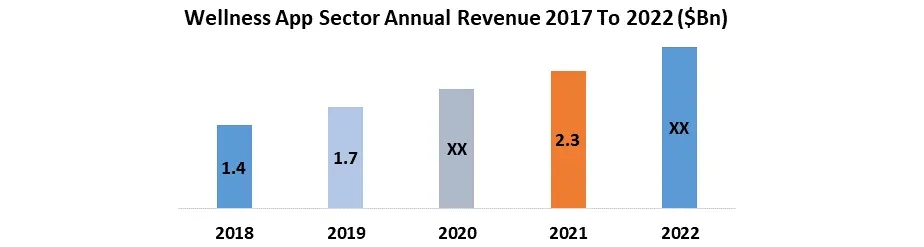
Technology progress has the potential to change user-friendly interfaces, personalized experiences, and seamless integration with other devices like wearables. Such technology-driven enhancement enhances user engagement and overall effectiveness, attracting more users to explore and adopt these apps. Also, sensors used in apps allow for real-time tracking of physiological indicators.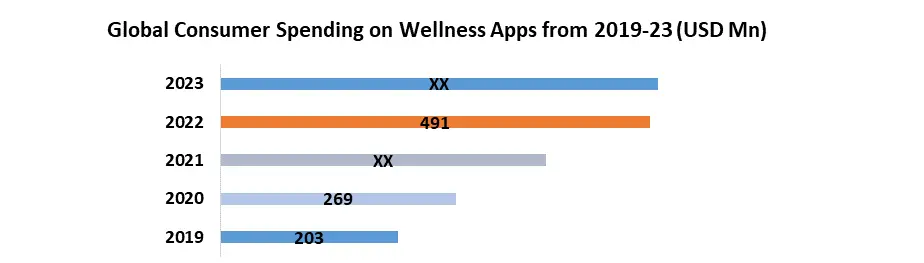
Remote Accessibility to Boost Mental Health Apps Market Growth: The ability to access mental health resources remotely is a significant driver. These apps break down barriers of geography and time, making support available anytime, anywhere. This accessibility resonates particularly with those who have limited access to in-person therapy or prefer the flexibility of managing their mental health on their own terms.
Evidence-Based Practices in Mental Health Apps to Drive the Market: Increasingly, Mental Health Apps are grounded in evidence-based therapeutic techniques and psychological principles. This scientific foundation provides users with confidence in the efficacy of these apps, driving adoption among those seeking evidence-supported solutions for managing their mental health and influencing the Mental Health Apps Market growth potential.
Global Mental Health Apps Market Opportunities:
Mental health apps are becoming widespread and readily available to anyone with internet access and a smartphone. Recent estimates suggest that anywhere between 10,000-15,000 publicly available mental health apps exist. It is important to understand some opportunities and challenges of mental health apps. Opportunities apps are easy to access, cost-effective and provide psychoeducation through didactic material, reinforcing skills through interactive exercises, and supporting tracking of things such as mood, symptoms, triggers, or medication, and apps. One significant growth opportunity for the Mental Health Apps Market lies in its potential to reach and serve individuals worldwide, including those in underserved or remote areas. These apps have access to traditional in-person therapy as internet connectivity continues to expand globally and smartphones become more prevalent.
Mental Health Apps bridge the gap by offering a range of resources, self-help tools, and even therapeutic interventions. This opportunity aligns with the growing recognition of the need for mental health support on a global scale and is expected to influence market growth. The customization and personalization of Mental Health Apps present a significant avenue for growth. As technology evolves, these apps can leverage artificial intelligence and machine learning algorithms to offer tailored experiences for users. By analyzing user data, preferences, and progress, these apps adapt content and interventions to suit individual needs.
Restrain and Challenge:
Data privacy and security concerns are expected to restrain the market growth during the forecast period. These apps collect sensitive user data, including personal emotions, thoughts, and behaviors, there's an increased risk of this data being mishandled or falling into the wrong hands. Users worry about the potential for their private information to be exploited, leading to breaches of confidentiality. Another restraint is the variable quality and lack of standardized validation for many mental health apps. With the market's rapid growth, a wide range of apps have emerged, varying in their effectiveness, adherence to evidence-based practices, and user experience. The lack of oversight and regulation in this space results in the proliferation of apps that are expected to provide accurate or safe mental health guidance. These restraint factors highlight the challenges that the Mental Health Apps Market.
Mental Health Apps Market Trends:
The trend for the global Mental Health Apps Market is the integration of Teletherapy and Live Support. As technology continues to advance, many mental health apps are incorporating features that allow users to connect with licensed therapists and counselors through video calls, chat sessions, or voice calls. This trend addresses the need for personalized and real-time support, offering users the opportunity to engage in virtual therapy sessions from the convenience of their devices. The integration of teletherapy not only expands the range of services provided by these apps but also enhances their credibility and effectiveness. This trend reflects the evolving landscape of mental health care, where digital platforms are becoming increasingly integrated with traditional therapeutic approaches to provide h olistic support for individuals’ mental well-being.
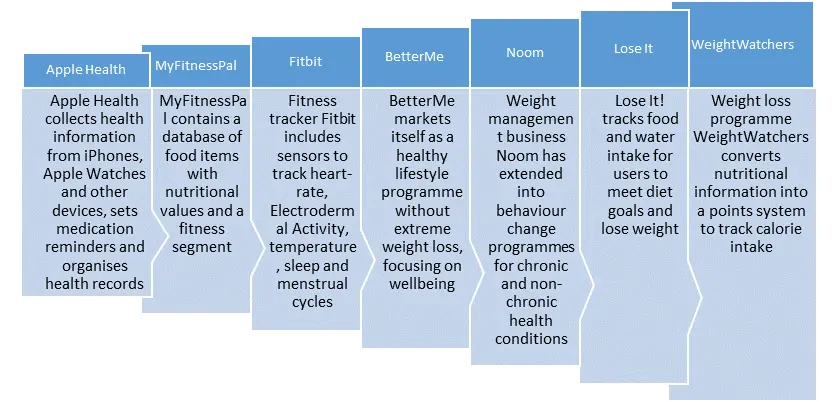
Top Mental Health Apps
Mental Health Apps Market Segment Analysis
The global Mental Health Apps Market is divided into platform type, subscription type, accessibility and engagement, application and region. Based on the region, the market is analyzed into North America, Europe, APAC, South America and MEA.
Based on the Platform Type:
The iOS segment dominated the largest Mental Health Apps Market share with 51.23% in 2025. This segment is classified into Android, iOS, and others and is downloadable from the Apple app store. The iOS mobile apps for mental health offer a wide range of functionalities, including mindfulness exercises, mood tracking, cognitive behavioral therapy tools, journaling, meditation sessions, and more. The iOS ecosystem emphasizes user experience, security, and quality control, which align well with the sensitive nature of mental health apps. Such all factors are expected to drive the segment market growth over the forecast period.
Based on the Application Type:
In 2025, the depression and anxiety management segment held the largest Mental Health Apps Market with a revenue share of 32.15 %. The increasing prevalence of anxiety and depression disorders and growing awareness regarding mental health apps for the treatment of these conditions are some of the major factors supporting the segment’s growth. The Depression and Anxiety Management Apps segment within the Mental Health Apps Market focuses on providing targeted support for individuals grappling with these pervasive mental health challenges. This segment provides several functionalities and features aimed at helping users better understand. However, the stress management segment is expected to grow at the fastest rate during the forecast period.

Based on the Subscription:
The increased subscription to mental health apps provides guidance and easy management of disorders with easy access to smartphones through required connectivity. Medical experts provide the proper therapies and solutions for the disorder and increase the health of the individuals. Subscribing to these apps is essential for gaining access, with various package options available, predominantly on a monthly or yearly basis, amplifying the advantages and benefits to users.
Mental Health Apps Market Regional Insight
North America accounted for the largest Mental Health Apps Market share in 2025 and is expected to sustain its position in the global market. The regional growth is influenced by highly developed technological infrastructure, high smartphone penetration, and increasing awareness of mental health issues among adults. For example, 1 in 10 American adults live with a mental illness in their lifetime and around 10 million Americans (1 in 25) live with a serious mental illness. In there were an estimated 57.8 million adults aged 18 or older in the United States with AMI. This number represented 22.8% of all U.S. adults. The highly protective approach regarding mental health and well-established regulations regarding healthcare systems are key drivers for the industry expansion. The presence of numerous startups and tech giants in the United States and Canada fosters innovation in app development, with an emphasis on personalized experiences and evidence-based approaches.
Europe is another dominant Mental Health app market due to its diverse range of languages, cultures, and healthcare systems. The regions focused on privacy regulations, such as the General Data Protection Regulation (GDPR), influence app developers to prioritize data security and user privacy. Such cultural acceptance of mental health care, combined with the increasing prevalence of mental health awareness campaigns, fuels the adoption of these apps across the area.
The Asia-Pacific region presents substantial growth potential for the Mental Health Apps Market. The growing smartphone adoption rates, particularly in countries such as China and India, open doors for broader app accessibility. The stigma surrounding mental health is gradually decreasing, encouraging individuals to seek digital solutions for emotional well-being. Local app developers are creating culturally relevant content and language options to increase diverse populations. Governments and non-governmental organizations (NGOs) are also launching initiatives to promote mental health awareness, contributing to the market's expansion in the region.
Mental Health Apps Market Competitive Landscape
The competitive landscape of the Mental Health Apps Market is dynamic and diverse, comprising established tech giants, startups, and mental health organizations. Differentiation is driven by innovation, evidence-based approaches, and user-centric design, with apps offering personalized features, therapist partnerships, and integrations with wearables. Credibility hinges on well-researched interventions, while user engagement is fostered through intuitive interfaces and gamification. Data privacy is paramount due to the sensitivity of user information. Monetization models range from freemium with premium tiers to pay-per-service, and occasional consolidation sees larger companies acquiring startups. For example, the introduction of Calm regarding the acquisition and signing of the agreement the for acquisition of Ripple Health Group, a Company of health care technology with the focus of increasing strength and helping mental health care. Development of Calm Health Care technology with improved security for utilization.
Mental Health Apps Market Recent Industry Developments (2025–2026)
| Date | Company | Development | Impact |
|---|---|---|---|
| 20 February 2026 | Somethings | The company raised USD 19.2 million in a funding round to accelerate the growth of its teen-focused mental health platform. | The capital will enable the expansion of specialized clinical services for adolescents across new regional markets. |
| 15 January 2026 | BetterHelp | The teletherapy giant integrated a new AI-based therapist matching algorithm to enhance user-provider compatibility. | This update aims to improve clinical outcomes and user retention by personalizing the start of the therapeutic journey. |
| 12 November 2025 | Headspace | The company entered into a strategic partnership with Cigna Healthcare to provide digital mental health tools to 7 million members. | The collaboration significantly increases enterprise market penetration and broadens access to mindfulness-based stress management. |
| 22 October 2025 | Talkspace | The organization announced a major platform expansion to include specialized support for high-risk behavioral health categories. | This move strengthens its position in the clinical digital therapeutics segment by addressing complex mental health needs. |
| 14 September 2025 | Mentalhealth.com | The platform completed the acquisition of Therapy.ai to integrate advanced natural language processing into its service suite. | The acquisition facilitates real-time emotional analysis and automated support features for users seeking immediate assistance. |
| 08 July 2025 | Unmind | The workplace wellness firm secured USD 35 million in funding to advance its R&D into proactive mental health solutions. | The funding will drive the development of predictive data analytics to help employers identify and mitigate workplace burnout. |
Global Mental Health Apps Market Scope: Inquire before buying
| Global Mental Health Apps Market | |||
|---|---|---|---|
| Report Coverage | Details | ||
| Base Year: | 2025 | Forecast Period: | 2026-2032 |
| Historical Data: | 2020 to 2025 | Market Size in 2025: | USD 7.50 Bn. |
| Forecast Period 2026 to 2032 CAGR: | 17.01% | Market Size in 2032: | USD 22.52 Bn. |
| Segments Covered: | By Platform Type | iOS Android Others |
|
| By Subscription Type | Free Apps Paid Apps |
||
| By Accessibility and Engagement | Mobile Apps Web-Based Apps Gamified Apps |
||
| By Application | Depression & Anxiety Management Meditation Management Stress Management Wellness Management Addiction Disorder Others |
||
Mental Health Apps Market, by Region
North America (United States, Canada and Mexico)
Europe (UK, France, Germany, Italy, Spain, Sweden, Austria and Rest of Europe)
Asia Pacific (China, South Korea, Japan, India, Australia, Indonesia, Malaysia, Vietnam, Taiwan, Bangladesh, Pakistan and Rest of APAC)
South America (Brazil, Argentina Rest of South America)
Middle East & Africa (South Africa, GCC, Egypt, Nigeria and Rest of ME&A)
Mental Health Apps Manufacturers
North America
1. Calm (USA)
2. CVS Health (USA)
3. Happify Inc. (USA)
4. Talkspace Network (USA)
5. 7 cups of Tea (USA)
6. Sanvello (USA)
7. NOCD Inc. (USA)
8. Aurora Health Care (USA)
9. Headspace Inc. (USA)
10. BetterHelp (USA)
11. Woebot (USA)
12. Youper (USA)
13. Shine (USA)
14. Remente (Sweden)
15. Simple Habit (USA)
16. Moodfit (USA)
17. Mayo foundation for medical education and research (USA)
Europe
18. Silver Cloud Health, Inc (UK)
19. Daylio (Slovakia)
20. Other
Asia Pacific
21. Wysa (India)
22. Others