1. Executive Market Landscape and Industry Overview
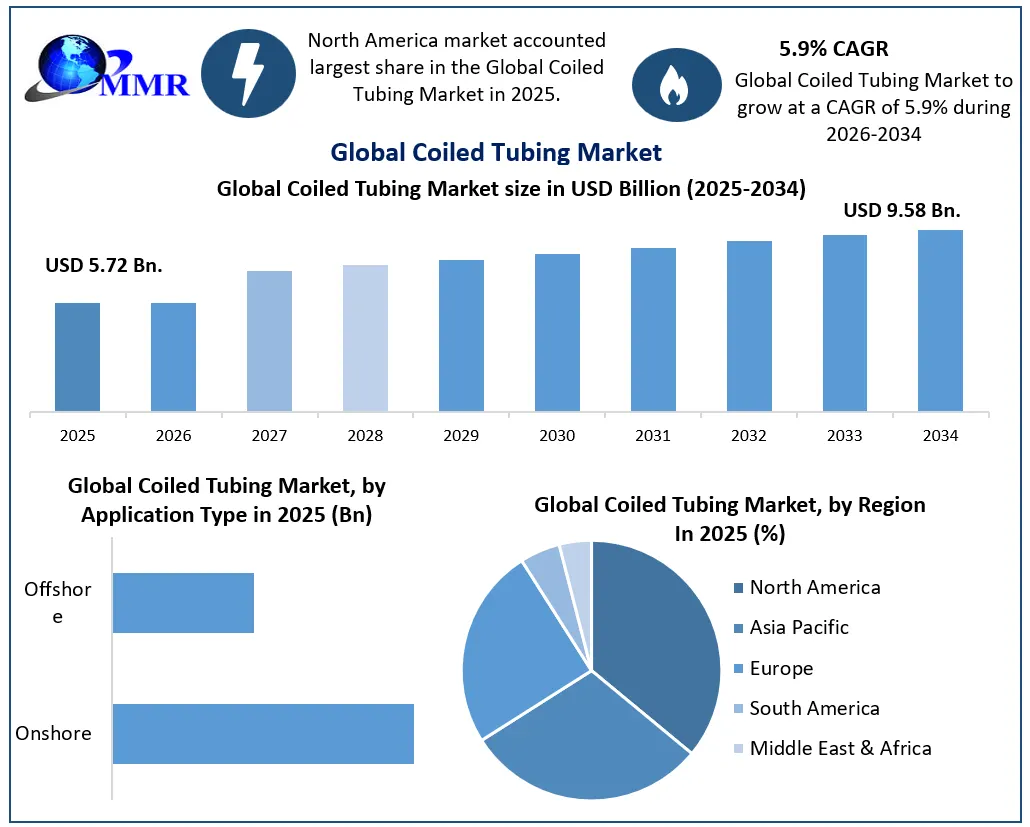
1.1 Global Coiled Tubing Market Size (USD Bn), 2025–2034.
1.2 Market Definition, Scope, and Key Segmentation Criteria for Global Coiled Tubing Market.
1.3 Global Coiled Tubing Market Ecosystem includes brands, suppliers, distributors, and retail channels.
1.4 Competitive Landscape Overview includes brands, participants, regional specialists, and new entrants in the global Coiled Tubing market.
2. Global Coiled Tubing Market Dynamics
2.1 Global Coiled Tubing Market Trends
2.2 Global Coiled Tubing Market DROC Analysis
2.3 Drivers
2.4 Restraints
2.5 Opportunities
2.6 Challenges
2.7 PORTER’s Five Forces Analysis
2.8 Supplier power
2.9 Buyer power
2.10 Threat of substitutes
2.11 Threat of new entrants
2.12 Competitive rivalry
2.13 PESTLE Analysis
3. Global Upstream Oil & Gas Industry Outlook, Exploration & Production Activities, and Well Intervention Demand
3.1 Global Crude Oil and Natural Gas Production Trends Across Major Producing Countries
3.2 Upstream Capital Investments, Drilling Expenditure, and Well Development Pipeline
3.3 Onshore and Offshore Exploration Projects Supporting Coiled Tubing Demand
3.4 Mature Oilfield Redevelopment, Workover Programs, and Well Intervention Activities
3.5 Conventional and Unconventional Reservoir Development Driving Service Requirements
3.6 Future Upstream Investment Outlook and Long-Term Well Intervention Opportunities
4. Coiled Tubing Industry Value Chain, Business Ecosystem, and Stakeholder Landscape
4.1 End-to-End Industry Value Chain from Raw Material Suppliers to Oilfield Operators
4.2 Business Roles of Equipment Manufacturers, Oilfield Service Companies, and E&P Operators
4.3 Distribution Network, Rental Service Providers, and Regional Service Infrastructure
4.4 Strategic Partnerships, Technology Collaborations, and Industry Alliances
4.5 Revenue Generation Models Across Equipment Manufacturers and Service Providers
4.6 Aftermarket Services, Maintenance Contracts, and Customer Support Ecosystem
5. Manufacturing Footprint, Production Capacity, and Global Supply Network for Coiled Tubing Equipment
5.1 Global Manufacturing Locations of Coiled Tubing Units and Surface Equipment
5.2 Production Capacity, Factory Utilization, and Manufacturing Expansion Projects
5.3 Supply Network for Tubing Materials, Injector Heads, Reels, and Pressure Control Equipment
5.4 Regional Component Sourcing Strategies and Manufacturing Localization Trends
5.5 Vendor Base, Lead Time Management, and Inventory Planning Practices
5.6 Supply Chain Resilience, Procurement Diversification, and Manufacturing Competitiveness
6. Technology Advancements, Digital Well Intervention Solutions, Automation, and Next-Generation Coiled Tubing Systems
6.1 Intelligent Coiled Tubing Technologies Enhancing Operational Efficiency and Well Productivity
6.2 Automated Injector Systems, Digital Control Platforms, and Remote Operation Capabilities
6.3 Artificial Intelligence, Predictive Maintenance, and Digital Twin Integration
6.4 Real-Time Downhole Monitoring, Data Acquisition, and Performance Optimization
6.5 Robotics, Autonomous Intervention Systems, and Smart Oilfield Connectivity
6.6 Future Technology Roadmap for High-Performance and Electrified Coiled Tubing Systems
7. Coiled Tubing Equipment Architecture, Product Portfolio, System Components, and Technology Landscape
7.1 Product Portfolio of Coiled Tubing Units, Reels, Injector Heads, and Control Cabins
7.2 Pressure Control Equipment, Blowout Prevention Systems, and Downhole Tool Portfolio
7.3 Carbon Steel, Alloy Steel, and Composite Tubing Technologies for Various Operating Conditions
7.4 Equipment Configurations for Onshore, Offshore, Deepwater, and High-Pressure Applications
7.5 Equipment Reliability, Operational Performance, and Lifecycle Management Practices
7.6 Product Innovation Trends Driving Safety, Efficiency, and Operational Flexibility
8. Well Intervention Services, Operational Capabilities, and Application Landscape
8.1 Mechanical Intervention, Circulation, Pumping, Logging, and Perforation Service Portfolio
8.2 Well Completion, Production Enhancement, and Workover Service Offerings
8.3 Nitrogen Services, Fishing Operations, Milling, Plug Setting, and Zonal Isolation Activities
8.4 High-Pressure, High-Temperature, Horizontal, and Extended Reach Well Applications
8.5 Reservoir Productivity Enhancement Through Advanced Well Intervention Techniques
8.6 Future Service Portfolio Expansion Supporting Mature and Unconventional Oilfields
9. Global Drilling Activity, Rig Count Trends, Well Development Programs, and Coiled Tubing Utilization
9.1 Active Rig Count Distribution Across Major Oil and Gas Producing Regions
9.2 Vertical, Directional, and Horizontal Well Development Supporting Market Growth
9.3 Conventional, Offshore, and Unconventional Drilling Activity Across Key Countries
9.4 Exploration Licensing Rounds, New Field Discoveries, and Development Projects
9.5 Well Completion Programs and Intervention Frequency Across Producing Assets
9.6 Future Drilling Investments Creating Long-Term Demand for Coiled Tubing Services
10. Oilfield Infrastructure, Producing Well Inventory, Installed Base, and Regional Development Landscape
10.1 Active Producing Oil and Gas Wells Across Major Producing Countries
10.2 Mature Oilfield Infrastructure and Brownfield Redevelopment Activities
10.3 Offshore Platforms, FPSOs, Subsea Infrastructure, and Onshore Production Facilities
10.4 Pipeline Networks, Gathering Systems, Storage Facilities, and Processing Infrastructure
10.5 Oilfield Service Bases, Intervention Fleet Availability, and Regional Operational Coverage
10.6 Upcoming Oilfield Development Projects Supporting Equipment and Service Demand
11. Regulatory Framework, Industry Standards, Operational Safety, and Environmental Compliance
11.1 API, ISO, NORSOK, and Regional Standards Governing Coiled Tubing Operations
11.2 Well Integrity, Pressure Control, Blowout Prevention, and Operational Safety Requirements
11.3 Occupational Health, Workforce Safety, and Operational Risk Management Practices
11.4 Environmental Regulations, Emission Reduction Programs, and Sustainable Oilfield Operations
11.5 Country-Specific Regulatory Landscape Across Major Oil & Gas Producing Regions
11.6 Future Regulatory Developments Influencing Equipment Design and Service Delivery
12. Raw Material Procurement Strategy, Tubing Material Selection, and Supplier Landscape
12.1 Procurement Strategy for Carbon Steel, Alloy Steel, and Composite Tubing Materials
12.2 Global Supplier Landscape for Steel Mills, Component Manufacturers, and Material Providers
12.3 Material Selection Based on High Pressure, High Temperature, and Corrosive Well Conditions
12.4 Long-Term Supply Agreements, Vendor Qualification, and Strategic Sourcing Practices
12.5 Raw Material Price Fluctuations and Their Impact on Manufacturing Economics
12.6 Quality Standards, Material Traceability, and Supplier Performance Management
13. Equipment Cost Structure, Operational Economics, Profitability, and Ownership Models
13.1 Cost Breakdown of Coiled Tubing Units, Surface Equipment, and Pressure Control Systems
13.2 Operating Expenses Including Fuel, Transportation, Maintenance, Workforce, and Logistics
13.3 Equipment Ownership Versus Rental Models Across Different Customer Categories
13.4 Service Contract Economics and Revenue Generation Models for Service Providers
13.5 Total Cost of Ownership Across Onshore and Offshore Equipment Configurations
13.6 Margin Improvement Strategies Through Operational Efficiency and Asset Utilization
14. Global Pricing Landscape for Coiled Tubing Equipment, Service Contracts, Rental Rates, and Operations (2020–2025)
14.1 Equipment Pricing Trends Across Coiled Tubing Units, Injector Heads, and Pressure Control Equipment
14.2 Regional Service Charges for Well Intervention, Workover, and Drilling Operations
14.3 Daily Rental Rates for Coiled Tubing Units Across Major Oil-Producing Regions
14.4 Historical Price Movement Influenced by Raw Material Costs and Industry Cycles
14.5 Contract Pricing Structures, Long-Term Service Agreements, and Customer Negotiation Practices
14.6 Future Pricing Outlook Driven by Technology Adoption and Supply Chain Dynamics
15. Market Demand by Service Type, Operation, Well Configuration, Deployment and Application (2020–2034)
15.1 Demand Distribution Across Well Intervention, Completion, Drilling, and Other Coiled Tubing Services
15.2 Demand by Circulation, Pumping, Logging, Perforation, Mechanical Operations, and Other Activities
15.3 Demand Across Vertical, Directional, Horizontal, and Extended Reach Wells
15.4 Onshore and Offshore Deployment Trends Across Major Oil-Producing Regions
15.5 Demand Across National Oil Companies, International Oil Companies, and Independent Operators
16. Regional Market Performance, Country-Level Growth Opportunities, and Investment Landscape
16.1 Market Performance Across North America, Europe, Asia-Pacific, Middle East & Africa, and South America
16.2 Country-Level Oil Production, Rig Activity, and Well Intervention Opportunities
16.3 Government Licensing Programs, Upstream Policies, and Investment Incentives
16.4 Regional Infrastructure Development Supporting Coiled Tubing Service Expansion
16.5 Foreign Direct Investment, Strategic Projects, and Capital Deployment Across Key Markets
16.6 High-Growth Countries Offering Long-Term Expansion Opportunities for Market Participants
17. Offshore Well Intervention, Deepwater Operations, and Subsea Service Landscape
17.1 Offshore Production Activities Supporting Coiled Tubing Service Demand
17.2 Deepwater and Ultra-Deepwater Development Projects Across Major Offshore Basins
17.3 Subsea Well Intervention Technologies and Operational Requirements
17.4 Floating Production Systems, FPSOs, and Offshore Infrastructure Supporting Well Services
17.5 Challenges and Opportunities in Offshore Intervention Operations
18. Unconventional Resource Development, Shale Oil & Gas Production, and Horizontal Well Services
18.1 Global Shale Oil and Shale Gas Development Across Major Producing Countries
18.2 Tight Oil, Tight Gas, and Coalbed Methane Production Activities
18.3 Horizontal and Extended Reach Well Development Supporting Coiled Tubing Deployment
18.4 Hydraulic Fracturing Support and Production Enhancement Services
18.5 Well Recompletion Programs Across Unconventional Reservoirs
18.6 Long-Term Growth Potential of Unconventional Resources in Major Markets
19. Technology Benchmarking, Equipment Performance, Product Innovation, and Competitive Differentiation
19.1 Product Portfolio Comparison Across Leading Coiled Tubing Equipment Manufacturers
19.2 Equipment Performance Based on Reliability, Durability, and Operational Efficiency
19.3 Innovation Trends in Surface Equipment, Downhole Tools, and Digital Technologies
19.4 Safety Features, Automation Capabilities, and Intelligent Monitoring Systems
19.5 Product Differentiation Strategies Supporting Premium Service Offerings
19.6 Future Product Development Focused on High-Pressure, High-Temperature, and Automated Operations
20. Digital Oilfield Integration, Remote Operations, Artificial Intelligence, and Automation in Coiled Tubing Services
20.1 Digital Oilfield Platforms Supporting Real-Time Well Intervention Operations
20.2 Artificial Intelligence for Predictive Maintenance, Operational Planning, and Asset Optimization
20.3 Remote Monitoring Systems, Cloud-Based Data Management, and Digital Control Platforms
20.4 Internet of Things (IoT) Integration Across Surface Equipment and Downhole Tools
20.5 Automation Technologies Improving Operational Safety, Productivity, and Workforce Efficiency
21. Sustainability Initiatives, Carbon Reduction Strategies, Environmental Performance, and Energy Transition Impact
21.1 Low-Emission Well Intervention Technologies Supporting Sustainable Oilfield Operations
21.2 Electrification of Coiled Tubing Equipment and Alternative Energy-Powered Service Units
21.3 Fuel Consumption Reduction Through Efficient Equipment Design and Operational Optimization
21.4 Water Management, Waste Handling, and Resource Utilization Practices During Well Intervention
21.5 Corporate Sustainability Programs, ESG Commitments, and Carbon Neutrality Initiatives
21.6 Energy Transition Trends Influencing Future Demand for Coiled Tubing Services
22. Global Trade Landscape, Import–Export Scenario, Regional Supply Networks, and Logistics Infrastructure in 2025
22.1 Global Import and Export Trends for Coiled Tubing Equipment and Critical Components
22.2 Regional Trade Routes Supporting Equipment Distribution and Oilfield Operations
22.3 Cross-Border Supply Networks for Steel Tubing, Surface Equipment, and Downhole Tools
22.4 Transportation Infrastructure, Logistics Networks, and Delivery Lead Time Trends
22.5 Trade Policies, Tariff Structure, and International Procurement Practices
22.6 Regional Supply Chain Developments Supporting Faster Equipment Availability
23. Patent Landscape, Research & Development Activities, Innovation Pipeline, and Emerging Technologies
23.1 Patent Filing Trends Across Coiled Tubing Equipment, Downhole Tools, and Digital Technologies
23.2 Research & Development Focus Areas Supporting Equipment Performance and Operational Efficiency
23.3 Technology Innovation Pipeline for Intelligent Well Intervention Solutions
23.4 University, Research Institute, and Industry Collaboration Driving Product Innovation
23.5 Next-Generation Materials, Sensors, and Smart Monitoring Technologies
23.6 Future Innovation Opportunities Transforming Well Intervention Operations
24. Procurement Strategy, Contracting Models, Vendor Selection Criteria, and Customer Purchasing Behavior
24.1 Procurement Models Adopted by National Oil Companies, International Operators, and Independent Producers
24.2 Long-Term Contracts, Frame Agreements, and Project-Based Service Procurement
24.3 Vendor Qualification Parameters Covering Technical Capability, Safety, and Operational Performance
24.4 Customer Purchasing Priorities Based on Cost, Reliability, Technology, and Service Support
24.5 Tendering Process, Bid Evaluation, and Contract Award Practices Across Major Regions
24.6 Procurement Trends Supporting Strategic Partnerships and Long-Term Supplier Relationships
25. Business Risk Landscape, Supply Chain Resilience, Operational Challenges, and Risk Mitigation Strategies
25.1 Supply Chain Disruptions Influencing Equipment Availability and Project Execution
25.2 Commodity Price Volatility Affecting Upstream Spending and Service Demand
25.3 Geopolitical Developments Influencing International Oilfield Operations
25.4 Operational Risks Related to Equipment Reliability, Workforce Availability, and Well Complexity
25.5 Cybersecurity Risks Associated with Digital Oilfield Technologies and Connected Equipment
25.6 Risk Mitigation Strategies Supporting Business Continuity and Operational Excellence
26. Technology Roadmap, Advanced Equipment Development, and Industry Transformation
26.1 High-Performance Coiled Tubing Materials Supporting Extreme Operating Conditions
26.2 Smart Downhole Tools, Intelligent Sensors, and Autonomous Intervention Technologies
26.3 Advanced Surface Equipment Delivering Greater Safety and Operational Efficiency
26.4 Robotics, Artificial Intelligence, and Automation Driving Future Well Intervention Operations
26.5 Digital Integration Supporting Predictive Decision-Making and Real-Time Operational Control
26.6 Long-Term Technology Roadmap Defining the Next Generation of Coiled Tubing Solutions
27. Global Coiled Tubing Market: Market size and Forecast by Segmentation (by Value USD Billion) (2025-2034)
27.1 Global Coiled Tubing Market Size and Forecast, By Service
27.2 Well Intervention
27.3 Well Completion
27.4 Mechanical Operations
27.5 Others
27.6 Drilling
27.7 Others
27.8 Global Coiled Tubing Market Size and Forecast, By Material
27.9 Steel
27.10 Carbon Steel
27.11 Alloy Steel
27.12 Others
27.13 Composite
27.14 Carbon Fiber Reinforced
27.15 Glass Fiber Reinforced
27.16 Others
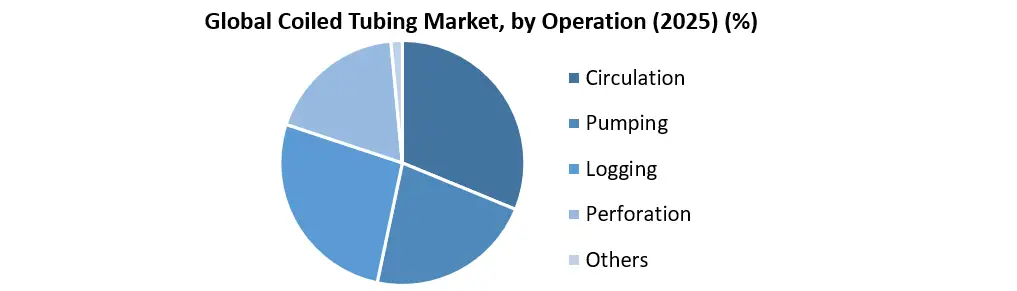
27.17 Global Coiled Tubing Market Size and Forecast, By Operation
27.18 Circulation
27.19 Pumping
27.20 Logging
27.21 Perforation
27.22 Others
27.23 Global Coiled Tubing Market Size and Forecast, By Application
27.24 Offshore
27.25 Onshore
27.26 Global Coiled Tubing Market Size and Forecast, By Region
27.27 North America
27.28 United States
27.29 Canada
27.30 Mexico
27.31 Europe
27.32 United Kingdom
27.33 France
27.34 Germany
27.35 Italy
27.36 Netherlands
27.37 Spain
27.38 Sweden
27.39 Russia
27.40 Norway
27.41 Rest Of Europe
27.42 Asia Pacific
27.43 China
27.44 S. Korea
27.45 India
27.46 Japan
27.47 Australia
27.48 Indonesia
27.49 Philippines
27.50 Malaysia
27.51 Vietnam
27.52 Thailand
27.53 Rest of Asia Pacific
27.54 Middle East and Africa
27.55 South Africa
27.56 Saudi Arabia
27.57 United Arab Emirates
27.58 Oman
27.59 Kuwait
27.60 Turkey
27.61 Egypt
27.62 Nigeria
27.63 Rest of ME&A
27.64 South America
27.65 Brazil
27.66 Argentina
27.67 Chile
27.68 Colombia
27.69 Rest Of South America
28. Competitive Landscape
28.1 MMR Competition Matrix
28.2 Competitive Positioning of Leading Key Players [Revenue and Market Share(%)]
28.3 Key Players Benchmarking
28.4 Company Name
28.5 Headquarters
28.6 Product Portfolio
28.7 Revenue (2025)
28.8 Price Competitiveness
28.9 Profit Margin (%)
28.10 Growth Rate (Y-o-Y %)
28.11 R&D Investment
28.12 Patent Portfolio
28.13 Application Coverage
28.14 Digital & Automation Capability
28.15 AI & Remote Monitoring Integration
28.16 Product Innovation Pipeline
28.17 Service Quality & Operational Reliability
28.18 Equipment Safety Features
28.19 Certifications & Regulatory Compliance
28.20 Technology Capability
28.21 Geographic Presence
28.22 Market Structure
28.23 Market Leaders
28.24 Market Followers
28.25 Emerging Players
28.26 Mergers and Acquisitions Details
28.27 Recent Key Developments
29. Leading Coiled Tubing Companies and Market Share Analysis
29.1 Market Share of Leading Coiled Tubing Service Providers, Equipment Manufacturers, and Integrated Oilfield Service Companies
29.2 Competitive Positioning of Global, Regional, and Country-Level Coiled Tubing Market Participants
29.3 Revenue Contribution Across Well Intervention, Well Completion, Coiled Tubing Drilling, Equipment Sales, Equipment Rental, and Aftermarket Services
29.4 Benchmarking of Coiled Tubing Units, Injector Heads, Pressure Control Equipment, Downhole Tools, Digital Well Intervention Technologies, and Automation Capabilities
29.5 Production Capacity, Active Fleet Size, Service Coverage, Technology Capability, Pricing Competitiveness, and Geographic Presence of Leading Companies
29.6 Market Presence Across Onshore, Offshore, Conventional, Unconventional, Deepwater, and High-Pressure Well Intervention Applications
30. Manufacturing Footprint, Service Infrastructure, and Operational Capability Benchmarking
30.1 Global Manufacturing Facilities, Assembly Plants, Service Bases, and Regional Operational Centers
30.2 Production Capacity of Coiled Tubing Units, Surface Equipment, Injector Heads, and Pressure Control Systems
30.3 Active Coiled Tubing Fleet Size, Equipment Utilization, and Regional Service Availability
30.4 Manufacturing Technologies, Quality Control Systems, and Equipment Testing Capabilities
30.5 Supply Chain Integration, Component Sourcing, Inventory Management, and Logistics Infrastructure
30.6 Future Manufacturing Expansion, Fleet Modernization, and Regional Capacity Enhancement Plans
31. Technology Leadership, Product Innovation, and Digital Well Intervention Capability
31.1 Product Portfolio Across Coiled Tubing Units, Surface Equipment, Downhole Tools, and Pressure Control Systems
31.2 Intelligent Coiled Tubing Technologies, Automation Platforms, and Digital Well Intervention Solutions
31.3 Artificial Intelligence, Predictive Maintenance, Digital Twin, and Remote Monitoring Capabilities
31.4 Research & Development Focus Areas, Patent Portfolio, and New Product Launch Pipeline
31.5 High-Pressure, High-Temperature, Offshore, and Deepwater Technology Capabilities
31.6 Product Differentiation Through Operational Efficiency, Safety, Reliability, and Digital Integration
32. Product Portfolio, Service Offerings, and Customer Support Capability Analysis
32.1 Comparison of Well Intervention, Well Completion, Coiled Tubing Drilling, Equipment Rental, Equipment Sales, and Aftermarket Service Offerings
32.2 Product Customization, Fleet Configuration, Equipment Upgrades, and Customer-Specific Engineering Capabilities
32.3 Installation, Commissioning, Maintenance, Inspection, Equipment Refurbishment, and Technical Support Services
32.4 Customer Training Programs, Engineering Consultation, Digital Monitoring, and Operational Assistance
32.5 Well Planning Support, Intervention Design, Equipment Selection, and Project Execution Services
32.6 Large-Scale Project Execution Capability Across Onshore, Offshore, Deepwater, and Unconventional Oil & Gas Operations
33. Go-to-Market Strategy and Distribution Network Analysis
33.1 Direct Contracting, Equipment Rental, Service Agreements, and Integrated Oilfield Service Business Models
33.2 Regional Service Centers, Equipment Deployment Strategy, Warehousing, and Spare Parts Distribution Network
33.3 Collaboration with National Oil Companies, International Oil Companies, Independent Operators, and Drilling Contractors
33.4 Geographic Expansion Through Regional Partnerships, Local Service Bases, and Strategic Operational Hubs
33.5 Customer Acquisition Strategy Across Mature Oilfields, New Developments, Offshore Projects, and Unconventional Reservoirs
33.6 Digital Sales Platforms, Technical Marketing, Industry Events, Customer Relationship Management, and Long-Term Service Contracts
34. Strategic Alliances, Joint Ventures, and Partnership Analysis
34.1 Partnerships Between Coiled Tubing Equipment Manufacturers, Oilfield Service Companies, and Exploration & Production Operators
34.2 Collaboration with Drilling Contractors, Completion Service Providers, Pressure Pumping Companies, and Well Integrity Specialists
34.3 Technology Partnerships for Digital Well Intervention, Automation, Artificial Intelligence, and Smart Oilfield Solutions
34.4 Strategic Agreements with Steel Suppliers, Component Manufacturers, Logistics Providers, and Equipment Rental Companies
34.5 Collaboration with Research Organizations, Engineering Institutions, Industry Associations, and Technology Development Partners
34.6 Impact of Strategic Alliances on Technology Advancement, Fleet Expansion, Geographic Growth, Customer Acquisition, and Operational Excellence
35. Competitive Benchmarking of Leading Coiled Tubing Companies
35.1 Benchmarking of Product Portfolio, Service Portfolio, and Technology Capability
35.2 Comparison of Manufacturing Capacity, Active Fleet Size, and Global Service Network
35.3 Benchmarking of Digital Transformation, Automation, and Remote Monitoring Capabilities
35.4 Comparison of Revenue, R&D Investment, Patent Portfolio, and Innovation Strategy
35.5 Benchmarking of Pricing Strategy, Operational Efficiency, and Customer Support Services
35.6 Competitive Positioning Based on Geographic Reach, Market Share, and Long-Term Growth
36. Company Profile: 40+ Key Players
36.1 Detailed Profile considering the parameters:
36.2 Overview
36.3 Business Portfolio
36.4 Financial Overview
36.5 SWOT Analysis
36.6 Strategic Analysis
36.7 Recent Developments
37. North America
37.1 SLB (Schlumberger)
37.2 Halliburton
37.3 Baker Hughes
37.4 NOV Inc.
37.5 Superior Energy Services
37.6 Helix Energy Solutions Group
37.7 RPC Inc. (Cudd Energy Services)
37.8 STEP Energy Services Ltd.
37.9 Trican Well Service Ltd.
37.10 Calfrac Well Services Ltd.
37.11 Essential Energy Services Ltd.
37.12 Precision Drilling Corporation
37.13 Altus Intervention
37.14 Coil Solutions Inc.
37.15 Europe
37.16 Expro Group
37.17 Archer Limited
37.18 Hunting PLC
37.19 TechnipFMC
37.20 Interwell Norway AS
37.21 Welltec A/S
37.22 KCA Deutag
37.23 Petrofac
37.24 WWT International
37.25 Asia Pacific
37.26 China Oilfield Services Limited (COSL)
37.27 Jereh Group
37.28 Anton Oilfield Services Group
37.29 Hilong Holding Limited
37.30 Kerui Petroleum
37.31 Asian Energy Services Ltd.
37.32 Sinopec Oilfield Service Corporation
37.33 Middle East and Africa
37.34 ADNOC Drilling
37.35 TAQA Well Completions
37.36 National Energy Services Reunited (NESR)
37.37 AlMansoori Specialized Engineering
37.38 MB Petroleum Services
37.39 Rawabi Oil & Gas
37.40 Gulf Energy SAOC
37.41 Sahara Petroleum Services (SPS)
37.42 South America
37.43 Tenaris
37.44 Weatherford Argentina
37.45 Others
38. KEY INSIGHTS, STRATEGIC OUTLOOK & METHODOLOGICAL FRAMEWORK
38.1 Key Findings
38.2 Strategic Moves & Industry Outlook
38.3 Research Methodology