
Breakfast Cereal Market Size by Product, Packaging Type, Source, Distribution Channel and Region - Segment-Level Market Assessment, Growth Opportunity Analysis, Competitive Mapping & Forecast to 2032
Overview
The Breakfast Cereal Market size was valued at USD 51.76 Billion in 2024 and the total Breakfast Cereal revenue is expected to grow at a CAGR of 5.2% from 2025 to 2032, reaching nearly USD 77.64 Billion.
Breakfast Cereal Market Overview:
The breakfast cereals market is experiencing a shift towards health and wellness, with consumers prioritizing nutritional value, low sugar content, and natural ingredients. This trend has sparked a rise in demand for products rich in whole grains, fiber, and protein, as well as those catering to specific dietary needs like gluten-free or organic options. Alongside health considerations, convenience remains a key factor driving Breakfast Cereal Market growth, as busy lifestyles fuel the need for quick and easy breakfast solutions. To meet this demand, single-serve packaging, portable formats, and on-the-go snacks are gaining popularity among consumers seeking convenient breakfast choices.
The market faces increasing competition from alternative breakfast options such as breakfast bars, yogurt, and smoothies. This has prompted cereal manufacturers to innovate and diversify their product offerings to stay competitive in a crowded marketplace. Marketing plays an important role in influencing consumer preferences and driving sales within this sector. Companies invest in advertising campaigns, branding initiatives, and product innovation to attract consumers and set their products apart from competitors. Tactics such as creative packaging, celebrity endorsements, and social media promotions are commonly employed to engage with consumers and foster brand loyalty.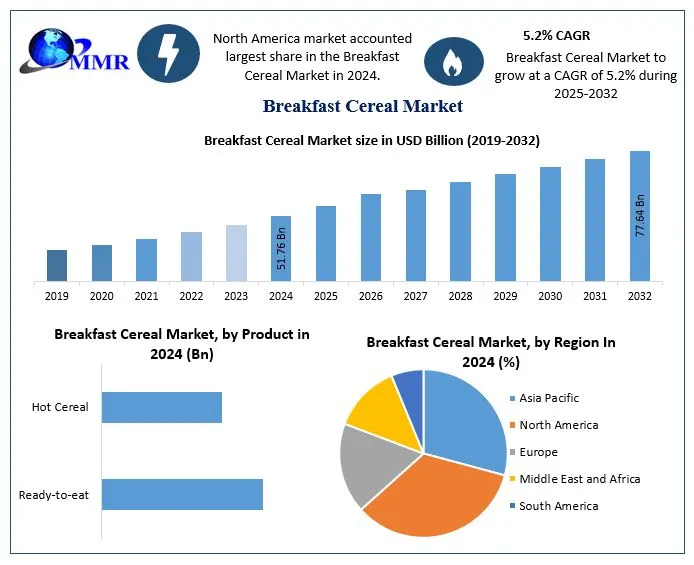 To know about the Research Methodology :- Request Free Sample Report
Breakfast Cereal Market: Dynamics
Driver
Increasing Health Awareness boosts the Breakfast Cereal Market growth
The changing dynamics of breakfast cereal consumption, including its growing popularity as a snack throughout the day, underscore several key driving factors shaping the market. With consumers reaching for cereal not only during breakfast but also as a convenient option for morning, afternoon, and evening snacks, manufacturers have an opportunity to refine their messaging, flavors, and packaging to better target these occasions
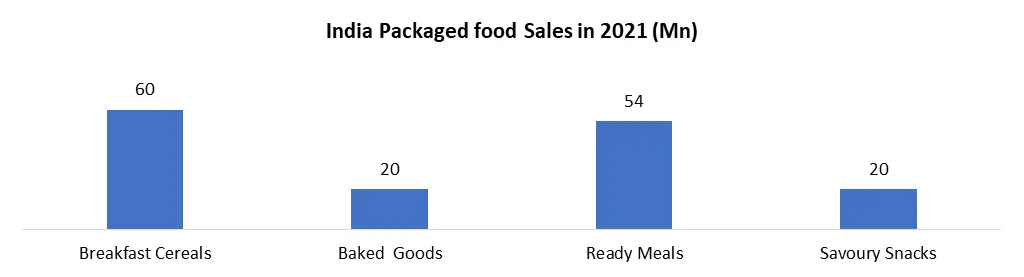
The breakfast cereal market is heavily influenced by the consumption habits of global consumers. Breakfast remains the primary occasion for consuming cereal, with a significant 79% of consumers across the typically enjoying it in the morning. Though, there is a growing trend of cereal being consumed as a snack throughout the day, presenting manufacturers with opportunities to enhance their messaging, flavors, and packaging provided for this occasion. Cereal is now being consumed as a snack in the morning almost 28%, afternoon nearly 25%), and evening approximately 19%), as well as during lunch and dinner. The breakfast cereal market has experienced a significant increase in consumption, with 23% of consumers globally having an increase in their cereal intake over the past year. More than half of these consumers attribute their increased consumption to health reasons, highlighting the growing importance of health-conscious choices in the market. Among the countries with the highest recent increases in cereal consumption, such as Vietnam 47%, India 39%, Saudi Arabia 36%, and Thailand 35%, most are located in Asia. This indicates a promising emerging opportunity for cereal manufacturers in this region.
Restrain
High Competition from Alternatives Limits the Breakfast Cereal Market growth
The breakfast cereal market encounters significant competition from alternative breakfast options, which restricts its growth potential. An example of this competition is the emergence of breakfast bars and on-the-go breakfast choices. Breakfast bars, such as granola bars, protein bars, and meal replacement bars, provide consumers with a convenient and portable breakfast solution. These bars often highlight health benefits such as high protein, fiber, and whole grains, appealing to individuals seeking quick and nutritious options for busy mornings. Also, many breakfast bars are marketed as low in added sugars and free from artificial ingredients, addressing concerns about the nutritional value of traditional breakfast cereals.
As breakfast bars and similar alternatives gain popularity, divert market share away from traditional breakfast cereals. Consumers choose these alternatives due to their perceived health benefits, convenience, and portability, thereby limiting the growth potential of the breakfast cereal market. Breakfast bars often occupy prominent shelf space in grocery stores and are aggressively marketed as part of a balanced breakfast. This increased visibility and marketing efforts contribute to the competition faced by traditional breakfast cereals. The breakfast cereal market faces stiff competition from alternative breakfast options such as smoothies and yogurt parfaits, particularly among health-conscious consumers. For instance, a study report of MMR found that 30% of consumers who had previously consumed breakfast cereals switched to yogurt-based breakfast options due to perceived health benefits.
Opportunities
Diversification Of Product Offerings Creates Lucrative Growth Opportunities for Breakfast Cereal Market Growth
The expansion of product offerings in the breakfast cereal market provides a strategic pathway for profitable growth. By increasing the variety of cereal options available, companies effectively provide to a wider range of consumer preferences and needs. This segmentation allows them to target different demographics, from health-conscious individuals looking for nutritious choices to those desiring indulgent flavors. Also, diversification enables companies to stay ahead of changing trends and promptly meet evolving consumer demands. Whether it involves introducing innovative ingredients, unique flavors, or functional benefits such as added vitamins, these initiatives help brands remain relevant and competitive. Likewise, limited edition and seasonal offerings generate excitement and attract consumers seeking novelty. Through cross-selling opportunities, companies leverage their diversified product portfolios to boost sales and revenue. The diversification not only fosters brand loyalty but also drives market share growth, positioning cereal companies for sustained growth in a dynamic and competitive Breakfast Cereal industry landscape.
The expansion of cereal manufacturers into the gluten-free segment to cater to consumers with dietary restrictions or preferences. For instance, Kellogg's, a leading player in the breakfast cereal market, recognized the growing demand for gluten-free options among consumers who have celiac disease or gluten sensitivity, as well as those who choose to follow a gluten-free diet for health reasons. In response to this trend, Kellogg's diversified its product portfolio by introducing gluten-free versions of popular cereals such as Rice Krispies and Special K.
Breakfast Cereal Market: Segment Analysis
Based on Product The ready-to-eat (RTE) segment dominated the product segment Breakfast Cereal Market in the year 2024. RTE cereals offer convenience and time efficiency, aligning with the fast-paced lifestyles of modern consumers. They provide a quick and hassle-free breakfast option without the need for cooking or preparation, which appeals to busy individuals and families. Ready-to-eat cereals boast a wide range of flavors and varieties, providing to diverse consumer preferences and taste profiles. This extensive selection enhances their popularity among consumers, ensuring widespread appeal across different demographics.
The RTE segment has witnessed significant innovation in terms of packaging and product formulations. This includes options with added nutritional benefits such as vitamins, minerals, and fiber. These innovations capitalize on the growing consumer demand for healthier breakfast choices, driving the segment's Breakfast Cereal Market growth.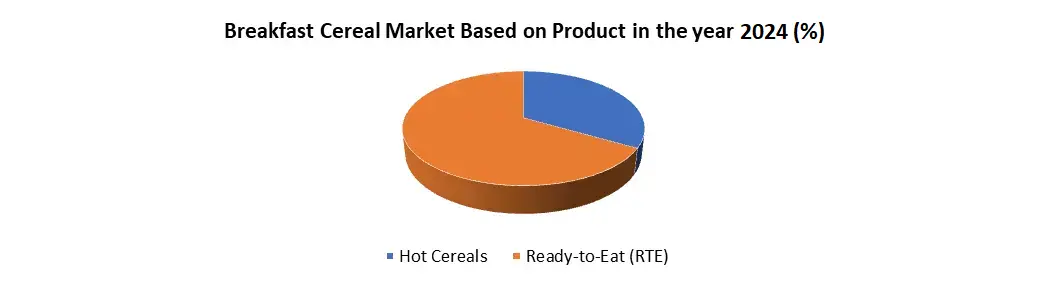
Breakfast Cereal Market Regional Analysis:
North America Dominated the Breakfast Cereal Market in the year 2024. This region boasts a strong cereal consumption culture, offering a wide array of brands and flavors. Key players in this market, such as Kellogg's, General Mills, and Post Consumer Brands, have consistently held a prominent position, thanks to their popular cereal brands like Frosted Flakes, Cheerios, and Fruity Pebbles. The convenience and quickness of cereal as a breakfast option have made it a favorite among North American consumers, contributing to its widespread popularity.
North American cereal companies have continuously led the way in terms of innovation, regularly introducing new flavors, packaging formats, and marketing strategies to stay ahead of the competition. Their extensive marketing and advertising campaigns, targeting both children and adults, have played an important role in establishing brand awareness and fostering loyalty. Additionally, the convenience and variety offered by breakfast cereals make them an ideal choice for busy North American consumers. With well-established distribution networks and a deep cultural connection, breakfast cereal has become a staple in North American breakfasts, symbolizing convenience, nostalgia, and comfort. In response to evolving health and nutrition trends, these companies have introduced healthier options provide to the preferences of health-conscious consumers. The dominance of North America in the breakfast cereal market is attributed to its rich history, relentless innovation, effective marketing strategies, convenience, and cultural significance.
Global Breakfast Cereal Market Scope: Inquire before buying
| Global Breakfast Cereal Market | |||
|---|---|---|---|
| Report Coverage | Details | ||
| Base Year: | 2024 | Forecast Period: | 2025-2032 |
| Historical Data: | 2019 to 2024 | Market Size in 2024: | USD 51.76 Bn. |
| Forecast Period 2025 to 2032 CAGR: | 5.2% | Market Size in 2032: | USD 77.64 Bn. |
| Segments Covered: | by Product | Ready-to-eat Hot Cereal |
|
| by Packaging Type | Boxes Pouches Others |
||
| by Source | Wheat Rice Oat Corn Barley Others |
||
| by Distribution Channel | Supermarket E-Commerce Convenience Store Others |
||
Global Breakfast Cereal Market, by Region
Asia Pacific (China, South Korea, Japan, India, Australia, Indonesia, Malaysia, Vietnam, Taiwan, Bangladesh, Pakistan and Rest of APAC)
Europe (UK, France, Germany, Italy, Spain, Sweden, Austria and Rest of Europe)
North America (United States, Canada and Mexico)
Middle East and Africa (South Africa, GCC, Egypt, Nigeria and Rest of ME&A)
South America (Brazil, Argentina Rest of South America)
Breakfast Cereal Market Key Players
North America
1. General Mills
2. Hometown Food Company
3. Purely Elizabeth
4. Above Food
5. WK Kellogg Co
6. Post Holdings
7. Kraft Heinz
8. Archar Daniels Midland
Europe
9. Nestlé
10. Dr. Oetker
11. Weetabix Food Company
12. Nairn's Oatcakes
13. Associated British Foods
14. Tasti Products Ltd.
15. Spoon Cereals
16. Sevenday Cereals International
17. Crespel & Deiters Group
18. W Jordan & Son (Silo)
APAC
19. Future Consumer
20. ITC Limited
21. Marico
22. San Miguel Pure Foods International
23. Bagrry's
ME
24. Almarai
South America
25. Grupo Bimbo
Frequently Asked Questions
1] What segments are covered in the Global Market report?
Ans. The segments covered in the Breakfast Cereal Market report are based on, Product, Packaging Type, Source, Distribution Channels, and Regions.
2] Which region is expected to hold the highest share of the Global Breakfast Cereal Market?
Ans. The North America region is expected to hold the highest share of the Breakfast Cereal Market.
3] What is the market size of the Global Breakfast Cereal Market by 2032?
Ans. The market size of the Breakfast Cereal Market by 2032 is expected to reach USD 77.64 Bn.
4] What was the Global Breakfast Cereal Market size in 2024?
Ans: The Global Breakfast Cereal Market size was USD 51.76 Billion in 2024.
5] Key players in the Breakfast Cereal Market.
Ans. Kellogg Company (USA), General Mills, Inc (USA), PepsiCo, Inc. (USA), Post Holdings, Inc. (USA) and The Kraft Heinz Company (USA)