
Toilet Tank Fitting Market Type, Size, Material, Sales Channel, End-Users, and Region – Global Market Size Estimation, Industry-Wide Analysis, Competitive Landscape Assessment & Long-Term Forecast to 2030
Overview
The Global Toilet Tank Fitting Market size was valued at USD 7.49 billion in 2023 and is expected to reach USD 11.56 billion by 2030, expanding at a compound annual growth rate (CAGR) of 6.4%.
Toilet Tank Fitting Market Overview:
Toilet tank fittings incorporate the various components within a toilet's water tank responsible for regulating water flow, flushing mechanisms, and ensuring the toilet's proper operation. These tanks are increasingly used to manage water levels, control the flushing action, and maintain the toilet's operational efficiency and performance. The surge in construction and infrastructure development globally is increasing the demand for toiled tank fitting all across the world. As a result, increasing demand for toiled tank fitting contributed significantly to the toilet tank fitting market growth. As residential, commercial, and industrial spaces undergo renovations or new constructions, the need for upgraded and efficient plumbing fixtures, including toilet tank fittings, and rapid significantly.
Moreover, the growing emphasis on sustainability and water conservation drives the demand for water-efficient fittings, thereby benefiting the toilet tank fitting market growth. Increased awareness of environmental issues prompts consumers and businesses to opt for modernized fittings that optimize water usage, reduce wastage, and adhere to water-saving standards and regulations. Additionally, technological advancements play a pivotal role in driving demand. Innovations such as smart or sensor-based fittings offering features like touchless operation, water-saving mechanisms, and IoT capabilities align with consumer preferences for convenience, hygiene, and efficiency.
In addition, Construction activities across residential, commercial, and industrial sectors necessitate the installation of modern and efficient plumbing fixtures, stimulating demand for contemporary toilet tank fittings. The growing adoption of sustainability practices and water-saving initiatives further drive the toilet tank fitting market size, compelling manufacturers to develop eco-friendly fittings that comply with regulations. Technological innovations, particularly in smart fittings, revolutionize the toilet tank fitting industry landscape, offering cutting-edge solutions that resonate with consumer preferences for convenience and efficiency.
The evolving demand for toilet tank fittings shapes industry trends, encouraging manufacturers to invest in research and development to meet the evolving needs of consumers and regulations. This demand also prompts strategic partnerships and collaborations within the plumbing sector, fostering innovation and product diversification. Companies are investing in research and development to introduce water-saving technologies, such as dual-flush systems and adjustable fill valves, which help reduce water consumption without compromising on flushing efficiency.
For instance, In December 2023, Kohler, a leading manufacturer of toilets and bathroom fixtures, introduced a new line of water-saving toilet tank fittings. The new fittings are designed to use up to 60% less water than traditional models, making them a more sustainable option for consumers. As a result, the Toilet Tank Fitting Market experiences a shift towards producing technologically advanced, durable, and water-efficient fittings, catering to the evolving demands of modern consumers, businesses, and sustainability initiatives, thereby driving the toilet tank fitting market growth.
 To know about the Research Methodology :- Request Free Sample Report
Toilet Tank Fitting Market Dynamics:
Smart Integration and Sustainability: Key Trends In The Toilet Tank Fitting Market
Smart integration and sustainability is expected to be the major trend in the Toilet Tank Fitting Market, driving innovation and growth across the globe. Smart integration includes the infusion of technology into toilet tank fittings, offering features such as sensor-based operation, touchless mechanisms, and water-saving functionalities. These smart fittings enable automated flushing, leak detection, and precise water usage, aligning with the growing demand for convenience, hygiene, and resource conservation. Sustainability, on the other hand, emphasizes eco-friendly materials, water-efficient designs, and durability, aligning with global efforts towards environmental conservation and reduced water consumption.
The integration of smart technology into toilet tank fittings reflects an industry-wide shift towards innovative solutions tailored for modern consumers. The rise in consumer preferences for convenience and efficiency drives the adoption of smart fittings, especially in developed nations like the United States, Germany, and Japan. These countries prioritize technological advancements and sustainability, contributing to a higher demand for smart and eco-friendly toilet tank fittings. Moreover, government regulations mandating water-saving measures further propel the adoption of such smart and sustainable fittings, positively impacting the toilet tank fitting market growth.
This trend significantly influences the Toilet Tank Fitting Market by fostering innovation, product diversification, and market competitiveness. Manufacturers focus on developing cutting-edge fittings equipped with sensors, Wi-Fi connectivity, and IoT capabilities, offering real-time monitoring and control. These smart fittings not only enhance user experience but also reduce water wastage through precise water usage and leak detection features, aligning with sustainability goals. Additionally, the emphasis on sustainability prompts manufacturers to employ eco-friendly materials, improve product durability, and optimize water usage, resonating with environmentally conscious consumers.
The impact of smart integration and sustainability in the Toilet Tank Fitting Market extends beyond product innovation. It affects the entire market ecosystem by stimulating research and development investments, fostering collaborations between technology firms and plumbing manufacturers, and driving toilet tank fitting industry competitiveness. As smart fittings gain traction, particularly in urban areas and premium residential/commercial spaces, manufacturers adapt their strategies, aligning production with the demand for technologically advanced and environmentally sustainable products. This trend fuels the toilet tank fitting market, enabling companies to cater to evolving consumer preferences and regulatory requirements while reinforcing the industry's commitment to technological innovation and environmental responsibility.
Rapid Urbanization And Infrastructural Developments
Rapid urbanization and infrastructure development all across the world is expected to be the major factor increasing the demand for modernized plumbing solutions, notably efficient toilet tank fittings, on a global scale. Urbanization, marked by the increasing migration of populations from rural to urban areas, triggers the need for enhanced residential and commercial spaces. The burgeoning urban populations require upgraded infrastructure, prompting the construction of new buildings and the renovation of existing structures. This surge in construction activities fuels the demand for contemporary plumbing fixtures, specifically water-saving toilet tank fittings, as cities aim for sustainable and resource-efficient solutions to meet the needs of their expanding populations. The impact of rapid urbanization and infrastructure development on the Toilet Tank Fitting Market is substantial.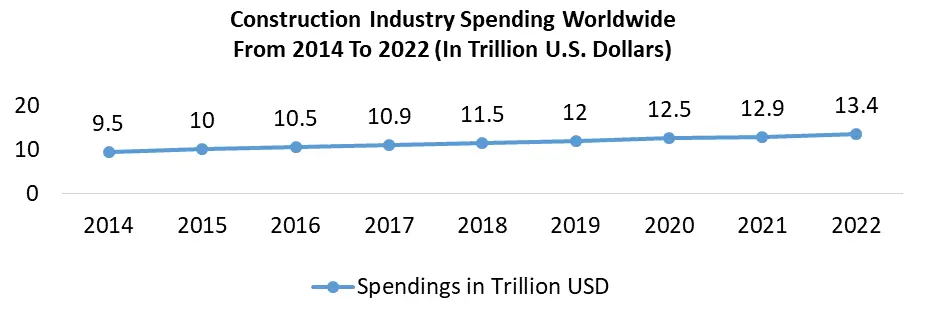 The growing global urban population leads to increased construction and development projects across residential, commercial, and industrial sectors. This surge in construction activities necessitates the installation of modern and efficient plumbing fixtures, including toilet tank fittings that comply with water-saving standards. This factor is further expected to boost the toilet tank fitting market growth. As cities strive for sustainable growth and environmental conservation, regulations and building codes often mandate the use of water-efficient fittings. As a result, manufacturers and suppliers respond by innovating and offering fittings designed to optimize water usage, reduce wastage, and align with eco-friendly practices.
The demand for contemporary, water-saving toilet tank fittings in urban spaces continues to rise, influencing the toilet tank fitting industry trends and encouraging manufacturers to invest in research and development to meet the evolving needs of urban infrastructure development and sustainability goals. Thus, the toilet tank fitting market witnessed a shift toward the production of technologically advanced, durable, and resource-efficient fittings tailored for modern urban settings, catering to the demand for sustainable plumbing solutions amidst rapid urban growth.
High Cost of Replacement Parts
The high cost of replacement parts is a significant factor restraining the toilet tank fitting market further impacting its growth and consumer adoption. Often, the need for replacement parts arises due to wear and tear, damages, or malfunctioning components within the toilet tank fittings. However, the prices of these replacement parts, such as valves, flappers, seals, or flushing mechanisms, tend to be relatively high. Consumers, both residential and commercial, might find the cost of these individual components prohibitive, especially considering that these parts might require frequent replacement or maintenance over time.
Additionally, the lack of standardized parts across different models or brands of toilet tank fittings contributes to increased costs as consumers might face challenges in finding compatible and affordable replacement components. This high-cost factor creates a barrier, deterring consumers from investing in modernized or advanced fittings, impacting the toilet tank fitting market's potential growth and adoption of more sustainable, efficient solutions. Manufacturers and suppliers might need to address this concern by focusing on producing cost-effective replacement parts or standardizing components to mitigate this restraint and encourage wider consumer acceptance of modern toilet tank fittings.
Toilet Tank Fitting Market Segment Analysis:
Based on the End-Users, the Commercial segment held the largest market share of 56.42% and dominated the global toiled tank fitting market in 2023. The segment is further expected to grow at a CAGR of 5.21% during the forecast period. This growth is attributed to the increasing demand for hotels, restaurants, offices, etc. The rapid increase in commercial construction activities all across the world is further expected to contribute to the segment's revenue share. As more commercial spaces, including office buildings, hotels, shopping complexes, and public facilities, undergo construction or renovation, the need for modern and efficient plumbing fixtures, including Toilet Tank Fittings, intensifies.
Moreover, stringent regulations and increased focus on water conservation play a pivotal role in driving the demand for toilet tank fitting, eventually supporting the toilet tank fitting market growth. Commercial establishments are increasingly inclined towards adopting water-saving and sustainable plumbing solutions to minimize water wastage and reduce operational costs. This heightened emphasis on environmental sustainability drives the adoption of efficient Toilet Tank Fittings equipped with water-saving mechanisms, enhancing their appeal within the commercial sector. As a result, the increasing demand further drives growth and innovation. Manufacturers and suppliers respond by developing and offering technologically advanced fittings that meet the specific requirements of commercial spaces.
Water-efficient and durable fittings designed for high-traffic areas become imperative to cater to the demands of commercial establishments seeking to optimize resource utilization while ensuring functionality and durability. The toilet tank fitting market is experiencing an evolution towards fittings that offer not only water-saving features but also easy maintenance, robustness, and compatibility with diverse commercial infrastructures. This shift prompts investments in research and development, resulting in the introduction of innovative products that meet the stringent standards and demands of the commercial sector.

Additionally, the commercial segment's increased demand for Toilet Tank Fittings generates a ripple effect across the supply chain. Suppliers and manufacturers ramp up production to meet the rising commercial requirements, fostering competition and innovation. The toilet tank fitting market witnessed a surge in strategic partnerships, collaborations, and expansions to cater to the escalating demand within the commercial sphere, further increasing the competitive rivalry in the toilet tank fitting industry. Moreover, the increased adoption of smart technologies, such as sensor-based or touchless fittings, to enhance hygiene and convenience in commercial spaces further propels toiled tank fitting industry growth, driving advancements and diversification in Toilet Tank Fitting offerings tailored specifically for the commercial segment's needs.
The industrial segment is expected to grow at a significant CAGR and offer lucrative growth opportunities for toilet tank fitting providers during the forecast period. The expansion of manufacturing facilities, warehouses, and industrial complexes supports the segment growth. The growth of industrial infrastructures prompts a heightened need for efficient plumbing solutions, including robust and water-saving fittings. Factors like stringent regulations emphasizing water conservation and the pursuit of cost-effective and durable plumbing fixtures drive this demand surge. As a result, manufacturers respond by developing specialized fittings tailored for industrial settings, fostering the toilet tank fitting market growth and innovation to meet the specific demands of the industrial segment.
However, the Residential segment is expected to witness a moderate growth rate during the forecast period. The upsurge in demand for Toilet Tank Fittings within the residential segment is driven by factors like increasing housing construction and renovations. Residential spaces seek modern, efficient plumbing fixtures, driving the need for durable and water-saving fittings. Factors such as consumer preferences for contemporary bathroom fixtures, a focus on water conservation, and the desire for aesthetically pleasing yet functional fittings significantly influence this demand. Manufacturers respond by developing user-friendly, eco-friendly fittings, catering to residential preferences while driving the toilet tank fitting market growth and innovation to meet the evolving demands of the residential segment.
Toilet Tank Fitting Market Regional Insights:
North America led the global toiled tank fitting market with the highest revenue share of 39.7% in 2023. The growth is attributed to the robust construction and renovation activities in residential and commercial sectors. The market is expected to grow at a significant CAGR during the forecast period. Key players in this region focus on providing innovative and water-efficient solutions to meet the strict regulatory standards for water conservation. The residential segment dominates the market, accounting for a share of approximately 34%, followed by the commercial segment with a share of around 27%. Increasing consumer awareness regarding water-saving fixtures and the rising adoption of smart home technologies contribute to the toilet tank fitting market growth in North America.
Europe's toilet tank fitting market experienced steady growth during the forecast period, owing to the region's high standards of construction and focus on sustainable building practices. In addition, increasing awareness of water conservation measures and the adoption of sustainable plumbing solutions are further boosting the toilet tank fitting industry's growth. Brass and stainless-steel fittings are preferred due to their durability and design aesthetics. Countries such as Germany, the UK, and France are major contributors to the Europe toilet tank fitting market growth. Additionally, the growing trend of bathroom renovations and remodeling activities further fuels the demand for toilet tank fittings in Europe. Technological advancements offering water-saving mechanisms and easy-to-install fittings are further stimulating market growth across the European region.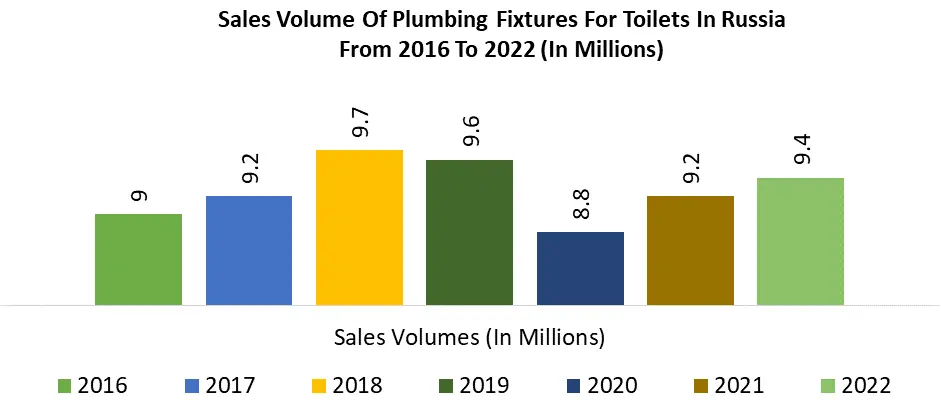 In addition, rapid urbanization, infrastructure development, increasing disposable incomes, and a rapidly growing construction industry across countries like China, India, and Southeast Asian Countries in the Asia-Pacific region boost the toilet tank fitting market growth. Moreover, the growing awareness of water conservation practices and the adoption of modern bathroom fixtures amplify the market's expansion. Countries like China, India, and Japan are the major contributors to the region's market growth. The rising adoption of modern sanitary ware and the demand for water-efficient fittings in the region are key factors driving toilet tank fitting industry growth during the forecast period.
Besides that, according to the MMR analysis, the South American toilet tank fitting industry witnessed a steady growth rate during the forecast period. This is due to the region's growing construction industry and increasing awareness of water conservation. Plastic fittings hold a significant share in the market, driven by their affordability and easy installation. Residential construction projects contribute to the majority of the market demand, with a share of approximately 37%. Brazil, Mexico, and Argentina are the leading countries in terms of market size. The demand for modern and aesthetically pleasing bathroom fixtures, coupled with the focus on water-saving solutions, fuels the toilet tank fitting industry growth in South America during the forecast period.
However, the Middle East and Africa's toilet tank fitting market is experiencing substantial growth driven by rapid urbanization, infrastructure development, and increased investment in commercial and residential projects. In addition, increasing tourism is also expected to be the key factor driving the toilet tank fitting industry growth in the MEA region. Major countries such as the UAE, Saudi Arabia, and South Africa contribute significantly to the market growth. The demand for modern and water-efficient toilet tank fittings, coupled with the region's focus on sustainable construction practices, propels the market's growth in the Middle East and Africa.
In addition, the increasing emphasis on revamping residential and commercial spaces, coupled with a growing consciousness regarding water conservation practices, contributes significantly to the MEA toiled tank fitting market size. These countries exhibit substantial demand owing to rapid urbanization, infrastructural advancements, and a concerted effort towards embracing sustainable plumbing solutions, thereby accentuating the need for efficient water management practices and contemporary bathroom fixtures.
Toilet Tank Fitting Market Scope: Inquiry Before Buying
| Toilet Tank Fitting Market | |||
|---|---|---|---|
| Report Coverage | Details | ||
| Base Year: | 2023 | Forecast Period: | 2024-2030 |
| Historical Data: | 2018 to 2023 | Market Size in 2023: | USD 7.49 Bn. |
| Forecast Period 2024 to 2030 CAGR: | 6.4% | Market Size in 2030: | USD 11.56 Bn. |
| Segments Covered: | by Type | Fill Valve Flush Valve Push Button & Lever Others |
|
| by Size | 5 inch inches Inch |
||
| by Material | Plastic Brass Stainless steel Others |
||
| by Sales Channel | Hardware Stores Online Retail Others |
||
| by End-Users | Residential Commercial Industrial |
||
Toilet Tank Fitting Market, by Region
North America: United States, Canada, Mexico
Europe: Germany, United Kingdom, France, Italy, Spain, Russia
Asia Pacific: China, Japan, India, South Korea, Australia, Indonesia, Thailand
Middle East & Africa: Saudi Arabia, United Arab Emirates, South Africa, Egypt, Nigeria
South America: Brazil, Argentina, Colombia
Toilet Tank Fitting Key Players
These key toilet tank fitting manufacturers in the market are widely acknowledged for their industry expertise, continuous product innovation, and unwavering commitment to meeting the unique demands of their respective regions.
North America:
1.Fluidmaster - United States
2. Kohler Co. - United States
3. American Standard Brands - United States
4. Jacuzzi Brands LLC - United States
5.Sloan Valve Company - United States
Europe:
1.Geberit AG - Switzerland
2. Roca Sanitario S.A. - Spain
3.Ideal Standard International - Belgium
4. Duravit AG - Germany
5. Villeroy & Boch AG - Germany
6. Sanitec Corporation - Finland
Asia-Pacific:
1. TOTO Ltd. - Japan
2.Caroma Industries Limited - Australia
3. Plastindia International Pvt. Ltd. - India
4. CERA Sanitaryware Limited - India
5. Ideal Sanitaryware - India
Latin America:
1.Corona - Colombia
2.Deca - Brazil
3. Incepa - Brazil
4. Hidromex - Mexico
5. FV - Argentina
6. Middle East and Africa:
7. Lecico - Egypt
8. Ideal Standard MENA - Egypt
9. RAK Ceramics - United Arab Emirates
10. Al-Mir Rubber - Saudi Arabia
FAQ
1: What is the current market size and growth rate of the toilet tank fitting market?
Ans: As of 2023, the global toilet tank fitting market was valued at USD 7.49 billion. It is projected to reach USD 11.56 billion by 2030, exhibiting a compound annual growth rate (CAGR) of 6.4 percent. This growth can be attributed to increasing adoption of water-saving technologies and the need for efficient water management in residential and commercial sectors.
2: How are toilet tank fitting manufacturers addressing sustainability in the market?
Ans: Toilet tank fitting manufacturers are actively focusing on sustainability by introducing water-saving technologies and eco-friendly solutions. They are investing in research and development to develop fittings that offer improved performance, durability, and water efficiency. Dual-flush systems and adjustable fill valves are being implemented to reduce water consumption without compromising flushing efficiency.
3: What are the key trends driving the toilet tank fitting market?
Ans: The key trends driving the toilet tank fitting market include smart integration and sustainability. Smart integration involves incorporating advanced technologies like motion sensors, touchless flushing, and remote-control functionality to enhance convenience and hygiene. Sustainability is another important trend, with manufacturers focusing on eco-friendly solutions, water-saving technologies, and energy-efficient manufacturing processes.
4: What are the challenges faced by the toilet tank fitting manufacturers?
Ans: The toilet tank fitting market faces challenges such as technological limitations, regulatory constraints, established competition, limited consumer awareness, and infrastructure limitations. Technological limitations can hinder the adoption of advanced features, while regulatory constraints add complexity to product development and distribution