
Programmable Logic Controller Market - Industry Structure Evaluation, Demand Drivers Analysis, Growth Analysis and Identification, Competitive Positioning Review & Market Size Forecast to 2032
Overview
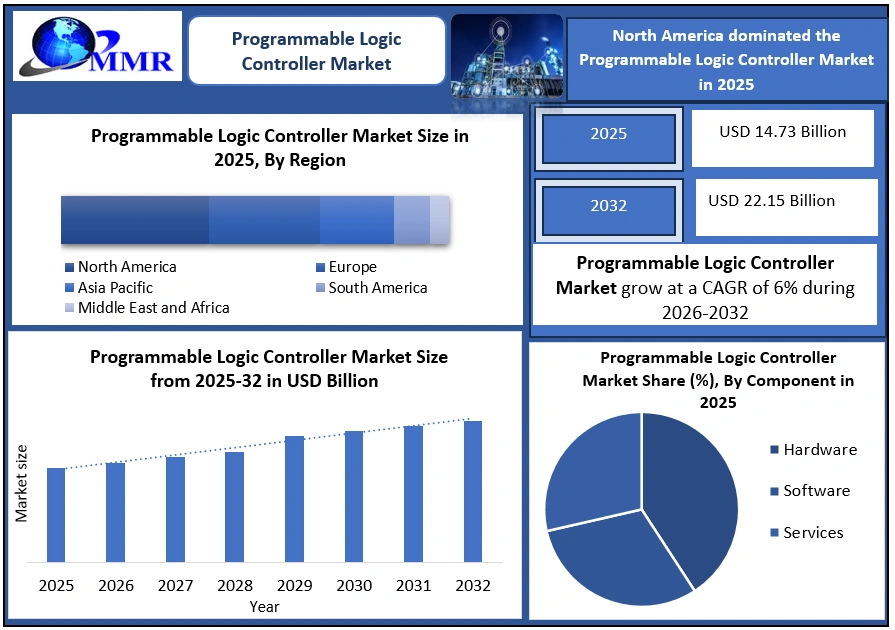
The Programmable Logic Controller Market Size was valued at USD 14.73 Billion in 2025, and the total revenue is expected to grow at a CAGR of 6% from 2026 to 2032, reaching USD 22.15 Billion by 2032
Programmable Logic Controller Market Overview:
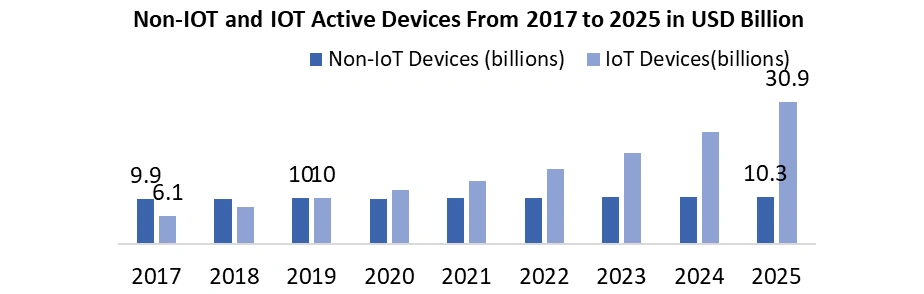
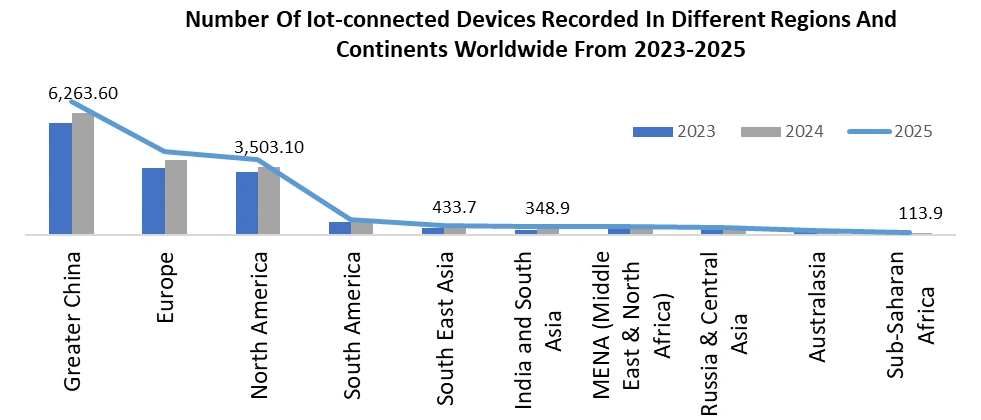
Programmable Logic Controllers (PLCs) were the backbone of industrial automation, providing precise control and monitoring of machinery and processes, with real-time capabilities crucial for ensuring operational efficiency and reliability. The Internet of Things (IoT) market size was valued at USD 1.3 trillion in 2025, driving transformative changes across various sectors. IoT fostered connectivity between devices, sensors, and systems, enabling data-driven decision-making and automation. In North America, IoT technologies were widely adopted, particularly in industries such as manufacturing, healthcare, transportation, and the development of smart cities. The integration of PLCs with IoT created a seamless communication infrastructure between machines and systems, ushering in a new era of automation and data-centric insights.
 To know about the Research Methodology :- Request Free Sample Report
Key Highlights in the Programmable Logic Controller Market
• Programmable Logic Controllers Market Growth Analysis: The PLC market growth drivers and trends highlight the increasing demand for smart PLC systems and PLC integration with IoT across industries like automotive, manufacturing, and energy, contributing to efficiency gains and predictive maintenance.
• Programmable Logic Controllers Adoption in Smart Factories: Cloud-enabled PLC solutions for Industry 4.0 are transforming smart factories by enabling remote monitoring, AI integration, and predictive analytics, making PLCs more scalable and flexible to meet evolving production demands.
• Manufacturing IoT Adoption: With 70% of manufacturers using IoT automation, PLCs are key for predictive maintenance and process optimisation.
• Transportation & IoT: 25% annual growth in IoT adoption in transportation in 2025 to boost PLC use in smart traffic systems and vehicle management.
• Healthcare IoT Adoption: 49% of healthcare organisations using IoT technologies rely on PLCs for controlling medical devices and monitoring systems.
• Energy Efficiency: Over 40 million IoT-enabled smart meters are expected to integrate PLCs in real-time energy management.
• Growth in Manufacturing: IoT-driven manufacturing productivity expected to increase by 18-25% by 2032, with PLCs playing a key role in smart automation systems.
 Industry Adoption in Programmable Logic Controller Market:
Manufacturing Sector: According to the MMR analysis, over 70% of manufacturers in North America and Europe had adopted IoT-integrated PLC solutions in 2025, driving 24/7 automated operations and real-time monitoring in assembly lines, robotics, and predictive maintenance. This trend aligns with PLC market growth drivers and trends, as industries increasingly embrace industrial automation PLC solutions for enhanced productivity and efficiency.
Energy: The energy sector is rapidly adopting PLC solutions for smart grid management, where PLC systems monitor and control energy distribution in real-time, contributing to energy savings of 15-25% in grid operations. This reflects the growing demand for Cloud-enabled PLC solutions for Industry 4.0, which enable predictive maintenance and remote monitoring capabilities that enhance efficiency in energy systems.
Transportation & Logistics: 45% of global PLC installations in 2025 are now in the transportation sector, optimising traffic control systems, vehicle tracking, and logistics automation. The integration of PLC devices and IoT solutions is significantly improving the efficiency of transportation management and predictive maintenance, driving PLC adoption in smart factories and smart city infrastructure.
Programmable Logic Controller Market Restraints:
High Upfront Investment in PLC Systems: Key Restraint in the Industrial Automation Market, Affecting SMEs and Driving Costs for Hardware, Software, and Integration"
The primary restraint in the Programmable Logic Controller (PLC) market are the high upfront investment required for deployment, which acts as a significant barrier to entry, particularly for small and medium-sized enterprises (SMEs). Procurement of PLC systems are a major economic decision for businesses, especially when scaling industrial automation solutions. However, this growth is tempered by cost concerns tied to initial deployment, particularly in automation systems and IIoT solutions. The comprehensive automation systems with advanced PLC solutions, sensor networks, and integration services can run into high five-figure or six-figure totals before ROI is realized.
This high initial investment in PLC systems and industrial automation solutions is a key consideration for companies looking to transition to smart manufacturing or Industry 4.0 technologies. Cost-effective PLC solutions and predictive maintenance systems are becoming crucial in overcoming these barriers and expanding PLC market penetration.
Programmable Logic Controller Cost Breakdown Analysis 2025 in USD.
| Component/Cost | Cost Range (USD) |
| Entry-level PLC Controllers (e.g., Siemens S7-1200) | XX to 2,500 |
| Advanced PLC Controllers (e.g., Siemens S7-1500) | 3,000 to 10,000+ |
| Installation & Integration Costs | XX to XX |
| Human-Machine Interfaces (HMIs) | 500 to 2,000 |
| I/O Modules | XX to XX |
Programmable Logic Controller Market Segment Analysis:
By Type
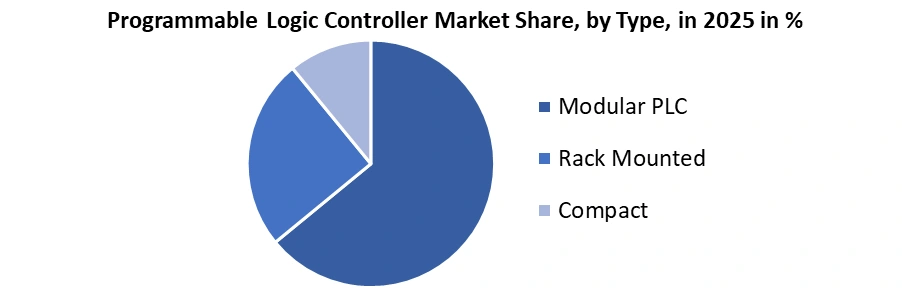
Modular PLC: Modular PLC systems held the largest share in the Programmable Logic Controller Market in 2025, maintaining leadership due to their scalability, flexibility, and ability to manage complex processes across various industries. They are widely used in industrial automation PLC applications where modularity is critical for process control, particularly in biotech and pharmaceutical industries where compliance and high throughput are essential.
Compact PLC: The compact PLC segment is the fastest-growing segment in 2025, driven by demand from small and medium-sized enterprises (SMEs) and applications with space constraints. As industries move toward smart factories, compact PLCs become crucial for cost-effective automation solutions, especially in industries like automotive and food & beverage.
 By End-Use Industry
Automotive Industry: The automotive industry held the largest market share in the Programmable Logic Controller Market in 2025 for PLC adoption, especially as smart manufacturing and robotics integration increase. PLC solutions in automotive manufacturing drive automation efficiency, reducing human error and improving throughput. The adoption of cloud-enabled PLC solutions for Industry 4.0 is set to further transform the industry by enabling more precise predictive maintenance and integration with AI and IoT solutions.
Pharmaceutical & Biotech: Pharmaceuticals and biotech applications were the fastest-growing segment in 2025 in the PLC market, particularly due to regulatory requirements that demand real-time monitoring, data integrity, and automation compliance.
Programmable Logic Controller Market Regional Analysis:
North America held the largest Programmable Logic Controller (PLC) market share in 2025, primarily driven by advanced manufacturing technologies, increasing adoption of automation systems, and significant investments in smart factory initiatives. The United States is expected to led the region due to its large industrial base and continuous demand for robotics, automation, and industrial IoT solutions. Additionally, North America is witnessing rapid growth in the energy and automotive sectors, which increasingly rely on PLC systems for enhanced operational efficiency and predictive maintenance.
Recent Developments:
• CODESYS: In June 2024, CODESYS launched the CODESYS Virtual Control SL, a virtual PLC solution that allows users to operate an ISO 61508 SIL3-certified controller without requiring certified hardware. This development underscores the growing PLC technology advancements in cloud-based, scalable systems for predictive maintenance and real-time monitoring, showcasing the future of smart PLC systems in industrial automation.
• Phoenix Contact: At SPS 2024 in November 2024, Phoenix Contact unveiled the Virtual PLCnext Control, an Open Container Initiative (OCI)-based offering. This solution delivers the same functionality, operating capabilities, and programming options as its hardware-specific PLCnext Control soft PLC, advancing the trend toward modular PLCs and compact PLC solutions.
 • Siemens: In April 2023, Siemens launched the SIMATIC S7-1500V, a virtual PLC (vPLC) designed to run within a Docker container. The vPLC enables users to operate on existing or generic hardware while maintaining the functions and performance of the traditional SIMATIC S7-1500 PLC. This development marks a significant step towards PLC integration with AI and predictive maintenance systems, offering enhanced automation and control for industries transitioning to Industry 4.0.
Shares of Programmable Logic Controller Market Manufacturers, By Country
| Country | Share (%) |
| United States of America | <50% |
| China | XX.2% |
| Taiwan | 11.1% |
| Singapore | XX.04% |
Programmable Logic Controller Market Scope: Inquire before buying
| Global Programmable Logic Controller Market | |||
|---|---|---|---|
| Report Coverage | Details | ||
| Base Year: | 2025 | Forecast Period: | 2026-2032 |
| Historical Data: | 2020 to 2025 | Market Size in 2025: | USD 14.73 Bn. |
| Forecast Period 2026 to 2032 CAGR: | 6% | Market Size in 2032: | USD 22.15 Bn. |
| Segments Covered: | by Type | Modular Rack Mounted Compact |
|
| by Product Type | Nano PLC Micro PLC Small PLC Medium PLC Large PLC |
||
| by Component | Hardware CPU Memory Module Power Supply Unit Communication Module Others (Input/Output Module, HMI, etc.) Software Services |
||
| by End-Use Industry | Automotive Food and Beverage Chemical and Petrochemical Oil and Gas Energy and Utilities Water and Wastewater Treatment Pharmaceutical Pulp and Paper Metals and Mining Others |
||
Programmable Logic Controller Market, by Region
North America (United States, Canada, and Mexico)
Europe (UK, France, Germany, Italy, Spain, Sweden, Austria, and the Rest of Europe)
Asia Pacific (China, South Korea, Japan, India, Australia, ASEAN, and the Rest of APAC)
Middle East & Africa (South Africa, GCC, Nigeria, Rest of ME&A)
South America (Brazil, Argentina Rest of South America)
Programmable Logic Controller Market, Key Players
1. Shenyang Vhandy Technology Co., Ltd.
2. Siemens AG
3. Schneider Electric
4. Rockwell Automation
5. Mitsubishi Electric
6. Omron Corporation
7. Beckhoff Automation
8. Panasonic Corporation
9. ABB
10. Honeywell International Inc.
11. Eaton Corporation
12. Yokogawa Electric Corporation
13. Keyence Corporation
14. Hitachi Ltd.
15. Bosch Rexroth AG
16. Delta Electronics
17. B&R Industrial Automation
18. Festo AG & Co.
19. Emerson Electric Co.
20. KUKA Robotics
21. WAGO Kontakttechnik GmbH & Co. KG
22. National Instruments Corporation
23. Toshiba Corporation
24. Inovance Technology
25. Fuji Electric Co.
26. HMS Networks
27. Digi International
28. Phoenix Contact
29. IDEC Corporation
FAQ
1. What are the growth drivers for the Programmable Logic Controller (PLC) Market?
Answer: The growth of the PLC Market is driven by the rapid adoption of automation across industries such as manufacturing, automotive, oil & gas, and energy. The increasing need for industrial automation solutions, smart factories, predictive maintenance, and the integration of IIoT (Industrial Internet of Things) are also key drivers.
2. What are the major restraints for the growth of the PLC Market?
Answer: The major restraints affecting the PLC Market include the high initial investment for hardware, software, installation, and integration, which can pose a challenge, particularly for small and medium-sized enterprises (SMEs).
3. Which region is expected to lead the global PLC Market during the forecast period?
Answer: North America is expected to lead the global PLC Market during the forecast period due to its advanced industrial automation infrastructure, high adoption of Industry 4.0 technologies, and significant demand from sectors such as automotive, energy, and pharmaceuticals. The U.S. is one of the largest markets for PLC solutions, driven by technological innovation, a well-established manufacturing base, and a high number of smart factory initiatives.
4. What is the projected market size and growth rate of the PLC Market?
Answer: The PLC Market was valued at approximately USD 14.73 billion in 2025 and is projected to grow at a CAGR of 6% from 2025 to 2032, reaching an estimated USD 22.15 billion by 2032.
5. What segments are covered in the PLC Market report?
Answer: The PLC Market report covers the following key segments: By Type, Product, Component, End-Use Industry, and Region