
Organic Baby Food Market - Industry Structure Evaluation, Demand Drivers Analysis, Regional Growth Analysis and Identification, Competitive Positioning Review & Global Market Size Forecast to 2032
Overview
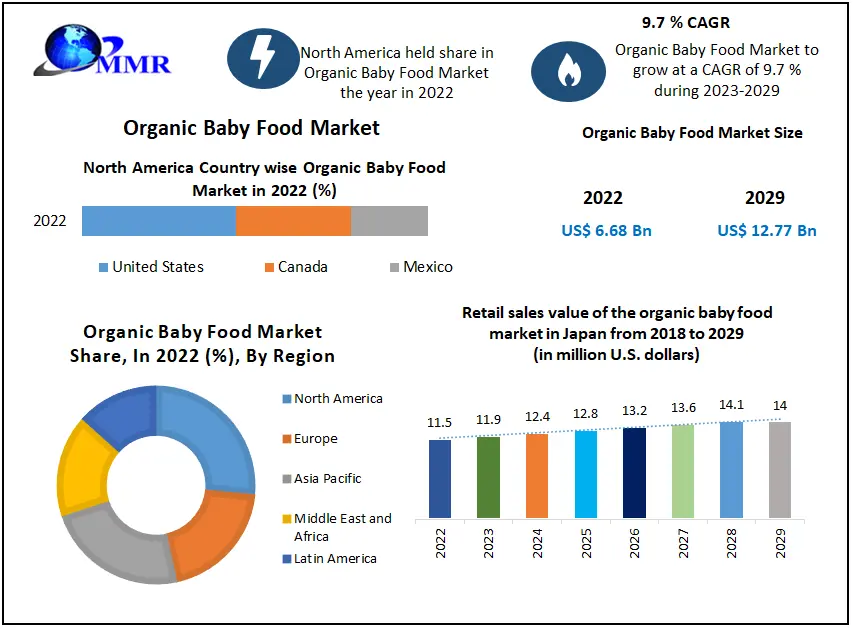
The Organic Baby Food Market size was valued at USD 8.77 Bn in 2025 and market revenue is growing at a CAGR of 9.07% from 2026 to 2032, reaching nearly USD 16.1 Bn during the forecast period.
Organic Baby Food Market
The global organic baby food market has experienced significant growth, reflecting a shift in consumer preferences towards healthier and more sustainable options for their children. The market boasts a diverse array of products, spanning organic infant formula, baby cereals, snacks, and purees. As an escalating number of parents embrace organic alternatives, the market stands at the threshold of sustained growth. Also, the growing awareness among parents regarding the significance of offering wholesome and chemical-free nutrition to their infant’s development further boosts the market's growth. Against the backdrop of a global health crisis, a study by MMR highlights alarming rates of malnutrition among children under 5, emphasizing the urgent need for a comprehensive approach to reshape food systems and prioritize children's nutrition. This crisis, marked by the triple burden of undernutrition, hidden hunger, and overweight affecting millions, is primarily rooted in poor-quality diets.
 To know about the Research Methodology :- Request Free Sample Report
Organic Baby Food Market Dynamics
Growing Awareness and Sustainable Choices in Infant Nutrition Boosts the Organic Baby Food Market Growth
The organic baby food market is experiencing growth driven by a surge in awareness and demand for healthier and sustainable choices in infant nutrition. Parents and caregivers are increasingly recognizing the importance of nutrition during the critical early stages of a child's life, boosting the market forward. The escalating rates of childhood malnutrition, as evidenced by the triple burden of undernutrition, hidden hunger, and overweight among children under 5, have heightened the global consciousness around the importance of providing optimal nutrition. In light of this crisis, consumers are proactively exploring alternatives that resonate with their aspirations for their child's well-being. This inclination is important to the increasing favorability of organic baby foods, regarded as a healthier and safer choice. The market gains momentum from a broader societal transition towards sustainable and ethical consumption. Parents are progressively embracing environmental consciousness, and this mindfulness extends to the dietary decisions they make for their little ones. The focus on locally sourced organic products signifies a commitment to diminishing the ecological impact linked to food production, promoting a lifestyle that is more sustainable and eco-friendly. The Organic Baby food market's growth is also attributed to the proven nutritional benefits observed in infants consuming organic options.
High costs and short shelf life of organic food to hamper the market
The organic baby food market faces challenges attributed to the elevated costs and limited shelf life associated with organic products. Despite the increasing demand from consumers for organic baby food, the substantial economic and logistical obstacles present formidable barriers to consistent market growth. The production of organic baby food necessitates strict adherence to organic farming practices, leading to higher costs compared to conventional methods. This involves the use of specialized techniques, organic fertilizers, and the avoidance of synthetic pesticides and genetically modified organisms. These factors contribute to elevated production expenses that are inevitably passed on to consumers. Therefore, the premium pricing of organic baby food dissuades cost-conscious parents from choosing these products over more affordable conventional alternatives. Also, the short shelf life of organic baby food presents a logistical challenge for both manufacturers as well as retailers. Organic products typically lack the synthetic preservatives commonly found in conventional counterparts. This absence of preservatives makes organic baby food more susceptible to spoilage and bacterial contamination, necessitating stringent storage and transportation conditions. The need for quick turnover further complicates supply chain management and increases the risk of product wastage, posing financial challenges for producers. The high costs and short shelf life may limit the accessibility of organic baby food to a niche market, potentially excluding a significant portion of consumers with more budgetary constraints. The overall market reach and penetration are constrained, hindering the industry's potential for widespread adoption.
Market Growth Opportunity
The government initiatives related to organic baby food create lucrative growth opportunities for the Market Growth
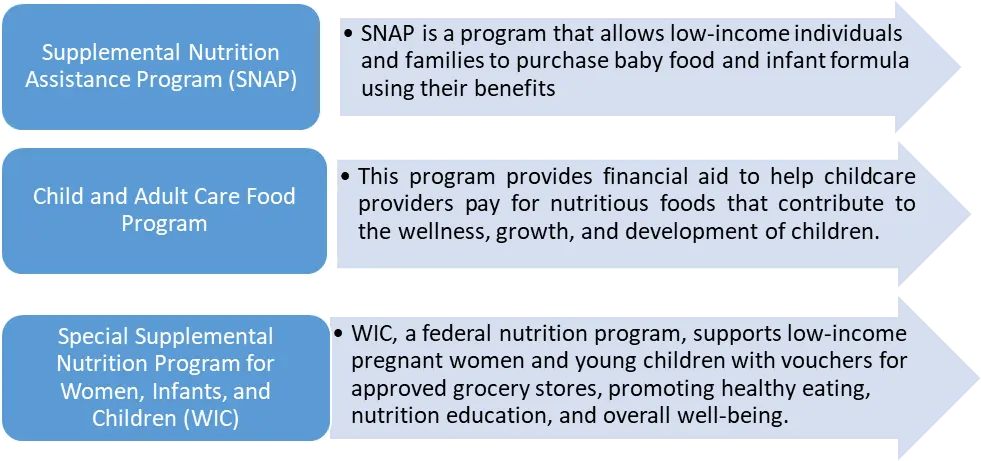
Positive government initiatives related to organic baby food create a favorable environment for market growth, fostering lucrative opportunities for industry growth. These initiatives take the form of regulatory support, financial incentives, and awareness campaigns that collectively contribute to the burgeoning success of the organic baby food market. Government regulations and standards are important in shaping the organic baby food landscape. When governments actively promote and enforce stringent regulations pertaining to the production, labeling, and certification of organic products, it instills confidence in consumers. This regulatory framework ensures that products labeled as "organic" adhere to specific criteria, addressing concerns related to authenticity and quality. Such a regulatory environment not only safeguards consumer interests but also provides a level playing field for businesses, encouraging fair competition within the market.
Financial incentives and subsidies offered by governments further stimulate growth within the organic baby food sector. These incentives may include tax breaks, grants, or financial support for organic farming practices. By reducing financial barriers for producers, governments actively encourage the adoption of organic methods, ultimately leading to an increase in the supply of organic ingredients. This, in turn, supports the growth of the organic baby food market by addressing cost challenges and promoting affordability for both producers and consumers. Government-led awareness campaigns also play a pivotal role in shaping consumer perceptions and preferences. When authorities invest in educating the public about the health benefits of organic baby food and the importance of sustainable agricultural practices, it creates a more informed and receptive consumer base. Increased awareness often translates into a higher demand for organic products, driving market growth.
Market Trend
Nurturing Growth through Innovative Diversification
Diversification of product offerings emerges as a distinctive trend in the organic baby food market. Brands are strategically broadening their portfolios to encompass a diverse array of options, including innovative purees, nutritious snacks, and convenient ready-to-eat meals. This trend reflects a proactive response to the evolving preferences and needs of parents seeking a comprehensive range of organic choices for their infants. The market is experiencing a shift towards increased variety and customization, allowing parents to select from an expanded menu of natural and wholesome ingredients tailored to their preferences and nutritional requirements. This unique trend not only enhances consumer satisfaction by providing more options but also positions organic baby food brands as dynamic and responsive to the changing landscape of parental preferences in the realm of infant nutrition.
Organic Baby Food Market Segment Analysis
Based on Product Type, Wet food dominates the type segment of the Organic Baby Food Market in the year 2025. Due to its perceived nutritional advantages and convenience. Parents often favor wet organic baby food, such as purees and jarred options, as they are perceived to retain more nutrients and offer a smoother texture for infants transitioning to solid foods. The convenience of ready-to-eat, easily digestible options appeals to busy parents seeking hassle-free meal solutions. Moreover, the controlled packaging ensures hygiene and portion control. The popularity of wet organic baby food aligns with parental preferences for convenient and nutritionally rich alternatives, contributing significantly to the prominence of this segment in the market.
The milk and infant milk formula segment is the fastest-growing segment due to the increasing working women population worldwide. The shift in lifestyles and a growing population of working parents has sparked an increased demand for convenient feeding options. Infant milk formulas serve as a practical and readily available substitute for breastfeeding, enabling parents to guarantee that their infants receive essential nutrients, especially in situations where breastfeeding may not be feasible or preferred.
Based on Age Groups, the organic Baby Food Market is experiencing significant growth during the forecast years. The exhibiting unique consumption trends according to age group segmentation. The age categories consist of under 6 months, 6 to 12 months, 12 to 24 months, and over 24 months, all having distinct nutritional requirements. Infants younger than 6 months mainly rely on organic baby formulas since their diet is largely liquid-based. The age group of 6 to 12 months dominates the market, comprising more than 57.2% of the total share. This time signifies the onset of solid foods, as parents look for safe, nutritious choices such as organic purees and soft items. Between 12 to 24 months, toddlers start to enjoy a broader range of textures and flavors, whereas kids over 24 months shift to organic alternatives of standard dishes, suited to their growth and nutritional needs.
The notable expansion of the market is driven by rising parental awareness regarding the health advantages of organic products, which include the lack of harmful chemicals and pesticides. The increase emphasizes parents' readiness to prioritize excellent nutrition during essential growth phases. The high demand in the 6 to 12 months category highlights how crucial this period is for dietary changes. In general, as parents grow increasingly health-aware, the organic baby food sector is poised to grow among all age ranges, propelled by an emphasis on safety, sustainability, and optimal nutrition.
Regulations for Safe Baby Food
The growing demand for easily consumable and competitive baby food products such as baby cereals, bottled baby foods, frozen baby foods, baby snacks, and soups, it is imperative to establish comprehensive regulations to ensure the safety and quality of these products. In light of the global expansion into untapped markets, especially in developing countries such as Asia, where evolving food technologies and diverse flavors and textures are prevalent, the following revised regulations aim to safeguard the well-being of infants and young children
| Regulation | Description |
| European Union Regulations | The 2006 European Commission Directive 'Foods for Infants and Young Children' sets comprehensive regulations for the baby food market, including strict limits on essential nutrients, prohibitions on toxic agents and pesticides, and hygiene guidelines. Directive 2006/125/EC specifically addresses processed cereal-based foods with strict nutrient criteria |
| United States Regulations | The United States maintains parallel regulations through the FDA's Center for Food Safety and Applied Nutrition, ensuring baby food manufacturing aligns with approved standards. Success requires high-quality products, rigorous testing, and regulatory compliance. |
| Chinese Regulations | Chinese regulators heightened efforts to fortify food regulations, particularly in the infant formula and nutritional additives sector. Government bodies, including the Food and Drug Safety Administration, Ministry of Industry and Information Technology, AQISQ, and AIC, conduct extensive safety measures, aiming to globally prioritize the health of the youngest consumers in baby food production and distribution. |
Organic Baby Food Market Regional Analysis
North America region dominates the Organic Baby Food Market in the year 2025. Consumers in these regions have a higher disposable income, which allows them to spend more on organic products. Parents in North America are increasingly aware of the importance of healthy eating for their children. This has led to a growing demand for organic baby food, which is perceived as being healthier and more nutritious than conventional baby food. Governments in North America have implemented policies that promote the production and consumption of organic food. This has helped to make organic baby food more widely available and affordable. The organic baby food market in Europe has experienced substantial growth, driven by an increasing demand for premium products adhering to stringent organic standards. Renowned brands such as HiPP, Holle, and Lebenswert lead with high-quality organic baby formulas sourced from biodynamic farms. The surge in popularity is attributed to a rising preference for formulas derived from free-range cows and goats on certified organic, biodynamic European farms. The market's strength lies in its strict regulations, ensuring the safety and quality of products. European organic baby food, spanning formulas, cereals, and fruit pouches, enjoys broad availability and accessibility within Europe and through international shipping. Consumers globally trust and find satisfaction in these natural, nutritious options, further accelerating the growth of the global organic baby food market.
Competitive Analysis
The Organic Baby Food market is dynamic. The market includes top manufacturers of organic baby foods such as Hipp GmbH & Co. Vertrieb KG, Organix Brands Ltd., and The Hain Celestial Group, Inc., showcasing the industry's diversity across regional and international levels. These companies are actively investing in research and development, aiming to meet and exceed consumer expectations, to expand their product portfolios. Strategic partnerships, mergers, and acquisitions are prevalent strategies, enabling companies to broaden their global footprint.
The companies have a strong focus on innovation and diversification. For example, Cerebelly's launch of science-backed baby food, specifically designed for optimal brain development, and Serenity Kids' introduction of Meat + Herb infant food purees aligned with the Veggies Early and Often initiative exemplify this commitment to advancing nutritional offerings. Gerber's introduction of the "Plant-tastic" organic plant-based line, certified as carbon neutral by the Carbon Trust, underscores a strategic move toward sustainability and providing for the increasing demand for plant-based options.
Recent Developments
15 May 2024 – Nestlé S.A.Nestlé invested approximately $100 million in a new infant nutrition research facility in Switzerland to accelerate innovation in baby food and infant nutrition products. The facility focuses on developing healthier organic and clean-label baby food products, improving nutritional formulations, and supporting research on early childhood nutrition. The investment reflects Nestlé’s strategy to strengthen its global infant nutrition portfolio and respond to rising consumer demand for organic and natural baby food products with improved nutritional profiles.
12 May 2025 – Danone
Danone announced the acquisition of a majority stake in Kate Farms, a U.S.-based producer of plant-based organic nutritional formulas. The acquisition aims to strengthen Danone’s specialized nutrition portfolio and expand its presence in organic and plant-based infant nutrition products. The move supports Danone’s strategy to develop healthier and more sustainable nutrition solutions while increasing its footprint in the growing organic baby food and infant nutrition market.
Organic Baby Food Market Scope Table: Inquire Before Buying
| Organic Baby Food Market | |||
|---|---|---|---|
| Report Coverage | Details | ||
| Base Year: | 2025 | Forecast Period: | 2026-2032 |
| Historical Data: | 2020 to 2025 | Market Size in 2025: | 8.77 USD Bn |
| Forecast Period 2026-2032 CAGR: | 9.07% | Market Size in 2032: | 16.1 USD Bn |
| Segments Covered: | by Product Type | Wet Food Infant Milk Formula Dry Food Others |
|
| by Ingredient Type | Fruits Vegetables Grains & Cereals Dairy Meat & Fish Others |
||
| by Packaging Type | Pouches Jars/Bottles Others |
||
| by Age Group | 0–6 Months 6–12 Months 12–24 Months Above 24 Months |
||
| by Distribution Channel | Supermarkets/Hypermarkets Speciality Stores Online Sales Channels Others |
||
Organic Baby Food Market, by Region
North America (United States, Canada, and Mexico)
Europe (UK, France, Germany, Italy, Spain, Sweden, Austria, and the Rest of Europe)
Asia Pacific (China, South Korea, Japan, India, Australia, Indonesia, Malaysia, Vietnam, Taiwan, Bangladesh, Pakistan, and the Rest of APAC)
Middle East and Africa (South Africa, GCC, Egypt, Nigeria, and the Rest of ME&A)
South America (Brazil, Argentina Rest of South America)
Key players/Competitors profiles covered in the Organic Baby Food Market report in strategic perspective
1. Hipp Holdings
2. Organix Brands Ltd.
3. The Hain Celestial Group, Inc.
4. Plum, PBC
5. Healthy Sprouts Foods
6. Baby Gourmet Foods Inc.
7. Abbott Nutrition
8. Nestlé S.A.
9. Happy Family Organics
10. Little Duck Organics
11. Olli
12. Earth's Best
13. Amara Organic Foods
14. Babylicious
15. Bellamy's Organic
16. Piccolo
17. Tasty Brands, LLC
18. Ella's Kitchen
19. Danone
20. Sprout Organic Foods
21. Pristine Organics Pvt Ltd.
22. Yashili International Group Co., Ltd.
23. Kewpie Corporation
24. AAK AB
25. Arla Foods
26. GMP Dairy
27. Kraft Heinz Canada ULC
28. Hero Group
29. Lactalis
30. Amara Organic Foods