
Allergy Immunotherapy Market - Industry Structure Evaluation, Demand Drivers Analysis, Regional Growth Analysis and Identification, Competitive Positioning Review & Global Market Size Forecast to 2032
Overview
The Allergy Immunotherapy Market size was valued at USD 4.45 Billion in 2024 and the total Allergy Immunotherapy revenue is expected to grow at a CAGR of 11.4% from 2025 to 2032, reaching nearly USD 10.57 Billion.
Allergy Immunotherapy Market Overview
Allergy immunotherapy, a preventive treatment for allergic reactions, involves administering gradually increasing doses of the allergen to which the individual is allergic. This process desensitizes the immune system, reducing sensitivity to substances such as grass pollens, house dust mites, and bee venom. Immunotherapy, a cornerstone of the Allergy Immunotherapy Market, stimulates the production of blocking antibodies, effectively alleviating allergy symptoms upon subsequent exposure to the allergen. Before treatment, trigger factors are identified through tests like skin or blood tests. Allergy shots are typically recommended for individuals selectively sensitive to multiple allergens. This long-term treatment, also known as allergy shots, effectively reduces symptoms of allergic rhinitis, asthma, conjunctivitis, or stinging insect allergy. It decreases sensitivity to allergens and often provides lasting relief, making it a cost-effective and beneficial approach for managing allergies. To know about the Research Methodology:- Request Free Sample Report
With allergies becoming increasingly prevalent worldwide, there is a growing demand for effective long-term solutions beyond symptomatic relief. Allergy immunotherapy offers a preventive approach by gradually exposing individuals to small doses of allergens, building up their immune system's tolerance over time. This treatment targets the root cause of allergies, reducing sensitivity to common allergens such as pollen, dust mites and insect venom, and providing lasting symptom relief for many patients. Advancements in medical technology and research have led to the development of more targeted and efficient allergy immunotherapy treatments, improving efficacy, safety and patient convenience. The expanding healthcare infrastructure, favorable reimbursement policies, and supportive government initiatives aimed at reducing the burden of allergies drive Allergy Immunotherapy Market growth. As awareness of allergies and their impact on quality of life continues to rise, more individuals seek diagnosis and treatment options, boosting demand for allergy immunotherapy services globally.
Allergy Immunotherapy Market Trend
Increasing emphasis on personalized and precision medicine approaches
Increasing emphasis on personalized and precision medicine approaches for the Allergy Immunotherapy transformative trend is fueled by the acknowledgment that traditional medicine, reliant on broad population averages, falls short in addressing the unique genetic makeup and individual variations among patients. There is a growing focus on personalized medicine, leveraging patients' genomic, environmental, and lifestyle factors to guide medical decisions and optimize treatment outcomes. The conventional approaches centered on reacting to disease symptoms, personalized medicine prioritizes prevention by identifying individuals' susceptibility to disease and implementing targeted prevention strategies which boost the Allergy Immunotherapy Market growth. By understanding patients' genetic predispositions and environmental exposures, healthcare providers more accurately predict disease risk and intervene proactively to pre-empt disease progression. This proactive approach not only enhances disease detection but also allows for tailored disease prevention strategies specific to each individual's unique profile.
The worldwide spending on Total Precision Medicine Treatments significantly influences the Allergy Immunotherapy Market. As investment in precision medicine rises, it fosters innovation, enhances treatment efficacy, and drives personalized approaches, indirectly affecting the demand and development of allergy immunotherapy treatments globally.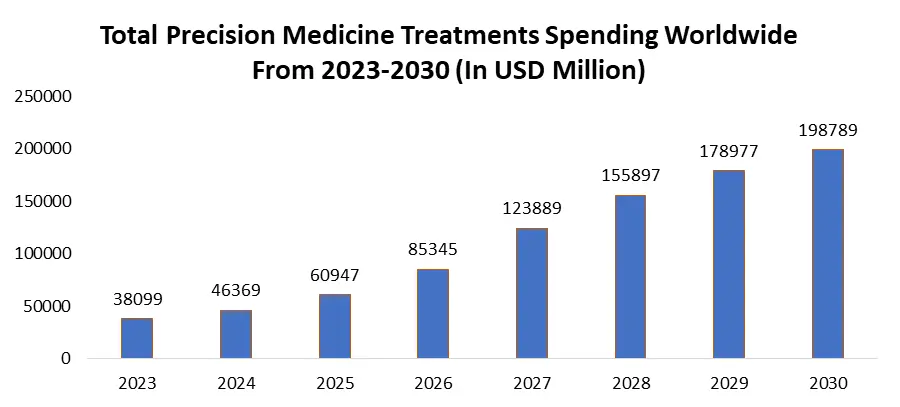
The personalized medicine enables healthcare providers to prescribe more effective drugs by considering patients' genetic variations and potential drug responses. By utilizing genomic information, clinicians identify treatments most likely to be effective for specific patients, reducing the need for trial-and-error prescribing and minimizing the risk of adverse drug reactions. This precision in drug prescribing not only improves treatment efficacy but also lessens the burden of side effects, resulting in enhanced patient outcomes and satisfaction. The adoption of personalized and precision medicine approaches in the Allergy Immunotherapy Market has the potential to revolutionize pharmaceutical clinical trials. By categorizing patient populations based on genetic factors and other individual characteristics, researchers design more targeted and efficient clinical trials, reducing the time, cost, and failure rate associated with traditional trial-and-error methods. This streamlined approach to drug development not only accelerates innovation but also ensures that new treatments are tailored to meet the specific needs of patients, ultimately enhancing healthcare delivery and patient care.
Allergy Immunotherapy Market Dynamics
Increasing Prevalence of Allergies across the globe to boost Market Growth
As modern lifestyles evolve, exposure to allergens becomes more pervasive, contributing to the rising incidence of allergic disorders such as allergic rhinitis, asthma, and food allergies. Factors such as urbanization, pollution, dietary changes, and genetic predispositions exacerbate this trend. There's an amplified demand for effective allergy management solutions, driving the adoption of allergy immunotherapy. This treatment modality offers a long-term solution by desensitizing patients to allergens, thereby reducing symptoms and improving their quality of life. The increasing awareness about the benefits of immunotherapy, coupled with advancements in treatment techniques and formulations, Allergy Immunotherapy Market growth.
As healthcare systems prioritize preventive care and personalized medicine, allergy immunotherapy emerges as a compelling option, driving the Allergy Immunotherapy industry growth. The economic burden posed by allergies, including healthcare expenditures and productivity losses, underscores the importance of investing in innovative allergy therapies. Pharmaceutical companies and healthcare providers are actively engaged in research and development efforts to enhance existing immunotherapy approaches and develop novel treatments, driving Allergy Immunotherapy Market growth.
With over 100 million people in the U.S. experiencing various allergies annually, allergies rank as the sixth leading cause of chronic illness in the country. Allergic conditions are particularly prevalent among children, emphasizing the widespread nature of this health issue. Anaphylaxis to food alone results in approximately 90,000 emergency room visits each year in the U.S., highlighting the severity of allergic reactions. The economic burden of allergies is substantial, with nasal allergies costing between USD 3 billion and USD 4 billion annually, and food allergies amounting to approximately USD 25 billion each year. With the escalating global incidence of allergies, there's an increasing demand within the Allergy Immunotherapy Market for effective treatments like allergy immunotherapy. These therapies aim to manage symptoms and enhance the quality of life for individuals affected by allergies.
Allergy Immunotherapy Market Segment Analysis
Based on the Treatment Type, the market is segmented into Subcutaneous Immunotherapy (SCIT), Sublingual Immunotherapy (SLIT) and Others. Subcutaneous Immunotherapy (SCIT) is expected to dominate the Allergy Immunotherapy Market over the forecast period. Subcutaneous Immunotherapy (SCIT) is not only highly effective in managing allergic conditions affecting various parts of the body, but it also prevents the progression of allergies and asthma. By gradually exposing the immune system to allergens through controlled doses, SCIT helps to desensitize the body's response to specific triggers, reducing the severity of allergic reactions over time. This preventive aspect of SCIT is particularly beneficial for individuals with allergic rhino-conjunctivitis, allergic otitis media, and bronchial asthma, as it helps minimize the frequency and severity of symptoms and reduce the reliance on symptomatic medications.
SCIT has demonstrated long-term benefits beyond the duration of therapy, with studies showing sustained improvement in allergic symptoms and reduced medication requirements even years after treatment completion. This lasting efficacy makes SCIT a valuable option for individuals seeking a comprehensive and enduring solution for their allergic conditions and boosts Allergy Immunotherapy Market growth. SCIT's ability to target a wide range of allergens, including common environmental triggers like pollen, dust mites, and pet dander, makes it a versatile and adaptable treatment approach that is tailored to meet the specific needs of each patient. SCIT offers advantages in terms of convenience and flexibility, with the option for patients to receive injections either at a healthcare provider's office or, in some cases, self-administered at home under medical supervision. This accessibility makes SCIT a practical and accessible treatment option for individuals seeking long-term relief from their allergies. SCIT's proven efficacy, preventive benefits, long-lasting effects, and versatility make it an indispensable cornerstone of allergy immunotherapy, offering patients a reliable pathway to improved quality of life and reduced allergic burden.
Allergy Immunotherapy Market Regional Insights
Europe dominated the Allergy Immunotherapy Market in 2024 and is expected to continue its dominance over the forecast period. Europe has a long history of research and innovation in the field of allergy immunotherapy, dating back to the pioneering work of researchers such as Leonard Noon and John Freeman in the early 20th century. This legacy of scientific advancement has laid the foundation for the development of effective allergy immunotherapy treatments and has positioned Europe as a global leader in allergy research and treatment.
The region has a healthcare infrastructure, characterized by advanced medical facilities, highly trained healthcare professionals, and comprehensive healthcare coverage. This healthcare system provides patients with access to a wide range of allergy diagnosis and treatment options, including allergy immunotherapy, which is widely available across the region. Europe's strong regulatory framework ensures the safety, efficacy, and quality of allergy immunotherapy products, fostering consumer confidence and driving Allergy Immunotherapy Market growth.
The General Government Expenditure on health as a percentage of GDP in Europe, with Norway having the highest in, significantly impacts the Allergy Immunotherapy industry. As expenditure increases, there's greater accessibility to healthcare services, driving demand for allergy immunotherapy due to rising awareness, improved diagnosis, and enhanced treatment techniques aligning with personalized medicine trends.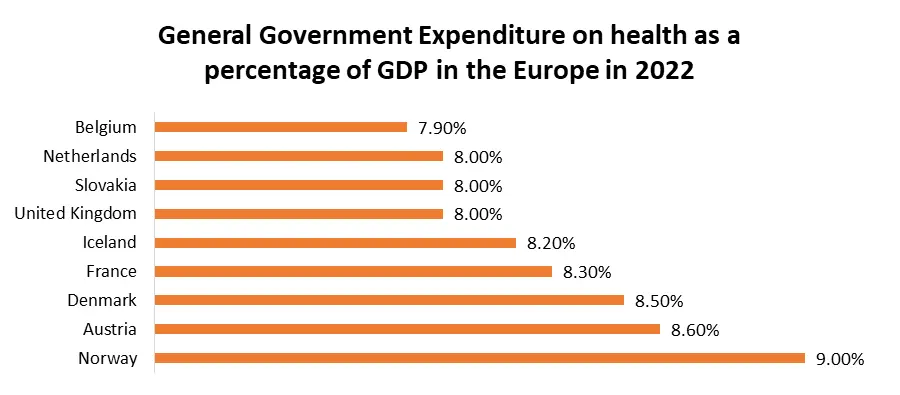
Europe's large and diverse population provides a substantial market for allergy immunotherapy treatments, with millions of individuals suffering from allergic diseases such as asthma, allergic rhinitis, and atopic dermatitis. The prevalence of allergies in Europe, coupled with increasing awareness of allergy management and treatment options, has fueled the demand for allergy immunotherapy products and services. Europe's aging population and changing environmental factors, such as urbanization and pollution, contribute to the growing incidence of allergies, driving Allergy Immunotherapy Market growth. The region's strong research and development ecosystem. Europe is home to numerous academic institutions, research organizations, and pharmaceutical companies that are actively engaged in allergy research and drug development. This collaborative research environment facilitates the discovery of novel allergy immunotherapy approaches and the development of innovative treatment modalities, ensuring a steady pipeline of new products that drive market growth.
Allergy Immunotherapy Market Scope: Inquire before buying
| Global Allergy Immunotherapy Market | |||
|---|---|---|---|
| Report Coverage | Details | ||
| Base Year: | 2024 | Forecast Period: | 2025-2032 |
| Historical Data: | 2019 to 2024 | Market Size in 2024: | USD 4.45 Bn. |
| Forecast Period 2025 to 2032 CAGR: | 11.4 % | Market Size in 2032: | USD 10.57 Bn. |
| Segments Covered: | by Treatment Type | Subcutaneous Immunotherapy (SCIT) Sublingual Immunotherapy (SLIT) Others |
|
| by Allergy Type | Respiratory Allergy Skin Allergy Insect Sting Allergy Food Allergy Others |
||
| by End User | Hospitals and clinics Specialty allergy clinics Ambulatory Surgical Centers Others |
||
Allergy Immunotherapy Market, by Region
North America (United States, Canada and Mexico)
Europe (UK, France, Germany, Italy, Spain, Sweden, Austria and the Rest of Europe)
Asia Pacific (China, South Korea, Japan, India, Australia, Indonesia, Malaysia, Vietnam, Taiwan, Bangladesh, Pakistan and the Rest of APAC)
South America (Brazil, Argentina Rest of South America)
Middle East & Africa (South Africa, GCC, Egypt, Nigeria and the Rest of ME&A
Allergy Immunotherapy Key Players
Global
1. ALK-Abello A/S (Horsholm, Denmark)
2. Stallergenes Greer (London, United Kingdom)
3. Aimmune Therapeutics (Brisbane, California, United States)
4. DBV Technologies (Montrouge, France)
5. Genentech (South San Francisco, California, United States)
North America
1. GREER Laboratories, Inc. (Lenoir, North Carolina, United States)
2. Genentech (South San Francisco, California, United States)
3. Circassia Pharmaceuticals Inc. (Morrisville, North Carolina, United States)
Europe
1. Allergy Therapeutics (Worthing, United Kingdom)
2. Circassia Pharmaceuticals (Oxfordshire, United Kingdom)
3. Biomay AG (Vienna, Austria)
4. Leti Pharma GmbH (Vienna, Austria)
5. HAL Allergy Group (Leiden, Netherlands)
6. ASIT Biotech (Brussels, Belgium)
7. Laboratorios LETI (Tres Cantos, Spain)
8. Allergopharma GmbH & Co. KG (Reinbek, Germany)
9. Bencard Allergie GmbH (Munich, Germany)
Asia Pacific
1. Prota Therapeutics (Melbourne, Australia)
2. Sementis Ltd (Melbourne, Australia)
Frequently Asked Questions:
1] What is the growth rate of the Global Allergy Immunotherapy Market?
Ans. The Global Allergy Immunotherapy Market is growing at a significant rate of 11.4% during the forecast period.
2] Which region is expected to dominate the Global Allergy Immunotherapy Market?
Ans. Europe is expected to dominate the Allergy Immunotherapy Market during the forecast period.
3] What is the expected Global Allergy Immunotherapy Market size by 2032?
Ans. The Allergy Immunotherapy Market size is expected to reach USD 10.57 Billion by 2032.
4] Which are the top players in the Global Allergy Immunotherapy Market?
Ans. The major top players in the Global Allergy Immunotherapy Market are ALK-Abello A/S (Horsholm, Denmark),Stallergenes Greer (London, United Kingdom),Aimmune Therapeutics (Brisbane, California, United States),DBV Technologies (Montrouge, France),Genentech (South San Francisco, California, United States), GREER Laboratories, Inc. (Lenoir, North Carolina, United States) and Others.
5] What was the Global Allergy Immunotherapy Market size in 2024?
Ans: The Global Allergy Immunotherapy Market size was USD 4.45 Billion in 2024.