
Roselle Market Size by Product Type, Application, Distribution Channel, Flavour/Variant, Usage, Targeted Health Benefits, Region – Segment-Level Market Assessment, Growth Opportunity Analysis, Competitive Mapping & Forecast to 2032
Overview
The Roselle Market size was valued at USD 1.51 Billion in 2024 and the total Roselle revenue is expected to grow at a CAGR of 6.2% from 2025 to 2032, reaching nearly USD 2.45 Billion.
Roselle Market Overview
Roselle extract, from the calyxes of the Roselle plant (Hibiscus sabdariffa), is becoming popular in different industries for its distinct properties and potential health benefits. The extract is obtained by extracting active compounds from the calyxes using solvents or other extraction methods. The demand for natural ingredients in sectors like food and beverage, pharmaceutical and cosmetics is driving the growth of the Roselle extract market. The extract is highly valued for its vivid red colour, tangy taste and potential health benefits. Roselle extract enhances flavour and colours meals. This product's rich red colour improves beverages, sweets, baked products, jams and sauces. The extract's acidic flavour enhances culinary tastes. The pharmaceutical and nutraceutical industries are acknowledging the growing potential health benefits of Roselle extract. Antioxidants like flavonoids and anthocyanins reduce inflammation and protect the heart. The extract promotes heart health, blood pressure regulation and well-being in many goods. The cosmetic industry uses Roselle extract for its natural colour and potential skin health benefits. It is commonly used in skincare products to give them a natural pink or red colour.
The extract's antioxidants are thought to shield the skin from oxidative harm and promote a youthful look. The Roselle extract market is affected by factors like raw material availability and quality, extraction techniques, product formulation and consumer preferences. Roselle extract suppliers prioritise a dependable supply chain, maintaining quality standards and sustainable sourcing practises to meet rising demand. Safety and regulatory compliance are crucial when using Roselle extract in different applications. Complying with local regulations and quality control is vital for Roselle extract manufacturers and suppliers. Consumer awareness and education are crucial for market growth. Emphasising the distinct qualities of Roselle extract, such as its natural origin, health benefits and versatile uses, can enhance comprehension and generate interest in the product. To know about the Research Methodology :- Request Free Sample Report
Roselle Market Report Scope
The report provides a comprehensive analysis of the Roselle extract market, delving into its market size, historical data and current growth trends. It includes quantitative figures such as market revenue, volume and sales, giving readers a clear understanding of the market's scale and potential. Market segmentation plays a crucial role in the report, categorizing the Roselle extract market based on factors such as product type, application, end-use industry, distribution channel and geography. This segmentation enables a deeper understanding of market dynamics and identifies target audiences for specific Roselle extract products. Regional analysis is an essential component of the report, examining the Roselle extract market across different regions. It assesses geographical trends, market size, growth prospects and market dynamics in each region. This analysis provides valuable insights into regional variations and helps stakeholders identify growth opportunities.
The report assesses the competitive landscape of the Roselle extract market, analyzing key players, their market share, strategies and product portfolios. It may include information on mergers and acquisitions, partnerships, collaborations and new product launches by major players. This section enables readers to understand the competitive intensity and strategies employed by key players in the Roselle extract market.
Market trends and opportunities are highlighted in the report, providing insights into the latest developments and innovations in Roselle extract products. It identifies growth opportunities and challenges while examining emerging technologies and consumer preferences. This analysis is valuable for product development and marketing strategies in the Roselle extract market. Consumer insights form an important aspect of the report, studying consumer behavior, preferences and purchasing patterns related to Roselle extract products. This analysis helps manufacturers and marketers understand consumer demands, needs and expectations, aiding in product development and targeted marketing strategies.
The report also covers the regulatory environment surrounding Roselle extract products, providing an overview of relevant regulations, standards and certifications governing their production, labeling and marketing. This analysis informs industry stakeholders about compliance requirements and potential implications. The report offers a forecast of the Roselle extract market's future growth trajectory, considering market trends, consumer preferences, technological advancements and competitive dynamics. It provides strategic recommendations based on the analysis and findings, helping industry stakeholders make informed decisions.
Roselle Market Dynamics
The Roselle market's growth and demand are influenced by various key factors. Consumer demand for natural and healthy products is on the rise. Consumers increasingly prioritize natural products due to their heightened awareness of health and well-being. Roselle, being natural and having potential health benefits, appeals to health-conscious consumers. Awareness of Roselle's health benefits is increasing. Roselle is recognized for its antioxidants and potential positive effects on heart health and blood pressure. As consumer awareness of Roselle products' health benefits grows, demand is expected to rise. The food and beverage industry's growth are driving the expansion of the Roselle market. Roselle offers an opportunity for the industry to meet consumer demands for new flavors and unique experiences by providing innovative ingredients. Roselle's vibrant red color and tart flavor make it a popular choice for creating visually appealing and flavorful products that cater to evolving consumer preferences. Market trends are impacting the Roselle market.
The growing preference for herbal teas and functional beverages has led to a higher need for Roselle products. Herbal teas like Roselle tea are gaining popularity as non-caffeinated alternatives to traditional beverages. Health-conscious consumers prefer roselle tea due to its vibrant color, refreshing taste and potential health benefits. The use of roselle extract in cosmetics and personal care products is on the rise. Cosmetic industry adopts natural ingredients in products. One such ingredient is Roselle extract, which has a natural red color and potential antioxidant properties. This extract is being used in skincare products. The extract offers a natural pink or red hue and potential skincare benefits, meeting the increasing demand for natural and functional cosmetics.
The Roselle market has growth opportunities. Expanding into new geographical markets presents a promising opportunity. There is potential to expand the market for Roselle products into new geographical areas where they are less commonly consumed, despite the current concentration of demand in certain regions. Enabling access to a wider consumer base and creating opportunities for market expansion. Product diversification and innovation present promising prospects in the Roselle market. Roselle is a versatile ingredient that can be used to create various products such as herbal teas, dietary supplements, functional foods and cosmetics. Diversifying and innovating product offerings can attract new consumers and tap into evolving market trends, fostering growth in the Roselle market. Potential threats and challenges should be taken into consideration. Seasonal availability and sourcing challenges can impact the consistent supply of high-quality Roselle raw materials.
Roselle cultivation is region-specific and influenced by seasonal variations, affecting production and availability. Alternative ingredients and products pose a significant challenge in the Roselle market. Roselle faces competition from other herbal ingredients and functional beverages in the growing market for natural ingredients and health-focused products. To succeed in the Roselle market, companies must differentiate their products and effectively communicate the unique value proposition of Roselle in order to maintain and expand their market share. The Roselle market faces challenges with regulatory compliance and quality control. Compliance with regulations and quality control is vital for manufacturers and suppliers. Meeting labelling requirements, ensuring safety standards and practicing sustainable sourcing are essential for maintaining market integrity and consumer trust.
Roselle Market Regional Analysis
The North American Roselle market is experiencing steady growth. The US and Canada are important markets for Roselle-based beverages and herbal teas. Market driven by demand for natural, healthy products and awareness of health benefits of Roselle. Regional consumers prioritise unique flavours and memorable experiences. Roselle is increasingly used in food and drink products. Key distribution channels in this region are supermarkets, specialty stores and e-commerce.
Europe is a significant market for Roselle products, predominantly in the UK, Germany, France and Italy. The European market offers Roselle-based teas, infusions and dietary supplements. High demand for natural and organic formulations in this region due to consumer preference for functional benefits. Market factors: hair care awareness, trendy hairstyles, established cosmetic brands. Roselle products are available in European supermarkets, health food stores and online platforms. The Asia Pacific Roselle market is expanding due to population growth, increased disposable income and evolving consumer lifestyles. China, Japan, South Korea and India are prominent countries in this region known for their strong grooming culture and growing preference for natural and herbal products. The market has Roselle-based products like herbal teas, beverages and skincare formulations. Roselle products in Asia Pacific are distributed via e-commerce platforms, beauty specialty stores and traditional retail channels.
Roselle Market Segment Analysis
The Roselle market is analysed and segmented to understand its dynamics and consumer preferences. The product type segment includes Roselle tea, Roselle extract, Roselle-infused beverages, Roselle-based food products and Roselle supplements. Product types cater to diverse consumer preferences and offer distinct applications of Roselle. Roselle tea is popular for its herbal and refreshing properties. Roselle extract is used in food and cosmetic formulations. Roselle-infused beverages and supplements offer flavourful and nutritious options. Application is a significant segment in the Roselle market. Food, cosmetics, pharmaceuticals and dietary supplements use roselle. Teas, juices, jellies and sauces use roselle for flavour, colour and health. Cosmetics, haircare and natural dyes use roselle. Roselle is valued in pharmaceuticals for its medicinal properties and in dietary supplements for its nutritional benefits.
The distribution channel is important for reaching consumers with Roselle products. Distribution channels: supermarkets, hypermarkets, specialty stores, online platforms, convenience stores. Supermarkets and hypermarkets offer diverse Roselle products with wide consumer reach. Speciality stores offer niche market products with curated high-quality Roselle selection. Online platforms provide convenient and accessible options for consumers to buy Roselle products from home. Convenience stores offer Roselle-based beverages and snacks for on-the-go consumers.
Geographical segmentation is a crucial aspect of Roselle market analysis. The study covers market analysis in North America, Europe, Asia Pacific, South America and the Middle East and Africa. Regional variations exist in consumer preferences, market dynamics and growth opportunities. North America influenced by fashion-conscious consumers and demand for natural and organic formulations. Europe offers a range of Roselle products for various hair types and styling preferences. Asia Pacific grows due to population, income and lifestyle changes. South America values personal appearance and grooming. The Middle East and Africa prefer Roselle products with strong hold and humidity resistance for hot and humid climates.
Roselle Market Competitive Landscape
The Roselle market has multiple key players competing for market share. These companies produce Roselle tea, Roselle extract and Roselle-infused products. The competitive landscape is shaped by product innovation, quality, branding, distribution channels and pricing strategies. Key players in the Roselle market differentiate through unique product formulations and packaging. Investment in R&D for new Roselle-based products aligned with consumer preferences and market trends. These companies develop natural and organic formulations to meet demand for clean label and healthy products. Branding and marketing strategies are crucial in the competitive Roselle market. Established companies use brand reputation and consumer trust to gain a competitive advantage. Investments made in advertising, promotion and social media marketing aim to generate awareness and foster brand loyalty. Companies collaborate with influencers and celebrities to endorse Roselle products and expand consumer reach.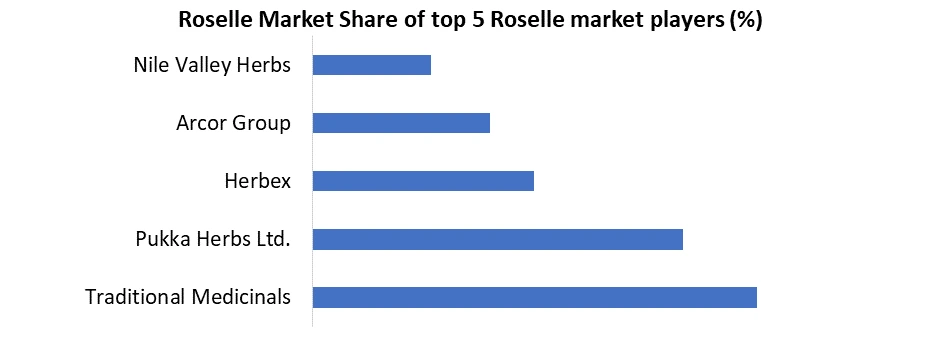 Distribution channels are important for companies to expand their presence in retail outlets and online platforms. Key players partner with supermarkets, specialty stores and e-commerce platforms for wider Roselle product availability. Roselle market companies employ mergers, acquisitions, partnerships and collaborations for market growth and product portfolio expansion. Strategic alliances facilitate market, technology and distribution expansion for companies. Companies expand production and supply chain to meet rising demand for Roselle products. The Roselle market has multinational companies and local players. Multinational companies have global reach and established distribution networks, while local players understand regional preferences and offer localised products. Local players compete on price, product customization and personalised customer service.
Roselle Market Scope: Inquire before buying
| Roselle Market | |||
|---|---|---|---|
| Report Coverage | Details | ||
| Base Year: | 2024 | Forecast Period: | 2025-2032 |
| Historical Data: | 2019 to 2024 | Market Size in 2024: | USD 1.51 Bn. |
| Forecast Period 2025 to 2032 CAGR: | 6.2% | Market Size in 2032: | USD 2.45 Bn. |
| Segments Covered: | by Product Type | Roselle Tea Roselle Extract Roselle-Infused Beverages Roselle-Based Food Products Roselle Supplements |
|
| by Application | Food and Beverage Industry Cosmetics and Personal Care Products Pharmaceuticals Dietary Supplements |
||
| by Distribution Channel | Supermarkets and Hypermarkets Specialty Stores Online Platforms Convenience Stores Direct-to-Consumer Channels |
||
| by Flavour/Variant | Plain Roselle Roselle with Other Herbal Blends Flavoured Roselle |
||
| by Usage | Hot Beverages Cold Beverages Culinary Applications Dietary Supplements |
||
| by Targeted Health Benefits | Digestive Health Antioxidant Properties Weight Management Cardiovascular Health |
||
Roselle Market, by Region
North America (United States, Canada and Mexico)
Europe (UK, France, Germany, Italy, Spain, Sweden, Austria and Rest of Europe)
Asia Pacific (China, South Korea, Japan, India, Australia, Indonesia, Malaysia, Vietnam, Taiwan, Bangladesh, Pakistan and Rest of APAC)
Middle East and Africa (South Africa, GCC, Egypt, Nigeria and Rest)
South America (Brazil, Argetina and Rest of South America)
Company Profile Roselle Key players
North America
1. Traditional Medicinals, Inc. (United States)
2. R.C. Bigelow, Inc. (United States)
3. The Republic of Tea, Inc. (United States)
4. Davidson’s Organics, Inc. (United States)
5. Celestial Seasonings, Inc. (United States)
6. Yogi Products, LLC (United States)
7. Stash Tea Company (United States)
8. Numi, Inc. (United States)
9. Harney & Sons Fine Teas, LLC (United States)
10. The Tea Spot, Inc. (United States)
11. David’s Tea Inc. (Canada)
12. Nile Valley Herbs, LLC (United States)
13. Rishi Tea & Botanicals, Inc. (United States)
Asia Pacific
14. MJF Exports (Pvt) Ltd. (Sri Lanka)
15. Rasa Ceylon (Pvt) Ltd. (Sri Lanka)
16. Hibasco Herbal Tea Co. (India)
17. Puresia Pty Ltd. (Australia)
18. Rare Tea Company Limited (United Kingdom)
Europe
19. Pukka Herbs Ltd. (United Kingdom)
20. Hambleden Herbs Ltd. (United Kingdom)
21. Heath & Heather Ltd. (United Kingdom)
22. Pompadour Iberica S.A. (Spain)
23. R. Twining and Company Limited (United Kingdom)
Middle East and Africa
24. Herbex (Pty) Ltd. (South Africa)
FAQs
Q: What are the key factors driving the growth of the roselle market?
A: The growth of the roselle market is driven by factors such as increasing consumer awareness about the health benefits of roselle, growing demand for natural and organic products, rising popularity of herbal and botanical beverages and the expansion of distribution channels.
Q: Which regions are prominent in the roselle market?
A: The roselle market has a global presence, with key regions including North America, Europe, Asia Pacific, South America and the Middle East and Africa. Each region has its own consumer preferences, market dynamics and growth opportunities.
Q: What are the popular roselle products in the market?
A: Some popular roselle products in the market include roselle tea, roselle extract used in food and cosmetic formulations, roselle-infused beverages such as juices and herbal drinks and roselle-based food products like jams, jellies and sauces.
Q: What are the distribution channels for roselle products?
A: Roselle products are distributed through various channels, including supermarkets, hypermarkets, specialty stores, online platforms, convenience stores and direct-to-consumer channels. These channels ensure widespread availability and accessibility of roselle products to consumers.
Q: What are the emerging trends in the roselle market?
A: Emerging trends in the roselle market include the development of innovative product formulations, the use of natural and organic ingredients, the focus on sustainability and eco-friendly practices and the influence of social media on consumer choices.
Q: What was the Global Roselle Market size in 2024?
Ans: The Global Roselle Market size was USD 1.51 Billion in 2024.