
Nitrile Gloves Market Size by Types, Product, End User, Distribution Channel, Region – Segment-Level Market Assessment, Growth Opportunity Analysis, Competitive Mapping & Forecast to 2032
Overview
The Nitrile Gloves Market size was valued at USD 10.92 Billion in 2024 and the total Nitrile Gloves revenue is expected to grow at a CAGR of 11.01% from 2025 to 2032, reaching nearly USD 25.20 Billion.
Nitrile Gloves Market Overview
Nitrile gloves are made of Synthetic rubber also called NBR, Buna-N, or acrylonitrile butadiene rubber, are puncture-resistant, and have a longer shelf life. It is used in both medical and non-medical uses, nitrile gloves are frequently used to help people avoid contamination. Also, widely used in healthcare settings to protect against infections, which provides a reliable barrier against pathogens. Additionally, nitrile gloves find applications in laboratories, food handling, and the automotive industry due to their resistance to oils and chemicals. Versatile and latex-free, they cater to individuals with latex allergies. The end-user industries span healthcare, laboratories, food service, and industrial sectors, making nitrile gloves indispensable for professionals requiring a high level of hand protection in diverse work environments.
The demand for disposable nitrile gloves has skyrocketed on a global scale. The Nitrile Gloves Industry growth is primarily influenced by workplaces across a variety of end-use sectors' increased desire for disposable nitrile gloves. Also, factors including rising awareness of healthcare-associated infection (HAI) prevention and by-products' superior profitability are anticipated to drive the Nitrile Gloves Nitrile Gloves Market growth. To know about the Research Methodology :- Request Free Sample Report
Nitrile Gloves Market Dynamics
Increasing Demand for Personal Protective Equipment (PPE) to Boost the Market Growth
Industries such as healthcare, pharmaceuticals, food processing, and manufacturing are increasingly adopting strict safety protocols, contributing to the growing need for reliable hand protection. The rising awareness of health and safety measures continues to rise globally, and the demand for personal protective equipment, including nitrile gloves, has experienced significant increases. Nitrile gloves, known for their superior puncture resistance, durability, and chemical resistance, have become the preferred choice over latex gloves, as a result, this is expected to propel the Nitrile Gloves Market growth.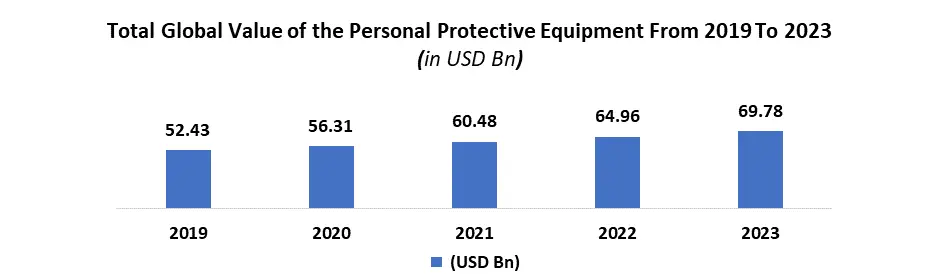
Technological advancements are influencing the design and materials used in PPE, making them more effective, comfortable, and durable. Innovations such as smart textiles, antimicrobial coatings, and ergonomic designs are gaining prominence, addressing not only safety concerns but also user comfort and usability. The growing emphasis on sustainability is increasing the PPE product demand and also leading to increased demand for eco-friendly and recyclable materials. Nitrile Gloves Manufacturers are exploring sustainable alternatives in PPE production to reduce environmental impact, aligning with the broader global shift towards environmentally responsible practices.
Prevalence of Latex Allergies and Shift from Latex to Nitrile to Drive the Market
The prevalence of latex allergies has prompted a substantial shift in the preference for nitrile gloves. Nitrile gloves offer a hypoallergenic alternative to latex, making them a safer choice for individuals with latex sensitivities. For instance, MMR study according to the Department of Health in New York, the increased use of latex products has resulted in a higher frequency of latex allergy reactions, affecting up to 14% of healthcare industry workers. This surge is attributed to the widespread adoption of latex gloves for HIV/AIDS and hepatitis B prevention measures. Latex allergies can manifest in various symptoms, ranging from mild to severe, including swelling, itchiness, congestion, and even life-threatening anaphylaxis.
As a result, industries and healthcare facilities are increasingly adopting nitrile gloves to mitigate the risk of allergic reactions among workers and patients. This transition from latex to nitrile not only supports the health and well-being of users but also serves as a key driver in propelling the growth of the nitrile gloves market. With the growth of the aging population and rising awareness of health and hygiene, there is an unprecedented need for medical examinations, diagnostics, and surgeries. Industries such as automotive, chemical, electronics, and food processing are increasingly recognizing the benefits of nitrile gloves over traditional latex gloves.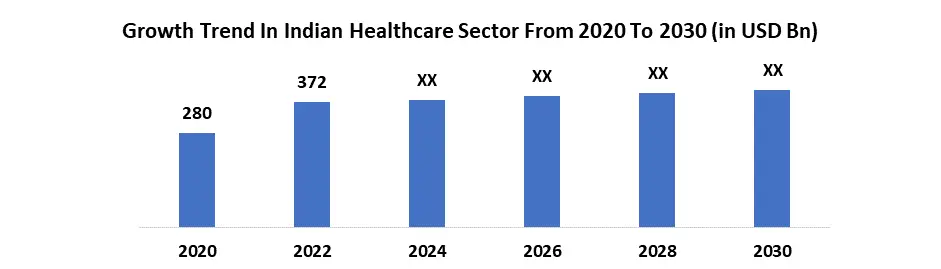
In COVID-19 cases, hospitals are grappling with a shortage of nitrile exam gloves, a vital protective gear for healthcare professionals. Global demand surged unexpectedly, while production, mainly in China, Malaysia, and Thailand, struggled to keep pace. Premier Inc. and 15 health systems, recognizing the urgency, invested in domestic PPE manufacturer Prestige Ameritech to bolster production within the U.S.
In chemical labs, Nitrile gloves are widely used. Lab tests assess breakthrough time, degradation, and permeation rate. Optimal protection involves selecting the right thickness and size, and careful glove removal to prevent contamination. Cross-contamination risks necessitate immediate glove changes and proper disposal. Accelerator-free nitrile gloves address latex allergies. The fact sheet highlights nitrile's compatibility with lab chemicals and lists products from common vendors. It emphasizes HF protection and provides resources for chemical compatibility. Ultimately, user awareness and adherence to safety protocols are crucial in lab environments. For detailed guidelines, consult the manufacturer's data sheets.
Raw Material Price Volatility to Restrain the Market Growth
The manufacturing process involves mixing the nitrile rubber with other additives and processing aids, then molding and curing the material to form gloves in various sizes and thicknesses. The raw material used to make nitrile gloves is nitrile butadiene rubber (NBR), a synthetic rubber that combines acrylonitrile and butadiene. The resulting polymer has excellent resistance to chemicals, oils, and solvents and high puncture resistance, making it an ideal material for making gloves. The production of nitrile gloves relies on key raw materials, including butadiene and acrylonitrile.
The prices of these raw materials are significantly fluctuating due to factors such as changes in oil prices, supply chain disruptions, geopolitical events, and demand variations. If there is a sudden and significant increase in the cost of raw materials, it can directly impact the production costs for nitrile glove manufacturers. As a result, companies pose challenges in maintaining profit margins, and these increased costs could potentially be passed on to consumers. This price volatility is expected to restrain the nitrile gloves market growth.
The Chemistry Behind Nitrile Gloves
| Raw Material Sourcing | Acrylonitrile, Butadiene |
| Synthesis of Acrylonitrile | Propene, Ammonia, Water, Air, Catalyst (Bismuth Phosphomolybdate) |
| Synthesis of Butadiene | Ethane, Steam, Compression, Distillation |
| Polymerization of Nitrile Rubber | Acrylonitrile, Butadiene |
| Glove Manufacturing | Nitrile Rubber |
| Disposal and Sustainability Efforts | Nitrile Gloves |
Nitrile Gloves Market Segment Analysis
By Product,
In 2024, the global Nitrile Gloves Market witnessed the dominance of disposable nitrile gloves in terms of revenue, and this trend is expected to persist with a remarkable CAGR of XX.3 % during the forecast period. The popularity of disposable nitrile gloves is attributed to their superior attributes, including heightened protection, enhanced puncture resistance, and minimal abrasion, facilitating easier donning and doffing. Widely utilized in dental applications, these synthetic gloves offer unparalleled resistance to solvents and chemicals, making them the preferred choice among dental specialists and surgeons. Furthermore, the manufacturing and testing processes of disposable nitrile gloves undergo rigorous abrasion resistance assessments, earning approval from the Food and Drug Administration (FDA) for medical applications. This underscores their pivotal role in ensuring safety and compliance in various healthcare settings.
By End User,
Based on the user, the medical and healthcare sector segment dominated the largest Nitrile Gloves Market share in 2024. Nitrile gloves utilized in the medical and healthcare sectors are formulated differently to meet the specific needs of this industry. They are designed to provide exceptional resistance to bodily fluids, microorganisms, and various chemicals. These gloves are specifically engineered to provide resistance against bodily fluids, microorganisms, and various chemicals. Their latex-free composition makes them suitable for healthcare professionals susceptible to Type I allergies. Notably, powder-free variants are extensively utilized in the medical and healthcare industry due to their superior flexibility, tactility, tear resistance, and chemical resilience. Also, special formulations can be employed in crafting nitrile gloves tailored for healthcare use, ensuring they are ultra-soft, latex-free, BPA-free, robust, and compliant with ASTM D6319 standards.
Nitrile Gloves Market Reginal Insight
Asia Pacific held the largest Nitrile Gloves Market share into 2024. The regional market growth is driven by the escalating recognition of nitrile gloves in the medical and healthcare sector due to their inherent health benefits. the stringent cleaning regulations, professionals resort to frequent hand sanitizing, making gloves an essential preventive measure. For instance, The Indian government has adjusted its export policy for Nitrile/NBR Gloves, transitioning from a 'prohibited' status to 'restricted,' a move implemented after the initial ban in June. This amendment allows exporters to proceed with exporting these gloves, subject to obtaining a license from the government.
The Directorate General of Foreign Trade (DGFT) announced this change, marking a shift in the country's stance. India exported Nitrile/NBR Gloves worth $569.73 million in the fiscal year. The decision aligns with the country's strategic adjustments in export restrictions on various personal protective equipment items amid the COVID-19 pandemic. This move is expected to facilitate trade and contribute to the economic recovery.
North American Nitrile Gloves Market exhibits robust growth, driven by factors such as increased demand in the medical sector and rising awareness about safety and hygiene. In the U.S. highlight the complexities of the supply chain. Despite initial plans for on-shore manufacturing by Blue Star NBR, funding hurdles have hindered progress. The Department of Defense's investment in a chemical plant for rubber production, crucial for gloves, hasn't translated into operational glove manufacturing. The lack of synchronized funding for both the chemical plant and glove factory underscores the intricacies of securing financial support. As the demand for PPE remains high, resolving these financial barriers is essential to enhance domestic resilience and reduce reliance on global supply chains.
Nitrile Gloves Market Scope
Nitrile Gloves Market Scope: Inquire before buying
| Global Nitrile Gloves Market | |||
|---|---|---|---|
| Report Coverage | Details | ||
| Base Year: | 2024 | Forecast Period: | 2025-2032 |
| Historical Data: | 2019 to 2024 | Market Size in 2024: | USD 10.92 Bn. |
| Forecast Period 2025 to 2032 CAGR: | 11.01% | Market Size in 2032: | USD 25.20 Bn. |
| Segments Covered: | By Types | Powdered Powder Free |
|
| By Product | Disposable Durable |
||
| By End User | Medical & Healthcare Food & Beverage Metal & Machinery Chemical & Petrochemical Other |
||
| By Distribution Channel | Direct Sales Distributors E-Commerce |
||
Nitrile Gloves Market, by Region
North America (United States, Canada and Mexico)
Europe (UK, France, Germany, Italy, Spain, Sweden, Austria and Rest of Europe)
Asia Pacific (China, South Korea, Japan, India, Australia, Indonesia, Malaysia, Vietnam, Taiwan, Bangladesh, Pakistan and Rest of APAC)
South America (Brazil, Argentina Rest of South America)
Middle East & Africa (South Africa, GCC, Egypt, Nigeria and Rest of ME&A)
Nitrile Gloves Key players
North America
1. Halyard Health
2. Showa Group
3. hospeco
4. Ammex Corporation
5. MCR Safety
6. Medline Industries
Europe
7. galeton
8. Halyard Health
APAC
9. Dynarex Corporation
10. Ansell Ltd
11. Top Glove Corporation Bhd
12. Unigloves
13. Hartalega Holdings
14. Kossan Rubber Industries
15. Superior Gloves
16. Shandong Yuyuan Latex Gloves
17. Safe Glove Co., Ltd
18. Adventa Health
ME
19. Cardinal Health
Frequently Asked Questions:
1] What is the growth rate of the Global Nitrile Gloves Market?
Ans. The Global Nitrile Gloves Market is growing at a significant rate of 11.01 % during the forecast period.
2] Which region is expected to dominate the Global Nitrile Gloves Market?
Ans. APAC is expected to dominate the Nitrile Gloves Market during the forecast period.
3] What is the expected Global Nitrile Gloves Market size by 2032?
Ans. The Nitrile Gloves Market size is expected to reach USD 25.20 Bn by 2032.
4] Which are the top players in the Global Nitrile Gloves Market?
Ans. The major top players in the Global Nitrile Gloves Market are Dynarex Corporation (US), Kimberly-Clark Corporation (US) and others.
5] What are the factors driving the Global Nitrile Gloves Market growth?
Ans. The increasing health awareness among the population and the growth of medical and healthcare industries are expected to drive the Nitrile Gloves Market growth.
6] What was the Global Nitrile Gloves Market size in 2024?
Ans: The Global Nitrile Gloves Market size was USD 10.92 Billion in 2024.