
Smart Indoor Garden Market Size by Type, Plant Type, Technology, End-User, Distribution Channel and Region - Segment-Level Market Assessment, Growth Opportunity Analysis, Competitive Mapping & Forecast to 2032
Overview
The Global Smart Indoor Garden Market size was valued at USD 138.25 Million in 2024 and is expected to reach USD 250.12 Million by 2032, at a CAGR of 9.4 %
Smart Indoor Garden Market Overview:
Smart indoor gardens are automated systems equipped with IoT sensors, LED grow lights, and self-watering mechanisms that enable year-round cultivation of herbs, vegetables, and decorative plants indoors. These systems are gaining popularity among urban consumers seeking convenient, eco-friendly, and space-efficient gardening solutions that align with modern smart home lifestyles.
The growing preference for organic, pesticide-free food and the demand for aesthetically pleasing interiors are key factors propelling market expansion. Countries such as the United States, Canada, China, Japan, India, Germany, and the United Kingdom are witnessing strong adoption due to advancements in smart technology and changing consumer habits. North America continues to dominate in terms of technology integration and product innovation. Major companies including Click & Grow (Estonia), AeroGarden (USA), and LG Electronics (South Korea) are leading innovations in smart gardening solutions. With growing focus on sustainability and wellness, the market is set for continued expansion globally.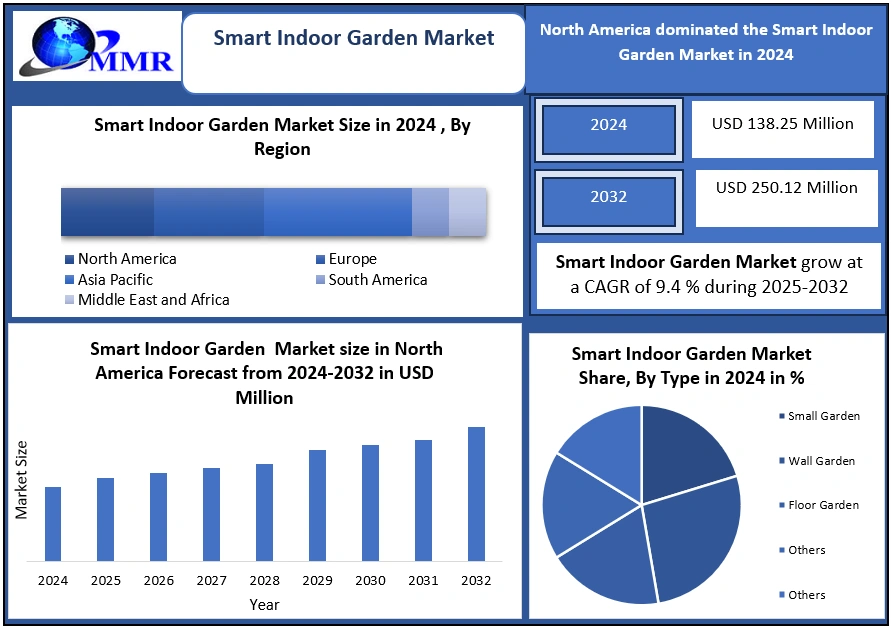 To know about the Research Methodology:-Request Free Sample Report
Smart Indoor Garden Market Dynamics:
Urbanization and Technological Advancements Drive the Growth of the Smart Indoor Garden Market
The Smart Indoor Garden Market is primarily driven by rapid urbanization, technological innovation, and growing consumer awareness about sustainable living. With over half of the global population living in urban areas, space constraints and limited access to arable land have accelerated the adoption of indoor gardening systems, hydroponic indoor grow kits, and smart home gardening systems. The integration of IoT indoor gardening solutions, smart soil monitoring systems, and AI-powered gardening devices allows users to automate watering, lighting, and nutrient supply, creating an efficient and energy-saving plant growth environment.
Rising health consciousness and demand for organic herbs and vegetables have also encouraged households to invest in smart hydroponic gardens and indoor vegetable growing systems. Furthermore, advancements in smart LED grow lights, app-controlled gardening systems, and wireless indoor plant monitoring systems have enhanced convenience and productivity, promoting adoption across residential and commercial spaces. Government initiatives supporting sustainable indoor gardening technology and eco-friendly urban farming practices further stimulate market expansion, especially in the Asia-Pacific, Europe, and North American smart indoor farming markets. Collectively, these factors are fueling consistent growth and technological evolution in the smart indoor garden industry worldwide.
High Costs and Technical Complexities Restrain the Growth of the Smart Indoor Garden Market
The high setup and maintenance cost associated with smart hydroponic garden systems, automated indoor gardens, and connected plant growing technology. Incorporating IoT sensors, AI integration, and energy-efficient lighting raises initial expenses, making these systems less affordable for middle-income households. Additionally, the recurring costs of nutrients, seed pods, and replacement parts add to the long-term investment burden. Many users also struggle with the complexity of managing smart gardening devices, as calibration, cleaning, and connectivity issues can discourage beginners. Another concern is the dependency on stable internet connections and compatible software, which restricts device functionality in regions with poor connectivity.
Environmental challenges, such as fluctuating indoor temperatures and humidity, further affect system performance. Moreover, the market faces reliability issues due to the closure of major smart indoor garden companies such as AeroGarden, which raises doubts about vendor sustainability. These economic and operational barriers collectively hinder mass adoption, especially in developing markets, slowing down the growth potential of automated indoor gardening systems and IoT-based smart home gardens.
Innovation, Sustainability, and Smart-Home Integration Create Lucrative Opportunities in the Smart Indoor Garden Market
The future of the Smart Indoor Garden Market holds significant opportunities driven by innovation, sustainability, and smart-home integration. As consumers seek self-sufficient, eco-friendly lifestyles, demand is rising for energy-efficient indoor garden systems, AI-powered gardening devices, and smart irrigation systems for home gardens. Manufacturers are focusing on developing affordable, modular, and app-controlled gardening systems that simplify plant care for beginners while appealing to tech-savvy urban dwellers. The rise of AI and IoT integration enables predictive plant management, nutrient optimization, and environmental control, transforming indoor gardening into a smart, connected experience. Expanding e-commerce platforms and partnerships with smart home device ecosystems such as Alexa and Google Home are boosting global accessibility for smart garden kits and smart hydroponic systems for home.
Government sustainability programs in the Asia-Pacific and European regions promoting urban greening and food security are opening lucrative avenues for eco-friendly smart gardening solutions. With the growing popularity of smart gardening solutions for apartments and urban smart farming trends, the market is expected to witness exponential growth. Companies focusing on interoperability, automation, and affordability are well-positioned to lead this evolving industry through 2032.
Smart Indoor Garden Market: Segment Analysis
Based on Type, the Smart Indoor Garden Market segmented into Small Garden, Wall Gardea, Floor Garden and Others. The floor garden segment dominated the Type segment in 2024.Due to its versatility, scalability, and ease of installation. Floor gardens are designed to accommodate larger plant capacities compared to wall or small gardens, making them ideal for growing a wide variety of herbs, vegetables, and ornamental plants in both residential and commercial spaces. Their modular structure allows users to expand plant setups according to space availability and preferences. Also, floor gardens integrate advanced features such as automated irrigation, smart lighting, and nutrient delivery systems, providing a complete indoor farming solution. The growing adoption of smart hydroponic floor garden systems in urban apartments, offices, and restaurants further strengthens their market position. Consumers prefer floor gardens for their convenience, stable structure, and compatibility with IoT-based plant monitoring systems. With the increasing popularity of home-based organic food production and sustainable indoor farming, the floor garden segment continues to lead the market, driving overall growth across the smart indoor gardening industry.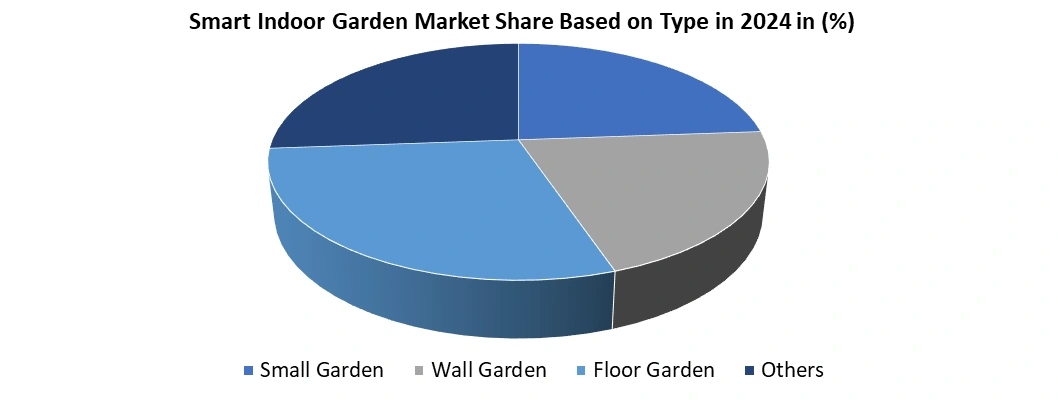 Based on Plant Type, the Smart Indoor Garden Market segmented into Herbs, Vegetables, Fruits, Flowers, Others. The Vegetables segment dominated the Plant Type segment in 2024. Due to rising consumer demand for fresh, pesticide-free produce and increasing awareness of homegrown food sustainability. Urban households are increasingly adopting smart hydroponic and IoT-based systems to grow vegetables such as lettuce, spinach, and tomatoes year-round, regardless of outdoor conditions. These systems offer faster growth cycles, efficient nutrient management, and minimal water usage, aligning with eco-friendly lifestyle trends. The convenience of producing nutritious vegetables at home, coupled with the integration of AI-enabled monitoring for temperature, lighting, and irrigation, has further boosted segment adoption. Moreover, the growing preference for organic and locally produced food, particularly in urban areas, continues to strengthen the dominance of the vegetable segment within the Smart Indoor Garden Market.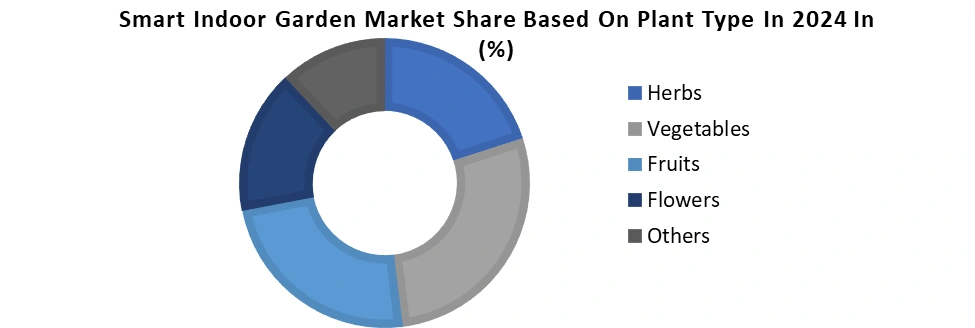
Smart Indoor Garden Market: Regional Analysis
North America dominated the Smart Indoor Garden Market in year 2024, holding the largest market share due to strong smart-home adoption, advanced technology integration, and the presence of leading smart indoor garden companies such as Gardyn, Rise Gardens, and AeroGarden. The region’s leadership is reinforced by widespread adoption of IoT indoor gardening solutions, AI-powered gardening devices, and energy-efficient indoor garden systems that align with sustainability goals. Government initiatives like the U.S. Department of Energy’s horticultural lighting programs and the DesignLights Consortium’s guidelines for smart LED grow lights have accelerated the adoption of automated indoor gardens and connected plant-growing technology. Increasing consumer awareness about organic food and sustainable lifestyles has further fueled demand for indoor vegetable growing systems and smart home gardening systems, especially across urban households seeking convenience and fresh produce year-round.
Meanwhile, the Asia-Pacific smart indoor garden market is projected to witness the fastest growth, driven by rapid urbanization, compact housing, and government initiatives promoting urban farming. Programs such as Singapore’s “30×30” food sustainability plan, India’s rooftop gardening incentives, and China’s smart-home integration policies have encouraged adoption of smart hydroponic gardens, indoor herb garden systems, and app-controlled gardening systems. Europe also shows significant expansion, supported by eco-friendly standards, smart gardening technology, and the popularity of eco-friendly smart gardening solutions among environmentally conscious consumers.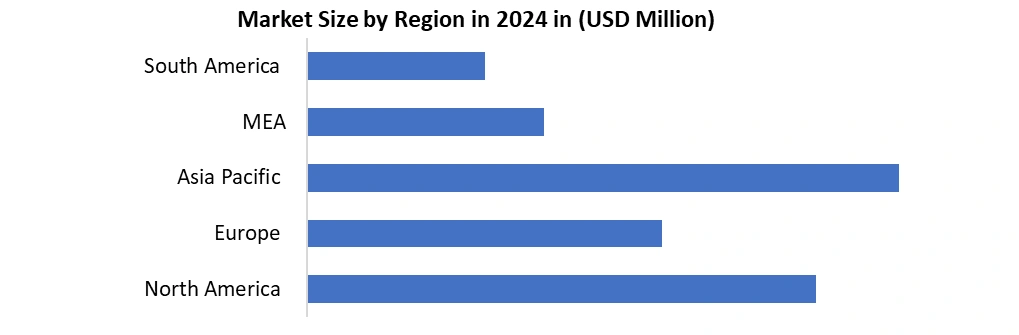
Smart Indoor Garden Market Scope
Smart Indoor Garden Market: Competitive landscape
The Smart Indoor Garden Market is becoming increasingly competitive as companies race to combine technology, design, and sustainability to meet growing global demand. The market is currently dominated by North American players such as Gardyn, Rise Gardens, and AeroGarden, which offer advanced smart hydroponic garden systems, AI-powered gardening devices, and app-controlled gardening systems for both residential and commercial users. However, AeroGarden’s 2024 shutdown reshaped the market landscape, giving room for newer brands and large corporations like LG Electronics, which recently introduced its indoor smart plant grower appliances integrated with ThinQ technology. These innovations demonstrate how established electronics brands are entering the connected indoor garden space, leveraging IoT and AI integration.
European players such as Click & Grow and IKEA are emphasizing sustainable, eco-friendly smart gardening solutions and seamless IoT indoor gardening interoperability through Matter-supported smart home ecosystems. In Asia-Pacific, innovation is accelerating due to government initiatives promoting smart indoor farming and compact living solutions. Companies in this region are introducing cost-effective smart LED grow lights and energy-efficient indoor garden systems tailored for small apartments. As competition intensifies, market leaders are focusing on automation, energy efficiency, and user-friendly design to capture a larger share in the growing smart indoor garden devices and smart gardening technology markets.
Smart Indoor Garden Market: Recent Development
On May 27, 2025, Little Kitchen Academy partnered exclusively with Click & Grow to integrate smart indoor gardens into its U.S. and Canadian locations. The collaboration enhances students’ hands-on, garden-to-table learning experience through sustainable Smart Gardens, promoting healthy eating habits and environmental awareness among children and families.
On October 16, 2024, AeroGarden, the smart indoor planter brand owned by Scott’s Miracle-Gro, will shut down operations on January 1, 2026. While its app will function temporarily, users can manually control devices. Products purchased after November 1, 2025, carry a 90-day warranty. Despite closing its store, AeroGarden items and compatible third-party seed pods remain available on Amazon.
Smart Indoor Garden Market: Trends
| Trend | Description |
| IoT Integration | Smart gardens with sensors and connected apps allow real-time monitoring of water, nutrients, and light, enhancing plant growth efficiency. |
| AI-Powered Gardening | AI algorithms optimize irrigation, lighting, and nutrient supply, predicting plant needs and improving yield. |
| Hydroponic Systems | Soil-free hydroponic gardens are increasingly popular for faster growth, reduced water use, and cleaner indoor gardening. |
| Smart LED Grow Lights | Energy-efficient, customizable LED lighting supports plant photosynthesis and year-round growth in indoor environments. |
| App-Controlled Systems | Mobile apps enable remote control, reminders, and notifications, simplifying garden management for beginners and tech-savvy users. |
Smart Indoor Garden Market Scope: Inquire before buying
| Global Smart Indoor Garden Market | |||
|---|---|---|---|
| Report Coverage | Details | ||
| Base Year: | 2024 | Forecast Period: | 2025-2032 |
| Historical Data: | 2019 to 2024 | Market Size in 2025: | USD 138.25 Mn. |
| Forecast Period 2025 to 2032 CAGR: | 9.4% | Market Size in 2032: | USD 250.12 Mn. |
| Segments Covered: | by Type | Small Garden Wall Garden Floor Garden Others |
|
| by Plant Type | Herbs Vegetables Fruits Flowers Others |
||
| by Technology | Self-watering Smart Sensing Smart Pest Management Others |
||
| by End-User | Residential Commercial |
||
| by Distribution Channel | Online Offline |
||
Smart Indoor Garden Market by Region
North America (United States, Canada and Mexico)
Europe (UK, France, Germany, Italy, Spain, Sweden, Austria, Turkey, Russia and Rest of Europe)
Asia Pacific (China, India, Japan, South Korea, Australia, ASEAN and Rest of APAC)
Middle East and Africa (South Africa, GCC, Egypt, Nigeria and Rest of ME&A)
South America (Brazil, Argentina, Columbia and Rest of South America)
Smart Indoor Garden Market, Key Players
1. Aero Farms
2. Grow Smart Greens
3. BSH Home Appliances Group
4. Click & Grow LLC
5. CityCrop Automated Indoor Farming Ltd.
6. EDN Inc.
7. Grobo Inc.
8. Metropolis Farms Canada
9. Moistenland LLC
10. Plantui Oy
11. The Leaf Land Scape
12. Tower Garden
13. AeroGarden
14. Veritable
15. Rise Gardens
16. IGWorks
17. Gardyn
18. Lettuce Grow
19. Auk Eco AS
20. Gardens Illustrated
21. Urban Cultivator
22. Plantaform
23. Freight Farms, Inc.
24. Back to the Roots
25. Vertical Harvest
26. Farmshelf
27. The Greenhouse People
28. GreenBox
29. Aralab
30. Viemose.nu
Frequently Asked Questions:
1. What is the growth rate of the Global Smart Indoor Garden Market?
Ans: The Global Smart Indoor Garden Market is anticipated to grow at a CAGR of 9.4% during the forecast period.
2. Which region is projected to lead the Global Smart Indoor Garden Market?
Ans: North America is expected to dominate the market due to advanced smart home adoption and rising indoor farming trends.
3. What will be the estimated market size of the Global Smart Indoor Garden Market by 2032?
Ans: The market size is projected to reach USD 250.12 million by 2032, driven by increasing demand for automated home gardening systems.
4. Who are the major players operating in the Global Smart Indoor Garden Market?
Ans: Key players include AeroFarms, Click & Grow, AVA Technologies, Bosch, Grobo, Agrilution, and BSH Hausgeräte, focusing on innovation and technology integration in indoor gardening.
5. What factors are driving the growth of the Global Smart Indoor Garden Market?
Ans: Market growth is fueled by urbanization, consumer preference for fresh and pesticide-free produce, IoT and AI innovations, and growing sustainability awareness.
6. Which country accounted for the largest market share in 2024?
Ans: The United States held the largest share of the Global Smart Indoor Garden Market in 2024.