
Plant-Based Milk Market Size by Product Type, Packaging, Application, Distribution Channel, Region – Segment-Level Market Assessment, Growth Opportunity Analysis, Competitive Mapping & Forecast to 2030
Overview
Global Plant-Based Milk Market size was valued at USD 13.77 Bn in 2023 and is expected to reach USD 28.78 Bn by 2030, at a CAGR of 11.1% over the forecast period.
Plant-Based Milk Market Overview
Plant-based milks, also referred to as dairy alternatives, are typically created by extracting the essence of legumes, grains, nuts, and/or seeds, which is then mixed with water. They closely mimic animal milk in terms of texture, appearance, and usage. For instance, in Spain, tigernut milk, also known as horchata de chufa, holds a prominent place as a national drink. In Korea, people enjoy sikhye, a traditional beverage made from cooked rice, malt extract, and sugar. In Uganda, Bushera is a traditional drink crafted from fermented sorghum or millet grains and water. Additionally, soya milk has a rich history in China, with its consumption dating back nearly 2,000 years.
Plant milk has evolved into a mainstream choice in various markets, moving beyond its initial association with vegans and vegetarians. A recent study conducted by Cargill revealed that 50% of US consumers now opt for both dairy and dairy alternatives, while 43% of Europeans are following this trend. In the UK, where Oatly is the second-largest market after its home base in Sweden, holding a 66% share of the plant-based milk market, oat milk witnessed a remarkable 66.7% increase between 2016 and 2017. As supply meets demand, and as the benefits and appeal of oat milk solidify in consumers' minds, oat milk is positioned to potentially challenge almond milk for the top position in this dynamic Plant-Based Milk market segment over the forecast period.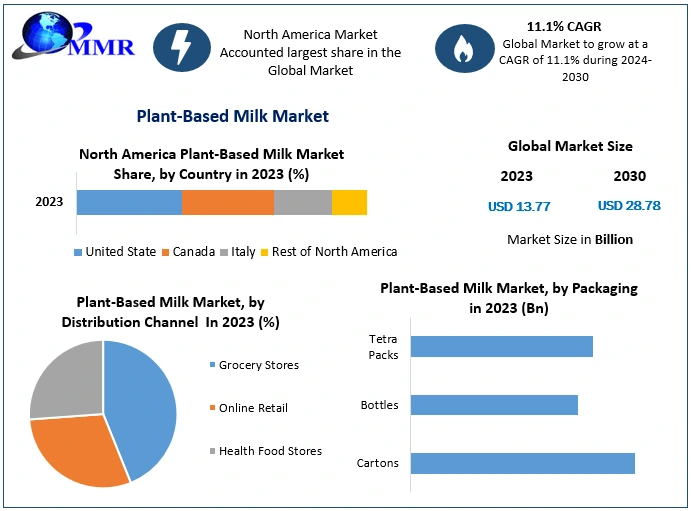 To know about the Research Methodology :- Request Free Sample Report
Plant-Based Milk Market Dynamics
Health-Conscious Consumers to boost the Plant Based Milk Market growth
For some health-conscious consumers, ethical considerations regarding animal welfare and sustainable food choices are paramount. By choosing plant-based milk, they feel that they are making a more ethical and sustainable dietary choice, aligning with their values and promoting a healthier planet.
Allergies to dairy and nuts have spurred the development and consumption of alternative plant-based milks. Varieties such as almond milk, soy milk, and oat milk offer safe options for individuals with specific allergies, broadening the market's reach. Prominent celebrities and influencers endorsing plant-based diets and lifestyles have had a significant impact on consumer choices. Their endorsements have brought plant-based milk alternatives into the public eye, encouraging more individuals to explore these products. Plant-based diets have gained prominence as dietary trends, fueled by documentaries, social media, and literature. This trendiness has influenced consumer choices and contributed to the market's growth. Plant-based milk brands often promote their products as rich in essential nutrients like vitamins, minerals, and antioxidants. These health claims and nutritional benefits attract health-conscious consumers seeking functional foods.
Taste and Texture Variability to restrain the Plant-Based Milk Market growth
The inconsistency in taste and texture compared to traditional dairy milk, limits the Plant Based Milk market. Consumers accustomed to the taste and mouthfeel of dairy milk find it challenging to transition to plant-based alternatives. This variation deter some individuals from fully embracing plant-based options. While plant-based milks are often promoted as allergen-free alternatives, they still pose allergenic risks, particularly for individuals with allergies to nuts or soy, which are common ingredients in many plant-based milk products. Plant Based Milk Manufacturers must ensure thorough allergen labeling and cross-contamination prevention to address this concern. Some plant-based milk products may have a limited nutritional profile compared to dairy milk. For example, they might contain lower levels of protein or specific vitamins and minerals. Consumers have concerns about meeting their nutritional needs when substituting dairy milk with plant-based alternatives.
Many plant-based milk products are packaged in single-use plastic containers, which contribute to environmental concerns related to plastic waste. Sustainable packaging solutions are being explored, but this issue impact consumer choices and brand reputation. Some plant-based milk products undergo extensive processing and contain additives to mimic the taste and texture of dairy milk. Concerns regarding the health implications of certain additives and the level of processing involved restrain consumer adoption. The supply chain for plant-based milk relies on a consistent and sustainable source of plant ingredients, such as almonds, soy, or oats. Vulnerabilities in these supply chains, including factors like climate change, impact the availability and cost of these ingredients, potentially affecting market stability. The regulatory environment for global plant-based milk market is evolving and vary by region. Manufacturers may face challenges related to labeling, terminology, and claims, which can impact product marketing and consumer understanding.
Plant-Based Milk Market Segment Analysis
Based on Product Type, the market is segmented into Almond Milk, Soy Milk, Oat Milk, Coconut Milk, Rice Milk, Cashew Milk, and Other plant Milks. Almond Milk segment dominated the market in 2023 and is expected to hold the largest plant-based milk Market share over the forecast period. Almond milk has gained significant popularity as a dairy alternative in recent years, but its roots stretch back further in history than one might imagine. Even during the Middle Ages, almonds were utilized in Europe to create milk substitutes.
Their advantage lay in their extended shelf life and nutrient-rich composition, which significantly contribute to increase the Plant-Based Milk Market size. While almonds contain a notable protein content, approximately 20%, industrially manufactured almond milk presents a drawback. During processing, the protein content gets filtered out along with the pulp, resulting in a final product containing a mere 0.5% protein. Almond milk is substantially diluted with water, rendering it relatively low in calories but also diminishing its nutrient density when compared to unprocessed almonds.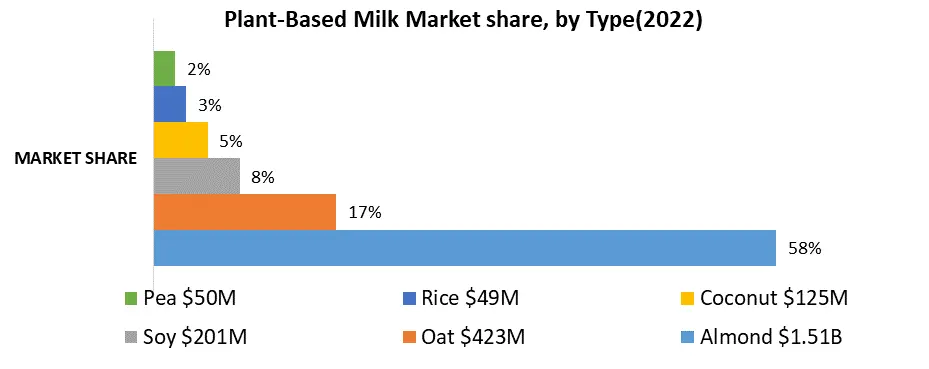 Based on Packaging, the market is segmented into Cartons, Bottles, and Tetra Packs. Cartons segment held the largest Plant-Based Milk market share in 2023 and is expected to dominate the market over the forecast period. Cartons provide ample surface area for branding and labeling, allowing manufacturers to communicate product information, nutritional details, and branding messages effectively to consumers. Carton packaging convey a sense of quality and safety to consumers. The durability and protective properties of cartons contribute to a positive perception of the product.
The carton segment in the plant-based milk market has gained prominence due to its alignment with sustainability goals and eco-conscious consumer preferences. It is an eco-friendly and practical packaging choice for plant-based milk, offering protection and convenience while reducing the environmental impact. Cartons are widely recognized for their recyclability and ability to safeguard the freshness and quality of plant-based milk products. This packaging option has become a symbol of responsible and sustainable packaging in the plant-based milk industry, appealing to a growing segment of environmentally aware consumers.
Based on Application, the Market is segmented into Beverages, Cereals, Cooking/Baking, Desserts, and Yogurt and Cultured Products. Beverages segment dominated the market in 2023 and is expected to hold the largest Plant-based Milk market share over the forecast period. Plant-based milk finds widespread application in beverages, including coffee, tea, smoothies, and as a standalone refreshment. Its adaptability, whether in neutral or flavored forms, makes it a versatile and convenient choice for a broad spectrum of beverage uses. The ongoing shift toward plant-based options is evident in many coffee shops and cafes, where customers seeking dairy-free alternatives in their coffee and tea can readily access plant-based milk.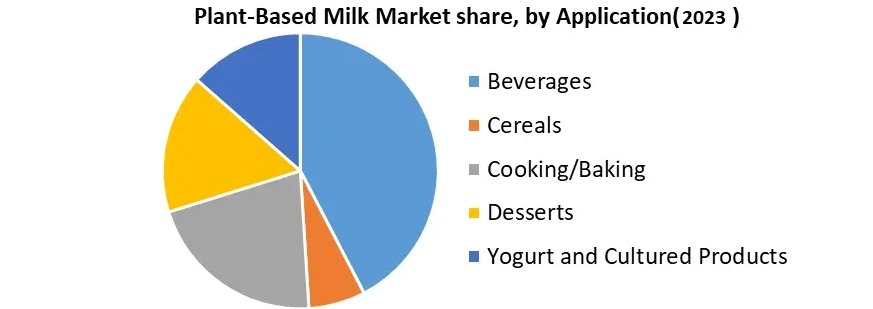 This trend has significantly fueled the utilization of plant-based milk in beverages. Health-conscious consumers with a penchant for dairy alternatives often turn to plant-based milk due to its perceived health advantages. Plant-based milk is hailed as a healthier choice in the beverage realm, further bolstering its prominence. Plant-based milk manufacturers have responded to consumer preferences by offering a diverse array of flavors and formulations, encompassing options like vanilla, chocolate, and unsweetened varieties. This extensive range caters to a wide spectrum of beverage preferences.
Plant-Based Milk Market Regional Insight
North America has witnessed a remarkable surge in the consumption of plant-based milk in recent years, driven by a complex interplay of factors reshaping consumer preferences and the broader food and beverage industry landscape. These drivers, spanning health, environmental concerns, ethical considerations, and evolving dietary choices, have catapulted plant-based milk into the mainstream. The widespread availability of plant-based milk in North America's grocery stores, supermarkets, and online marketplaces has made these products highly accessible to consumers. Convenience and easy access contribute significantly to the market's growth. Plant-based diets have ascended as a lifestyle trend, fueled by documentaries, social media campaigns, and popular books. This trendiness has significantly impacted consumer choices and fostered the growth of the North America Plant-Based Milk Market.
Plant-based milks in the market are commonly priced at approximately twice the cost of traditional dairy milk, averaging around $0.08 per fluid ounce, as of the California market data in February 2023. In contrast, traditional dairy milk is available at a significantly lower cost, with a retail price of $3.36 per gallon. The extent to which consumers within the target demographic perceive and embrace this price disparity, or ascribe it to other product attributes, remains an area of uncertainty. However, it is noteworthy that Oatly, a key player in the market, demonstrates the capacity to charge a modest premium compared to its competitors. This pricing advantage may be influenced by several factors, including the relatively recent introduction of the plant-based milk category, notwithstanding the availability of more economical alternatives like Planet Oat. Additionally, Oatly's brand strength, underpinned by a highly effective marketing team, and their assertion of delivering a superior product quality, could contribute to their ability to command this premium in the market.
In the UK market, the diverse range of successful plant-based milk options has been leveraged effectively. Supermarkets have allocated significant shelf space to accommodate a variety of unique offerings, and their expanding presence in refrigerated sections ensures these products are prominently displayed.
Plant-Based Milk Market Competitive Landscape
Continuous innovation in terms of product quality, packaging, and new flavors remains a key competitive factor. Some regional and local brands cater to specific markets, offering products that resonate with local tastes and preferences. Brands often implement customer loyalty programs and incentives to retain and attract consumers. The Plant-Based Milk market continues to attract new entrants, including startups and smaller manufacturers. These players often focus on unique formulations, flavors, and packaging to differentiate themselves. Many grocery stores and supermarkets offer their own private label or store brand plant-based milk products, providing more choices for consumers.
Major players such as Danone, Blue Diamond, and Califia Farms continue to invest in the category and launch new products as well. These developments put the total amount of capital invested in 2021 >$1.8B. This certainly dwarfs the once record year of plant-based milk investments in 2020 of $450M.
Plant-Based Milk Market Scope: Inquiry Before Buying
| Plant-Based Milk Market | |||
|---|---|---|---|
| Report Coverage | Details | ||
| Base Year: | 2023 | Forecast Period: | 2024-2030 |
| Historical Data: | 2018 to 2023 | Market Size in 2023: | US $ 13.77 Bn. |
| Forecast Period 2024 to 2030 CAGR: | 11.1% | Market Size in 2030: | US $ 28.78 Bn. |
| Segments Covered: | by Product Type | Almond Milk Soy Milk Oat Milk Coconut Milk Rice Milk Cashew Milk Other plant Milks |
|
| by Packaging | Cartons Bottles Tetra Packs |
||
| by Application | Beverages Cereals Cooking/Baking Desserts Yogurt and Cultured Products |
||
| by Distribution Channel | Grocery Stores Online Retail Health Food Stores |
||
Plant-Based Milk Market, by Region
North America (United States, Canada and Mexico)
Europe (UK, France, Germany, Italy, Spain, Sweden, Austria and Rest of Europe)
Asia Pacific (China, South Korea, Japan, India, Australia, Indonesia, Malaysia, Vietnam, Taiwan, Bangladesh, Pakistan and Rest of APAC)
Middle East and Africa (South Africa, GCC, Egypt, Nigeria and Rest of ME&A)
South America (Brazil, Argentina Rest of South America)
Plant-Based Milk Key Players include
1. Oatly
2. Groupe Danone
3. The Hain Celestial Group Inc.
4. Vitasoy International Holdings Limited.
5. McCormick & Co.
6. Sunopta Inc
7. Pacific Foods of Oregon, Inc
8. Goya Foods
9. Blue Diamond Growers, Inc.
10. Califia Farms
11. Ripple Foods
12. Sanitarium
13. Ecomil
14. Hiland Dairy
15. Natura Foods
16. Earth’s Own Food Company Inc
17. Edward & Sons
18. Chef’s Choice Food Manufacturer Company Limited
Frequently Asked Questions:
1: What are plant-based milks, and how are they made?
Ans: Plant-based milks, often referred to as dairy alternatives, are typically produced by extracting the essence from legumes, grains, nuts, and/or seeds, which is then blended with water. This mixture closely mimics the texture, appearance, and uses of animal milk.
2: How have plant-based milks gained popularity in the UK and Europe?
Ans: Plant-based milks have transitioned from niche products associated with vegans and vegetarians to mainstream choices. Recent studies indicate that a significant portion of consumers in the US and Europe now opt for both dairy and dairy alternatives, expanding the market's reach.
3: What are the major drivers and restraints for the plant-based milk market?
Ans: The key drivers include health-conscious consumers, dietary trends, allergy considerations, celebrity endorsements, and health claims. On the other hand, taste and texture variations, allergen concerns, limited nutritional profiles, sustainability issues, processing additives, supply chain vulnerabilities, and evolving regulations act as restraints.
4: How has North America witnessed the surge in plant-based milk consumption, and what factors are contributing to this trend?
Ans: North America has experienced a significant increase in plant-based milk consumption, primarily driven by factors such as health concerns, environmental considerations, ethical choices, and evolving dietary preferences. The widespread availability of plant-based milk in grocery stores, supermarkets, and online marketplaces, along with the influence of plant-based diets as a lifestyle trend, has further fueled this growth.
5: In which application segment is plant-based milk expected to dominate the market?
Ans: Plant-based milk is anticipated to have the largest market share in the beverages segment, with widespread applications in coffee, tea, smoothies, and as a standalone refreshment.