
Non-GMO Soybean Market – Industry Structure Evaluation, Demand Drivers Analysis, Regional Growth Analysis and Identification, Competitive Positioning Review & Global Market Size Forecast to 2030
Overview
Global Non-GMO Soybean Market size was valued at USD 25.88 Bn in 2023 and is expected to reach USD 44.35 Bn by 2030, at a CAGR of 8 %.
Overview
Non-GMO (Genetically Modified Organisms) soybeans offer a myriad of benefits, making them a staple in healthy diets. With superior nutritional profiles and versatile applications, they provide a valuable alternative to dairy products and meat substitutes. Non-GMO soybeans boast higher protein content, lower saturated fats, and zero cholesterol, promoting heart health and aiding in weight management. Rich in fiber, isoflavones, and essential vitamins and minerals, they support bone health, pregnancy, and overall well-being. Additionally, their role in reducing LDL cholesterol levels underscores their significance in maintaining cardiovascular health.
Incorporating non-GMO soybeans into diets not only enhances nutritional intake but also contributes to a healthier lifestyle. Soybeans serve a variety of applications in the food business. From use as edible oil to nutrient-rich supplementary food, Soybean has a wide range of applications in the Food & Beverages Market. It is observed that the shift of preference from conventional to the organic genre has resulted in demand for food products to be free from chemicals and should not cause any damage to the environment. This has resulted in demand for Non-GMO Soybean products.
Non-GMO products are produced without genetic engineering and are of the purest form in nature. Rising health concerns and demand for organic food have resulted in the growth of the Non-GMO Soybean market. With a wide range of applications from food to medicines and an extensive range of non-GMO soybean varieties, meticulously selected for their superior nutritional characteristics, the Global Non-GMO Soybean Market is growing. SB&B is a family-owned company dedicated to supplying premium non-GMO soybeans globally. With over 30 years of experience, we specialize in producing a variety of soybean types, including natto, soymilk, tofu, and more. Their commitment to quality extends from production to processing, ensuring that each bean meets the highest standards for size, taste, and texture. As the demand for non-GMO soy products continues to rise, we take pride in our role as a trusted supplier to food manufacturers worldwide.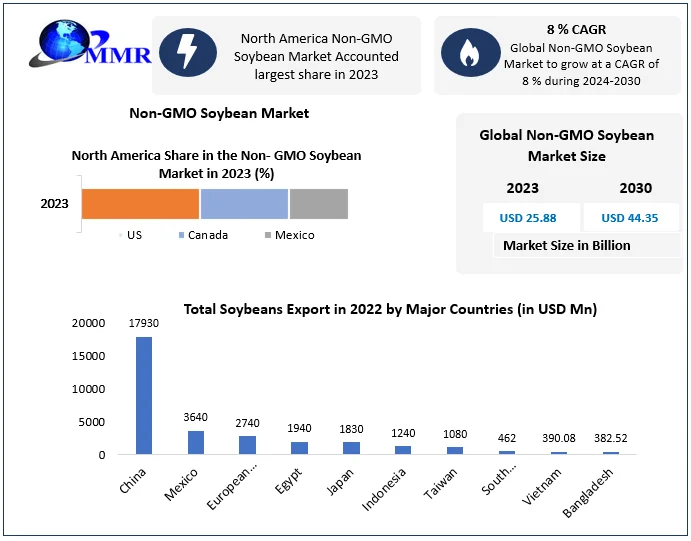 To know about the Research Methodology :- Request Free Sample Report
Non-GMO Soybean Market Dynamics: Drivers, Restraints, Opportunities and Trends
Consumer Demand for Healthier Options:
The growing awareness among consumers about the potential health risks associated with genetically modified organisms (GMOs) has been a significant driver of the non-GMO soybean market. Concerns regarding allergenicity, antibiotic resistance, and environmental impact have prompted many individuals to seek out non-GMO alternatives. Healthy foods are on the rise. Covid crisis highlighted the importance of healthy food for consumers. Consumers realized that having a healthy, balanced, and diversified diet is important to stay healthy. with the inflation 84%1 of consumers still consider health and wellness when purchasing fresh food.
Moreover, 55%1 of consumers say they are willing to pay a premium for the right healthy foods because they contribute to their health and wellness. In Europe, the number of product launches considered healthy increased by 149%. As a result, there has been an increasing demand for non-GMO soybeans, particularly among health-conscious consumers, driving market growth.
Regulatory Support and Labeling Requirements:
Regulatory bodies in various countries have implemented stringent regulations and labeling requirements for GMO products. This includes mandatory labeling of foods containing GMO ingredients, which has led to increased transparency in the food industry. The support from regulatory authorities for non-GMO products has provided a favorable environment for the expansion of the non-GMO soybean market, as consumers can easily identify and choose non-GMO options. The U.S. Food and Drug Administration (FDA) mandates labeling of genetically modified (GM) foods only if they pose significant differences in nutrition or safety, such as containing allergens not expected. However, voluntary labeling exists for companies perceiving market opportunities.
Mandatory labeling, opposed by some, would require all products with GM ingredients to be labeled, increasing costs for all consumers. Conversely, proponents argue for consumers' right to know and avoid certain ingredients, with surveys showing widespread support. The USDA Organic label indicates absence of GM ingredients. Implementing mandatory labeling faces complexities, including determining the threshold percentage of GM content necessitating labeling, which varies globally.
Expansion of Organic and Sustainable Agriculture:
The growing trend towards organic and sustainable farming practices has also driven the demand for non-GMO soybeans. Many farmers are transitioning to non-GMO and organic cultivation methods to meet the increasing consumer demand for healthier and environmentally friendly products. This shift towards sustainable agriculture not only benefits the environment but also contributes to the growth of the non-GMO soybean industry by ensuring a steady supply of non-GMO soybeans to meet market demand.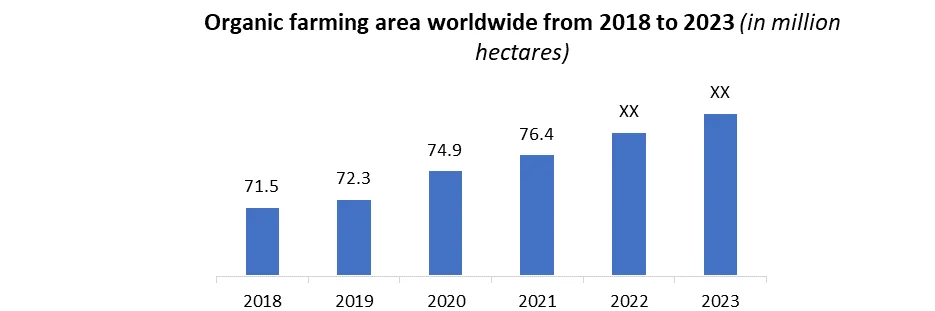 With the increasing consumer demand for healthier and more sustainable food options, the Non-GMO soybean market presents a compelling opportunity for stakeholders. Non-GMO soybeans, free from genetic modification, cater to a growing segment of health-conscious consumers who prioritize natural and organic products. This trend is bolstered by rising concerns over the potential health risks associated with GMO foods and the desire for transparency in the food supply chain.
Organic farming, deeply rooted in India's agricultural heritage, saw a resurgence amid concerns over sustainability and the agrarian crisis. Government initiatives to promote organic farming and Zero Budget Natural Farming find traction among farmers due to their low-cost techniques and lucrative yields. India leads in organic cotton production, contributing 47% to the global output. With over 1.14 million organic producers, representing 41% of the global total, the country's organic farming movement continues to gain momentum, offering a promising alternative to conventional agriculture.
Consumer Demand and Awareness to Boost the Market Growth
Consumer demand and awareness stand as pivotal factors in driving the growth of the Non-GMO soybean market. With an increasing focus on health-conscious consumption and environmental sustainability, consumers are actively seeking out Non-GMO products. Heightened awareness regarding the potential health risks and environmental impacts associated with genetically modified organisms (GMOs) has spurred this trend. Consumers are displaying a preference for products that are perceived as natural, wholesome, and free from genetic modification. This shift in consumer behavior has prompted food manufacturers and retailers to expand their offerings of Non-GMO soybean-based products, creating significant opportunities for growth within the market.
Non-GMO Soybean Market Restraints:
Technological Advancements in Seed Development: Technological advancements in seed development play a pivotal role in shaping the non-GMO soybean market. Innovations in breeding techniques and genetic research enable the creation of high-yielding, disease-resistant non-GMO soybean varieties. Access to superior seeds empowers farmers to enhance productivity while meeting the demand for non-GMO products, driving market growth and competitiveness.
International Trade and Market Access: Global trade agreements and geopolitical factors significantly influence the non-GMO soybean market. Tariffs, trade barriers, and shifting trade policies can impact market dynamics and export opportunities for producers. Navigating international trade regulations and securing market access in key regions are essential considerations for stakeholders aiming to expand their presence in the global non-GMO soybean industry.
Consumer Education and Marketing Initiatives: Effective consumer education and marketing initiatives play a pivotal role in driving adoption and growth in the non-GMO soybean market. Brands and producers invest in educational campaigns to raise awareness about the benefits of non-GMO products, addressing consumer concerns and dispelling misconceptions. Strategic marketing efforts that emphasize the unique selling points of non-GMO soybeans, such as taste, nutritional value, and environmental sustainability, are key drivers of market expansion and consumer adoption.
Non-GMO Soybean Market Segment Analysis
By Product:
The Global Non-GMO Soybean Market is categorized into Crushed Soybeans and Whole Soybeans by product type. The crushed soybeans segment held the largest market share in 2023 and is expected to maintain dominance throughout the forecast period. This dominance stems from the widespread cultivation of soybeans globally, resulting in various soybean types available in the market. Over 85% of the world's soybeans are crushed to produce soy meal and oil.
Approximately 80% of the crushed soy meal is utilized in animal feed production, while the remainder is processed into soy flour and proteins. The majority (around 89%) of the oil fraction is transformed into edible oil, with the remaining fraction used in the production of fatty acids, soaps, and biodiesel. The soybean supply chain is complex and includes many sectors, however a small group of big companies control large volumes of production at key points in the supply chain.
Also, the increasing demand for complex feed further boosts the need for soy oil in soy meal production for animal feeds. These factors collectively contribute to the high demand for non-GMO soybeans, particularly for soy oil production and subsequent product processing.
By Form:
In the Global Non-GMO Soybean Market, the Crushed Soybean Format is segmented into Soy Concentrates, Soy Flour, and Textured Soy Protein. Among these segments, Soy Concentrates held the largest market share in the market during the forecast period. This dominance is attributed to the high protein and fiber content inherent in non-GMO soybeans, which are key components of soy concentrates. Manufacturing processes involve dehulling non-GMO soybeans and extracting sugars and carbohydrates, resulting in a concentrated protein-rich product. Soy concentrates find extensive use in the production of functional food products due to their rich nutrient profile. Their easy digestibility makes them a preferred ingredient in various food items, health supplements, and dietary products. Consequently, the increasing demand for non-GMO soybeans is driving market growth, particularly in the segment focused on soy concentrates.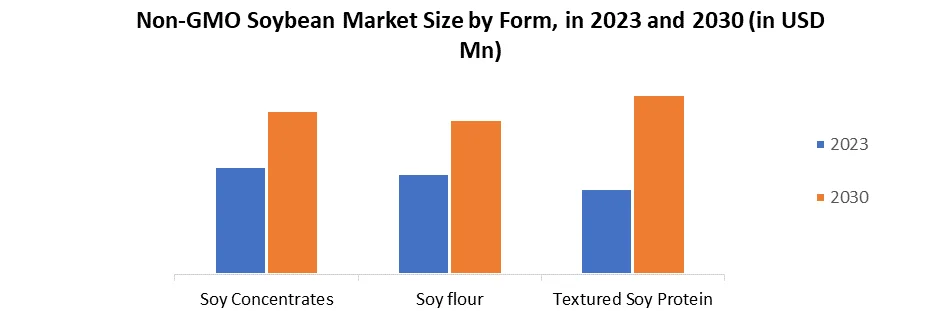
Non-GMO Soybean Market Regional Insight
North America stands out as the primary market for Non-GMO soybean products, particularly for medicinal applications. The region demonstrates a strong inclination towards incorporating soybeans into medicinal formulations, whether in powdered or oil forms. With a health-conscious population, North Americans prioritize protein-rich diets, making soybean protein a popular choice. Additionally, the fitness culture prevalent in this region contributes to the widespread consumption of soybean-based beverages. In 2023, North America held the largest market share.
The Asia-Pacific Non-GMO Soybean Market is expected to experience the highest growth rate during the forecast period. This growth is driven by the region's large population and extensive consumption of soybean-derived vegetable oil, favored for its economic viability. Rising awareness of the health benefits associated with protein-rich diets drives consumers towards herbal protein sources, including non-GMO soybean products like oil, beverages, and meals. Moreover, the demand for Non-GMO soybeans is bolstered by their use as protein supplements in animal feed, particularly for livestock growth and development, further stimulating market growth.
Asia and EU policies heavily influence soybean imports. Other major soybean importers in Asia, including Japan, Korea, and Taiwan, support their oilseed crushing industries by maintaining higher tariffs on soybean oil imports. The region’s soybean imports have been trending downward partly because of declining populations and a continual shift from importing feedstuffs for livestock production to importing meat and other livestock products. Over the next 10 years, Japan’s annual soybean imports are expected to decline from 2.8 million to 2.5 million tons.
Environmental regulations affecting the hog industry in markets such as the EU, Taiwan, and Korea also limited the growth of their livestock and feed industries, affecting their soybean imports. Soybean imports from the EU, Taiwan, and Korea are expected to remain steady over the projection period at 13.7 million tons, 2.4 million tons, and 1.4 million tons, respectively.
Europe also exhibits a notable growth trajectory in the Non-GMO soybean market, driven by increasing demand for organic protein foods. The region's preference for organic and natural products propels market expansion, with consumers actively seeking out Non-GMO soybean products for their nutritional benefits. This trend is expected to continue driving market growth in the years ahead.
Non-GMO Soybean Market Scope:Inquire before buying
| Global Non-GMO Soybean Market | |||
|---|---|---|---|
| Report Coverage | Details | ||
| Base Year: | 2023 | Forecast Period: | 2024-2030 |
| Historical Data: | 2018 to 2023 | Market Size in 2023: | US $ 25.88 Bn. |
| Forecast Period 2024 to 2030 CAGR: | 8% | Market Size in 2030: | US $ 44.35 Bn. |
| Segments Covered: | by Product | Whole Beans Crushed Beans |
|
| by Form | Soy Concentrates Soy flour Textured Soy Protein |
||
| by Application | Soybean Meal Soy Oil Livestock Feed Pharmaceutical Others |
||
| by End-User | Food and Beverages Animal Feed Others |
||
Non-GMO Soybean Market, by Region
North America (United States, Canada and Mexico)
Europe (UK, France, Germany, Italy, Spain, Sweden, Austria and Rest of Europe)
Asia Pacific (China, South Korea, Japan, India, Australia, Indonesia, Malaysia, Vietnam, Taiwan, Bangladesh, Pakistan and Rest of APAC)
Middle East and Africa (South Africa, GCC, Egypt, Nigeria and Rest of ME&A)
South America (Brazil, Argentina Rest of South America)
Non-GMO Soybean Market Key Players:
North America
1. Grain Millers, Inc. (USA)
2. World Food Processing, LLC (USA)
3. Zeeland Farm Services, Inc. (USA)
4. Laura Soybeans (USA)
Asia Pacific
5. Sans Inc. (South Korea)
6. Divine Soya & Agro Food (India)
7. Vantage Organic Foods Private Ltd. (India)
8. AVI Agri Business Pvt., Ltd. (India)
9. Others
Europe
10. Granos AG Co. (Switzerland)
11. TPK Varna, LLC (Bulgaria)
12. NOWAKO AS (Norway)
13. Eurofit (Germany)
14. Soya Trading S.L. (Spain)
15. FI Farm (Poland)
16. Green Snail Food Company Ltd. (United Kingdom)
17. ACIASSYSTEM (Uruguay)
18. 2PRC (France)
19. EFOS (Croatia)
20. Private Enterprise Victor & K (Belarus)
21. Agro Olga (Brazil)
Frequently Asked Questions:
1] What is the growth rate of the Global Non-GMO Soybean Market?
Ans. The Global Non-GMO Soybean Market is growing at a significant rate of 8 % during the forecast period.
2] Which region is expected to dominate the Global Non-GMO Soybean Market?
Ans. North America is expected to dominate the Non-GMO Soybean Market during the forecast period.
3] What is the expected Global Non-GMO Soybean Market size by 2030?
Ans. The Non-GMO Soybean Market size is expected to reach USD 25.88 Bn by 2030.
4] Which are the top players in the Global Non-GMO Soybean Market?
Ans. The major top players in the Global Non-GMO Soybean Market are Grain Millers, Inc. (USA), World Food Processing, LLC (USA)and others.
5] What are the factors driving the Global Non-GMO Soybean Market growth?
Ans. Growing awareness regarding the potential health risks associated with genetically modified organisms (GMOs) has led consumers to seek non-GMO alternatives is expected to drive the Non-GMO Soybean Market growth.
6] Which country held the largest Global Non-GMO Soybean Market share in 2023?
Ans. The United States held the largest Non-GMO Soybean Market share in 2023.