
Emission Monitoring System Market Size by System Type, Offering, Application, Region, Industry-Wide Analysis, Competitive Landscape Assessment & Long-Term Forecast to 2030
Overview
The Emission Monitoring System Market was valued at USD 8.91 billion in 2023 and is expected to grow at a CAGR of 5.02%.
Emission Monitoring System Market Overview:
Emission Monitoring System is a process of assessing the environmental impact of harmful emissions to aid a wide range of organizations end to meet their long-term sustainability goals. The emission monitoring system services ensure that the environmental emission is minimal, and the production is in accordance with environmental legislation. Emission monitoring systems are mainly used to monitor and measure accurately various gases emissions, such as oxygen, carbon monoxide, and carbon dioxide, Nitrogen Oxide, Sulfur Dioxide to provide sufficient information for combustion control in the industrial environment. These systems are a technique for various regulatory organizations across the globe to adhere to air pollution requirements. To know about the Research Methodology :- Request Free Sample Report
Emission Monitoring System Market Dynamics:
The deployment of stringent emission rules and regulations to combat climate change by various governments of countries across the globe is expected to fuel the product demand during the forecast period. For instance, in 2023, the European Commission has adopted a series of government proposals and has a target to achieve climate neutrality by 2050 in the European region, with at least a 55% net reduction in Green House Gases emissions by 2030. In addition, in 2022, the Department of Environment, Malaysia, implemented the Environmental Quality Act 1974 and Clean Air Regulation 2014, which performance monitoring of Air Pollution Control System, to control air pollution.
The EMS market is showing continuous northward direction growth, thanks to the growing demand from various end-users, mainly in oil and gas and power generation industries across the globe. The compulsion and stringent government regulations regarding the uses of the emission monitoring system (EMS) in the oil and gas industry's every segment to analyze and provide detailed information regarding harmful gas emissions and air quality is also driving the product demand. The system enables enterprises to determine gas concentration or emission level for various air pollutants. The systems are deployed to monitor and analyze various environmental pollutants including Nitrogen dioxide (NOx), Sulfur Dioxide (SO2), Mercury (Hg), Methane (CH4), Carbon Monoxide (CO), Carbon Dioxide (CO2), Hydrogen Chloride (HCI), Ammonia (NH3), Hydrogen Fluoride (HF), Sulphur Hexafluoride (SF6), and Total Organic Carbon (TOC), among others.
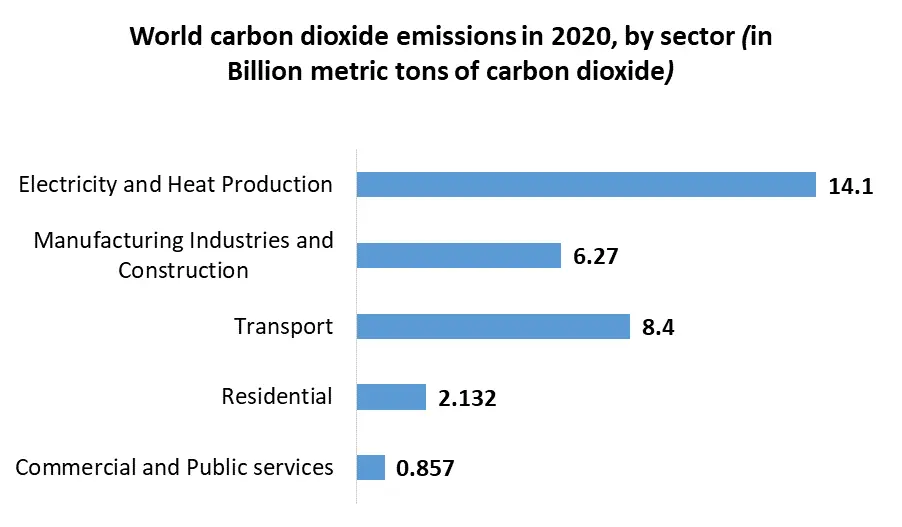
Growing emissions of Green House Gases across the globe are increasing the necessity of Emission Monitoring Systems to analyze and monitor the exhausted gases that are driving the EMS market growth during the forecast period. For instance, OECD countries still depend on fossil fuels (related to the production and consumption of coal, oil, gas, and petroleum products), particularly for industry and transportation, which are the major emitters of greenhouse gases (GHGs). According to new OECD data, total fossil fuel support in 44 OECD and G20 economies increased by 10% in 2019, to USD 178 billion, which is expected to increase the product demand in the OECD region.
The high installation costs required for the deployment of EMS, along with a lack of public awareness about the potential benefits of emission monitoring systems, are expected to hamper the EMS market growth during the forecast period.
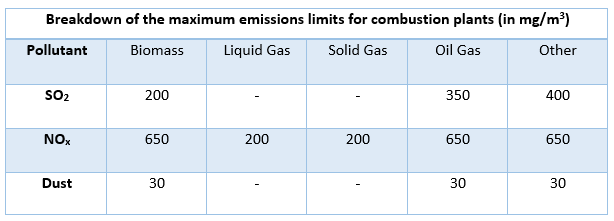
Emission Monitoring System Market Segment Analysis:
Based on the System Type, the Emission Monitoring System Market is segmented into Continuous Emission Monitoring System (CEMS), and Predictive Emission Monitoring System (PEMS). The Continuous Emission Monitoring System (CEMS) segment held the largest market share, accounting for 68% in 2023. CEMS is vital for various end-users, such as power stations and other industrial sites where the combustion of fuels is regularly taking place during production operations. The CEMS provides information about the levels of carbon monoxide (CO), carbon dioxide (CO2), oxygen (O), and other gases at the location, as a result, it ensures emissions remain safe and below the harmful level for human occupation and do not pose a fire risk. The growing demand for oil and natural gas and the rising adoption of EMS to reduce emissions are expected to drive the demand for continuous emission monitoring systems (CEMS) during the forecast period.
Based on the Application, the Emission Monitoring System Market is segmented into Power Generation, Oil & Gas, Chemicals & Fertilizers, Metals & Mining, Pharmaceuticals, and Others. The Oil & Gas segment held the largest market share, accounting for 28.1% in 2023. The segment growth is attributed to the growing production of the Oil and Gas Industry and increasing demand for EMS Systems to monitor emissions. Emission monitoring systems are primarily deployed in the oil and gas industry to measure and minimize the emission of harmful chemicals such as CH4, CO2, and SOx among others, and to gather the required data for reporting released emissions to government supervisory agencies such as the industrial emissions directive (IED).
The IEA's air pollution and Clean Air Act have set a limitation on the in-stack emission of pollutant concentrations at the point of release for various industries, including power plants, oil and gas, and building materials, as a result, these industries are required to maintain their emission monitoring standards continuously to maintain their operating license. Emission monitoring systems are primarily used in the oil and gas industry to monitor and reduce hazardous chemical emissions, which in turn drive the EMS market growth across the globe.
Emission Monitoring System Market Regional Insights:
North America region held the largest market share accounting for 34.6% in 2023. The region’s growth is attributed to the region's stringent and well-defined regulations for reducing emissions along with the growing adoption of EMS in the region. For instance, the Growing adoption of EMS in the region has resulted in the outbreak of lowered pollution levels in the United States. Surface PM2.5 levels fell in all three months of 2020 compared to the same period in 2019, with the highest drop of 20.6% in March. NO2 levels were similarly down by 9% in March 2020 compared to March 2019.
Asia Pacific region is expected to witness significant growth at a CAGR of 5.41% during the forecast period. In the region, China and India are leading markets by adopting the highest number of EMS across several end-users including power generation and Chemical use industries. For Instance, in 2019, China imposed strict regulations on the use of EMS in 80 countries, which in turn uplifted the EMS market growth in the region.
The objective of the report is to present a comprehensive analysis of the global Emission Monitoring System Market to the stakeholders in the industry. The past and current status of the industry with the forecasted market size and trends are presented in the report with the analysis of complicated data in simple language. The report covers all the aspects of the industry with a dedicated study of key players that include market leaders, followers, and new entrants.
PORTER, PESTEL analysis with the potential impact of micro-economic factors of the market have been presented in the report. External as well as internal factors that are supposed to affect the business positively or negatively have been analyzed, which will give a clear futuristic view of the industry to the decision-makers.
The reports also help in understanding the Market dynamic, structure by analyzing the market segments and projecting the Market size. Clear representation of competitive analysis of key players by Offering, price, financial position, product portfolio, growth strategies, and regional presence in the Emission Monitoring System Market make the report investor’s guide.
Emission Monitoring System Industry Ecosystem
Global Emission Monitoring System Market Scope: Inquiry Before Buying
| Emission Monitoring System Market | |||
|---|---|---|---|
| Report Coverage | Details | ||
| Base Year: | 2023 | Forecast Period: | 2024-2030 |
| Historical Data: | 2018 to 2023 | Market Size in 2023: | USD 8.91 Bn.. |
| Forecast Period 2024 to 2030 CAGR: | 5.02% | Market Size in 2030: | USD 12.55 Bn. |
| Segments Covered: | By System Type | Continuous Emission Monitoring System (CEMS) Predictive Emission Monitoring System (PEMS) |
|
| By Offering | Hardware Software Service |
||
| by Application | Power Generation Oil & Gas Chemicals & Fertilizers Metals & Mining Pharmaceuticals Others |
||
Global Emission Monitoring System Market, by Region
North America (United States, Canada and Mexico)
Europe (UK, France, Germany, Italy, Spain, Sweden, Austria, Turkey, Russia and Rest of Europe)
Asia Pacific (China, India, Japan, South Korea, Australia, ASEAN and Rest of APAC)
Middle East and Africa (South Africa, GCC, Egypt, Nigeria and Rest of ME&A)
South America (Brazil, Argentina, Columbia and Rest of South America)
Global Emission Monitoring System Market, Key Players are
1. ABB Ltd.
2. Sick AG
3. Emerson Electric Co.
4. Teledyne Technologies Inc.
5. Babcock & Wilcox Enterprises Inc.
6. Siemens AG
7. Durag Group
8. AMETEK Inc.
9. General Electric (US)
10. Enviro Technology Services Plc.
11. Horiba Ltd.
12. Fuji Electric Co. Ltd.
13. Thermo Fisher Scientific Inc.
14. Parker Hannfin
15. Rockwell Automation
16. SICK
17. CMC Solutions
18. Environmental S.A.
19. Opsis
20. Ecotech
Frequently Asked Questions:
1] What segments are covered in the Emission Monitoring System Market report?
Ans. The segments covered in the Emission Monitoring System Market report are based on System Type, Offering, and Application.
2] Which region is expected to hold the highest share in the Emission Monitoring System Market?
Ans. The North American region is expected to hold the highest share of the Emission Monitoring System Market.
3] What is the market size of the Emission Monitoring System Market by 2030?
Ans. The market size of the Emission Monitoring System Market by 2030 is US$ 12.55 Bn.
4] What is the forecast period for the Emission Monitoring System Market?
Ans. The forecast period for the Emission Monitoring System Market is 2024-2030.
5] What was the market size of the Emission Monitoring System Market in 2023?
Ans. The market size of the Emission Monitoring System Market in 2023 was US$ 8.91 Bn.