
Battery Charger Market - Industry Structure Evaluation, Demand Drivers Analysis, Regional Growth Analysis and Identification, Competitive Positioning / Landscape Review & Global Market Size Forecast to 2032
Overview
The Battery Charger Market size was valued at USD 24.73 Billion in 2024 and the total Battery Charger revenue is expected to grow at a CAGR of 6.8% from 2025 to 2032, reaching nearly USD 41.86 Billion.
The Battery Charger Market report aims to provide a comprehensive analysis to industry stakeholders. It covers historical data, forecasted market size, and trends, offering insights for decision-makers. The market's dynamics are divided through segmentation, competitive analysis, and projected growth strategies, providing the report is an invaluable guide for investors.
 To know about the Research Methodology :- Request Free Sample Report
Battery chargers are devices that recharge batteries by passing electric current through the device. Battery chargers are used for charging lithium-ion batteries in electric vehicles to allow efficient functioning for prolonged periods. The increasing reliance on electronics with rechargeable batteries, like smartphones, laptops, and even power tools, is a major factor driving the market growth, as well as the increasing adoption of electric vehicles (EVs), growing demand for portable electronic devices, and rising investments in renewable energy storage systems, is expected to drive the battery charger market in future.
1. According to MMR, 76.6K battery charger shipments were imported into the United States by 3,469 importers from 3,847 suppliers The United States is the world's second-largest importer of battery chargers, mostly getting its supply from China, Hong Kong, and Vietnam.
The battery charger market is highly competitive, with a wide range of leading players including electronics manufacturers, automotive companies, energy storage solution providers, and start-ups. Key players such as Anoma Corporation, Accutronics Limited, Panasonic, BYD Company, Associated Equipment Corporation, Delta Electronics, and Saft S.A. dominate the market, with smaller competitors focusing on specialized markets and innovative technologies.
Asia Pacific region is the fastest-growing region in the battery charger Market with a large market share of about xx% in 2024 and is expected to grow at a CAGR of 6.8% during the forecast period and maintain its dominance by 2032. The large population of countries like China and India generates a high potential consumer base for the adoption of Electric vehicles and chargers. It creates a greater need for chargers for new vehicles, which drives the growth of the Battery Charger market.
Battery Charger Market Dynamics:
Increasing dependence on electronics with rechargeable batteries
The battery charger market is poised for continued growth driven by the proliferation of EVs, portable electronic devices, and renewable energy storage systems. Technological advancements, regulatory support, and evolving consumer preferences are shaping the dynamics of the market. The number of electronic devices with rechargeable batteries like smartphones, laptops, tablets, power tools, cameras, etc., is growing exponentially. It creates a constant demand for chargers to keep these devices powered up. Lithium-ion batteries are becoming the dominant battery technology due to their high energy density and long lifespan. Lithium-ion batteries used in electric vehicles are charged via battery chargers to increase energy density, discharge tolerance, cycle life, and faster recharge times. The rising adoption of consumer electronics devices is accelerating the growth of the market.
The popularity of smartphones, laptops, tablets, and other portable devices is creating a high demand for portable battery chargers. The increasing demand for portable electronics has led to significant market penetration for battery chargers. Growing awareness of battery health, Consumers are becoming increasingly aware of the importance of proper battery care, leading to a rise in demand for intelligent chargers that optimize battery life.
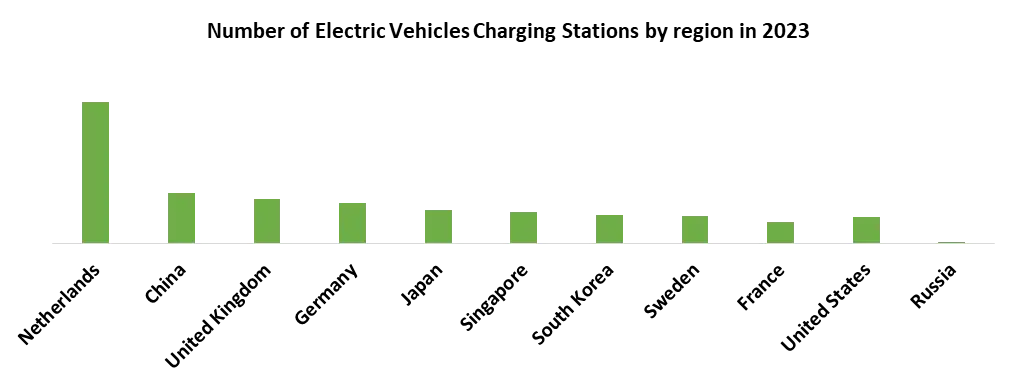
Many governments are promoting EV adoption through subsidies and tax breaks, which is indirectly driving the battery charger market as well as the rapid growth of the EV market and the demand for battery chargers, mainly fast chargers and home charging stations. The growing dependence on electronic gadgets powered by rechargeable batteries is the requirement for chargers, which is driving the global market's growth.
Battery Charger Market Restraints:
Heat generation is hampering the market’s growth
Excessive heat has significantly reduced the performance of batteries, which poses a challenge in various industries such as electric vehicles, portable electronics, and renewable energy storage. Degradation in battery capacity and lifespan occurs during charging or discharging and it leads to increased operational costs and decreased consumer confidence in product reliability. To overcome these challenges, extensive research into thermal management systems, advanced materials, and efficient cooling techniques is necessary. Industry stakeholders must also collaborate to implement stringent quality standards and regulatory frameworks to ensure the delivery of high-performance, durable battery solutions, adopting sustainable market growth.
The growth of the battery charger market faces constraints owing to the limited charging cycles of existing technologies. Even with the increasing demand for chargers driven by the proliferation of electronic devices and electric vehicles, the restricted lifespan of chargers stops market growth. Consumers are often discouraged by the need for repair of chargers, impacting their willingness to invest in new devices. Concerns regarding sustainability and environmental impact arise with the disposal of used chargers.
Battery Charger Market Trends:
Market to See Significant Impact by Rapid Advancements
The global market for battery chargers has expanded over the years as a result of the steady increase in the manufacturing and sales of battery-powered electronic devices and machinery as well as the creation of a completely new class of battery technologies. The market for battery chargers is primarily driven by the increasing energy storage requirements of electronic devices and equipment utilized in key end-use industries such as automotive, industrial, information technology, telecommunications, and consumer electronics. The market for battery chargers is being significantly impacted by the rapid advancements in rechargeable battery technology and manufacturers' unwavering focus on incorporating new functional qualities and producing them in smaller and lighter formats.
Battery Charger Market Segment Analysis:
Based on Product, the Wired battery charger segment holds the largest market share of about 42.4% in the Battery Charger Market in 2024. According to the MMR analysis, the segment is expected to grow at a CAGR of 6.8% during the forecast period and maintain its dominance till 2032. Wired battery chargers are dominating because of their affordability, and compatibility. Wired chargers are generally much cheaper than wireless chargers, making them a more accessible option for a wider range of consumers. Pricing strategies in the wired battery charger segment vary depending on factors such as charging speed, brand reputation, and additional features, Some companies use competitive pricing while others use premium pricing to highlight quality and advanced technology. Wired chargers are universally compatible with most devices that have a charging port, wireless chargers require specific device support. Wired chargers often offer faster charging speeds than wireless chargers, especially for laptops.
The wireless battery charger segment is experiencing significant growth because of its efficiency, convenience, and widespread adoption, particularly with the Qi-certified wireless charging standard. Wireless chargers offer a convenient way to power up your devices without the bother of dealing with cords. By just placing your device on a charging pad, you can enjoy a smooth charging process.

Based on Category, the OEM segment accounted for the largest market share in the Battery Charger Market in 2024 and is expected to maintain its dominance till 2032. The OEM chargers are designed to be integrated with the original design and manufacturing of a device or system. The devices provide faster charging speeds and play a key role in battery health protection. Therefore, the ability of battery chargers to provide compatibility and seamless integration with other devices is accelerating the growth of the market.
Battery Charger Market of Regional Analysis:
North America dominates the Battery Charger Market, which holds the largest market share accounting for 38.5% in 2024, the region is expected to grow during the forecast period and maintain its dominance by 2032. North America is dominating because of the Presence of major charger manufacturers and consumers from countries in the US, Canada, and Mexico, which supports the region’s growth. Technological advancements, wide adoption of electric vehicles, and also increasing demand for portable electronic devices are driving the growth of the battery charger market.
A significant need for Battery chargers across various industries like consumer electronics, Medical and healthcare devices, automotive, industrial equipment, and telecommunications. North America is expected to remain dominant in the market, as growing demand for battery chargers for various industries including Automotive, Telecommunications, information technology, and consumer electronics. The region has experienced a rise in the use of electric vehicles, resulting in a higher need for effective and dependable charging stations. This development has also boosted the growth of the battery charger industry in North America.
Europe presents a steady market for the Battery Charger Market holds a market share of XX % and is significantly growing during its forecast period. In Europe, the growing demand for battery chargers is because Europe has been actively promoting the adoption of Electric vehicles to reduce carbon gas emissions and dependence on fossil fuels. Governments in European countries offer incentives like subsidies, tax benefits, and infrastructure development to support EV adoption. European Union regulations promote electric and hybrid vehicles, increasing the need for charging infrastructure and battery chargers.
Competitive Landscape for the Battery Charger Market:
A key Company's strategy is its constant commitment to research and development (R&D) to maintain a leading position in technological development. The competitive landscape of the Battery Charger Market includes a mix of established companies focusing on research and development to enhance efficiency and performance. Product launches have been an important strategic step for the major players in the Battery Charger Market to remain competitive in the global market.
The market is characterized by technological advancements, government regulations, and consumer demand for healthy and natural food products, driving the Battery Charger industry's growth.
1. In April 2022, Volkswagen Group and BP collaborated to rapidly roll out EV fast chargers to boost the adoption of electric vehicles (EVs) across Europe.
2. In August 2022, Sun Run Inc. launched an electric vehicle charger allowing customers to power their vehicles at home with abundant and affordable solar energy.
3. In December 2022, the company announced plans to merge two of its lithium business subsidiaries, Exide Leclanche Energy Private Limited and Exide Energy Solutions Limited, into a single entity. This merger aims to streamline the company's lithium-ion business operations and enhance its overall efficiency.
4. On May 31, 2023, Anoma Foundation, a blockchain technology non-profit, recently raised $25 million in a round of funding led by returning investor, CMCC Global .The funding round also saw participation from new investors such as KR1 Plc, Delphi Digital Inc., 99 Duxton Pte. Ltd., NGC Ventures. The funds raised will be used for further development of the Anoma architecture, research and development, ecosystem development, and strategic partnerships.
Battery Charger Market Scope: Inquire before buying
| Battery Charger Market | |||
|---|---|---|---|
| Report Coverage | Details | ||
| Base Year: | 2024 | Forecast Period: | 2025-2032 |
| Historical Data: | 2019 to 2024 | Market Size in 2024: | USD 24.73 Bn. |
| Forecast Period 2025 to 2032 CAGR: | 6.8% | Market Size in 2032: | USD 41.86 Bn. |
| Segments Covered: | by Product | Wired Wireless |
|
| by Category | OEM Replacement |
||
| by Application | Smartphones Laptops Electric Vehicles Tablets Digital Camera Others |
||
Battery Charger Market, by Region
North America (United States, Canada and Mexico)
Europe (UK, France, Germany, Italy, Spain, Sweden, Austria and Rest of Europe)
Asia Pacific (China, South Korea, Japan, India, Australia, Indonesia, Malaysia, Vietnam, Taiwan, Bangladesh, Pakistan and Rest of APAC)
Middle East and Africa (South Africa, GCC, Egypt, Nigeria and Rest of ME&A)
South America (Brazil, Argentina Rest of South America)
Battery Charger Market, Key Players:
North America:
1. Delta-Q Technologies Corporation (Canada)
2. Clore Automotive - Lenexa, United States
3. Energizer Holdings, Inc. - Missouri, United States
4. Anoma Corporation - California
5. NOCO Company - United States
6. BatteryStuff.com - Oregon, United States
7. Associated Equipment Corporation (U.S)
8. Spectrum Brands Inc. (Wisconsin, U.S.)
9. Yuasa Battery Inc. (U.S.)
10. Ferro Magnetics Corporation (U.S.)
Europe:
1. Schneider Electric SE - France
2. CTEK Holding AB – Sweden
3. Accutronics Limited - United Kingdom
4. Exide Technologies (France)
5. Saft Batteries (France)
6. Mastervolt International BV (Netherlands)
Asia Pacific:
1. Powerbase Industrial (HK) Ltd. (China)
2. Panasonic Corporation (Japan)
3. Anker Innovations Limited (China)
Middle East & Africa:
1. Uniross Batteries (South Africa)
Frequently Asked Questions:
1] What is the growth rate of the Battery Charger Market?
Ans. The Battery Charger Market is expected to grow at a CAGR of 6.8 % during the forecast period of 2025 to 2032.
2] What are the key factors driving the global battery charger market?
Ans. The rising demand for battery chargers to charge wearable medical devices, such as hearing aids, blood glucose monitors, blood pressure machines, etc., is primarily driving the global battery charger market.
3] Which region is expected to hold the highest share of the Battery Charger Market?
Ans. North America is expected to hold the highest share of the Battery Charger Market.
4] What was the Global Battery Charger Market size in 2024?
Ans: The Global Battery Charger Market size was USD 24.73 Billion in 2024.
5] What segments are covered in the Battery Charger Market report?
Ans. The segments covered in the Battery Charger Market report are based on Product, Category, and Application.