
Baby Diapers Market Size by Product Type, Size, Age Group, Distribution Channel, Region – Segment-Level Market Assessment, Growth Opportunity Analysis, Competitive Mapping & Forecast to 2032
Overview
The Baby Diapers Market size was valued at USD 80.96 Billion in 2024 and the total Baby Diapers revenue is expected to grow at a CAGR of 5.3% from 2025 to 2032, reaching nearly USD 122.39 Billion.
Baby Diapers Market Overview
Diapers have evolved significantly, meeting diverse consumer needs, with baby diapers being the most recognized and widely used. Specifically crafted for infants and young children, these diapers prioritize comfort and absorbency, ensuring dryness day and night. The Baby Diapers Market offers an array of options, including disposable and cloth diapers in various sizes and styles, catering to parents' preferences and lifestyles. For diaper manufacturers, understanding the intricacies of baby diapers is crucial for success in this competitive industry. The report delves into the significance of identifying a niche market and explores the various types and styles of diapers, emphasizing the dynamic landscape of the diaper manufacturing sector. To know about the Research Methodology :- Request Free Sample Report
The major driving factors of global baby diapers markets are increasing population, rising awareness regarding child health, increase in literacy, urbanization, increase in the number of working mothers, growing affluence, and increase in per capita spending. Additionally, the key factors contributing to the growth of the global baby diaper market are the advantages provided by diapers, such as safety, comfort, convenience, ready availability, easy disposal, and cost-effectiveness. Diapers are healthy for infant skin, as they reduce rashes, irritations, and infections. They provide comfort to the infant by their perfect fit, softness, absorbency, and breathable nature.
Baby Diapers Market Dynamics
The Increasing Birth Rates and Population Growth to Drive the Market Growth
The Baby Diapers Market is significantly influenced by global demographic trends, particularly the steady rise in birth rates and population growth. As more regions experience an upswing in childbirth, the demand for baby diapers escalates proportionally. This surge is fueled by factors such as improved healthcare, rising income levels, and changing lifestyle patterns. The growing middle class in emerging economies contributes substantially to the market's expansion, as parents increasingly prioritize hygiene and convenience, driving the adoption of disposable diapers. This demographic shift creates a robust foundation for sustained market growth, with manufacturers strategically aligning product innovations to cater to diverse consumer needs. The global average fertility rate has undergone a significant transformation over the last 50 years, decreasing from over 5 children per woman in 1965 to less than 2.5 today. This rapid decline is attributed to key factors such as the empowerment of women through increased access to education and labor force participation, declining child mortality rates, and the rising cost of raising children, including the decrease in child labor. As a consequence, the global population growth rate has dropped from 2.3% per year in 1963 to less than 1% presently. This decline signifies a transition to a new balance where rapid population change is tapering off.
Urbanization and evolving lifestyles are driving the Baby Diapers Market as they bring about a shift in consumer preferences and purchasing patterns. Urban households, characterized by busy schedules and dual-income dynamics, are increasingly inclined towards the convenience offered by disposable diapers. The need for time-efficient solutions aligns with the advantages of disposable diapers, contributing to their widespread adoption. Additionally, the rise in nuclear families and the prevalence of working mothers further accentuate the demand for hassle-free diapering solutions, pushing manufacturers to develop products that cater to the evolving needs of modern families. Urbanization, with its associated lifestyle changes, is a pivotal factor propelling the growth trajectory of the baby diapers industry.
Growing Awareness of Health and Hygiene to Drive the Market
Good hygiene is critical for preventing the spread of infectious diseases and helping children lead long healthy lives. It also prevents them from missing school, resulting in better learning outcomes. For families, good hygiene means avoiding illness and spending less on health care. In some contexts, it can also secure a family’s social status and help individuals maintain self-confidence. The increasing awareness of health and hygiene practices has become a pivotal driver for the Baby Diapers Industry. Parents are placing greater emphasis on maintaining the well-being of their infants, propelling the demand for diapers with advanced features such as enhanced absorbency, hypoallergenic materials, and improved breathability. The ongoing emphasis on preventing diaper rash and ensuring comfort for babies has led to a surge in the adoption of premium and eco-friendly diaper options. This heightened consciousness among consumers regarding the importance of diaper quality and its impact on a child's overall health is steering the market toward innovation and sustainability, creating avenues for manufacturers to differentiate their offerings.
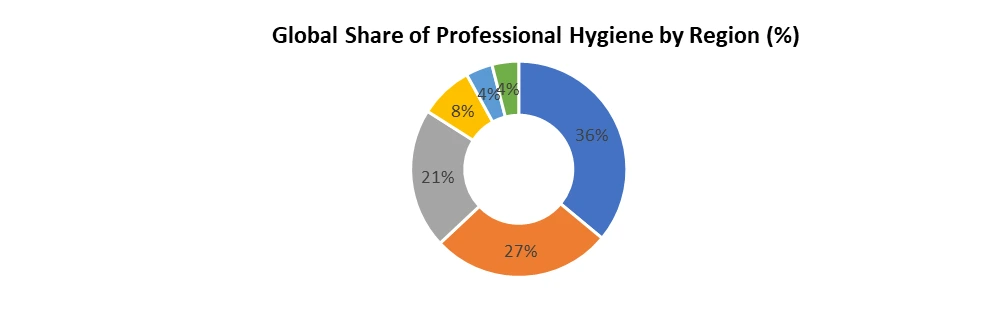
Consumer health trends continue to evolve, influenced by factors like aging populations, rising affluence, and recent global events. In emerging markets, the use of Essity’s hygiene and health solutions is significantly lower than in mature markets. One example is that consumption of incontinence products in Asia is only about one-fifth of that in Western Europe, and tissue consumption in Eastern Europe is only about one-third of that in Western Europe. Several trends are increasing demand in emerging markets, including higher living standards, urbanization and the expansion of retail trade, e-commerce and health and medical care. In emerging markets, Essity has an increased presence and many leading Baby Diapers Market positions.
Innovation and Sustainable Materials
Disposable diapers, while convenient for parents, contribute significantly to global environmental pollution, taking hundreds of years to decompose in landfills. The escalating demand for a more sustainable alternative has fueled interest in biodegradable diapers, made from renewable and ethically produced materials, minimizing environmental impact. Unlike traditional diapers, biodegradable options lack harmful chemicals, addressing health concerns. Despite challenges such as potential reduced absorbency, higher production energy, and resource consumption, biodegradable diapers offer a crucial solution to the mounting waste problem. Their organic degradation in the environment reduces landfill waste, providing a more eco-friendly option for future generations. The baby diapers market is witnessing a significant growth opportunity through innovation and the adoption of sustainable materials. As consumers become more environmentally conscious, there is a rising demand for eco-friendly diaper options. Companies investing in research and development to create diapers with biodegradable materials, reduced carbon footprint, and increased recyclability are likely to capture a substantial market share. Additionally, the integration of advanced technologies, such as moisture indicators and improved absorbency, enhances the overall performance of diapers, appealing to tech-savvy parents. By aligning with sustainability trends and incorporating cutting-edge features, businesses can tap into a growing Baby Diapers Market segment while fulfilling the evolving needs of environmentally aware consumers.
For instance, Procter & Gamble (P&G) is actively pursuing sustainability in its diaper products, aiming to develop recyclable versions as part of its broader environmental goals. The company, with Pampers being its leading global brand, is committed to making 100% of its packaging recyclable by 2030. P&G has already made strides in reducing diaper material weight and is exploring innovations to decrease components and incorporate more sustainable materials. The company's recent initiatives include launching EC30, offering recyclable bamboo products, and partnering with Loop/Terracycle for circular delivery recycling. Their focus on eco-friendly diapers aligns with growing consumer demand for natural diaper products, presenting an opportunity for the company to innovate and meet green objectives.
E-commerce Expansion and Global Market Penetration:
The baby diapers market is poised for robust growth through the expansion of e-commerce channels and increased global market penetration. With the convenience of online shopping, parents prefer the ease of purchasing diapers from the comfort of their homes. Companies focusing on strengthening their e-commerce presence, optimizing online platforms, and offering seamless delivery options can capitalize on this trend. Moreover, targeting emerging markets and adapting products to meet diverse cultural preferences and regulations present a substantial growth avenue. By strategically entering untapped regions and leveraging digital platforms, companies broaden their customer base, driving overall market growth and enhancing their competitive position in the global baby diapers market.
Regulatory Compliance and Standards:
The baby diapers market is subject to stringent regulations and standards, particularly regarding safety, hygiene, and chemical content. Compliance with these regulations requires continuous adaptation and innovation in diaper design and materials. Meeting these standards is a costly and time-consuming process, limiting the introduction of new products and technologies. Adherence to global and regional regulatory frameworks adds complexity to market dynamics, as companies need to invest in research and development to ensure compliance while meeting.
Regulatory authorities, such as the Bureau of Indian Standards (BIS), play a crucial role in establishing and enforcing standards. For example, the Medical Textiles (Quality Control) Order, in India mandates compliance with IS 17509:for baby diapers. This order, effective from 1st April (1st October for SMEs), imposes penalties for non-compliance under the BIS Act, 2016. Manufacturers, importers, and sellers must obtain BIS certification, emphasizing the importance of adhering to specified standards to ensure consumer well-being and regulatory compliance in the baby diaper market.
Baby Diapers Market Segment Analysis
By Product Type:
Based on product type, the Baby Diapers Market is categorized into disposable and non-disposable products, the global baby care industry saw the disposable segment claim a substantial share, surpassing 65.80% of total revenue in 2024. This dominance is anticipated to persist throughout the forecast period, fueled by a growing infant population and increased disposable incomes, particularly in Asia, Latin America, the Middle East, and Africa. Leading brands like Pampers and Huggies contribute significantly to this segment. However, the non-disposable product category is poised for the fastest growth rate. Heightened awareness about the potential harmful effects of chemicals in disposable variants is steering consumers towards biodegradable and non-disposable alternatives crafted from natural materials. This shift aligns with a growing preference for sustainable choices and a desire to mitigate environmental impact. Additionally, non-disposable products offer potential benefits in preventing bacterial infections, maintaining hygiene, and containing germs, fostering their increased adoption.
By Distribution Channel
In 2024, the offline segment emerged as the dominant distribution channel, contributing over 76.40% of total revenue in the Baby Diapers Industry. Major manufacturers strategically prioritize these physical stores, capitalizing on their expansive reach to consumers. Retailers are drawn to incorporating these products due to their high-profit margins, and the immediacy of availability, along with physical verification, fuels robust sales through offline channels. Conversely, the online segment is forecasted to exhibit the swiftest growth from 2025-2032. This surge is attributed to increased internet penetration and the widespread availability of various brands on e-commerce platforms. Notably, the baby care industry has witnessed a rapid evolution in e-commerce, prompting manufacturers like Johnson & Johnson Consumer Inc. and The Himalaya Drug Company to leverage online channels for enhanced brand visibility and extended consumer outreach across diverse geographical regions.
Baby Diapers Market Reginal Insight
The Asia Pacific Baby Diapers Market is poised to experience rapid growth at a projected rate of 5.4% throughout the forecast period. Manufacturers are increasingly directing their attention to this region, particularly in countries such as Indonesia, India, and Thailand, where a surge in demand for baby diapers is anticipated. The emergence of a prosperous demographic of parents in these countries is expected to drive the adoption of baby diapers in the coming years. Notably, there is a growing consumer preference for eco-friendly baby care and wellness products in response to heightened environmental concerns. Kimberly-Clark is a pioneer and global leader of trusted baby and childcare brands and products, including diapers, wipes and training pants.
This inclination has prompted manufacturers to prioritize the production of biodegradable baby products. In North America, a substantial Compound Annual Growth Rate (CAGR) is also anticipated during the forecast period. The robust purchasing power and affordability of consumers empower them to invest in highly effective baby products, regardless of price points. In the U.S., there is a rising demand for natural and organic products, leading companies to focus on incorporating natural ingredients, enhancing performance, and improving aesthetics to appeal to contemporary parents.
In the competitive landscape, Kimberly-Clark, a global leader, demonstrates corporate responsibility through its partnership with Meijer and Huggies, addressing the pressing issue of diaper need in the U.S. The strategic alliance involves a philanthropic initiative, where for each Huggies pack bought at Meijer, a day's worth of diapers is donated to the National Diaper Bank Network (NDBN), contributing up to 400,000 diapers. This not only aids families in need but also fosters a positive brand image for Huggies. As the founding sponsor of NDBN, Huggies has donated over 300 million diapers since 2011. Kimberly-Clark's commitment to social impact, coupled with its strong brand portfolio, positions it as a socially responsible industry player, enhancing its competitive standing.
The objective of the report is to present a comprehensive analysis of the Global Baby Diapers Market including all the stakeholders of the industry. The past and current status of the industry with forecasted market size and trends are presented in the report with the analysis of complicated data in simple language.
The report covers all the aspects of the industry with a dedicated study of key players that includes market leaders, followers and new entrants by Region. PORTER, SWOT, PESTEL analysis with the potential impact of micro-economic factors by Region on the market have been presented in the report. External as well as internal factors that are supposed to affect the business positively or negatively have been analyzed, which will give a clear futuristic view of the industry to the decision-makers.
The report also helps in understanding Global Baby Diapers Market dynamics, structure by analyzing the market segments and project the Global Baby Diapers Market size. Clear representation of competitive analysis of key players by Type, price, financial position, Product portfolio, growth strategies, and regional presence in the Global Baby Diapers Market make the report investor’s guide.
Baby Diapers Market Key Highlights:
1. Global Baby Diapers Market analysis and forecast, in terms of value.
2. Comprehensive study and analysis of market drivers, restraints and opportunities influencing the growth of the Global Baby Diapers Market
3. Global Market segmentation on the basis of type, source, end-user, and region (country-wise) has been provided.
4. Global Market strategic analysis with respect to individual growth trends, future prospects along with the contribution of various sub-market stakeholders have been considered under the scope of study.
5. Global Market analysis and forecast for five major regions namely North America, Europe, Asia Pacific, the Middle East & Africa (MEA) and Latin America along with country-wise segmentation.
6. Profiles of key industry players, their strategic perspective, market positioning and analysis of core competencies are further profiled.
7. Competitive developments, investments, strategic expansion and competitive landscape of the key players operating in the Global Baby Diapers Market are also profiled.
Baby Diapers Market Scope: Inquire before buying
| Global Baby Diapers Market | |||
|---|---|---|---|
| Report Coverage | Details | ||
| Base Year: | 2024 | Forecast Period: | 2025-2032 |
| Historical Data: | 2019 to 2024 | Market Size in 2024: | USD 80.96 Bn. |
| Forecast Period 2025 to 2032 CAGR: | 5.3% | Market Size in 2032: | USD 122.39 Bn. |
| Segments Covered: | by Product Type | Disposable Diaper Reusable Diaper |
|
| by Size | Extra Small Medium Large Extra Large |
||
| by Age Group | 0-6 months 6-18 months 18-24 months Above 2 year |
||
| by Distribution Channel | Retail Stores E-Commerce |
||
Baby Diapers Market, by Region:
North America (United States, Canada and Mexico)
Europe (UK, France, Germany, Italy, Spain, Sweden, Austria and Rest of Europe)
Asia Pacific (China, South Korea, Japan, India, Australia, Indonesia, Malaysia, Vietnam, Taiwan, Bangladesh, Pakistan and Rest of APAC)
Middle East and Africa (South Africa, GCC, Egypt, Nigeria and Rest of ME&A)
South America (Brazil, Argentina Rest of South America)
Baby Diapers Key players
North America
1. Procter & Gamble Co.(P&G) :USA
2. Kimberly-Clark Corp.USA
3. First Quality Enterprises, Inc.: USA
4. Cotton Babies: USA
5. The Honest Co.: USA
6. The Hain Celestial Group.: USA
7. Bummis: Canada
8. Bumkins Inc.: USA
9. Domtar Corporation: USA
10. Bambo Nature USA
Asia Pacific
11. Hengan International Group Company Ltd.: China
12. Unicharm Corp.: Japan
13. KAO Corp.: Japan
14. Johnson & Johnson Private Ltd.: India
15. Nobel Hygiene Pvt Ltd.: India
16. Fujian Shuangheng Group Co. Ltd.: China
17. Daio Paper Corporation: Japan
Europe
18. Phillips Healthcare: Netherlands
19. Drylock Technologies NV: Belgium
20. Svenska Cellulosa Aktiebolaget SCA: Sweden
21. Essity Aktiebolag (PUBL): Sweden
22. DSG International: Malaysia
23. Ontex International: Belgium
Frequently Asked Questions:
1] What is the growth rate of the Global Baby Diapers Market?
Ans. The Global Baby Diapers Market is growing at a significant rate of 5.3 % during the forecast period.
2] Which region is expected to dominate the Global Baby Diapers Market?
Ans. APAC is expected to dominate the Baby Diapers Market during the forecast period.
3] What is the expected Global Baby Diapers Market size by 2032?
Ans. The Baby Diapers Market size is expected to reach USD 122.39 Bn by 2032.
4] Which are the top players in the Global Baby Diapers Market?
Ans. The major top players in the Global Baby Diapers Market are Procter & Gamble Co. (P&G), Kimberly-Clark Corp and others.
5] What are the factors driving the Global Baby Diapers Market growth?
Ans. The major driving factors of global baby diapers markets are increasing population, rising awareness regarding child health, increase in literacy, urbanization, increase in the number of working mothers, growing affluence, and increase in per capita spending.
6] What was the Global Baby Diapers Market size in 2024?
Ans: The Global Baby Diapers Market size was USD 80.96 Billion in 2024.