
Cotton Textile Market – Industry Structure Evaluation, Demand Drivers Analysis, Regional Growth Analysis and Identification, Competitive Positioning Review & Global Market Size Forecast to 2030
Overview
The Cotton Textile Market size was valued at USD 155.70 Billion in 2023 and the total Cotton Textile revenue is expected to grow at a CAGR of 7.5% from 2024 to 2030, reaching nearly USD 258.31 Billion.
The Cotton Textile Market overview reveals a landscape undergoing transformative changes, propelled by various factors that significantly shape its trajectory. At its core, the market is centered around the production and consumption of cotton-based textiles, playing a crucial role in diverse sectors, including apparel, home textiles, and industrial applications. A primary driver of market growth is the home furnishing boom, signaling a heightened emphasis on home aesthetics. This trend fuels the demand for cotton-based home textiles such as bedding, towels, and curtains within the Cotton Textile Market. Driven by increased disposable incomes and a growing desire for comfortable and visually appealing home environments, consumers actively seek premium cotton home furnishings, contributing to heightened market demand and shaping overall growth.
 To know about the Research Methodology :- Request Free Sample Report
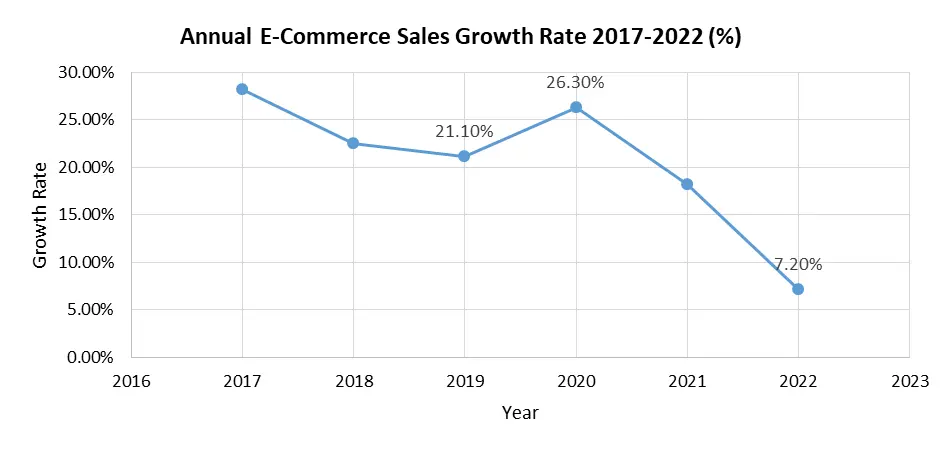
The growth of e-commerce platforms is a significant growth driver, offering increased accessibility of cotton textiles online and influencing the Cotton Textile Industry trends. This provides convenience and an extensive product selection to a larger consumer base, playing a central role in the market's growth by reaching consumers globally, facilitating growth, diversification, and enhancing industry dynamism. Consumer behavior also presents challenges, with evolving preferences influenced by the pandemic and influencing Cotton Textile Market dynamics. Online shopping trends persist, driven by the convenience of transactions, especially among younger generations relying on social media for fashion cues. Shifts in fashion preferences, like gender-fluid fashion and increased demand for sustainable practices, add complexity to understanding consumer behavior. Industry leaders must leverage new tools to gain insights and align messaging with target audience preferences in this dynamic landscape.
The Cotton Textile Competitive landscape displays distinct regional insights in the Asia-Pacific, North America, and other regions. Understanding these intricacies is crucial for stakeholders to formulate targeted strategies, adapt to local dynamics, and seize emerging opportunities. The market is segmented into into Product Type, Distribution Channel, and End-User Industry, driving continued growth and offering Cotton Textile Market opportunities and prospects.
Cotton Textile Market Dynamics
Home Furnishing Boom and vital role in healthcare- Pillars of growth in the textile industry
The home furnishing boom underscores a significant surge in emphasis on home aesthetics, driving the demand for cotton-based home textiles such as bedding, towels, and curtains within the Market. This trend is primarily fueled by the rise in disposable incomes and an escalating desire for comfortable and visually appealing home environments. Consumers actively seek premium cotton home furnishings to enhance their living spaces, contributing to heightened demand within the Cotton Textile Market.
Cotton's hypoallergenic and breathable properties position it as a preferred material in medical textiles, encompassing surgical products and patient apparel, contributing to the growth of the market. The healthcare sector's increasing reliance on cotton, driven by its hygiene attributes and its ability to enhance patient comfort, significantly contributes to the Cotton Textile Market growth. Cotton's prominence in medical applications strengthens its market significance and underscores its critical role in healthcare-related textiles within the market.
Global Population Boom and technological advancement acts as a Catalyst for Cotton Textile Market growth
The continuous growth of the global population correlates with an upswing in the demand for textiles, including the Cotton Textile Market. Cotton, being a fundamental component in the textile industry, experiences a surge in demand across various sectors, including apparel, home textiles, and industrial applications.
The growth in population acts as a fundamental driver, particularly in emerging economies, fostering sustained demand for cotton textiles within the market. This heightened demand plays a pivotal role in propelling the overall the market, exerting a substantial influence on diverse segments within the industry. Cotton's versatility extends to industrial applications, including workwear and technical textiles, playing a crucial role in driving the increased adoption of cotton in diverse industrial settings within the Cotton Textile Market. The ongoing development of advanced cotton-based industrial textiles, tailored to meet specific industry requirements, results in an increase in the Cotton Textile Market potential. This innovation-centric approach positions cotton as a valuable and adaptive material in various industrial contexts, further diversifying its applications within the market.
E-Commerce Growth to Be a Significant Driver
The growth of e-commerce platforms signifies the broadening accessibility of cotton textiles to a larger consumer base, offering convenience and an extensive product selection within the Cotton Textile Market. The ascent of online shopping channels plays a central role in the market's growth by reaching consumers globally. E-commerce platforms provide an inclusive marketplace for both small and large cotton textile suppliers within the Market, facilitating market growth, diversification, and enhancing the overall dynamism of the industry. The convenience and global reach of online platforms contribute significantly to the evolution and competitiveness of the Cotton Textile Market.
 Changing Consumer Tastes and Preferences in the Cotton Industry
The Cotton Textile Market challenges encountered are linked to the evolving buying behaviors of fashion consumers, notably influenced by the pandemic. The prevalence of online shopping and the "buy online, pick up in-store" trend has become more pronounced, even with the return to in-person shopping. The convenience of online transactions continues to be preferred by many consumers. Younger generations, in particular, rely heavily on social media ads and influencers for fashion cues, necessitating adaptations in the industry's advertising and marketing strategies. Shifts in fashion preferences, such as the move towards gender-fluid fashion and the heightened demand for sustainable fabrics and practices, add complexity to considerations of consumer behavior. Fashion industry leaders must leverage new biometric and analytic tools to gain insights into consumer behaviors and motivations, aligning their messaging with target audience preferences in this dynamic landscape.
Cotton Textile Market Trends
The cotton textile industry experiences fluctuations influenced by various economic factors, consumer behavior trends, and demand-supply dynamics. Cotton, a major agricultural crop, is economically produced, contributing to the affordability of cotton products. Despite the availability of synthetic fabrics, cotton's versatile, hypoallergenic, and eco-friendly qualities position it as a top choice for consumers globally.
Customer’s Choice: Cotton's timeless appeal makes it the first choice for customers worldwide, transcending generations. China, India, and the USA, as top cotton producers, play a pivotal role in meeting the growing market demand. The cotton textile market witnesses shifts influenced by consumer preferences and competitive forces.
Sustainability Promotion: The cotton textile market aligns with sustainability trends, as cotton stands out as a renewable, biodegradable fabric. Recognized as "The Fabric of Our Lives," cotton's sustainability credentials contribute to reducing water pollution, greenhouse gas emissions, acid rain potential, energy consumption, and water usage. The market reflects a growing awareness of environmental factors, with brands and shoppers promoting sustainable fashion, emphasizing cotton's role in a better life.
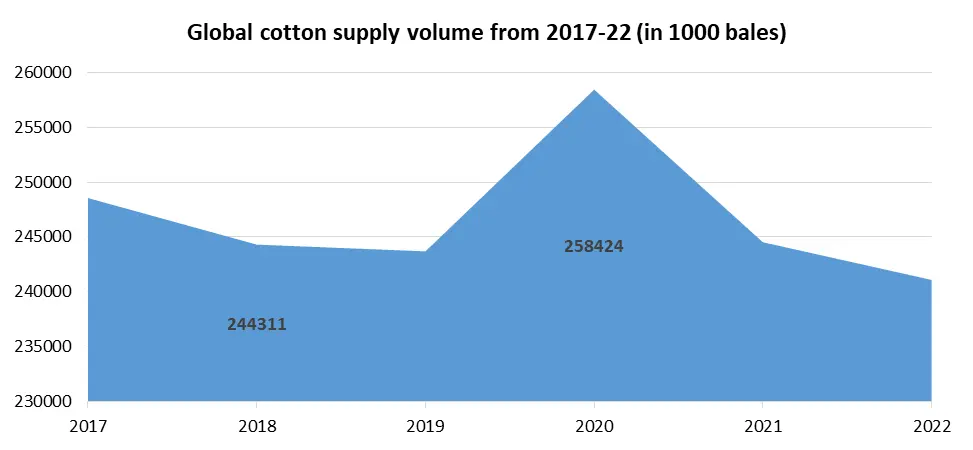
Increase in Demand, Supply, and Trade: Cotton's significance is evident in its dominance, constituting about 75% of clothing materials. Approximately 300 million farmers across 80 countries, mainly in developing nations, rely on cotton farming. The Better Cotton Initiatives highlight its role as a cash crop for small-scale farmers. The cotton textile market demand and supply are experiencing an increase with trade activities picking up and with countries collaborating to meet the diverse needs of the market.
 Price Outlook: Economic factors influence the cotton textile market price outlook, with fluctuations in response to Contract for Difference (CFD) trading. The market's sensitivity to price changes impacts the decisions of suppliers and consumers, creating a complex landscape influenced by macroeconomic factors. A comprehensive understanding of actual prices, historical data, forecasts, and economic calendars is essential for navigating the intricacies of the cotton market.
Technological Advancements: The cotton textile market penetration is boosted by technological advancements that position cotton as a high-tech material. Its versatility, heat-resistance, and suitability for blending make it ideal for functional fabrics. Innovations such as TransDRY, TOUGH COTTON, PUREPRESS, and STORM DENIM showcase cotton's adaptability to meet specific performance requirements. Cotton Incorporated in the U.S. plays a crucial role in developing these high-tech cotton fabrics, contributing to the market's innovation.
The cotton textile market is characterized by its resilience to industry disruptors and its ability to adapt to emerging trends. The interplay of economic factors, consumer behavior, demand-supply dynamics, and technological advancements shapes the market's growth trajectory, presenting both constraints and opportunities for stakeholders. Navigating this dynamic landscape requires a strategic understanding of regulatory influences and socioeconomic factors, ensuring sustainable practices and innovation within the industry.
Cotton Textile Regional Insights
In the Asia-Pacific (APAC) region, China emerges as a dominant force, playing a pivotal role in the cotton textile market growth. Renowned as a manufacturing hub, China leverages its vast labor force and advanced production capabilities. The country strategically embraces technological advancements in textile manufacturing, contributing to heightened efficiency and competitiveness. The impact of rapid urbanization, coupled with a growing middle class, fuels substantial demand for cotton textiles across various segments, encompassing apparel to home textiles. Being in line with the trend of sustainability, the Chinese Government has been launching campaigns and creating awareness among its citizens. One such example is the Clean Production Act and Circular Economy Promotion Act with the aim of influencing Chinese customers to purchase sustainable clothing.
Within the APAC region, India presents a diverse market for cotton textiles, meeting both domestic and international demands. Moving to Southeast Asia, countries such as Vietnam and Bangladesh are emerging as influential players in the cotton textile market. These nations strategically leverage cost-effective manufacturing practices and possess a skilled workforce. Their roles as global exporters are pivotal, contributing substantially to the intricate supply chain dynamics of the entire cotton textile industry.
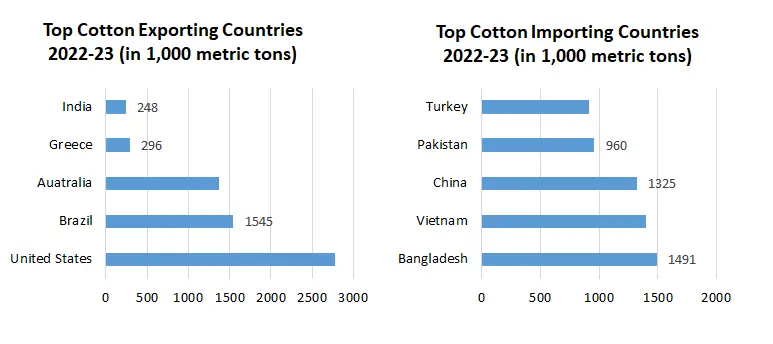 In North America, the United States Cotton Textile Market stands out as an innovation hub. Characterized by a commitment to sustainability and technological advancements in production, the U.S. market showcases a dynamic landscape. Shifting consumer preferences towards sustainable and locally-produced textiles influence market dynamics, leading to the widespread adoption of practices such as organic cotton cultivation and eco-friendly production methods. Diversification is evident, with niche segments like organic cotton apparel and premium home textiles gaining prominence.
Canada, another player in North America, emphasizes sustainable practices, aligning with the global trend towards eco-friendly textile production. Known for maintaining high-quality standards, the Canadian cotton textile market contributes significantly to the production of premium textile products. Mexico plays a crucial role as a manufacturing hub for cotton textiles, serving both North American and global markets. The country's trade integration with the U.S. fosters collaboration and efficiency in the cotton textile supply chain. Understanding these regional intricacies is imperative for stakeholders in the Cotton Textile Market. It enables them to formulate targeted strategies, adapt to local market dynamics, and seize emerging opportunities in this dynamic and evolving industry landscape.
Cotton Textile Market Segment Analysis
The Cotton Textile Market is divided into 3 major segments, namely: Product Type, Distribution Channel and End User Industry.
By Product Type, the cotton textile market share, characterized by its diverse product offerings, encompasses three major segments tailored to distinct consumer needs. Foremost among these is the Cotton Apparel segment, which commands a significant share, exceeding 60% of the global cotton textile market. This dominance is attributed to the inherent qualities of cotton, including breathability, comfort, and durability, positioning it as the preferred choice for a wide array of clothing items. Despite facing challenges from the growing prevalence of synthetic fibers and the escalation of production costs, the cotton apparel segment is poised for continuous growth. This trajectory is fueled by the increasing consumer demand for clothing that is not only comfortable and durable but also aligns with sustainability preferences.
The Home Textiles segment represents the second-largest category, contributing to approximately 30% of global consumption. Cotton's popularity in home textiles is underpinned by its softness, absorbency, and aesthetic appeal. While the segment is projected to experience moderate growth owing to an upswing in demand for home furnishings and rising disposable incomes, it encounters challenges arising from the emergence of alternative materials and evolving consumer preferences.
The Industrial Textiles sector holds the third-largest share, accounting for approximately 10% of global consumption. Cotton finds diverse applications in industrial settings, including tire cords, filters, and wipes. Although the segment is anticipated to witness gradual growth driven by demand from the automotive and construction industries, it faces challenges stemming from technological advancements and competition from alternative materials.
By End User Industry, the cotton textile market serves a diverse array of end-user industries, showcasing its versatility. Leading the pack is the Apparel and Fashion sector, utilizing cotton textiles for clothing, shoes, and accessories. The Home Furnishing industry, as the second-largest end-user, relies on cotton textiles for various products such as bedsheets, towels, curtains, and rugs. Healthcare and Medical applications involve the use of cotton textiles for bandages, gowns, and wipes, emphasizing hygiene and patient comfort. The Automotive sector incorporates cotton textiles in seat covers, air filters, and headliners. Sports and Outdoor applications include cotton textiles in apparel, tents, and sleeping bags. Agriculture and Farming utilize cotton textiles for clothing, tarps, and filters, while other industries such as construction, packaging, and electronics also benefit from the versatility of cotton textiles.
Cotton Textile Market Scope: Inquire Before Buying
| Global Cotton Textile Market, | |||
|---|---|---|---|
| Report Coverage | Details | ||
| Base Year: | 2023 | Forecast Period: | 2024-2030 |
| Historical Data: | 2018 to 2023 | Market Size in 2023: | USD 155.70 Bn. |
| Forecast Period 2024 to 2030 CAGR: | 7.5% | Market Size in 2030: | USD 258.31 Bn. |
| Segments Covered: | by Product Type | Cotton Apparel Home Textiles Industrial Textiles |
|
| by Distribution Channel | Offline Online |
||
| by End User Industry | Apparel and Fashion Home Furnishing Healthcare and Medical Automotive Sports and Outdoor Agriculture and Farming Others |
||
Cotton Textile Market, by Regions
North America (United States, Canada and Mexico)
Europe (UK, France, Germany, Italy, Spain, Sweden, Austria and Rest of Europe)
Asia Pacific (China, South Korea, Japan, India, Australia, Indonesia, Malaysia, Vietnam, Taiwan, Bangladesh, Pakistan and Rest of APAC)
Middle East and Africa (South Africa, GCC, Egypt, Nigeria and Rest of ME&A)
South America (Brazil, Argentina Rest of South America)
Key Players of the Cotton Textile Market
1. Welspun India Ltd. (India)
2. China Textile (China)
3. Vardhman Textiles Limited (India)
4. Huafu Fashion Co., Ltd. (China)
5. Nishat Mills Limited (Pakistan)
6. Shandong Ruyi Technology Group Co., Ltd. (China)
7. Texhong Textile Group Limited (China)
8. Lenzing AG (Austria)
9. Wuxi No. 1 Cotton Mill Textile Group Co., Ltd. (China)
10. Sutlej Textiles and Industries Ltd. (India)
11. Bombay Dyeing and Manufacturing Company Limited (India)
12. Weiqiao Textile Company Limited (China)
13. Olam International Limited (Singapore)
14. Grasim Industries Limited (India)
15. Arvind Limited (India)
16. KPR Mill Limited (India)
17. Hanesbrands Inc (United States)
18. Birla Cellulose (Aditya Birla Group) (India)
19. Pacific Textiles Limited (China)
20. Sri Jayajothi & Company Private Limited (India)
21. Zhejiang Grace Textile Co., Ltd. (China)
Frequently Asked Questions and Answers
1. What factors are driving the growth of the Cotton Textile market?
Ans: The growth of the Cotton Textile market is driven by factors such the growing trend of sustainability and the growth in the growth of home furnishing industry.
2. Which region is witnessing significant growth in the Cotton Textile market?
Ans: Key regions experiencing significant growth in the Cotton Textile market include Asia-Pacific, particularly China.
3. What is the market size of Cotton Textile market?
Ans: The Cotton Textile Market size was valued at USD 155.70 Bn in 2023 and is expected to reach USD 258.30 Bn by 2030, at a CAGR of 7.5 % over the forecast period.
4. What role does sustainability play in the Cotton Textile market?
Ans: Sustainability is a significant concern in the Cotton Textile market, influencing sourcing practices and production of cotton along with recycling initiatives.
5. Which segment held the largest market share in the Cotton Textile Market?
Ans: The product type segment held the largest market share accounting for nearly 60% of the market.