Biomarkers Market by Type, Product, Application, Disease Indication, and Region - Global Market Size Estimation, Industry-Wide Analysis, Competitive Landscape Assessment & Long-Term Forecast to 2032

14.61%
CAGR (2026-2032)
92.36 USD Bn.
Market Size
321
Report Pages
121
Market Tables

Overview

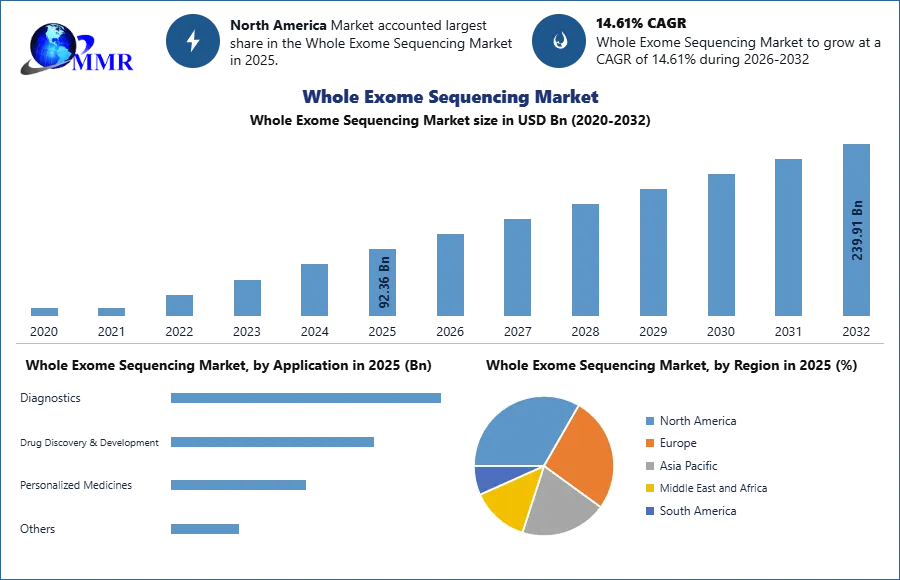
The Biomarkers Market size was valued at USD 92.36 Billion in 2025 and the total Biomarkers revenue is expected to grow at a CAGR of 14.61% from 2026 to 2032, reaching nearly USD 239.91 Billion.

Biomarkers Market Overview:

A biomarker is a quantifiable sign of the biological state or condition of an organ, tissue, or cell. It is also known as a biological marker. In medicine, safety evaluation, and the development of new drugs, biomarkers are frequently utilized.

The report explores the Biomarkers market segments (Type, Application, Product, Disease Indication and Region). Data has been provided by market participants, and regions, (North America, Asia Pacific, Europe, Middle East & Africa, and South America). This market report provides a thorough analysis of the rapid advances that are currently taking place across all Technology sectors. Facts and figures, illustrations, and presentations are used to provide key data analysis for the historical period from 2020 to 2025. The report investigates the Biomarkers market drivers, limitations, prospects, and barriers. This MMR report includes investor recommendations based on a thorough examination of the Biomarkers market’s contemporary competitive scenario.
Whole Exome Sequencing MarketTo know about the Research Methodology :- Request Free Sample Report

Biomarkers Market Dynamics:

Growing Diagnostic Uses of Biomarkers to Drive Market Growth:

Biomarkers are important in personalized medicine because they can be used for a wide range of purposes, including diagnosis, prognosis, and tailored treatments for many different types of illness conditions. Because of some restrictions in the diagnosis and treatment of traditional diseases, personalized medicine has gained recognition. Personalized treatment approaches based on clinical and genetic characteristics are becoming more popular among patients with cancer and immunological disorders. One of the main factors driving the demand for biomarkers and hence the growth of the market is the increasing demand for personalized treatment.

The increasing value of companion diagnostics:

In the practice of medicine, companion diagnostics and biomarkers are becoming more and more important, which has enhanced disease-specific diagnosis, therapy, and monitoring. It can be used to find people who are likely to respond favorably to particular medications or treatment approaches.

Growing population and an increase in patients:

One of the key reasons advancing the biomarkers market is the growing need for non-invasive cancer diagnoses. In addition, the growth of cancer treatment and research initiatives, unhealthy lifestyles, and chronic illnesses like diabetes and cardiovascular disease all contribute to the market's overall growth.

The number of CROs is rising:

During the forecast period, the low cost of clinical trials in developing nations, the rising incidence of cancer, and new research initiatives are forecasted to fuel the biomarkers market's growth. On the other hand, the adoption of minimally invasive methods for the detection of diseases like cancer is an opportunity that can trigger the emergence of the biomarkers market between 2025 and 2032.

Long development cycles for biomarkers and high capital costs:

Because of the variability in how well they perform in illness detection, the validating biomarker is a time-consuming process. The process and timetable for developing and validating biomarkers are therefore comparable across biomarker categories, with a few exceptions, because different categories of biomarkers frequently share common development and validation process phases. When opposed to predictive and safety biomarkers, prognostic biomarkers and surrogate endpoints require more time for the clinical validation and usefulness phase. Due to the significant clinical validation required, surrogate endpoint development and validation are typically the most expensive aspects of clinical trials.

Individualized medicine:

In customised medicine, biomarkers are crucial because they can be used for diagnosis, prognosis, and choosing specific treatments. Personalized medicine has grown in popularity throughout time as a result of the different drawbacks of conventional methods for diagnosis and treatment. Numerous medical specialties—from cancer to immunological disorders—are moving toward individualised patient care based on their genetic profiles and phenotypic traits. Products for biomarker diagnostics are being employed as supplemental diagnostics for a number of experimental treatments.

The difficulties in validating biomarkers:

The evaluation of assays or measurement of performance traits including sensitivity, specificity, and reproducibility are also included in the biomarker validation process. The establishment of biomarkers as trustworthy tools to support development, medical treatment, and investment decisions in biopharma is dependent on validation. However, corporations, especially small enterprises, have serious concerns about the significant costs associated with biomarker validation. Another difficulty is the amount of time needed for assay development, which prevents assay development from keeping up with biomarker generation.

Biomarkers Market Trends:

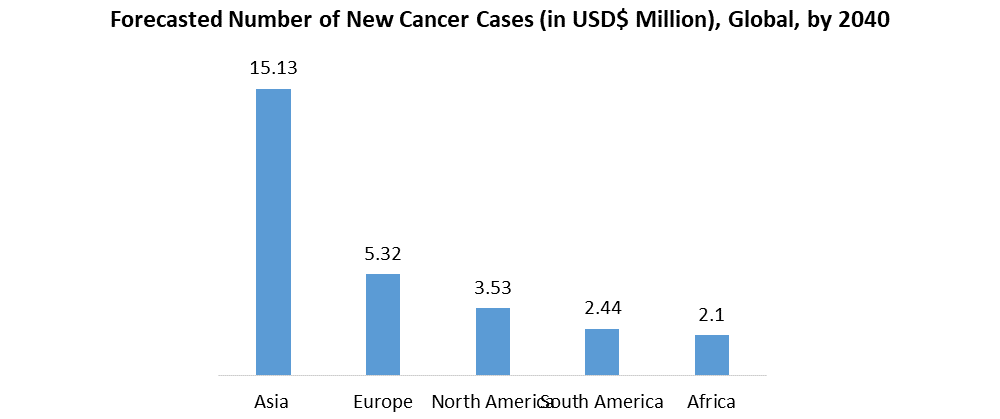
It is forecasted that increased cancer incidence can increase demand. For instance, 1,414,259 new instances of prostate cancer were found in 2025, according to Globocan 2025. The demand for biomarkers is increasing because of the rising occurrence of certain cancer forms. Prostate-specific antigen is one of the most frequently used biomarker tests for prostate cancer (PSA). Prostate cancer screening and potential early diagnosis have long been done using the PSA test, which finds abnormally high PSA blood levels. Additionally, 2,261,419 new instances of breast cancer were found in 2025, according to Globocan 2025. This form of cancer can be detected using breast cancer biomarkers such as the estrogen receptor (ER), progesterone receptor, and HER2. However, more instruments are needed to aid clinical decision-making, particularly for the best care of early hormone receptor-positive breast cancer.

Biomarkers Market Segment Analysis:

Based on Type, because of increased public awareness of the importance of regular health screenings, a decline in drug attrition rates, and an increase in the population who are at a higher risk of contracting diseases like cancer, cardiovascular disease, and kidney disorders, the safety biomarkers market segment held the largest market share of more than 39% in 2025. Preclinical safety review and drug development take less time and money when safety biomarkers are used in preclinical trials to help identify drug candidates that are likely to be well-tolerated by humans.

Based on Application, Due to intensive R&D investments for the development of tailored treatments, the capacity to forecast drug efficacy more easily, and a quick approval process, the drug discovery & development sector dominated the biomarkers market in 2025 with a revenue share of more than 32.6%. One such case is Halozyme, Inc.'s introduction of tailored therapy for people with EGFR mutations in non-small cell lung cancer (NSCLC). Because of advantages in early-stage disease detection, the diagnostics segment is forecasted to rise at the quickest pace over the forecast period. This presents a chance for the diagnostic segment to promote early diagnosis and increase the rate of diagnosis. It makes COVID-19 identification and treatment easier.

Biomarkers Market Regional Insights:

The North American region held the largest market share accounting for 45% in 2025.

The North American region is expected to witness significant growth at a CAGR of 8.5% through the forecast period. The market in North America is expected to grow the fastest, followed by Europe, due to the use of biomarkers in personalised medicine and investments made by several major market players in the creation of the biomarkers and their particular applications.

Asia Pacific is expected to grow more rapidly than other regions. The demand for disease diagnosis, particularly using biomarker-based tests, is rising as cancer and cardiovascular disease are becoming more common. Consequently, it is increasing the region's revenue. The Ministry of Health forecast that there are currently 203 million cardiovascular disease patients in China, with a 73.0% in that number by 2032. Key market participants are investing in the research to create novel biomarkers as a result of the use of biomarkers in the medication discovery and development process. These elements should increase demand for biomarkers and promote market growth.
Biomarkers Market

The objective of the report is to present a comprehensive analysis of the global Biomarkers Market to the stakeholders in the industry. The past and current status of the industry with the forecasted market size and trends are presented in the report with the analysis of complicated data in simple language. The report covers all the aspects of the industry with a dedicated study of key players that include market leaders, followers, and new entrants.

PORTER, PESTEL analysis with the potential impact of micro-economic factors of the market have been presented in the report. External as well as internal factors that are supposed to affect the business positively or negatively have been analyzed, which will give a clear futuristic view of the industry to the decision-makers.

The reports also help in understanding the Biomarkers Market dynamic, and structure by analyzing the market segments and projecting the Biomarkers Market size. Clear representation of competitive analysis of key players by Design, price, financial position, product portfolio, growth strategies, and regional presence in the Biomarkers Market make the report investor’s guide.

Biomarkers Market Competitive Landscape:

To improve their position in this market, these key competitors have used a variety of organic as well as inorganic growth tactics, such as mergers and acquisitions, new product launches, expansions, agreements, joint ventures, partnerships, and others. Some of the major key players of the Biomarkers market are Abbott, Qiagen, F. Hoffmann-La Roche Ltd, Thermo Fisher Scientific, Inc, Siemens Healthcare Private Limited, Agilent Technologies, Inc, Bio-Rad Laboratories, Inc etc.

Recent Industry Developments (2025–2026)

Exact Date Company Development Impact
23 February 2026 F. Hoffmann-La Roche Ltd. The company introduced a suite of novel biomarker tests aimed at early-stage identification of specific oncology markers. This development significantly strengthens brand presence and clinical diagnostics capabilities in the highly fragmented market.
11 March 2025 LuNGD Alliance (AstraZeneca/Roche) The alliance launched a nationwide free NGS biomarker testing initiative to improve lung cancer detection rates in India. This program accelerates the adoption of advanced diagnostics in emerging markets, increasing the available patient pool for targeted therapies.
03 June 2025 PharmiWeb Industry analysts confirmed a major shift where liquid biopsy technologies reached a 6.5% growth milestone within the cancer biomarker segment. The rise of non-invasive testing reduces clinical trial failure rates and enhances the precision of personalized medicine protocols.
15 July 2025 MD Anderson Cancer Center A research team secured a USD 1.2 million grant for the validation of proteomic biomarkers specifically for ovarian cancer. This funding facilitates early-stage R&D, bridging the gap between academic discovery and commercial diagnostic application.
28 October 2025 Guardant Health The company finalized a strategic collaboration with Zephyr AI to integrate real-world genomic data with advanced AI algorithms. This integration accelerates biomarker discovery and improves the precision of diagnostic insights for clinical decision-making.

Biomarkers Market Scope: Inquire before buying

Whole Exome Sequencing Market
Report Coverage Details
Base Year: 2025 Forecast Period: 2026-2032
Historical Data: 2020 to 2025 Market Size in 2025: 92.36 USD Bn
Forecast Period 2026-2032 CAGR: 14.61% Market Size in 2032: 239.91 USD Bn
Segments Covered: by Type Safety
Efficacy
Validation
by Application Diagnostics
Drug Discovery & Development
Personalized Medicines
Others
by Product Consumables
Services
Software
by Disease Indication Cancer
Infectious Diseases
Immune Disorders
Neurological Disorders
Cardiovascular Disorders
Other Disease Indications

Biomarkers Market, by Region

North America (United States, Canada and Mexico)
Europe (UK, France, Germany, Italy, Spain, Sweden, Austria and Rest of Europe)
Asia Pacific (China, South Korea, Japan, India, Australia, Indonesia, Malaysia, Vietnam, Taiwan, Bangladesh, Pakistan and Rest of APAC)
Middle East and Africa (South Africa, GCC, Egypt, Nigeria and Rest of ME&A)
South America (Brazil, Argentina Rest of South America)

Key players/ competitors profile covered in brief in Biomarkers Market report in strategic perspective

  1. Abbott
  2. Qiagen
  3. F. Hoffmann-La Roche Ltd
  4. Thermo Fisher Scientific, Inc
  5. Siemens Healthcare Private Limited
  6. Agilent Technologies, Inc
  7. Bio-Rad Laboratories, Inc
  8. Johnson & Johnson Services, Inc
  9. Epigenomics AG
  10. Bruker
  11. Quest Diagnostics Incorporated
  12. General Electric Company
  13. Becton, Dickinson and Company
  14. Cisbio Bioassays
  15. Merck KGaA
  16. Enzo Biochem Inc
  17. PerkinElmer Inc
  18. Adaptive Biotechnologies Corp
  19. Bio-Techne Corporation
  20. Myriad RBM
  21. Sino Biological Inc
  22. CENTOGENE N.V.
  23. Guardant Health
  24. Labcorp
  25. NeoGenomics Laboratories

Table of Contents

1. Whole Exome Sequencing Market Introduction
1.1. Study Assumption and Market Definition
1.2. Scope of the Study
1.3. Executive Summary
2. Global Whole Exome Sequencing Market: Competitive Landscape
2.1. MMR Competition Matrix
2.2. Competitive Landscape
2.3. Key Players Benchmarking
2.3.1. Company Name
2.3.2. Business Segment
2.3.3. End-user Segment
2.3.4. Revenue (2025)
2.3.5. Company Locations
2.4. Leading Whole Exome Sequencing Market Companies, by market capitalization
2.5. Market Structure
2.5.1. Market Leaders
2.5.2. Market Followers
2.5.3. Emerging Players
2.6. Mergers and Acquisitions Details
3. Whole Exome Sequencing Market: Dynamics
3.1. Whole Exome Sequencing Market Trends by Region
3.1.1. North America Whole Exome Sequencing Market Trends
3.1.2. Europe Whole Exome Sequencing Market Trends
3.1.3. Asia Pacific Whole Exome Sequencing Market Trends
3.1.4. Middle East and Africa Whole Exome Sequencing Market Trends
3.1.5. South America Whole Exome Sequencing Market Trends
3.2. Whole Exome Sequencing Market Dynamics by Region
3.2.1. North America
3.2.1.1. North America Whole Exome Sequencing Market Drivers
3.2.1.2. North America Whole Exome Sequencing Market Restraints
3.2.1.3. North America Whole Exome Sequencing Market Opportunities
3.2.1.4. North America Whole Exome Sequencing Market Challenges
3.2.2. Europe
3.2.2.1. Europe Whole Exome Sequencing Market Drivers
3.2.2.2. Europe Whole Exome Sequencing Market Restraints
3.2.2.3. Europe Whole Exome Sequencing Market Opportunities
3.2.2.4. Europe Whole Exome Sequencing Market Challenges
3.2.3. Asia Pacific
3.2.3.1. Asia Pacific Whole Exome Sequencing Market Drivers
3.2.3.2. Asia Pacific Whole Exome Sequencing Market Restraints
3.2.3.3. Asia Pacific Whole Exome Sequencing Market Opportunities
3.2.3.4. Asia Pacific Whole Exome Sequencing Market Challenges
3.2.4. Middle East and Africa
3.2.4.1. Middle East and Africa Whole Exome Sequencing Market Drivers
3.2.4.2. Middle East and Africa Whole Exome Sequencing Market Restraints
3.2.4.3. Middle East and Africa Whole Exome Sequencing Market Opportunities
3.2.4.4. Middle East and Africa Whole Exome Sequencing Market Challenges
3.2.5. South America
3.2.5.1. South America Whole Exome Sequencing Market Drivers
3.2.5.2. South America Whole Exome Sequencing Market Restraints
3.2.5.3. South America Whole Exome Sequencing Market Opportunities
3.2.5.4. South America Whole Exome Sequencing Market Challenges
3.3. PORTER's Five Forces Analysis
3.4. PESTLE Analysis
3.5. Technology Roadmap
3.6. Regulatory Landscape by Region
3.6.1. North America
3.6.2. Europe
3.6.3. Asia Pacific
3.6.4. Middle East and Africa
3.6.5. South America
3.7. Key Opinion Leader Analysis For Whole Exome Sequencing Industry
3.8. Analysis of Government Schemes and Initiatives For Whole Exome Sequencing Industry
3.9. Whole Exome Sequencing Market Trade Analysis
3.10. The Global Pandemic Impact on Whole Exome Sequencing Market
4. Whole Exome Sequencing Market: Global Market Size and Forecast by Segmentation (in USD Bn) 2025-2032
4.1. Whole Exome Sequencing Market Size and Forecast, by Type (2025-2032)
4.1.1. Safety
4.1.2. Efficacy
4.1.3. Validation
4.2. Whole Exome Sequencing Market Size and Forecast, by Application (2025-2032)
4.2.1. Diagnostics
4.2.2. Drug Discovery & Development
4.2.3. Personalized Medicines
4.2.4. Others
4.3. Whole Exome Sequencing Market Size and Forecast, by Product (2025-2032)
4.3.1. Consumables
4.3.2. Services
4.3.3. Software
4.4. Whole Exome Sequencing Market Size and Forecast, by Disease Indication (2025-2032)
4.4.1. Cancer
4.4.2. Infectious Diseases
4.4.3. Immune Disorders
4.4.4. Neurological Disorders
4.4.5. Cardiovascular Disorders
4.4.6. Other Disease Indications
4.5. Whole Exome Sequencing Market Size and Forecast, by Region (2025-2032)
4.5.1. North America
4.5.2. Europe
4.5.3. Asia Pacific
4.5.4. Middle East and Africa
4.5.5. South America
5. North America Whole Exome Sequencing Market Size and Forecast by Segmentation (in USD Bn) 2025-2032
5.1. North America Whole Exome Sequencing Market Size and Forecast, by Type (2025-2032)
5.1.1. Safety
5.1.2. Efficacy
5.1.3. Validation
5.2. North America Whole Exome Sequencing Market Size and Forecast, by Application (2025-2032)
5.2.1. Diagnostics
5.2.2. Drug Discovery & Development
5.2.3. Personalized Medicines
5.2.4. Others
5.3. North America Whole Exome Sequencing Market Size and Forecast, by Product (2025-2032)
5.3.1. Consumables
5.3.2. Services
5.3.3. Software
5.4. North America Whole Exome Sequencing Market Size and Forecast, by Disease Indication (2025-2032)
5.4.1. Cancer
5.4.2. Infectious Diseases
5.4.3. Immune Disorders
5.4.4. Neurological Disorders
5.4.5. Cardiovascular Disorders
5.4.6. Other Disease Indications
5.5. North America Whole Exome Sequencing Market Size and Forecast, by Country (2025-2032)
5.5.1. United States
5.5.1.1. United States Whole Exome Sequencing Market Size and Forecast, by Type (2025-2032)
5.5.1.1.1. Safety
5.5.1.1.2. Efficacy
5.5.1.1.3. Validation
5.5.1.2. United States Whole Exome Sequencing Market Size and Forecast, by Application (2025-2032)
5.5.1.2.1. Diagnostics
5.5.1.2.2. Drug Discovery & Development
5.5.1.2.3. Personalized Medicines
5.5.1.2.4. Others
5.5.1.3. United States Whole Exome Sequencing Market Size and Forecast, by Product (2025-2032)
5.5.1.3.1. Consumables
5.5.1.3.2. Services
5.5.1.3.3. Software
5.5.1.4. United States Whole Exome Sequencing Market Size and Forecast, by Disease Indication (2025-2032)
5.5.1.4.1. Cancer
5.5.1.4.2. Infectious Diseases
5.5.1.4.3. Immune Disorders
5.5.1.4.4. Neurological Disorders
5.5.1.4.5. Cardiovascular Disorders
5.5.1.4.6. Other Disease Indications
5.5.2. Canada
5.5.2.1. Canada Whole Exome Sequencing Market Size and Forecast, by Type (2025-2032)
5.5.2.1.1. Safety
5.5.2.1.2. Efficacy
5.5.2.1.3. Validation
5.5.2.2. Canada Whole Exome Sequencing Market Size and Forecast, by Application (2025-2032)
5.5.2.2.1. Diagnostics
5.5.2.2.2. Drug Discovery & Development
5.5.2.2.3. Personalized Medicines
5.5.2.2.4. Others
5.5.2.3. Canada Whole Exome Sequencing Market Size and Forecast, by Product (2025-2032)
5.5.2.3.1. Consumables
5.5.2.3.2. Services
5.5.2.3.3. Software
5.5.2.4. Canada Whole Exome Sequencing Market Size and Forecast, by Disease Indication (2025-2032)
5.5.2.4.1. Cancer
5.5.2.4.2. Infectious Diseases
5.5.2.4.3. Immune Disorders
5.5.2.4.4. Neurological Disorders
5.5.2.4.5. Cardiovascular Disorders
5.5.2.4.6. Other Disease Indications
5.5.3. Mexico
5.5.3.1. Mexico Whole Exome Sequencing Market Size and Forecast, by Type (2025-2032)
5.5.3.1.1. Safety
5.5.3.1.2. Efficacy
5.5.3.1.3. Validation
5.5.3.2. Mexico Whole Exome Sequencing Market Size and Forecast, by Application (2025-2032)
5.5.3.2.1. Diagnostics
5.5.3.2.2. Drug Discovery & Development
5.5.3.2.3. Personalized Medicines
5.5.3.2.4. Others
5.5.3.3. Mexico Whole Exome Sequencing Market Size and Forecast, by Product (2025-2032)
5.5.3.3.1. Consumables
5.5.3.3.2. Services
5.5.3.3.3. Software
5.5.3.4. Mexico Whole Exome Sequencing Market Size and Forecast, by Disease Indication (2025-2032)
5.5.3.4.1. Cancer
5.5.3.4.2. Infectious Diseases
5.5.3.4.3. Immune Disorders
5.5.3.4.4. Neurological Disorders
5.5.3.4.5. Cardiovascular Disorders
5.5.3.4.6. Other Disease Indications
6. Europe Whole Exome Sequencing Market Size and Forecast by Segmentation (in USD Bn) 2025-2032
6.1. Europe Whole Exome Sequencing Market Size and Forecast, by Type (2025-2032)
6.2. Europe Whole Exome Sequencing Market Size and Forecast, by Application (2025-2032)
6.3. Europe Whole Exome Sequencing Market Size and Forecast, by Product (2025-2032)
6.4. Europe Whole Exome Sequencing Market Size and Forecast, by Disease Indication (2025-2032)
6.5. Europe Whole Exome Sequencing Market Size and Forecast, by Country (2025-2032)
6.5.1. United Kingdom
6.5.1.1. United Kingdom Whole Exome Sequencing Market Size and Forecast, by Type (2025-2032)
6.5.1.2. United Kingdom Whole Exome Sequencing Market Size and Forecast, by Application (2025-2032)
6.5.1.3. United Kingdom Whole Exome Sequencing Market Size and Forecast, by Product (2025-2032)
6.5.1.4. United Kingdom Whole Exome Sequencing Market Size and Forecast, by Disease Indication (2025-2032)
6.5.2. France
6.5.2.1. France Whole Exome Sequencing Market Size and Forecast, by Type (2025-2032)
6.5.2.2. France Whole Exome Sequencing Market Size and Forecast, by Application (2025-2032)
6.5.2.3. France Whole Exome Sequencing Market Size and Forecast, by Product (2025-2032)
6.5.2.4. France Whole Exome Sequencing Market Size and Forecast, by Disease Indication (2025-2032)
6.5.3. Germany
6.5.3.1. Germany Whole Exome Sequencing Market Size and Forecast, by Type (2025-2032)
6.5.3.2. Germany Whole Exome Sequencing Market Size and Forecast, by Application (2025-2032)
6.5.3.3. Germany Whole Exome Sequencing Market Size and Forecast, by Product (2025-2032)
6.5.3.4. Germany Whole Exome Sequencing Market Size and Forecast, by Disease Indication (2025-2032)
6.5.4. Italy
6.5.4.1. Italy Whole Exome Sequencing Market Size and Forecast, by Type (2025-2032)
6.5.4.2. Italy Whole Exome Sequencing Market Size and Forecast, by Application (2025-2032)
6.5.4.3. Italy Whole Exome Sequencing Market Size and Forecast, by Product (2025-2032)
6.5.4.4. Italy Whole Exome Sequencing Market Size and Forecast, by Disease Indication (2025-2032)
6.5.5. Spain
6.5.5.1. Spain Whole Exome Sequencing Market Size and Forecast, by Type (2025-2032)
6.5.5.2. Spain Whole Exome Sequencing Market Size and Forecast, by Application (2025-2032)
6.5.5.3. Spain Whole Exome Sequencing Market Size and Forecast, by Product (2025-2032)
6.5.5.4. Spain Whole Exome Sequencing Market Size and Forecast, by Disease Indication (2025-2032)
6.5.6. Sweden
6.5.6.1. Sweden Whole Exome Sequencing Market Size and Forecast, by Type (2025-2032)
6.5.6.2. Sweden Whole Exome Sequencing Market Size and Forecast, by Application (2025-2032)
6.5.6.3. Sweden Whole Exome Sequencing Market Size and Forecast, by Product (2025-2032)
6.5.6.4. Sweden Whole Exome Sequencing Market Size and Forecast, by Disease Indication (2025-2032)
6.5.7. Austria
6.5.7.1. Austria Whole Exome Sequencing Market Size and Forecast, by Type (2025-2032)
6.5.7.2. Austria Whole Exome Sequencing Market Size and Forecast, by Application (2025-2032)
6.5.7.3. Austria Whole Exome Sequencing Market Size and Forecast, by Product (2025-2032)
6.5.7.4. Austria Whole Exome Sequencing Market Size and Forecast, by Disease Indication (2025-2032)
6.5.8. Rest of Europe
6.5.8.1. Rest of Europe Whole Exome Sequencing Market Size and Forecast, by Type (2025-2032)
6.5.8.2. Rest of Europe Whole Exome Sequencing Market Size and Forecast, by Application (2025-2032)
6.5.8.3. Rest of Europe Whole Exome Sequencing Market Size and Forecast, by Product (2025-2032)
6.5.8.4. Rest of Europe Whole Exome Sequencing Market Size and Forecast, by Disease Indication (2025-2032)
7. Asia Pacific Whole Exome Sequencing Market Size and Forecast by Segmentation (in USD Bn) 2025-2032
7.1. Asia Pacific Whole Exome Sequencing Market Size and Forecast, by Type (2025-2032)
7.2. Asia Pacific Whole Exome Sequencing Market Size and Forecast, by Application (2025-2032)
7.3. Asia Pacific Whole Exome Sequencing Market Size and Forecast, by Product (2025-2032)
7.4. Asia Pacific Whole Exome Sequencing Market Size and Forecast, by Disease Indication (2025-2032)
7.5. Asia Pacific Whole Exome Sequencing Market Size and Forecast, by Country (2025-2032)
7.5.1. China
7.5.1.1. China Whole Exome Sequencing Market Size and Forecast, by Type (2025-2032)
7.5.1.2. China Whole Exome Sequencing Market Size and Forecast, by Application (2025-2032)
7.5.1.3. China Whole Exome Sequencing Market Size and Forecast, by Product (2025-2032)
7.5.1.4. China Whole Exome Sequencing Market Size and Forecast, by Disease Indication (2025-2032)
7.5.2. S Korea
7.5.2.1. S Korea Whole Exome Sequencing Market Size and Forecast, by Type (2025-2032)
7.5.2.2. S Korea Whole Exome Sequencing Market Size and Forecast, by Application (2025-2032)
7.5.2.3. S Korea Whole Exome Sequencing Market Size and Forecast, by Product (2025-2032)
7.5.2.4. S Korea Whole Exome Sequencing Market Size and Forecast, by Disease Indication (2025-2032)
7.5.3. Japan
7.5.3.1. Japan Whole Exome Sequencing Market Size and Forecast, by Type (2025-2032)
7.5.3.2. Japan Whole Exome Sequencing Market Size and Forecast, by Application (2025-2032)
7.5.3.3. Japan Whole Exome Sequencing Market Size and Forecast, by Product (2025-2032)
7.5.3.4. Japan Whole Exome Sequencing Market Size and Forecast, by Disease Indication (2025-2032)
7.5.4. India
7.5.4.1. India Whole Exome Sequencing Market Size and Forecast, by Type (2025-2032)
7.5.4.2. India Whole Exome Sequencing Market Size and Forecast, by Application (2025-2032)
7.5.4.3. India Whole Exome Sequencing Market Size and Forecast, by Product (2025-2032)
7.5.4.4. India Whole Exome Sequencing Market Size and Forecast, by Disease Indication (2025-2032)
7.5.5. Australia
7.5.5.1. Australia Whole Exome Sequencing Market Size and Forecast, by Type (2025-2032)
7.5.5.2. Australia Whole Exome Sequencing Market Size and Forecast, by Application (2025-2032)
7.5.5.3. Australia Whole Exome Sequencing Market Size and Forecast, by Product (2025-2032)
7.5.5.4. Australia Whole Exome Sequencing Market Size and Forecast, by Disease Indication (2025-2032)
7.5.6. Indonesia
7.5.6.1. Indonesia Whole Exome Sequencing Market Size and Forecast, by Type (2025-2032)
7.5.6.2. Indonesia Whole Exome Sequencing Market Size and Forecast, by Application (2025-2032)
7.5.6.3. Indonesia Whole Exome Sequencing Market Size and Forecast, by Product (2025-2032)
7.5.6.4. Indonesia Whole Exome Sequencing Market Size and Forecast, by Disease Indication (2025-2032)
7.5.7. Malaysia
7.5.7.1. Malaysia Whole Exome Sequencing Market Size and Forecast, by Type (2025-2032)
7.5.7.2. Malaysia Whole Exome Sequencing Market Size and Forecast, by Application (2025-2032)
7.5.7.3. Malaysia Whole Exome Sequencing Market Size and Forecast, by Product (2025-2032)
7.5.7.4. Malaysia Whole Exome Sequencing Market Size and Forecast, by Disease Indication (2025-2032)
7.5.8. Vietnam
7.5.8.1. Vietnam Whole Exome Sequencing Market Size and Forecast, by Type (2025-2032)
7.5.8.2. Vietnam Whole Exome Sequencing Market Size and Forecast, by Application (2025-2032)
7.5.8.3. Vietnam Whole Exome Sequencing Market Size and Forecast, by Product (2025-2032)
7.5.8.4. Vietnam Whole Exome Sequencing Market Size and Forecast, by Disease Indication (2025-2032)
7.5.9. Taiwan
7.5.9.1. Taiwan Whole Exome Sequencing Market Size and Forecast, by Type (2025-2032)
7.5.9.2. Taiwan Whole Exome Sequencing Market Size and Forecast, by Application (2025-2032)
7.5.9.3. Taiwan Whole Exome Sequencing Market Size and Forecast, by Product (2025-2032)
7.5.9.4. Taiwan Whole Exome Sequencing Market Size and Forecast, by Disease Indication (2025-2032)
7.5.10. Rest of Asia Pacific
7.5.10.1. Rest of Asia Pacific Whole Exome Sequencing Market Size and Forecast, by Type (2025-2032)
7.5.10.2. Rest of Asia Pacific Whole Exome Sequencing Market Size and Forecast, by Application (2025-2032)
7.5.10.3. Rest of Asia Pacific Whole Exome Sequencing Market Size and Forecast, by Product (2025-2032)
7.5.10.4. Rest of Asia Pacific Whole Exome Sequencing Market Size and Forecast, by Disease Indication (2025-2032)
8. Middle East and Africa Whole Exome Sequencing Market Size and Forecast by Segmentation (in USD Bn) 2025-2032
8.1. Middle East and Africa Whole Exome Sequencing Market Size and Forecast, by Type (2025-2032)
8.2. Middle East and Africa Whole Exome Sequencing Market Size and Forecast, by Application (2025-2032)
8.3. Middle East and Africa Whole Exome Sequencing Market Size and Forecast, by Product (2025-2032)
8.4. Middle East and Africa Whole Exome Sequencing Market Size and Forecast, by Disease Indication (2025-2032)
8.5. Middle East and Africa Whole Exome Sequencing Market Size and Forecast, by Country (2025-2032)
8.5.1. South Africa
8.5.1.1. South Africa Whole Exome Sequencing Market Size and Forecast, by Type (2025-2032)
8.5.1.2. South Africa Whole Exome Sequencing Market Size and Forecast, by Application (2025-2032)
8.5.1.3. South Africa Whole Exome Sequencing Market Size and Forecast, by Product (2025-2032)
8.5.1.4. South Africa Whole Exome Sequencing Market Size and Forecast, by Disease Indication (2025-2032)
8.5.2. GCC
8.5.2.1. GCC Whole Exome Sequencing Market Size and Forecast, by Type (2025-2032)
8.5.2.2. GCC Whole Exome Sequencing Market Size and Forecast, by Application (2025-2032)
8.5.2.3. GCC Whole Exome Sequencing Market Size and Forecast, by Product (2025-2032)
8.5.2.4. GCC Whole Exome Sequencing Market Size and Forecast, by Disease Indication (2025-2032)
8.5.3. Nigeria
8.5.3.1. Nigeria Whole Exome Sequencing Market Size and Forecast, by Type (2025-2032)
8.5.3.2. Nigeria Whole Exome Sequencing Market Size and Forecast, by Application (2025-2032)
8.5.3.3. Nigeria Whole Exome Sequencing Market Size and Forecast, by Product (2025-2032)
8.5.3.4. Nigeria Whole Exome Sequencing Market Size and Forecast, by Disease Indication (2025-2032)
8.5.4. Rest of ME&A
8.5.4.1. Rest of ME&A Whole Exome Sequencing Market Size and Forecast, by Type (2025-2032)
8.5.4.2. Rest of ME&A Whole Exome Sequencing Market Size and Forecast, by Application (2025-2032)
8.5.4.3. Rest of ME&A Whole Exome Sequencing Market Size and Forecast, by Product (2025-2032)
8.5.4.4. Rest of ME&A Whole Exome Sequencing Market Size and Forecast, by Disease Indication (2025-2032)
9. South America Whole Exome Sequencing Market Size and Forecast by Segmentation (in USD Bn) 2025-2032
9.1. South America Whole Exome Sequencing Market Size and Forecast, by Type (2025-2032)
9.2. South America Whole Exome Sequencing Market Size and Forecast, by Application (2025-2032)
9.3. South America Whole Exome Sequencing Market Size and Forecast, by Product (2025-2032)
9.4. South America Whole Exome Sequencing Market Size and Forecast, by Disease Indication (2025-2032)
9.5. South America Whole Exome Sequencing Market Size and Forecast, by Country (2025-2032)
9.5.1. Brazil
9.5.1.1. Brazil Whole Exome Sequencing Market Size and Forecast, by Type (2025-2032)
9.5.1.2. Brazil Whole Exome Sequencing Market Size and Forecast, by Application (2025-2032)
9.5.1.3. Brazil Whole Exome Sequencing Market Size and Forecast, by Product (2025-2032)
9.5.1.4. Brazil Whole Exome Sequencing Market Size and Forecast, by Disease Indication (2025-2032)
9.5.2. Argentina
9.5.2.1. Argentina Whole Exome Sequencing Market Size and Forecast, by Type (2025-2032)
9.5.2.2. Argentina Whole Exome Sequencing Market Size and Forecast, by Application (2025-2032)
9.5.2.3. Argentina Whole Exome Sequencing Market Size and Forecast, by Product (2025-2032)
9.5.2.4. Argentina Whole Exome Sequencing Market Size and Forecast, by Disease Indication (2025-2032)
9.5.3. Rest Of South America
9.5.3.1. Rest Of South America Whole Exome Sequencing Market Size and Forecast, by Type (2025-2032)
9.5.3.2. Rest Of South America Whole Exome Sequencing Market Size and Forecast, by Application (2025-2032)
9.5.3.3. Rest Of South America Whole Exome Sequencing Market Size and Forecast, by Product (2025-2032)
9.5.3.4. Rest Of South America Whole Exome Sequencing Market Size and Forecast, by Disease Indication (2025-2032)
10. Company Profile: Key Players
10.1. Abbott
10.1.1. Company Overview
10.1.2. Business Portfolio
10.1.3. Financial Overview
10.1.4. SWOT Analysis
10.1.5. Strategic Analysis
10.1.6. Scale of Operation (small, medium, and large)
10.1.7. Details on Partnership
10.1.8. Regulatory Accreditations and Certifications Received by Them
10.1.9. Awards Received by the Firm
10.1.10. Recent Developments
10.2. Qiagen
10.3. F. Hoffmann-La Roche Ltd
10.4. Thermo Fisher Scientific Inc
10.5. Siemens Healthcare Private Limited
10.6. Agilent Technologies Inc
10.7. Bio-Rad Laboratories Inc
10.8. Johnson & Johnson Services Inc
10.9. Epigenomics AG
10.10. Bruker
10.11. Quest Diagnostics Incorporated
10.12. General Electric Company
10.13. Becton Dickinson and Company
10.14. Cisbio Bioassays
10.15. Merck KGaA
10.16. Enzo Biochem Inc
10.17. PerkinElmer Inc
10.18. Adaptive Biotechnologies Corp
10.19. Bio-Techne Corporation
10.20. Myriad RBM
10.21. Sino Biological Inc
10.22. CENTOGENE N.V.
10.23. Guardant Health
10.24. Labcorp
10.25. NeoGenomics Laboratories
11. Key Findings
12. Industry Recommendations
13. Whole Exome Sequencing Market: Research Methodology
14. Terms and Glossary

Custom Market Research Services

We Will Customise The Research For You, In Case The Report Listed Above Does Not Meet With Your Requirements