
Australia Oncology Drug Market – Market Size, Strategic Growth Drivers, Risk Assessment Framework, Regulatory Landscape Review, Competitive Intensity Mapping & Long-Term Industry Outlook to 2030
Overview
The Australia Oncology Drug Market size was valued at USD 250 million in 2023. The total Australia Oncology Drug Market revenue is expected to grow at a CAGR of 8.9% from 2023 to 2030, reaching nearly USD 454 Million.
Australia Oncology Drug Market Overview
Oncology drugs are pharmaceutical substances specifically developed for the prevention, diagnosis, and treatment of cancer. The MMR report covers various factors that influence the Australian oncology medication industry and requires looking at the key players, therapeutic alternatives, and regulatory environment. Its comprehensive investigation facilitates comprehension of market prospects, difficulties, and prospective growth regions. Pharmaceutical companies, healthcare providers, and research universities all make significant profits from the market for cancer therapies. Sales are driven by the rising need for innovative and efficient treatments. It also demonstrates how essential these businesses are to meeting the growing demand for advanced cancer treatments. Personalized medicine, targeted medicines, immunotherapy, cell-based therapeutics, and digital health solutions are among the healthcare industry's dominating fields. High unmet medical requirements, encouraging government policies, growing knowledge of early detection, and rising disposable incomes are some of the elements that add to their demand. These interactions create an atmosphere that is favorable to innovations in medicine.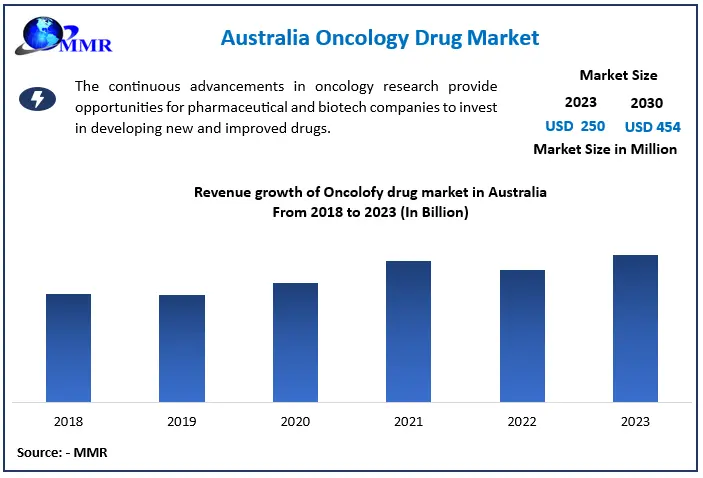 To know about the Research Methodology :- Request Free Sample Report
Immunotherapy Advancements
Australia's oncology drug market is experiencing a surge in immunotherapy adoption, driven by significant advancements and promising clinical outcomes. Immunotherapy trials in Australia are demonstrating positive results across various cancer types. For instance, researchers at Peter MacCallum Cancer Centre achieved complete remission in advanced head and neck cancer patients using CAR-T cell therapy. The Australian government recognizes the potential of immunotherapy and allocates funding for research and development. The Medical Research Future Fund and the National Health and Medical Research Council (NHMRC) invest in clinical trials and commercialization efforts. To create next-generation immunotherapies, multinational pharmaceutical companies are partnering with Australian institutions and setting up research hubs. Examples include Bristol Myers Squibb's $123 million research investment with the Garvan Institute, and Merck & Co.'s partnership with the University of Melbourne to develop personalized cancer vaccines.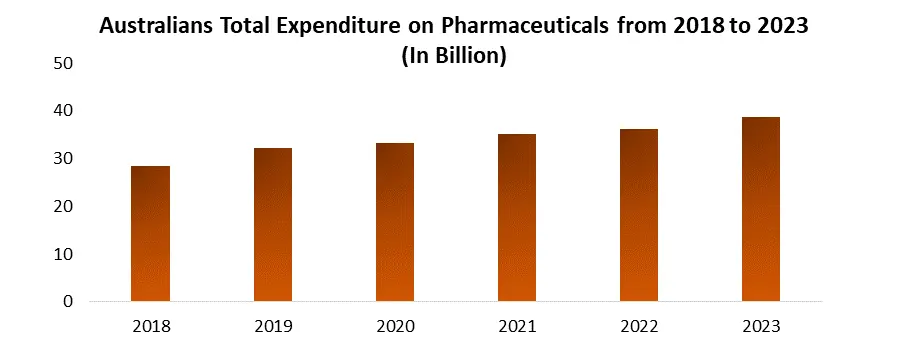 Rising Drug Costs
The rising expense of cancer medications, especially specific treatments and new medicines, is an enormous issue for both patients and Australia's healthcare system. Oncology drug prices are rising considerably faster than inflation and overall healthcare expenditure. According to an MMR survey, between 2008 and 2018, the price of cancer drugs climbed by 7.2% yearly, whereas the price of other pharmaceuticals increased by 2.9%. The increasing cost of cancer drugs puts strain on public healthcare budgets, impacting the allocation of resources for other healthcare needs.
Australia Oncology Drug Market Segment Analysis.
Based on Therapy, Breast cancer therapies dominate the segment in the Australia Oncology Drug Market due to several key factors. Breast cancer is the most commonly diagnosed cancer among Australian women, with a high prevalence rate that demands extensive healthcare resources and advanced therapeutic solutions. Public health awareness campaigns and early detection programs have improved diagnosis rates, further increasing the need for effective treatments. Moreover, the treatment landscape for breast cancer has evolved significantly, with advancements in targeted therapies, hormone treatments, and immunotherapies that provide better outcomes and personalized care. Pharmaceutical companies have heavily invested in breast cancer drugs, given the large patient population and growing demand for innovative therapies.
Australia Oncology Drug Market Scope: Inquiry Before Buying
| Australia Oncology Drug Market | |||
|---|---|---|---|
| Report Coverage | Details | ||
| Base Year: | 2023 | Forecast Period: | 2024-2030 |
| Historical Data: | 2018 to 2023 | Market Size in 2023: | US $ 250 Mn. |
| Forecast Period 2024 to 2030 CAGR: | 8.9% | Market Size in 2030: | US $ 454 Mn. |
| Segments Covered: | by Drug Class | Cytotoxic Drugs Targeted Drugs Hormonal Drugs Others |
|
| by Channel Type | Chemotherapy Immunotherapy (Biologic Therapy) Targeted Therapy Hormonal Therapy |
||
| by Therapy | Kidney Cancer Liver Cancer Ovarian Cancer Prostate Cancer Skin Cancer Colorectal Lung Cancer Breast Cancer Blood Cancer Others |
||
| by Distribution Channel | Hospital Pharmacies Retail Pharmacies Online Pharmacies |
||
Key Players in the Australia Oncology Drug Market
1. Roche (Basel, Switzerland)
2. Noxopharm (Sydney, Australia)
3. Aucentra Therapeutics (Adelaide, Australia)
4. Specialised Therapeutics (Melbourne, Australia)
5. Telix Pharmaceuticals (Melbourne, Australia)
6. AstraZeneca Australia (Sydney, Australia)
7. Aculeus Therapeutics (Melbourne, Australia)
8. Sanofi (Paris, France)
9. Clinuvel Pharmaceuticals (Melbourne, Australia)
10. Otsuka Pharmaceutical Australia Pty. Ltd. (Tokyo, Japan)
11. Clarity Pharmaceuticals (Sydney, Australia)
12. Takeda Pharmaceutical(Tokyo, Japan)
13. GSK plc.(Brentford, United Kingdom)
14. Merck KGaA (Darmstadt, Germany)
15. Cipla (Mumbai, India)
16. Astellas(Tokyo, Japan)
17. AbbVie (North Chicago, Illinois, USA)
18. Novartis(Basel, Switzerland)
19. Pfizer (New York, USA)
20. Johnson & Johnson (New Brunswick, New Jersey, USA)
21. Bristol Myers Squibb (New York, USA)
FAQs:
1. What is the current state of the Oncology Drug Market in Australia?
Ans The aging population in Australia is leading to a significant increase in cancer incidence, which is mostly caused by longer lifespans. People who live longer tend to have more cancer risk factors in their bodies, which increases the chance of getting cancer. The healthcare system is going to be significantly impacted by this demographic shift, leading to the need for a comprehensive strategy to meet the growing demand for oncology services and treatments.
2. Which segments constitute the Oncology drug in Australia?
Ans. Australia Oncology Drug Market is segmented into Drug Class, Channel Type, Therapy, Distribution Channel and Region.
3. What was the Australian oncology Drug Market size in 2023?
Ans. The Australia Oncology Drug Market size was valued at USD 250 Million in 2023.