
Angina Market Size by Drug Class, End User, Region – Revenue Pool Analysis, Margin Structure Assessment, Capital Flow Trends, Competitive Benchmarking & Forecast to 2030
Overview
The Angina Market size was valued at USD 10.07 Billion in 2023 and the total Angina revenue is expected to grow at a CAGR of 5.23% from 2024 to 2030, reaching nearly USD 14.37 Billion.
Angina, primarily triggered by diminished blood flow to the heart muscles, leads to chest pain or discomfort. This condition typically arises when the heart muscles do not receive an adequate supply of oxygen, a result of narrowed arteries that transport oxygen-rich blood to the heart. Factors such as coronary artery spasm, unstable plaques, diminished heart pumping function, and blood clots can contribute to the development of angina pectoris. Common symptoms include chest pain or discomfort, shortness of breath, weakness, nausea, and dizziness.
Managing mild angina pectoris often involves lifestyle adjustments, including smoking cessation, weight management, and adopting a healthy diet. Medications such as beta-blockers, non-steroidal anti-inflammatory drugs, ACE inhibitors, calcium channel blockers, and others are employed to alleviate symptoms in the treatment of mild to severe angina pectoris.
 To know about the Research Methodology :- Request Free Sample Report
Angina Market Dynamics
The elevated prevalence of angina, identification of therapeutic prospects, and growing investments in research and development are set to drive the Angina market's demand. Moreover, the ready accessibility of therapeutic drugs for angina, the introduction of new products, and increased awareness of various cardiovascular disorders will substantially enhance market growth during the forecast period. Nevertheless, a challenge to Angina market growth lies in the observed non-adherence to cardiovascular medications among patients with cardiovascular diseases, as they tend to opt for generic medicines instead of specific branded drugs, impacting Angina market growth during the forecast period.
A key driver fueling market growth is the rise in the patient population grappling with cardiac disorders, notably coronary heart disease. According to data released by the World Health Organization in December 2020, ischemic heart disease emerged as the foremost global cause of death, contributing to 16 % of all fatalities. This disease showed the most significant surge in deaths since 2000, escalating by over 2 million to reach 8.9 million deaths in 2019. Stroke and chronic obstructive pulmonary disease (COPD) ranked as the second and third leading causes of death, constituting approximately 11% and 6% of all deaths, respectively.
Furthermore, an article titled Angina: contemporary diagnosis and management, published in PubMed Central in February 2020, highlighted that Ischemic heart disease (IHD) remains the predominant cause of death and lost life years in adults, particularly among women below the age of 55. Angina pectoris, characterized by chest discomfort resulting from a heart attack, serves as a common clinical manifestation of IHD. Consequently, the increasing prevalence of IHD patients is expected to propel the Angina market growth towards the north. Nevertheless, the growing adoption of minimally invasive surgeries and potential side effects associated with specific drug classes pose as factors that may impede the Angina market's growth during the forecast years.
The rising demand for personalized medicine and precision healthcare
The rising demand for personalized medicine and precision healthcare is transforming the Angina market by enabling the development of more effective treatments, earlier diagnosis, and improved patient outcomes. Personalized medicine tailors’ treatment plans to an individual's unique genetic makeup, lifestyle, and medical history, leading to more targeted and efficacious therapies. This approach is particularly beneficial for angina pectoris, as it can identify patients at risk before symptoms emerge, facilitating early intervention and preventing complications. Precision healthcare complements personalized medicine by employing advanced technologies, such as genetic testing and biomarker analysis, to gain deeper insights into disease mechanisms and patient susceptibility. This comprehensive approach enables healthcare providers to make informed decisions about treatment strategies, optimizing patient care and improving overall health outcomes.
Growing urbanization and changing lifestyles
Growing urbanization and changing lifestyles are significantly impacting the Angina market, contributing to an increased prevalence of risk factors for the condition. As populations shift towards urban centers, they often adopt sedentary lifestyles characterized by reduced physical activity and increased consumption of processed foods. This shift, coupled with the stress and environmental factors associated with urban living, contributes to a rise in obesity, diabetes, and hypertension, all of which are major risk factors for angina. The prevalence of obesity is particularly concerning, as it is a significant contributor to the development of atherosclerosis, the narrowing of arteries that can lead to angina. The World Health Organization estimates that over 650 million adults worldwide were obese in 2022, and this number is estimated to increase. This rise in obesity is paralleled by an increase in diabetes, another major risk factor for angina. The International Diabetes Federation estimates that 537 million adults worldwide were living with diabetes in 2021, and this number is expected to reach 783 million by 2045.
Hypertension, or high blood pressure, is another critical risk factor for angina, and it is also on the rise in urban populations. The World Health Organization estimates that 1.9 billion adults worldwide were living with hypertension in 2016. This increase in hypertension is attributed to factors such as stress, unhealthy diets, and a lack of physical activity.
The growing prevalence of these risk factors is driving the demand for angina diagnosis and treatment. As more people develop angina, the need for diagnostic tools, medications, and interventional procedures increases. This demand is expected to continue to grow as urbanization and lifestyle changes persist. To address this growing burden, the Angina market is responding with innovative solutions. Pharmaceutical companies are developing new medications and drug combinations to manage angina symptoms and reduce the risk of cardiovascular events. Medical device manufacturers are creating minimally invasive procedures and advanced diagnostic tools to improve patient outcomes. Additionally, healthcare providers are emphasizing lifestyle modifications, such as weight management, diet changes, and regular exercise, to prevent the development of angina and other cardiovascular diseases. Growing urbanization and changing lifestyles are playing a significant role in the Angina market. These factors are contributing to the increased prevalence of risk factors for angina, driving demand for diagnosis and treatment, and fostering innovation in the field of cardiovascular medicine.
Angina Market Segment Analysis
Beta Blockers are poised to demonstrate a substantial Compound Annual Rate (CAR) during the forecast period. Operating by impeding the impact of adrenaline on the heart, beta-blockers confer advantages such as decelerating heart rate and diminishing the force of heart muscle contraction. For individuals with stable angina attributed to coronary artery disease (CAD), beta-blockers are regarded as the primary therapeutic approach. The growth of this segment primarily stems from an increase in the target population and a growing number of strategic initiatives among market participants to enhance the commercial availability of beta-blocker medications. For instance is the agreement between New American Therapeutics and Melinta Therapeutics in April 2023, granting the rights to TOPROL-XL (metoprolol succinate) in the United States. TOPROL-XL, an FDA-approved cardio-selective beta-blocker, is utilized for hypertension treatment, either independently or in combination with other antihypertensives. It is also employed for the long-term treatment of angina pectoris and stable, symptomatic heart failure due to specific causes. Such collaborations and advancements are expected to strengthen the growth of the beta-blockers segment of Angina Market during the forecast period.
Furthermore, a research article titled "Pharmacologic Management of Coronary Artery Ectasia," published in Cures in September 2021, emphasized that Coronary Artery Ectasia (CA) is a rare form of aneurysmal coronary heart disease impacting a limited number of individuals. Angina pectoris and acute coronary syndrome are likely outcomes of this disorder, with beta-blockers and trimetazidine suggested as treatments for individuals displaying angina symptoms. These findings support the use of beta-blockers in addressing patients with coronary heart diseases, contributing to the growth of this segment. Consequently, the increasing prevalence of cardiac disorders, coupled with the increasing commercial availability and utilization of beta-blocker drugs for coronary heart disease treatment, is expected to propel the segment's growth of Angina Market during the forecast period.
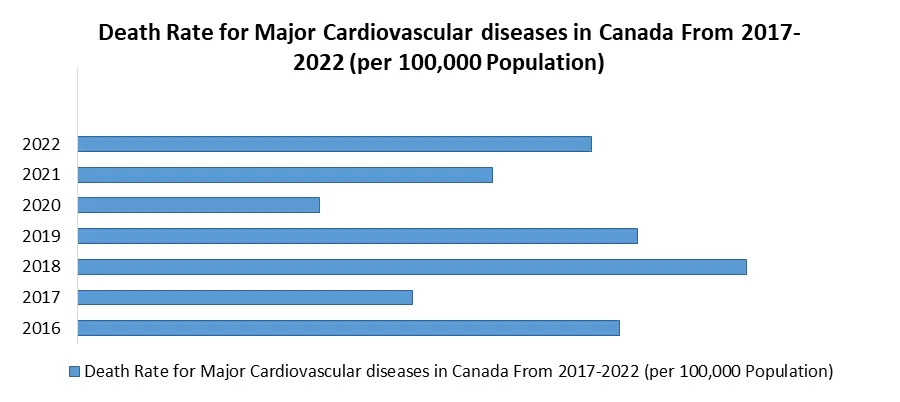
Angina Regional Insights:
North America commands a leading position in the angina market, driven by its well-established healthcare infrastructure, widespread adoption of therapeutics, and the presence of key manufacturers, mainly in the United States, which accounts for a substantial market share. Ischemic heart disease stands as a significant contributor to mortality and disability in the North American region, with angina being its most prevalent symptom. For example, data from the National Center for Chronic Disease Prevention and Health Promotion, Division for Heart Disease and Stroke Prevention, in February 2022, revealed that ischemic heart disease, claiming 360,900 lives in 2020, is the most common type of heart disease. Coronary artery disease affects approximately 18.2 million individuals aged 20 and older, with adults under the age of 65 accounting for about 2 out of every 10 deaths due to this condition.
Similarly, an article titled "Ischemic Heart Disease: Noninvasive Imaging Techniques and Findings," published in RSNA (RadioGraphics) in May 2021, highlighted that in the United States alone, there are approximately 720,000 annual incidents of new coronary events, and the current prevalence of ischemic heart disease is around 18.2 million cases. This higher prevalence of heart diseases is expected to contribute to an increased incidence of angina, thereby driving the angina market towards north. Furthermore, the upswing in the number of ongoing clinical trials is an additional factor fueling the Angina market's growth. As of April 2022, there were 23 active and recruiting clinical trials for angina pectoris within the United States. Collectively, these factors contribute to the sustained growth of the angina market during the forecast period.
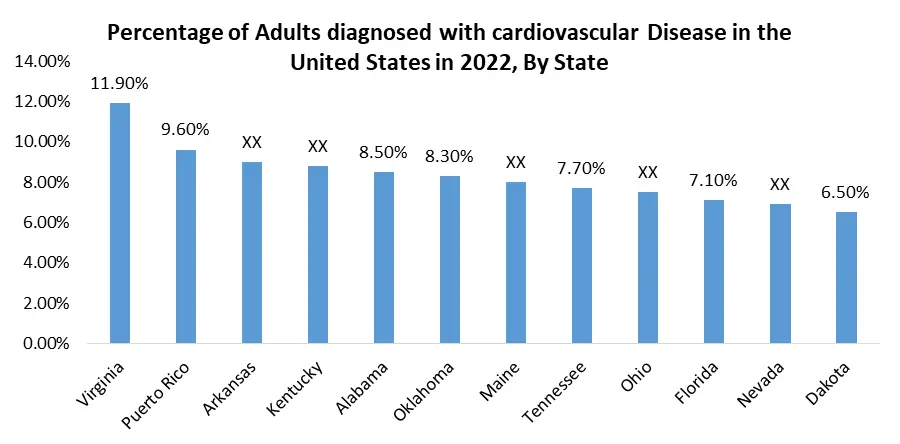
Angina Market Scope: Inquire Before Buying
| Global Angina Market | |||
|---|---|---|---|
| Report Coverage | Details | ||
| Base Year: | 2023 | Forecast Period: | 2024-2030 |
| Historical Data: | 2018 to 2023 | Market Size in 2023: | USD 10.07 Bn. |
| Forecast Period 2024 to 2030 CAGR: | 5.23% | Market Size in 2030: | USD 14.37 Bn. |
| Segments Covered: | by Drug Class | Beta blockers Nitrates & Calcium Channel Blockers Angiotensin-converting Enzyme Inhibitors Others |
|
| by End User | Hospitals Cardiology Centers Others |
||
Angina Market,by Region
North America (United States, Canada and Mexico)
Europe (UK, France, Germany, Italy, Spain, Sweden, Austria and Rest of Europe)
Asia Pacific (China, South Korea, Japan, India, Australia, Indonesia, Malaysia, and Rest of APAC)
Middle East and Africa (South Africa, GCC, Egypt, Nigeria and Rest of ME&A)
South America (Brazil, Argentina Rest of South America)
Key Players of the Angina Market
1. Sanofi
2. Pfizer
3. Otsuka Pharmaceutical Co., Ltd.
4. Novartis AG
5. Merck & Co., Inc.
6. Gilead Sciences, Inc.
7. Amgen Inc.
8. Eli Lilly and Company
9. GlaxoSmithKline
10. Axus Cardium Pharmaceuticals
11. LegoChem Biosciences
12. Lee’s Pharmaceutical Holdings
13. Milestone Pharmaceuticals
14. Juventas Therapeutics
15. ViroMed
16. Kuhnil Pharmaceutical
17. Johnson & Johnson
18. Bristol-Myers Squibb Company
19. Abbott
20. Bayer AG
Frequently Asked Questions and Answers about Angina Market
1. What factors are driving the growth of the Angina market?
Ans: There is a growing demand for more effective and less invasive therapies for angina pectoris, such as minimally invasive procedures and new drug therapies.
2. Which regions are witnessing significant growth in the Angina market?
Ans: The North American and European markets are expected to experience the fastest growth, but the Asia Pacific market is also expected to experience strong growth.
3. What is the market size of Angina market?
Ans: The Angina Market size was valued at USD 10.07 Billion in 2023 and the total Angina revenue is expected to grow at a CAGR of 5.23% from 2024 to 2030, reaching nearly USD 14.37 Billion.
4. What role does sustainability play in the Angina market?
Ans: Sustainability plays an increasingly important role in the Angina market, as healthcare providers and pharmaceutical companies seek to reduce their environmental impact and improve patient outcomes. Here are some of the key ways in which sustainability is being incorporated into the Angina market.
5. Which Application segment held the largest market share in the Angina Market?
Ans: The Hospitals segment held the largest market share accounting for nearly xx% of the market.