
Metal Recycling Market by Metal Type, Scrap type , End User and Region - Global Market Size Estimation, Industry-Wide Analysis, Competitive Landscape Assessment & Long-Term Forecast to 2032
Overview
The Metal Recycling Market size was valued at USD 69.07 Billion in 2024 and the total Metal Recycling revenue is expected to grow at a CAGR of 6.01% from 2025 to 2032, reaching nearly USD 110.18 Billion.
The global metal recycling industry acts as an important segment in the circular economy, decreasing dependence on virgin metal extraction, decreasing carbon footprints, and promoting sustainability. The global market for Metal Recycling was valued at USD 69.07 Billion in 2024 and is expected to grow at a CAGR of 6.01% from 2025-2032 to a value of USD 110.18 Billion by the end of the decade. Increasing urbanization and industrialization, along with strict government regulations on waste reduction and efficient use of resources, are facilitating the growth of this market. Almost 70 of total recycled metals are ferrous metals (steel and iron), the remainder being non-ferrous metals (aluminum, copper, lead and zinc). The top contributors to metal recycling are China, the U.S., Germany, India and Japan, primarily due to their large industrial output and strict environmental regulations.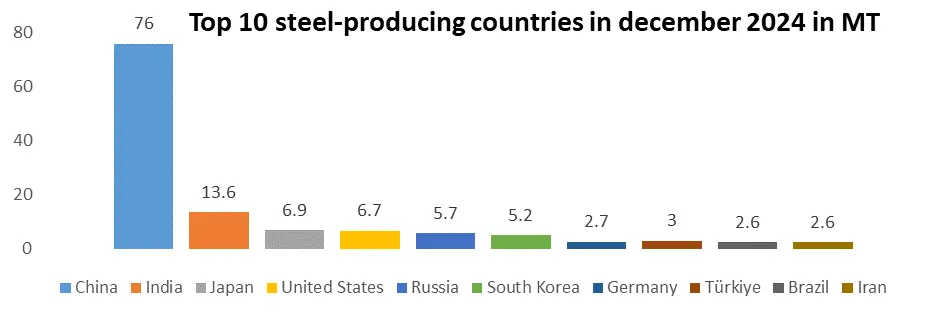 With more than 700 million metric tons of scrap metal recycled every year, global metal consumption is booming, accounting for almost 40% of the world’s raw material needs. Recycled steel, which is the most significant example of secondary raw material, is consumed by steel industry, accounting 35–40% of worldwide steel production, or around 630 million tons steel, annually. Around 25% of the materials used in the manufacture of cars are from recycled metals in the automotive sector. With the infinite recyclability of aluminum, the aluminum recycling market is growing at a rapid pace and currently more than 75 percent of all aluminum ever produced is still being used. The electronics sector also has an important role in metal recycling with around 50 million tons of e-waste produced every year and large amounts of metals such as gold, silver, and palladium, which can be recovered.
Metal prices are known for their volatility and affected by various factors such as supply chain breakdowns, geopolitical concerns, availability of raw materials and energy prices. Ferrous scrap prices traded between 300 and 500 dollars/ton in 2023, at the same time non-ferrous metals have even wider volatility with copper at around 8,500 dollars/ton and aluminum between 2,200 and 2,500 dollars/ton. Recycled (or secondary) metals usually cost 30–40% less than virgin metals, providing a cost-saving opportunity for sectors. But profits can be affected by issues such as scrap contamination, processing costs and expenses incurred to comply with regulations.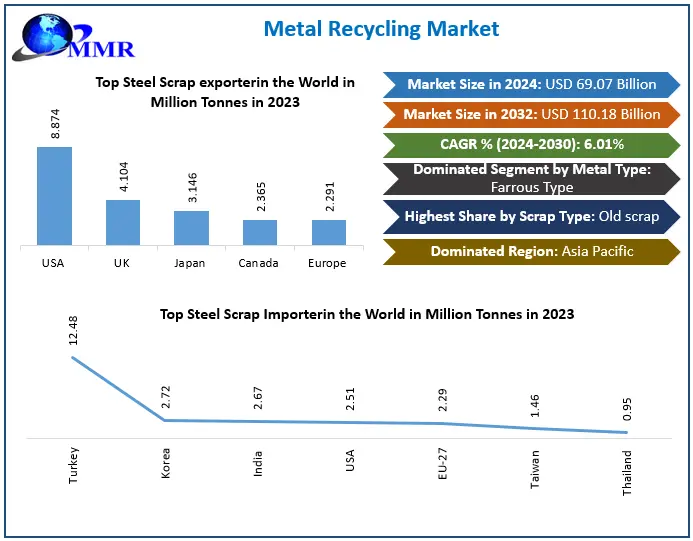 To know about the Research Methodology :- Request Free Sample Report
Metal recycling market has high integration with construction, automotive, aerospace, packaging, and electronics sectors, and as the infrastructure development, and manufacturing activities are booming in the developing economies, they are also finding their way into it. The metal recycling sector is still strongest in Europe where about 56% of steel and 75% of aluminum demand are satisfied with secondary metals. More than 70 million metric tons of scrap metal are processed annually in the U.S., leading to over $27 billion in revenue for the recycling industry. With growing government investments in waste management infrastructure and circular economy efforts in Asia-Pacific particularly China and India, this region is anticipated to be the fastest growing during the forecast period.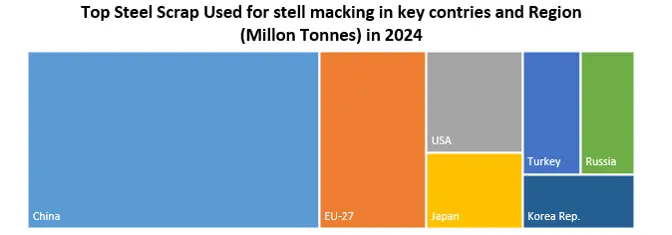 As demand for sustainable materials is increasing and industries are gradually moving to low-carbon production, the metal recycling sector will grow further. To overcome some of the challenges such as new market/region lacking necessary infrastructure, raw material availability fluctuation and contamination issues, continuous development needs to be established. Industry breakthroughs in artificial intelligence-based sorting, automated disassembly with robotics, and supply chain transparency through blockchain are anticipated. Investors and stakeholders need to target regional policies, advances in automation of metal processing, and strategic partnerships with primary suppliers to gain growth multipliers in this domain.
Metal Recycling Market Dynamics:
The primary driver of market expansion is the rising demand for metals, which is being accompanied by a growing emphasis on resource conservation and greenhouse gas emission reduction. Recycling metal enables businesses to obtain raw materials without compromising the quality of the products they produce.
The market is also influenced by the increased interest in recycling metals for energy savings and the growing awareness of the efficient use of natural resources. Additionally, the market for metal recycling is positively impacted by the development in environmental concerns, increase in investments, rise in awareness, and availability of awareness programmes for sustainable waste management techniques.
The building and construction, packing, automotive, industrial machinery, and shipbuilding industries are just a few of the industries that employ metals. Global building activity expansion is anticipated to drive the growth of the market.
Rapid urbanisation increases government and consumer investment on housing and infrastructure development, which has a substantial positive impact on the metal recycling business. The market for recycled metal is growing as a result of manufacturers' high acceptance of the method for getting raw materials to make completed items without altering their qualities and the existence of government-enforced laws and regulations.
The automobile sector makes substantial use of metal. Engine components and a wide range of other auto parts, including hoods, mufflers, fundamental vehicle chassis for doors, and fuel tanks, are made of steel. As a result, it is anticipated that the market for metal recycling would grow.
Metal production would require less energy and ore if most people recycled metal and metal products on a regular basis. This will result in a decrease in the actual cost of purchasing metal, which will enable you to save some money and fuel the growth of the metal recycling business.
Raising public awareness of the diseases that air pollution causes, such as respiratory illnesses. When any industry creates a new metal product, they occasionally emit highly hazardous emissions into the air, increasing the harmful levels of air pollution in cities and maybe endangering your and other people' respiratory health.
Due to the rapidly expanding public awareness of the advantages of using metal wastes, the industry for metal recycling seems to have a promising future. Key market trends in the metal recycling industry include worries about the depletion of rare earth metals as well as strict government laws and environmental protection standards. The economy and market actors are anticipated to gain a lot from metal recycling technologies.
Metal Recycling Market Segment Analysis:
Based on the Metal Type, the market is segmented into ferrous metal and non-ferrous metal. Ferrous metal would dominate the market, with a high market share during the forecast period. Ferrous scrap metal accounts for the largest volume of metal scrapped worldwide, and ferrous metal is typically more resistant to rust and staining than non-ferrous metal.
Based on the Scrap Type, the market is segmented into old scrap and new scrap. Old scrap is expected to dominate the market with a market share high during the forecast period for metal recycling. Old scrap is the most used Scrap type because reducing greenhouse gas emissions and using less energy than making metal.
Based on Equipment, the metal recycling market is segmented into shredders, shears, granulating machines and briquetting machines.Shredders equipment would have dominance in the market with a market share high during the forecast period for metal recycling Market. Due to benefit of recycling reduces air pollution and environmental hazards. Shredded scrap is easier to manage and provides a dense mix when blended with other stock. The shredded scrap is automatically segregated into ferrous and non-ferrous materials.
Metal Recycling Market Regional Insights:
Asia pacific is anticipated to be the largest and fastest growing market and the growth is attributed to the increasing economic growth. Increasing demand of metal from emerging nations like India and China is expected to boost the regional market. North America is expected to show considerable growth due to stringent rules imposed by government authorities to stop illegal and exploitation of mines and metal reserves and well-established construction and automobile sectors in the region.
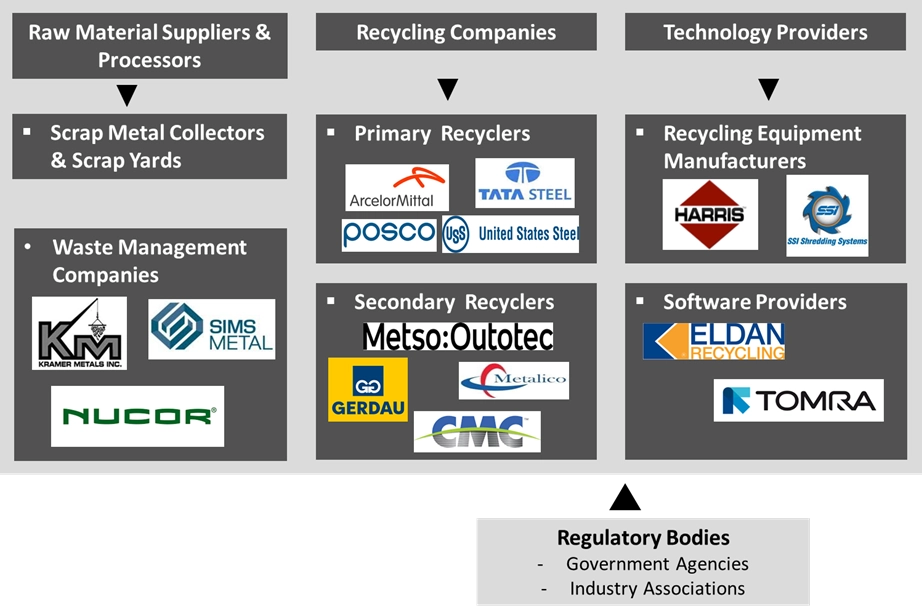
Metal Recycling Market Ecosystem
Metal Recycling Market Scope: Inquire before buying
| Metal Recycling Market | |||
|---|---|---|---|
| Report Coverage | Details | ||
| Base Year: | 2024 | Forecast Period: | 2025-2032 |
| Historical Data: | 2019 to 2024 | Market Size in 2024: | USD 69.07 Bn. |
| Forecast Period 2025 to 2032 CAGR: | 6.01 % | Market Size in 2032: | USD 110.18 Bn. |
| Segments Covered: | by Metal Type | Ferrous Metal Non-Ferrous Metal |
|
| by Scrap type | Old Scrap New Scrap |
||
| by End User | Building & Construction Automotive Shipbuilding Consumer Durables Recycling Industrial Machinery Others |
||
Metal Recycling Market, by Region
North America (United States, Canada and Mexico)
Europe (UK, France, Germany, Italy, Spain, Sweden, Austria, Turkey, Russia and Rest of Europe)
Asia Pacific (China, India, Japan, South Korea, Australia, ASEAN and Rest of APAC)
Middle East and Africa (South Africa, GCC, Egypt, Nigeria and Rest of ME&A)
South America (Brazil, Argentina, Columbia and Rest of South America)
Metal Recycling Market, Key Players
1. CMC
2. GFG Alliance
3. Norsk Hydro ASA
4. Kimmel Scrap Iron & Metal Co., Inc.
5. Schnitzer Steel Industries, Inc.
6. Novelis
7. Tata Steel
8. Sims Metal
9. Utah Metal Works
10. Aqua Metals
11. Sortera Alloys
12. Nth Cycle
13. Mint Innovation
14. Metaloop
15. pH7
16. Emulsion Flow Technologies
17. Saperatec
18. Metycle
19. Zincovery
20. Lemontri
21. Namo E-waste
22. Chanja Datti
23. MolyWorks Materials
24. ReCycle Bikes
25. Nupur Recyclers
26. AMG ChemTech
27. GreenIron H2
28. Earth Recycling Services
29. Solar Kisasa
30. enim
31. Runaya
32. Agave Networks
33. Hydro
34. VALIS Insights
35. MATR
36. European Metal Recycling
Frequently Asked Questions:
1] What segments are covered in the Global Metal Recycling Market report?
Ans. The segments covered in the Metal Recycling Market report are based on Type of metal, type of scrap, equipment and end user.
2] Which region is expected to hold the highest share in the Global Metal Recycling Market?
Ans. Asia Pacific region is expected to hold the highest share in the Metal Recycling Market.
3] What is the market size of the Global Metal Recycling Market by 2032?
Ans. The market size of the Metal Recycling Market by 2032 is expected to reach USD 110.18 Bn.
4] What is the forecast period for the Global Metal Recycling Market?
Ans. The forecast period for the Metal Recycling Market is 2025-2032.
5] What was the Global Metal Recycling Market size in 2024?
Ans: The Global Metal Recycling Market size was USD 69.07 Billion in 2024.