
Solar Control Glass Market - Industry Structure Evaluation, Demand Drivers Analysis, Regional Growth Analysis and Identification, Competitive Positioning / Landscape Review & Global Market Size Forecast to 2030
Overview
Global Solar Control Glass Market size was valued at USD 7.4 Bn in 2023 and is expected to reach USD 14.79 Bn by 2030, at a CAGR of 10.4%.
Solar Control Glass Market Overview
Solar control glass is the transformative solution for spaces inundated with sunlight, particularly in areas featuring vast glazed surfaces, glass roofs, or conservatories. These advanced double-glazing windows effectively filter sunlight, welcoming natural illumination while curbing uncomfortable glare and excessive heat. Available in a spectrum of options from tinted to reflective and neutral these glasses are equipped with specialized coatings that diminish heat transmission. Evaluated by the Solar Heat Gain Coefficient (SHGC) or g-value, lower ratings denote enhanced insulation against solar heat. When coupled with self-cleaning, Low E, or decorative glass, these solutions offer a fusion of solar protection and thermal insulation, ensuring consistent comfort across seasons. Reflective-coated and tinted solar control glass is instrumental in managing interior temperatures, significantly reducing heat absorption in intense summer conditions within the Solar Control Glass Market. Its incorporation in workplaces or educational environments enhances productivity by effectively regulating temperatures and maximizing the utilization of natural light resources.
The Solar Control Glass industry is on a consistent growth driven by essential factors and ever-evolving trends, reshaping both architectural designs and environmental commitments. Its steady growth is driven by the growing emphasis on sustainable building practices, as architects and builders increasingly seek energy-efficient solutions. Government regulations mandating eco-friendly construction methods, aligned with green building standards, further fuel the adoption of solar control glass. The Solar Control Glass Market sees continual advancements in technology, elevating the performance and visual appeal of these glasses. The swift pace of urbanization, particularly in warmer regions, intensifies the need for solar control glass in constructing high-rise buildings featuring expansive glazed fronts. Evolving trends, such as the emergence of smart glass technology and the pursuit of customizable designs, indicate a shift towards more adaptive and sophisticated solutions. Integrating solar control glass in workplaces and educational institutions not only enhances occupant comfort but also addresses health and wellness concerns. Collaborative initiatives exploring its integration with renewable energy sources promise expanded functionality and broader Natures. The industry's growth hinges on its ability to align with sustainability, technological innovation, and evolving consumer preferences for efficient and visually appealing architectural solutions.
Solar Control Glass Market Dynamics
Increasing emphasis on energy efficiency and sustainability in construction practices to Boost Market Growth
With increasing global awareness of climate change and the need for reduced carbon footprints, there's a pressing need to curtail energy consumption in buildings. Solar control glass serves as an effective solution by limiting the amount of solar heat entering a structure. This directly decreases the reliance on artificial cooling systems, leading to significant energy savings. Governments are enforcing stringent environmental regulations and building standards to enhance energy efficiency in structures. Solar control glass, by effectively reducing heat gain and improving insulation, aligns with these mandates. Compliance with such regulations becomes a driving force for the adoption of solar control glass in modern construction projects boosting Solar Control Glass Market growth.
Solar control glass plays an essential role in reducing a building's overall energy consumption. This results in significant cost savings by cutting down on air conditioning expenses. The long-term financial benefits of reduced energy bills make solar control glass an attractive investment for developers and building owners, stimulating its demand in the market. The growing consciousness surrounding environmental issues has spurred a shift toward sustainable building practices. Solar control glass, as an eco-friendly solution that aids in reducing a structure's carbon footprint, resonates with this trend. Architects and developers increasingly opt for environmentally responsible materials including solar control glass to create energy-efficient and sustainable buildings driving Solar Control Glass Market growth. There's a rising preference among consumers and businesses for environmentally friendly and energy-efficient structures. This inclination influences construction practices, with a growing demand for sustainable materials like solar control glass. Meeting consumer expectations and adhering to market trends propels the adoption of solar control glass in construction projects.
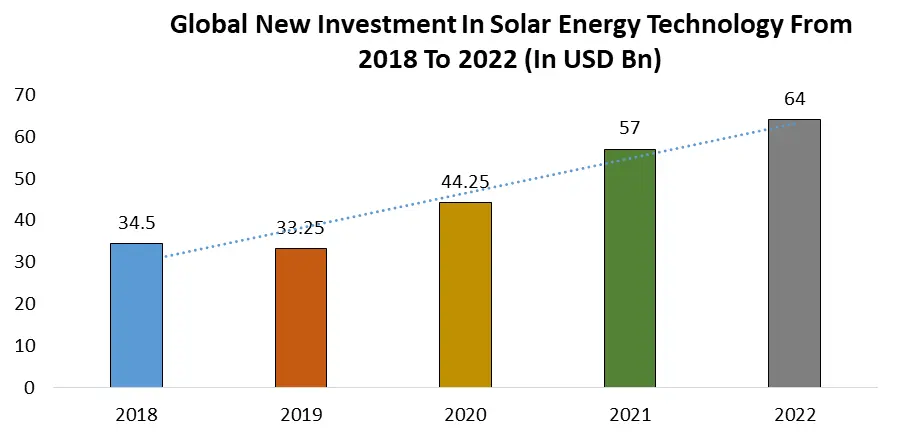
New investments in solar energy technology drive advancements in the Solar Control Glass industry, fostering innovative glass solutions optimized for energy efficiency and sustainability. These investments propel research and development, enhancing glass coatings and structures for better solar heat management and improved environmental impact.
Trend
Switchable Glass Technologies
Switchable glass technologies provide dynamic control over solar radiation and glare. By allowing users to change the glass transparency or tint, these solutions provide on-demand adjustments in light transmission and solar heat gain. This adaptability optimizes natural light utilization while mitigating overheating, reducing the reliance on artificial lighting and cooling systems. The ability to switch between varying levels of transparency or tint empowers occupants to tailor their indoor environment to their preferences. This feature enhances occupant comfort by reducing glare, controlling privacy, and maintaining an optimal temperature, thereby fostering more productive and enjoyable living or working spaces.
The dynamic nature of switchable glass enables better energy management within buildings. By minimizing solar heat gain during peak daylight hours, these technologies contribute to lower energy consumption for air conditioning and lighting. This directly aligns with the increasing emphasis on energy-efficient and sustainable construction practices, where reducing a building's carbon footprint. Switchable glass technologies provide architects and designers greater flexibility in their creations. The ability to instantly transform the glass properties from transparent to opaque or adjust its tint opens avenues for innovative and adaptive architectural designs. These solutions are ideal for spaces that require adaptable privacy solutions or dynamic facade elements. The rise of smart buildings and integrated technologies in construction boosts the demand for intelligent glass solutions. Switchable glass, integrated with smart building management systems, aligns with the broader trend of creating responsive, automated, and energy-efficient structures.
Restraint
Higher Initial Investment Hamper Market Growth
Solar control glass involves sophisticated technologies and specialized coatings that escalate the initial purchasing and installation costs. These costs are comparatively higher than traditional glass options, impacting the decision-making Coating Method for property developers, architects, and homeowners. While solar control glass offers long-term benefits including energy savings, reduced HVAC usage, and enhanced comfort, the upfront costs often deter immediate adoption. The perceived ROI is not immediately apparent or tangible, making it challenging to justify the initial investment.
The higher initial investment limits the Solar Control Glass Market penetration of solar control glass, especially in regions where traditional glass solutions dominate. The construction industry, accustomed to lower-cost alternatives, is hesitant to adopt solar control glass without clear evidence of its economic advantages. Retrofitting existing structures with solar control glass incurs substantial costs. Replacing conventional glass with solar control variants involves intricate installation procedures and potential structural modifications, adding to the overall expenses and complicating adoption in older buildings.
Solar Control Glass Market Segment Analysis
Based on Type, the market is segmented into Tempered Glass, Laminated Glass, Float Glass, Heat Strengthened Glass and Others. Laminated Glass is expected to dominate the Solar Control Glass Market over the forecast period. Laminated glass consists of a layer of PVB (polyvinyl butyral) between two glass sheets, making it highly durable. In case of breakage, the PVB layer holds the glass together, reducing the risk of shattering. This property makes it a safer option, especially for structures and automotive Natures. Laminated glass integrates solar control coatings or tints within the PVB layer, effectively controlling solar heat gain and UV radiation. This feature enhances its energy efficiency and reduces the need for additional cooling systems. The sandwiched PVB layer also contributes to better sound insulation, making laminated glass an excellent choice for noise reduction, particularly in urban areas. It offers design flexibility, allowing for various customization options such as different tints and colors, or even incorporating other technologies such as switchable glass, catering to diverse architectural and aesthetic needs. Its safety, solar control, and soundproofing qualities have increased its demand in various sectors, including residential buildings, commercial spaces, automotive glazing, and even infrastructure projects.
Comprising two layers bonded with interlayers, laminated glass offers robustness difficult to breach, finding Natures in diverse settings. Its use spans from heightened security needs in buildings susceptible to break-ins or natural disasters, including hurricane-prone regions, to specialized displays including jewelry cabinets and animal enclosures. Beyond its strength, laminated glass offers multiple advantages such as reduced emissions, noise pollution, and increased safety as it doesn't shatter upon breakage, ensuring protection during volatile weather. Its design flexibility, available in various colors, tints, and curved or straight forms, further underscores its dominance in catering to diverse architectural and aesthetic demands, positioning laminated glass as a preferred and versatile option in the Solar Control Glass Market.

Solar Control Glass Market Regional Insights
Asia Pacific is expected to dominate the Solar Control Glass Market during the forecast period. Many countries in the Asia-Pacific region including China and India, are experiencing rapid urbanization and infrastructural development. This surge in construction activities, especially in commercial and residential sectors, boosts the demand for energy-efficient building materials such as solar control glass. Several countries in the Asia-Pacific face intense heat and sunlight throughout the year. Solar control glass is highly required in these areas to manage indoor temperatures, reduce heat gain, and minimize the need for excessive air conditioning, making buildings more comfortable and energy-efficient.
Many governments across Asia-Pacific have implemented regulations and incentives promoting energy-efficient building practices. These initiatives encourage the adoption of solar control glass and other green building materials to meet sustainability goals and reduce energy consumption. Increasing environmental consciousness and awareness of the benefits of sustainable construction practices have led developers, architects, and homeowners in the Asia-Pacific region to opt for solar control glass as a solution for better energy management and reduced carbon footprints. Economic growth in countries including China, India, Japan, and Southeast Asian nations has boosted the construction industry. The demand for modern and energy-efficient buildings aligns with the growing disposable income and aspirations for better living standards drive Solar Control Glass Market growth.
Solar Control Glass Market Scope: Inquire before buying
| Global Solar Control Glass Market | |||
|---|---|---|---|
| Report Coverage | Details | ||
| Base Year: | 2023 | Forecast Period: | 2024-2030 |
| Historical Data: | 2018 to 2023 | Market Size in 2023: | US $ 7.4 Bn. |
| Forecast Period 2024 to 2030 CAGR: | 10.4% | Market Size in 2030: | US $ 14.79 Bn. |
| Segments Covered: | by Type | Laminated Glass Tempered Glass Float Glass Heat Strengthened Glass Others |
|
| by Coating Method | Hard Coated Soft Coated Others |
||
| by Nature | Electrochromic Photochromic Gasochromic Others |
||
| by Application | Commercial Residential Automotive Others |
||
Solar Control Glass Key Players
Global
1. Saint Gobain (France)
2. AGC Glass Europe (Belgium)
3. Guardian Glass (United States)
4. Nippon Sheet Glass (Japan)
5. PPG Industries Inc.(United States)
North America
1. Cardinal Glass Industries (United States)
2. Corning (United States)
Europe
1. Arcon Flachglas-Veredlung GmbH & Co. KG(Germany)
2. Euroglas GmbH(Germany)
Asia Pacific
1. Sisecam Flat Glass(Turkey)
2. Nippon Sheet Glass( Japan)
3. Asahi India Glass(India)
4. CSG Architectural Glass( China)
5. Xinyi Auto(Hong Kong)
6. Central Glass( Japan)
7. Fuyao Group (China)
8. Taiwan Glass (Taiwan)
9. Kibing Group (China)
10. SYP Group (China)
Frequently Asked Questions:
1] What is the growth rate of the Global Solar Control Glass Market?
Ans. The Global Solar Control Glass Market is growing at a significant rate of 10.4% during the forecast period.
2] Which region is expected to dominate the Global Solar Control Glass Market?
Ans. Asia Pacific is expected to dominate the Solar Control Glass Market during the forecast period.
3] What is the expected Global Solar Control Glass Market size by 2030?
Ans. The Solar Control Glass Market size is expected to reach USD 14.79 Billion by 2030
4] Which are the top players in the Global Solar Control Glass Market?
Ans. The major top players in the Global Solar Control Glass Market are Saint Gobain (France), AGC Glass Europe (Belgium), Guardian Glass (United States), Nippon Sheet Glass (Japan), PPG Industries Inc. (United States), Cardinal Glass Industries (United States) and Others.
5] What are the factors driving the Global Solar Control Glass Market growth?
Ans. Increasing demand for energy-efficient and sustainable construction practices and technological advancements are expected to drive market growth during the forecast period.