
Mobile Wallet Market – Industry Structure Evaluation, Demand Drivers Analysis, Regional Growth Analysis and Identification, Competitive Positioning Review & Global Market Size Forecast to 2030
Overview
Global Mobile Wallet Market size was valued at USD 2.78 Bn in 2023 and Mobile Wallet market revenue is expected to reach USD 15.83 Bn by 2030, at a CAGR of 28.2 % over the forecast period.
Mobile Wallet Market Overview
Mobile wallets offer features for storing and redeeming digital coupons, as well as managing loyalty cards and rewards programs from different merchants. Mobile Wallet is the Ultimate Weapon for BOPIS (buy online pickup in store) and Drive in service have been used as safe bridge between in store and online shopping.
At the core of any mobile Digital wallet is advanced technology that ensures secure, seamless, and efficient transactions. Digital wallet technology has evolved to provide users with a range of features and capabilities, enhancing the overall experience. Many mobile wallets leverage NFC technology, enabling contactless payments by allowing users to tap their mobile devices on a compatible point-of-sale terminal. This makes for quick, secure, and convenient transactions. Some digital wallets incorporate digital coupons and store loyalty cards, streamlining the process of saving money and earning rewards with purchases, which significantly contributes for the Mobile Wallet Market growth. Mobile Wallets for Transportation offer the convenience of quick and paperless transactions, reducing queues and wait times for commuters.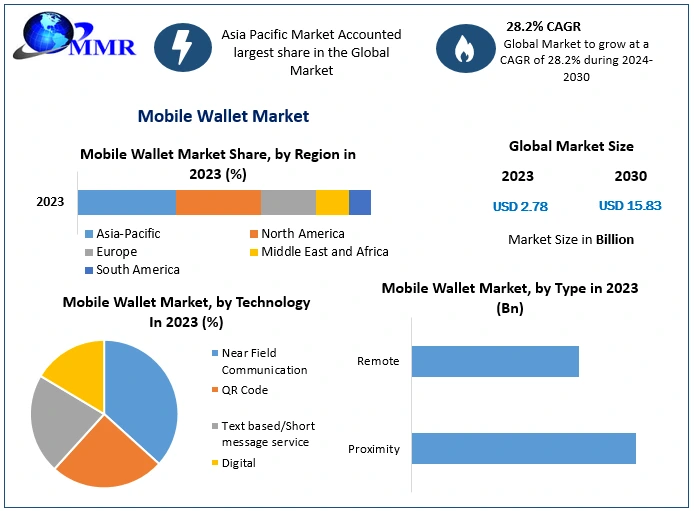 To know about the Research Methodology :- Request Free Sample Report
Mobile Wallet Market Dynamics
Seamless Transactions facility to boost the Mobile Wallet Market growth
The Mobile Wallet Market has experienced significant growth and transformation due to various drivers and factors, ranging from advancements in Mobile Wallet Technology to the diverse Mobile Wallet Payment Methods available. Digital wallets streamline transactions by allowing users to make payments with a simple tap, scan, or click. This reduces the need to carry physical cards or cash. Users can avoid physical ticketing systems and interact with transportation services using their mobile wallets, minimizing physical contact and making travel safer. Many ride-sharing and micro-mobility services are integrated with digital wallets, allowing for an end-to-end travel experience. The integration of digital wallets spans multiple sectors, including finance, transportation, ecommerce, and retail. Collaborative efforts between digital wallet providers and industry players enhance user experiences. Retailers and businesses are adopting an omnichannel approach, allowing customers to use their mobile wallets both online and in physical stores. Digital wallets often integrate with payment gateways and online platforms to provide a seamless payment experience for customers. Digital wallet providers form partnerships and alliances with various companies, enabling users to make payments and access services across a broad ecosystem.
Mobile market are on the demand. 92.3 Mn U.S users in the age of 14 used online payment method used in at least one in six month of 2021. That gives about 40 % of U.S Smartphone users. An integration of widespread internet access, increased bandwidth & devices, which can capitalize to deliver a new customer experience are some of the prominent factors behind the explosion in wallet development and customer usage. Mobile and digital wallets offers financial institutions with opportunities to increase the customer relationships, enhance customer retention, and protect their customers from fraud. Despite the lot of benefits offers by mobile wallet, financial institutions are facing problem from alternative payment providers, which are using their payment solutions to upend the current customer and member base. An implementation of policy on strengthening internet security from protection against online fraud and cyber fraud is one of the challenges in the global mobile wallet market.
Security Concerns in consumers to limit the Mobile Wallet Market growth
Security breaches expose users' sensitive information, including payment details and personal data, making them reluctant to trust digital wallets. Fraudulent activities such as phishing attacks and scams trick users into revealing their mobile wallet credentials, leading to financial losses. Not all merchants and service providers accept mobile wallet payments, creating inconveniences for users who must still carry physical payment methods. The presence of numerous mobile wallet providers with different technologies and standards create fragmentation issues, as users need to have multiple digital wallet apps to access various services. Mobile wallets are predominantly available on smartphones, which may not be accessible to everyone, especially in emerging markets or among older demographics. Different regions and countries have varying regulations and compliance standards for mobile wallet providers, creating complexities for international operations.
Economic disparities create challenges for the adoption of mobile wallets, as users with low incomes may not have access to smartphones or bank accounts. The absence of global standards in the mobile wallet industry create interoperability issues, hampering cross-border and cross-platform usability. Not all merchants and service providers accept Mobile Wallet payments. This lack of universal acceptance creates inconveniences for users who must continue to carry physical payment methods, limiting the seamless experience offered by Mobile Wallets.
Mobile Wallet Market Segment Analysis
Based on type, the market is segmented into Proximity, and Remote. Proximity segment dominated the market in 2023 and is expected to hold the largest Mobile Wallet Market share over the forecast period. Proximity mobile wallets are a subset of digital wallets that are specifically optimized for use in close-proximity settings. These wallets exist in the form of mobile applications, typically available on smartphones, and serve as a virtual repository for various payment methods and credentials. Within the Proximity segment, mobile wallet users link various payment methods to their digital wallets.
These Mobile Wallet Payment methods include credit and debit cards, prepaid cards, or even digital currencies. Users choose their preferred payment source, allowing for flexibility and convenience during transactions. The Proximity segment, with its focus on contactless and in-person transactions, has gained prominence in the Mobile Wallet Market, especially in regions where contactless payment infrastructure is well-established. The adoption of NFC technology, coupled with the convenience of making secure payments using smartphones, has made Proximity mobile wallets a preferred choice for both consumers and businesses.
Based on technology, the market is segmented into Near Field Communication, QR Code, Text-based/Short message service, and Digital. Near Field Communication and QR Code segment dominated the market in 2023 and is expected to hold the largest Mobile Market share over the forecast period. NFC is a short-range wireless communication technology that allows devices, such as smartphones and contactless payment terminals, to exchange data when placed in close proximity (typically within a few centimeters). It operates on the principles of electromagnetic radio fields. NFC transactions are extremely fast and convenient, making them suitable for in-store purchases. Users can simply tap their devices to pay. NFC transactions are secure because the data exchanged is encrypted, which significantly contribute for the Mobile Wallet Market growth.
The proximity requirement adds an extra layer of security. QR code payments have gained significant traction, especially in regions like Asia, where they are commonly used for various transactions. Both NFC and QR code technologies have their strengths and are widely used in the mobile wallet market. NFC is known for its speed and convenience in physical retail settings, while QR code payments offer versatility and affordability, making them accessible to a broad range of users and businesses. The choice between these technologies often depends on regional preferences and the availability of supporting infrastructure.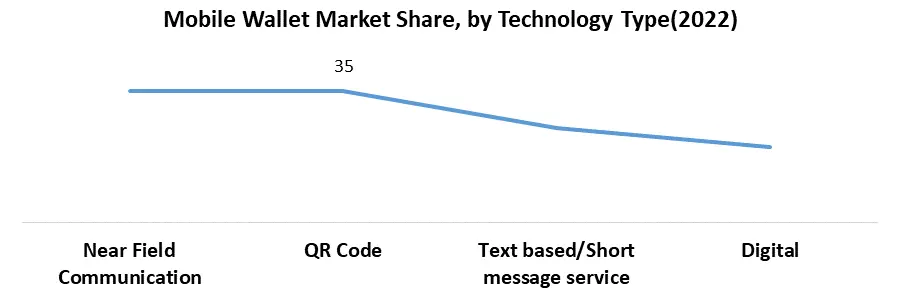
Mobile Wallet Market Regional Insight
Rapid Smartphone Penetration to boost the Asia Pacific Mobile Wallet Market growth
Smartphones are typically connected to the internet, enabling real-time transactions and access to digital wallets. This connectivity allows users to check balances, make payments, and receive transaction notifications on the go, further enhancing the convenience of mobile wallets. Smartphone users are accustomed to downloading and using various mobile applications. Mobile wallet providers leverage this app ecosystem by offering their apps through app stores. Users easily find and install mobile wallet apps, and this familiarity with app downloads encourages adoption.
Smartphones often come equipped with hardware features that enhance mobile wallet usage. Features like Near Field Communication (NFC) allow users to make contactless payments by simply tapping their phones at point-of-sale terminals, which is expected to boost the Mobile Wallet Market growth. This integration simplifies the payment process and promotes mobile wallet usage. As smartphones become ubiquitous, users become more aware of the convenience and advantages of digital payments through mobile wallets. Word-of-mouth recommendations, marketing efforts, and educational initiatives further raise awareness about mobile wallet usage.
| Mobile Wallet Top 10 Leading Companies | |||
| Country | 2020 | 2025 | CAGR |
| Russia | $9166.7 | $65101.2 | 48% |
| Brazil | $19844.9 | $103708.3 | 45.8% |
| Singapore | $1161.2 | $7565.7 | 45.5% |
| Germany | $17120.4 | $105219.8 | 43.8% |
| Malaysia | $4584.2 | $25946 | 41.4% |
| Portugal | $1888.5 | $9823.4 | 39.1% |
| Philippines | $13145.3 | $59312.4 | 35.2% |
| Sweden | $6818.9 | $29978.4 | 34.5% |
| Mexico | $19040.6 | $83687.5 | 34.5% |
| Indonesia | $22968.9 | $98093.6 | 33.7% |
The Asia Pacific Mobile Wallet Market has been experiencing robust growth and is driven by a combination of factors that have accelerated its adoption across the region. These drivers are reflective of the changing consumer behavior, technological advancements, and the evolving financial landscape in the Asia Pacific. Asia Pacific is a popular tourist destination, and mobile wallets offer a convenient way for international travellers to make payments. The acceptance of mobile wallets in the tourism industry has contributed to their popularity. The younger demographic in the Asia Pacific region is more inclined to adopt mobile wallets. Digital natives are comfortable with technology and are quick to embrace digital payment solutions.
Mobile Wallet Market Competitive Landscape
The competitive landscape of the Mobile Wallet Market is characterized by a diverse array of players offering innovative solutions and services to capture the growing demand for digital payment options. These players include established financial institutions, technology giants, fintech startups, and mobile network operators, among others. They are engaged in intense competition to gain market share and enhance their offerings. The market features a broad spectrum of participants, ranging from traditional financial institutions like banks to non-banking players, ensuring a competitive and dynamic landscape.
Mobile Wallet companies are continually innovating to stay competitive. Technological advancements are a driving force, with many mobile wallet providers introducing new features and functionalities to attract users. Several players operate on a global scale, expanding their reach and influence beyond national borders. They often form strategic partnerships with businesses and financial entities worldwide. Many providers are expanding their offerings into new sectors, such as eCommerce, transportation, and retail, to diversify their revenue streams and remain competitive.
Mobile Wallet Market Scope: Inquiry Before Buying
| Mobile Wallet Market | |||
|---|---|---|---|
| Report Coverage | Details | ||
| Base Year: | 2023 | Forecast Period: | 2024-2030 |
| Historical Data: | 2018 to 2023 | Market Size in 2023: | US $ 2.78 Bn. |
| Forecast Period 2024 to 2030 CAGR: | 28.2% | Market Size in 2030: | US $ 15.83 Bn. |
| Segments Covered: | by Type | Proximity Remote |
|
| by Technology | Near Field Communication QR Code Text based/Short message service Digital |
||
| by End-User | Personal Business |
||
| by Industry Vertical | Hospitality & Transportation Media & Entertainment Retail Healthcare Energy & utilities Telecommunication Others |
||
Mobile Wallet Market, by Region
North America (United States, Canada, and Mexico)
Europe (UK, France, Germany, Italy, Spain, Sweden, Austria and Rest of Europe)
Asia Pacific (China, South Korea, Japan, India, Australia, Indonesia, Malaysia, Vietnam, Taiwan, Bangladesh, Pakistan and Rest of APAC)
Middle East and Africa (South Africa, GCC, Egypt, Nigeria and Rest of ME&A)
South America (Brazil, Argentina Rest of South America)
Mobile Wallet Key Players include
1. PayPal Holdings, Inc.
2. Samsung Electronics Co., Ltd
3. VISA Inc.
4. Amazon Web Services Inc.
5. American Express Banking Corp.
6. Apple Inc.
7. Alipay
8. AT&T Inc.
9. Google Inc.
10. JP Morgan Chase
11. Tencent
12. Ant Financial
13. One97 Communications Limited
14. Vodafone
15. Skrill
16. Sprint Corporation
17. Well Fargo
18. First Data
Frequently Asked Questions:
1. What features do mobile wallets offer beyond payments?
Ans: Mobile wallets offer features for storing and redeeming digital coupons, managing loyalty cards, and accessing rewards programs from various merchants. Users can also monitor their account balances and transaction history within the mobile wallet app to manage their finances effectively.
2. What are the key factors driving the growth of the mobile wallet market in the Asia Pacific region?
Ans: Rapid smartphone penetration, increased internet access, and enhanced bandwidth have fueled the growth of the mobile wallet market in the Asia Pacific. These factors, combined with a rising number of devices, have created a new customer experience and driven mobile wallet development and usage.
3. How are mobile wallets contributing to the "Buy Online, Pickup In Store" (BOPIS) trend?
Ans: Mobile wallets act as a bridge between in-store and online shopping, offering a safe and convenient way for users to make purchases. They streamline the BOPIS and drive-inservice experience, reducing the need for physical interaction.
4. What challenges do financial institutions face in the global mobile wallet market?
Ans: Financial institutions face challenges from alternative payment providers that aim to disrupt the current customer and member base. The implementation of policies to strengthen internet security and protect against online fraud and cyber fraud is also a challenge in the global mobile wallet market.
5. How is the mobile wallet adoption in the United States?
Ans: In the United States, mobile wallet adoption is growing, with approximately 40% of U.S. smartphone users utilizing online payment methods at least once in six months of 2023. Rapid smartphone penetration, increased internet access, and enhanced bandwidth have contributed to the increased adoption of mobile wallets in the country.