
Interventional Pulmonology Market by Procedure Type, Technology, Application and Region – Global Market Size Estimation, Industry-Wide Analysis, Competitive Landscape Assessment & Long-Term Forecast to 2032
Overview
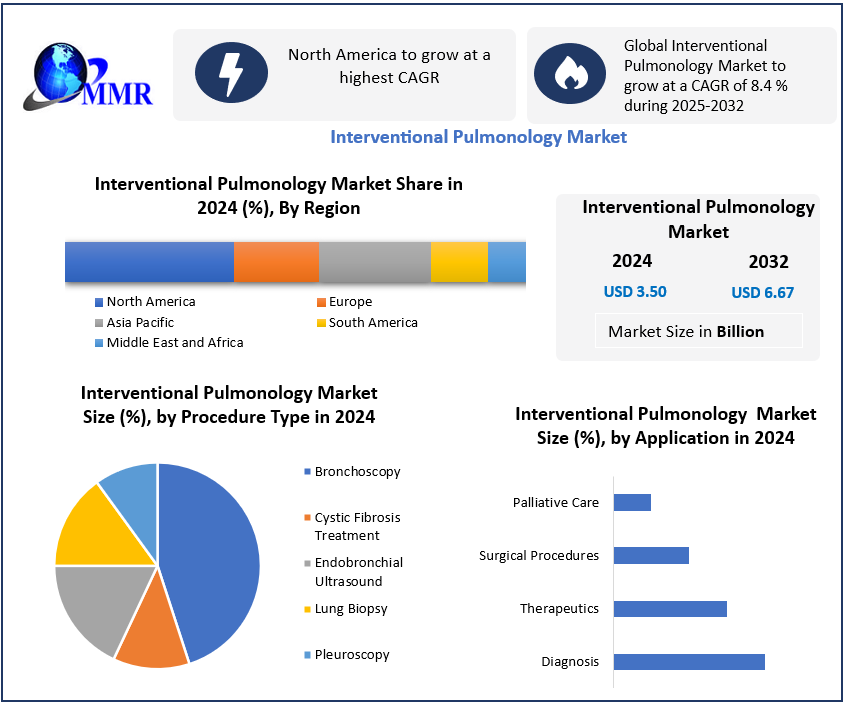
Interventional Pulmonology Market size was valued at USD 3.50 Billion in 2024 and the total Global Interventional Pulmonology Market revenue is expected to grow at a CAGR of 8.4% from 2025 to 2032, reaching nearly USD 6.67 Billion.
The Interventional Pulmonology market is experiencing significant growth due to the rising prevalence of respiratory diseases, advancements in minimally invasive procedures, and increasing demand for early diagnosis and treatment of lung conditions. With the global burden of lung diseases such as lung cancer, chronic obstructive pulmonary disease (COPD), and asthma on the rise, there is a growing need for interventional pulmonology procedures, including bronchoscopy, thoracoscopy, and pleuroscopy, for diagnosis, staging, and treatment. Key factors driving market growth include the increasing elderly population, growing awareness about the benefits of minimally invasive procedures, and technological innovations in imaging and navigation systems. Recent developments by key players in the market include the introduction of advanced bronchoscopic techniques such as electromagnetic navigation bronchoscopy (ENB) and robotic-assisted bronchoscopy, aimed at improving diagnostic accuracy and therapeutic outcomes. Additionally, strategic collaborations and partnerships between medical device companies and healthcare institutions are facilitating the development and commercialization of novel interventional pulmonology devices and techniques, further propelling market growth. Overall, the Interventional Pulmonology Market is poised for continued growth as the demand for minimally invasive lung interventions continues to rise globally.
 To know about the Research Methodology :- Request Free Sample Report
Interventional Pulmonology Market Dynamics:
The increasing incidence of respiratory disorders Driving Forces behind Interventional Pulmonology Market Growth
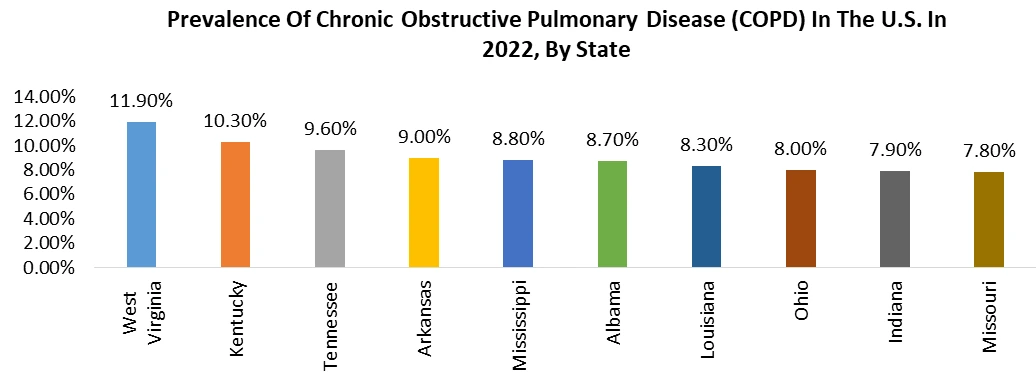
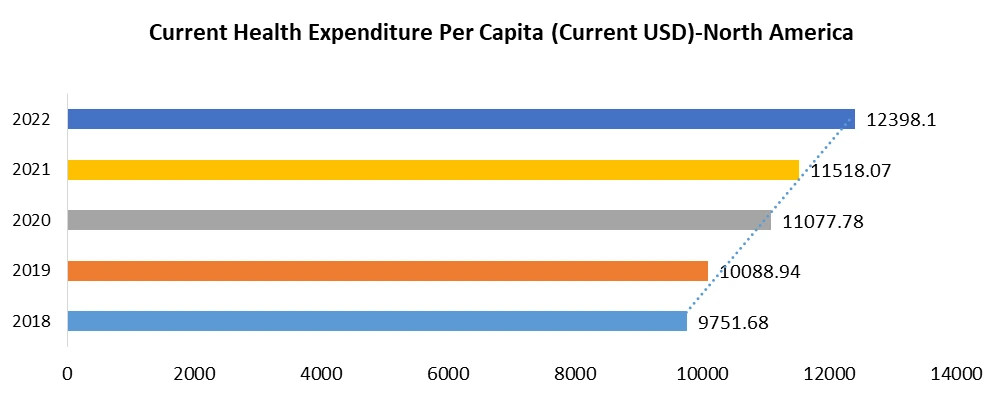
The increasing incidence of respiratory disorders, including lung cancer, COPD, and asthma, fuels demand for interventional pulmonology procedures. Advanced diagnostic technologies such as virtual bronchoscopy and electromagnetic navigation bronchoscopy (ENB) enhance accuracy in diagnosis and staging of lung diseases, further driving market growth. Moreover, the shift towards minimally invasive procedures offers patients less invasive alternatives with shorter recovery times, contributing to the rising demand for specialized devices and equipment in interventional pulmonology. Increasing awareness about the importance of early detection and screening for lung cancer through public health initiatives also encourages patient uptake of interventional pulmonology interventions. Therapeutic interventions like bronchial thermoplasty for severe asthma and endobronchial valve placement for emphysema are gaining popularity, driving adoption of specialized devices. Additionally, the growth of healthcare infrastructure, particularly in emerging economies, facilitates access to interventional pulmonology services, further supporting market growth. Rising healthcare expenditure and increasing insurance coverage for pulmonary interventions enable greater patient access to diagnostic and therapeutic procedures, driving utilization of interventional pulmonology technologies. The aging population, with its associated increase in age-related respiratory conditions, contributes significantly to the market's growth. Furthermore, continuous technological innovations in device design enhance performance and usability, further stimulating market growth. Lastly, the emphasis on personalized medicine in pulmonary care drives demand for tailored interventional pulmonology procedures, supporting market growth in this dynamic sector.
Limited Awareness and Accessibility Restrains the Interventional Pulmonology Market Growth
Interventional pulmonology faces several growth restraints and challenges, limiting its widespread adoption and market growth. Limited awareness and accessibility hinder market growth as many patients and healthcare providers remain unaware of the benefits of interventional pulmonology procedures. Despite the efficacy of techniques like bronchoscopic interventions for lung cancer diagnosis and treatment, the lack of awareness leads to underutilization. Secondly, reimbursement challenges pose a significant hurdle, with inadequate coverage for procedures such as electromagnetic navigation bronchoscopy (ENB) or endobronchial ultrasound (EBUS) impacting patient access and adoption. Additionally, the specialized nature of interventional pulmonology requires extensive training and expertise, yet there may be a shortage of trained professionals capable of performing complex procedures like bronchial thermoplasty or pleuroscopy, limiting service availability. The high costs associated with interventional pulmonology equipment further impede market growth, as smaller clinics or hospitals may struggle to afford advanced bronchoscopy systems equipped with navigation and imaging technologies.
Stringent regulatory requirements also delay market entry and innovation, with regulatory clearance from agencies like the FDA or CE Mark certification involving extensive trials and documentation. Moreover, competition from traditional therapies such as surgery or pharmacotherapy presents a challenge, as patients may opt for familiar treatments over innovative interventional approaches. Concerns over safety and complications, including pneumothorax or bleeding during bronchoscopic interventions, contribute to reluctance among patients and healthcare providers. Fragmentation in healthcare systems, economic constraints, and resistance to change further hinder market growth, as disparities in infrastructure, reimbursement policies, and physician training limit the standardization and adoption of interventional pulmonology practices. Overall, addressing these challenges is essential to unlocking the full potential of interventional pulmonology and increasing its reach to improve patient outcomes in respiratory care.
Interventional Pulmonology Market Segment Analysis
Based on Procedure Type, the market is segmented into Bronchoscopy, Cystic Fibrosis Treatment, Endobronchial Ultrasound, Lung Biopsy, and Pleuroscopy. Bronchoscopy dominated the market in 2024 and is expected to hold the largest market share during the forecast period. This dominance is due to its extensive use in diagnosing and treating various pulmonary conditions such as lung cancer, chronic obstructive pulmonary disease (COPD), and infections. Bronchoscopy allows for minimally invasive visualization of the airways, biopsy sampling, and therapeutic interventions, making it highly preferred by pulmonologists. Increasing prevalence of respiratory diseases, advancements in bronchoscope technology, and rising demand for early diagnosis further strengthen its position as the leading segment in 2024.
Based on Technology, the market is segmented into Visualization Technology, Biopsy Tools, Laser Technologies, and Radiofrequency Technologies. Visualization Technology dominated the market in 2024 and is expected to hold the largest market share during the forecast period. This is because visualization systems, such as advanced bronchoscopes and endoscopic imaging devices, are essential for accurate diagnosis and treatment in interventional pulmonology. These technologies provide high-definition imaging, enabling precise airway navigation and detection of abnormalities. The growing adoption of video-assisted and minimally invasive procedures, coupled with innovations like 3D imaging and AI integration, further boosts the demand for visualization tools. Their critical role in guiding other procedures makes them the leading technology segment.
Personalized Therapeutic Approaches in Interventional Pulmonology Restrains the Interventional Pulmonology Market
The evolution of bronchoscopic techniques, such as electromagnetic navigation bronchoscopy (ENB) and endobronchial ultrasound (EBUS), revolutionizes diagnosis and treatment modalities. These innovations enable precise localization and minimally invasive interventions for lung lesions and nodules, increasing the scope of interventional pulmonology procedures. Moreover, the rising prevalence of lung cancer globally underscores the critical need for advanced diagnostic and therapeutic approaches in pulmonary medicine. With lung cancer being a leading cause of cancer-related mortality, there's an escalating demand for minimally invasive interventions like bronchoscopic biopsies and endobronchial stent placement to enhance patient outcomes and survival rates.
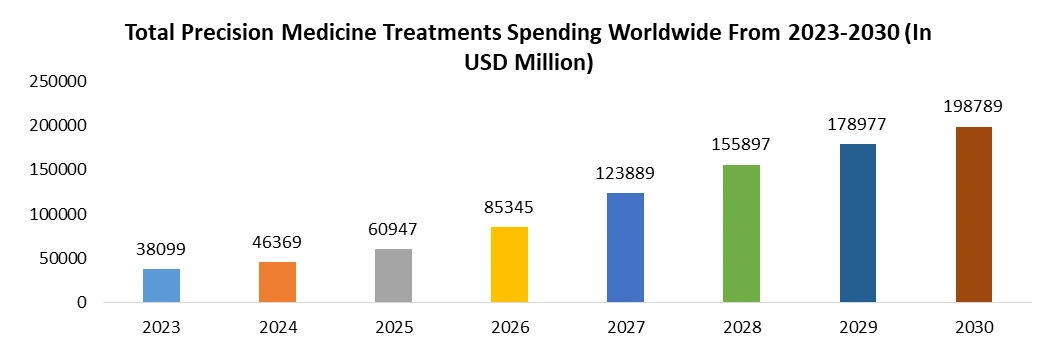
The convergence of telemedicine and remote monitoring technologies opens new avenues for interventional pulmonology. The proliferation of telemedicine platforms facilitates remote consultation and monitoring, offering patients in remote areas access to specialized care and early intervention for lung diseases. Additionally, tele-proctoring and telementoring programs enhance training and education for interventional pulmonologists, fostering the adoption of advanced procedures and devices. Furthermore, the emergence of artificial intelligence (AI) and machine learning in pulmonary medicine augments diagnostic accuracy and treatment planning. AI-driven algorithms enable efficient image analysis and data interpretation, enhancing the efficiency of bronchoscopic procedures and streamlining patient management. This integration of AI in interventional pulmonology not only improves outcomes but also drives the development of personalized therapeutic approaches tailored to individual patient profiles and disease characteristics.
Interventional Pulmonology Market Scope: Inquire before buying
| Global Interventional Pulmonology Market | |||
|---|---|---|---|
| Report Coverage | Details | ||
| Base Year: | 2024 | Forecast Period: | 2025-2032 |
| Historical Data: | 2019 to 2024 | Market Size in 2024: | USD 3.50 Bn. |
| Forecast Period 2025 to 2032 CAGR: | 8.4% | Market Size in 2032: | USD 6.67 Bn. |
| Segments Covered: | by Procedure Type | Bronchoscopy Cystic Fibrosis Treatment Endobronchial Ultrasound Lung Biopsy Pleuroscopy |
|
| by Technology | Visualization Technology Biopsy Tools Laser Technologies Radipfrequency Technologies |
||
| by Application | Diagnosis Therapeutics Surgical Procedures Palliative Care |
||
Interventional Pulmonology Market, by Region
North America (United States, Canada and Mexico)
Europe (UK, France, Germany, Italy, Spain, Sweden, Austria and Rest of Europe)
Asia Pacific (China, South Korea, Japan, India, Australia, Indonesia, Malaysia, Vietnam, Taiwan, Bangladesh, Pakistan and Rest of APAC)
Middle East and Africa (South Africa, GCC, Egypt, Nigeria and Rest of ME&A)
South America (Brazil, Argentina Rest of South America)
Interventional Pulmonology Market Key Players:
Major Contributors in the Interventional Pulmonology Market in North America:
1. Boston Scientific Corporation (Marlborough, Massachusetts, USA)
2. Cook Medical LLC (Bloomington, Indiana, USA)
3. Teleflex Incorporated (Wayne, Pennsylvania, USA)
4. CONMED Corporation (Utica, New York, USA)
5. Merit Medical Systems, Inc. (South Jordan, Utah, USA)
6. EndoChoice Holdings, Inc. (Alpharetta, Georgia, USA)
7. Penumbra, Inc. (Alameda, California, USA)
8. Spiration, Inc. (Redmond, Washington, USA)
9. Nuvaira, Inc. (Minneapolis, Minnesota, USA)
Major Leading Player in the Interventional Pulmonology Market in Europe:
1. Medtronic plc (Dublin, Ireland)
2. Smiths Group plc (London, United Kingdom)
3. Karl Storz SE & Co. KG (Tuttlingen, Germany)
4. Ambu A/S (Ballerup, Denmark)
Major Leading Player in the Interventional Pulmonology Market in Asia Pacific:
1. Olympus Corporation (Tokyo, Japan)
2. FUJIFILM Holdings Corporation (Tokyo, Japan)
FAQ:
1] What segments are covered in the Interventional Pulmonology Market report?
Ans. The segments covered in the Interventional Pulmonology Market report are based on Product Type, Indication, End-user and Region.
2] Which region is expected to hold the highest share in the Global Interventional Pulmonology Market?
Ans. North America region is expected to hold the highest market share in the Interventional Pulmonology market.
3] What is the market size of the Global Interventional Pulmonology Market by 2032?
Ans. The market size of the Interventional Pulmonology Market by 2032 is expected to reach USD 6.67 Billion.
4] What is the forecast period for the Global Interventional Pulmonology Market?
Ans. The forecast period for the Interventional Pulmonology Market is 2025-2032.
5] What was the market size of the Global Market in 2024?
Ans. The market size of the Interventional Pulmonology Market in 2024 was valued at USD 3.50 Billion.