
Global Emotion Detection and Recognition Market Size by Technology, Application, and Region – Segment-Level Market Assessment, Growth Opportunity Analysis, Competitive Mapping & Forecast to 2030
Overview
The Emotion Detection And Recognition Market size was valued at USD 17.41 Billion in 2023 and the total Emotion Detection And Recognition Market revenue is expected to grow at a CAGR of 32.41% from 2024 to 2030, reaching nearly USD 124.24 Billion.
Emotion Detection and Recognition (EDR) is a technology that utilizes various methods such as facial recognition, voice analysis, biometrics, and machine learning algorithms to identify and interpret human emotions. It involves capturing subtle cues from facial expressions, vocal tone, physiological responses, and other behavioral patterns to discern a person's emotional state accurately. EDR systems aim to understand and categorize emotions such as happiness, sadness, anger, fear, surprise, and disgust, enabling applications across multiple industries, including healthcare, automotive, retail, gaming, and customer service.
The Emotion Detection and Recognition Market is experiencing robust growth fueled by advancements in artificial intelligence (AI), machine learning, and deep learning technologies. As businesses increasingly recognize the importance of understanding customer emotions and enhancing user experiences, the demand for EDR solutions continues to rise. Factors driving Emotion Detection and Recognition Market growth include the growing emphasis on personalized customer experiences, rising awareness of mental health, and the need for enhanced security measures. The integration of EDR technology into various applications such as virtual assistants, autonomous vehicles, healthcare monitoring systems, and educational tools is further propelling market growth.
The proliferation of smartphones and wearable devices equipped with emotion detection capabilities, the increasing availability of big data analytics tools for emotion analysis, and the rising demand for real-time emotion detection solutions. Moreover, the emergence of multimodal EDR systems combining facial recognition, voice analysis, and biometric sensors is a notable trend driving Emotion Detection and Recognition Market growth. Furthermore, the adoption of EDR technology in areas such as marketing, advertising, and human resources management is expected to fuel market growth in the forecast period.
The Emotion Detection and Recognition Market offers significant opportunities for innovation and growth, particularly in sectors such as healthcare, education, retail, and entertainment. Recent developments in the Emotion Detection and Recognition Market include collaborations and partnerships between key players to integrate EDR technology into existing systems and platforms. For example, partnerships between emotion analytics companies and healthcare providers enable the development of mental health assessment tools and therapy platforms. Additionally, advancements in deep learning algorithms and neural networks are enhancing the accuracy and efficiency of EDR systems, opening new opportunities for applications in security, gaming, and virtual reality experiences.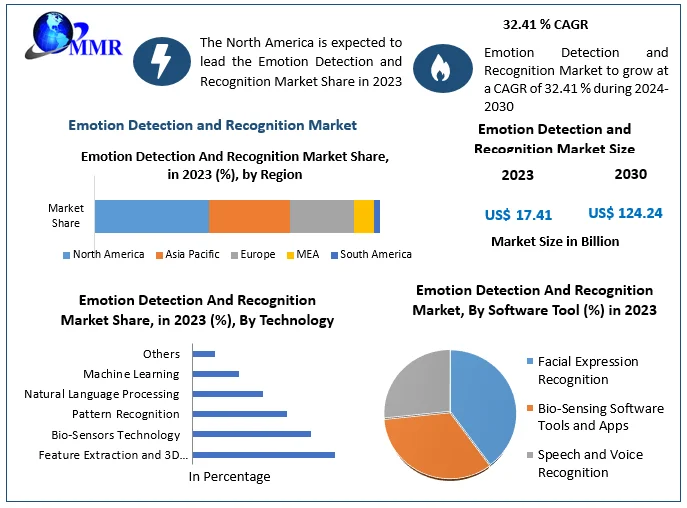 To know about the Research Methodology:-Request Free Sample Report
Market Dynamics:
Enhancing Mental Healthcare with Emotion Recognition Software:
Emotional detection enables businesses to tailor their products and services based on customers' emotional responses. For instance, facial recognition technology in retail analyzes shoppers' expressions to gauge their reactions to different products, allowing retailers to optimize their offerings. Wearable technology integrated with emotion detection features is becoming prevalent, driving the Emotion Detection and Recognition Market growth. Devices like smartwatches and fitness trackers monitor users' emotions in real time, aiding in stress management and overall well-being. Emotion detection technologies are increasingly utilized in healthcare for patient monitoring, mental health assessment, and therapy sessions.
For example, emotion recognition software helps therapists assess patients' emotional states during virtual counseling sessions, enhancing the quality of care. Marketers leverage emotion detection to gauge consumer sentiments about ads and products. By analyzing facial expressions and vocal cues, companies refine their marketing strategies for maximum impact. For instance, emotion detection tools analyze viewer reactions to video ads, allowing advertisers to optimize content for emotional engagement.
Retailers use emotion detection to understand shopper preferences and improve in-store experiences. For instance, stores employ emotion-sensory technologies to analyze customer reactions to store layouts and product displays, optimizing layouts for increased sales and customer satisfaction. Continuous advancements in AI and machine learning algorithms enhance the accuracy and reliability of emotion detection systems. These technologies enable more precise analysis of facial expressions, voice intonations, and physiological signals, driving the adoption of emotion detection solutions across various Emotion Detection and Recognition Market. Governments worldwide are investing in emotion detection technologies for security purposes, such as identifying suspicious behavior in public spaces and airports. For example, airports use facial recognition systems to detect passengers' emotions and assess their security risk levels, enhancing overall safety measures.
Emotion detection technology is increasingly integrated with IoT devices, enabling seamless monitoring and analysis of users' emotional states in smart environments. For instance, smart home systems equipped with emotion detection capabilities adjust ambient conditions based on occupants' emotional well-being, promoting comfort and relaxation. The rising prevalence of mental health disorders globally drives the demand for emotion detection solutions in mental healthcare.
For example, mobile apps equipped with emotion recognition features offer personalized mental health support by monitoring users' emotional states and providing relevant interventions or coping strategies. Emotion detection technology is increasingly integrated into human-computer interaction systems, enhancing user experiences in various applications in the Emotion Detection and Recognition Market. For example, emotion-sensory interfaces in gaming consoles analyze players' facial expressions and gestures to adapt gameplay dynamics, creating immersive and engaging gaming experiences.
Transforming Customer Service with Emotional Insights:
Emotion detection technology presents a significant Emotion Detection and Recognition Market growth opportunity in healthcare for mental health assessment, patient monitoring, and therapy sessions. For example, companies like X2AI provide AI-driven emotional support platforms that enable mental health professionals to remotely monitor patients' emotional states and provide timely interventions, improving overall patient outcomes and reducing healthcare costs. The automotive industry offers a promising avenue for emotion detection integration, particularly in driver monitoring systems.
Solutions like Affectiva's Automotive AI analyze drivers' facial expressions and behaviors to detect drowsiness or distraction, enhancing road safety. With the rise of autonomous vehicles, emotion detection technology also ensures smooth human-machine interactions by understanding passengers' emotional states and adapting vehicle responses accordingly. Emotional detection tools revolutionize customer service by enabling businesses to gauge customer satisfaction. For instance, companies like Beyond Verbal provide voice analysis solutions that assess customer emotions during support calls, allowing organizations to tailor responses and improve the overall customer experience. By understanding customer sentiments, businesses can address issues promptly, leading to increased loyalty and a positive brand perception.
The education sector offers opportunities Emotion Detection and Recognition Market for emotion detection technology to enhance learning experiences. Platforms like Emotuit utilize AI to analyze students' emotional engagement during online lectures, providing educators with insights to adjust teaching strategies and improve student outcomes. Emotional detection also aids in identifying students' stress levels and mental well-being, enabling timely interventions and personalized support. Emotional detection is increasingly integrated into gaming systems to create immersive experiences.
Companies like Tobii offer eye-tracking technology that analyzes players' gaze patterns and facial expressions to adapt gameplay dynamics. By understanding players' emotions, game developers can tailor challenges, character interactions, and narratives, enhancing overall gaming experiences and fostering player engagement. As the gaming industry continues to grow, emotion detection technology will play a vital role in shaping the future of interactive entertainment.
Ethical Concerns Surrounding Emotion Detection Algorithms:
The development and manufacturing of emotion detection and recognition (EDR) systems entail significant expenses, leading to high production costs. For instance, the complexity of integrating advanced algorithms into hardware devices increases manufacturing expenses, reducing the accessibility of EDR technology for smaller businesses and hindering market growth. Emotion detection technologies often involve the collection and analysis of personal data, raising privacy concerns among users. For example, facial recognition systems used for emotion detection infringe upon individuals' privacy rights, leading to regulatory scrutiny and public backlash, which impede Emotion Detection and Recognition Market growth.
Despite advancements, emotion detection systems still exhibit limitations in accurately recognizing and interpreting emotions. In scenarios with complex emotions or diverse cultural contexts, the accuracy of these systems decreases, impacting their reliability and adoption across industries. The ethical implications of emotion detection technology usage, such as potential biases in algorithmic decision-making or unintended consequences, pose significant restraints. For instance, biased algorithms perpetuate stereotypes or discriminate against certain demographic groups, leading to ethical dilemmas and regulatory challenges that hinder Emotion Detection and Recognition Market growth.
Integrating emotion detection technology into existing systems and workflows is complex and challenging. For instance, compatibility issues with legacy systems or the need for specialized training to use new technologies slow down adoption rates and limit Emotion Detection and Recognition Market penetration. Emotional detection technologies are subject to various legal and regulatory requirements, which pose barriers to market entry and growth. For example, compliance with data protection laws, such as GDPR in Europe or CCPA in the United States, adds complexity and costs to product development and deployment.
Emotion detection systems must account for cultural differences in emotional expression and interpretation, presenting a challenge to global Emotion Detection and Recognition Market. For instance, expressions of emotions vary across cultures, and a one-size-fits-all approach will not be effective, requiring tailored solutions for different regions and demographics. The reliability of emotion detection systems in real-world environments, such as varying lighting conditions or noisy backgrounds, remains a concern. For example, outdoor settings or crowded spaces affect the accuracy of facial recognition algorithms, impacting the performance and trustworthiness of emotion detection technology.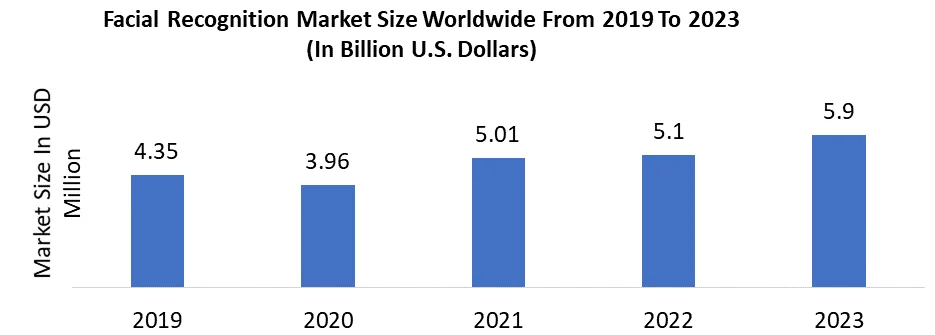
Emotion Detection And Recognition Market Segment Analysis:
Based on Technology, Machine learning stands out as the dominating segment, owing to its versatility, adaptability, and effectiveness in processing vast amounts of data to discern emotional cues. While machine learning currently holds dominance, natural language processing and pattern recognition are expected to witness substantial growth, driven by advancements in AI and deep learning techniques. Natural language processing is particularly crucial for analyzing textual data, such as social media posts or customer feedback, to extract emotional context and sentiment. Pattern recognition, on the other hand, focuses on identifying recurring patterns in data, including facial expressions or physiological signals, to infer emotional states.
While feature extraction and 3D modeling, bio-sensor technology, and other emerging technologies also contribute to the Emotion Detection and Recognition Market, their adoption and dominance are relatively low due to factors such as complexity, cost, and limited application scenarios. As technology evolves and the demand for more accurate and context-aware emotion detection grows, these segments may witness increased adoption, especially in niche applications such as healthcare, gaming, and human-computer interaction. The dominance of machine learning, coupled with the anticipated growth of natural language processing and pattern recognition, underscores the dynamic landscape of the Emotion Detection and Recognition Market, where advancements in technology continue to shape its trajectory.
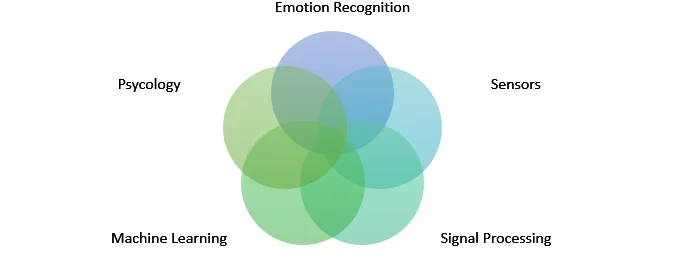
Chart: AI-Driven Emotion Recognition and Prediction:
Emotion Detection And Recognition Market Regional Insights:
The Emotion Detection and Recognition Market exhibits variations in dominance across regions, with North America currently leading due to the presence of key market players, technological advancements, and early adoption of emotion detection technologies. For example, companies like Affectiva and Beyond Verbal, based in North America, have pioneered innovative emotion detection solutions, and established strong Emotion Detection and Recognition Market footholds. However, the Asia Pacific region is poised for significant growth, driven by increasing investments in AI and machine learning, rising demand for emotion analytics in various industries, and the proliferation of smartphones and wearable devices equipped with emotion detection capabilities.
China and India are emerging as key markets, with initiatives such as China's AI development plan and India's Digital India campaign fostering the adoption of emotion detection technologies. The Middle East and Africa region is witnessing gradual but steady growth, propelled by the expanding healthcare sector, and increasing focus on enhancing customer experience in the retail and hospitality industries. For instance, companies in the UAE are leveraging emotion detection technology to personalize customer interactions and improve service quality. While North America currently dominates the Emotion Detection and Recognition Market, the Asia Pacific region is expected to experience rapid growth, followed by the Middle East and Africa, as these regions embrace and integrate emotion detection technologies into various sectors to drive innovation and enhance user experiences.
Competitive Landscape
The strategic collaboration between NEC and SAP in February 2022 signifies a concerted effort to enhance corporate transformation through cutting-edge SAP solutions. By leveraging these tools, NEC aims to achieve data-driven management, adaptability to market changes, and bolster employee capabilities, thereby fostering Emotion Detection and Recognition Market growth through innovative business practices. IBM's acquisition of Neudesic expands its hybrid multi-cloud offerings, aligning with market demands for comprehensive cloud services. This move strengthens IBM's position in hybrid cloud and AI solutions, driving Emotion Detection and Recognition Market growth by providing integrated and advanced technology solutions
In February 2022, NEC intensified its strategic partnership with SAP to propel its corporate transformation (CX) and foster collaborative business ventures. Leveraging the new SAP solutions, NEC will expedite CX initiatives, building on the outcomes of prior SAP-driven reforms. The goal is to realize data-driven operations, adapt promptly to evolving business landscapes, and unleash the full potential of its workforce, thereby contributing to the Global Emotion Detection and Recognition Market.
In February 2022, IBM's acquisition of Neudesic, a prominent US cloud services consultancy specializing in Microsoft Azure, enhanced its multi-cloud capabilities. This strategic move is poised to broaden IBM's offerings in hybrid multi-cloud services, aligning with its vision for advanced hybrid cloud and AI solutions. The acquisition strengthens IBM's position in catering to the evolving needs of the Global Emotion Detection and Recognition Market.
Emotion Detection and Recognition Market Scope: Inquire before buying
| Global Emotion Detection and Recognition Market | |||
|---|---|---|---|
| Report Coverage | Details | ||
| Base Year: | 2023 | Forecast Period: | 2024-2030 |
| Historical Data: | 2018 to 2023 | Market Size in 2023: | US $ 17.41 Bn. |
| Forecast Period 2024 to 2030 CAGR: | 32.41% | Market Size in 2030: | US $ 124.24 Bn. |
| Segments Covered: | by Technology | Feature Extraction and 3D Modelling Bio-Sensors Technology Pattern Recognition Natural Language Processing Machine Learning Others |
|
| by Software Tool | Facial Expression Recognition Bio-Sensing Software Tools and Apps Speech and Voice Recognition |
||
| by Service | Storage and Maintenance Consulting and Integration |
||
| by Application Area | Marketing and Advertising Law Enforcement, Surveillance, and Monitoring Entertainment and Consumer Electronics Others |
||
| by End User | Enterprises Defense and Security Agency Commercial Industrial Others |
||
Emotion Detection and Recognition Market, by Region
North America (United States, Canada and Mexico)
Europe (UK, France, Germany, Italy, Spain, Sweden, Austria and Rest of Europe)
Asia Pacific (China, South Korea, Japan, India, Australia, Indonesia, Malaysia, Vietnam, Taiwan, Bangladesh, Pakistan and Rest of APAC)
Middle East and Africa (South Africa, GCC, Egypt, Nigeria and Rest of ME&A)
South America (Brazil, Argentina Rest of South America)
Emotion Detection and Recognition Market: Key Players
Key Players in North America:
1. Affectiva (Massachusetts, USA)
2. Emotient, an Apple Company (California, USA)
3. Beyond Verbal (North America)
4. NVISO (Virginia, USA)
5. Paravision Inc. (California, USA)
Key Players in Europe:
6. Noldus Information Technology (Wageningen, Netherlands)
7. Sightcorp (Amsterdam, Netherlands)
8. Realeyes (London, United Kingdom)
9. Cognitec (Dresden, Germany)
10. Paravision Inc. (Barcelona, Spain)
11. Q3 Technologies Inc. (Sao Paulo, Brazil)
Key Players in Asia Pacific:
12. NEC Corporation (Tokyo, Japan)
13. Cipla Vision Limited (Mumbai, India)
FAQs:
1. What are the growth drivers for the Emotion Detection And Recognition Market?
Ans. Enhancing Mental Healthcare with Emotion Recognition Software expected to be the major driver for the Emotion Detection And Recognition Market.
2. What is the major Opportunity for the Emotion Detection And Recognition Market growth?
Ans. Transforming Customer Service with Emotional Insights are the major opportunity for the Emotion Detection And Recognition market.
3. Which country is expected to lead the global Emotion Detection And Recognition Market during the forecast period?
Ans. North America is expected to lead the Emotion Detection And Recognition Market during the forecast period.
4. What is the projected market size and growth rate of the Emotion Detection And Recognition Market?
Ans. The Emotion Detection And Recognition Market size was valued at USD 17.41 Billion in 2023 and the total Emotion Detection And Recognition Market revenue is expected to grow at a CAGR of 32.41% from 2023 to 2030, reaching nearly USD 124.24 Billion.
5. What segments are covered in the Emotion Detection And Recognition Market report?
Ans. The segments covered in the Emotion Detection And Recognition Market report are by Technology, Software Tool, Service, Application Area, End User, and Region.