
Alcoholic Beverages Market Size – Industry Structure Evaluation, Demand Drivers Analysis, Regional Growth Analysis and Identification, Competitive Positioning Review & Global Market Size Forecast to 2032
Overview
Alcoholic Beverages Market was valued at USD 2.53 Trillion in 2024, and total global Alcoholic Beverages Market revenue is expected to grow at a CAGR of 9.2% and reach nearly USD 5.13 Trillion from 2025 to 2032
Alcoholic Beverages Market Overview:
Alcoholic beverages are drinks that contain a certain percentage of ethanol-the only type of spirit safe for human consumption. The beverages are typically produced by the process of fermentation of yeast, sugars, and starches. They are divided into two categories distilled and undistilled. Wines and beers fall under the radar of undistilled beverages, usually having a lower alcohol content versus liquors and spirits that are usually distilled with higher alcohol content. However, the spirit even though safe for consumption is toxic in nature as it damages the liver, and brain and inhibits the proper functioning of the nervous system.
Given the long history of the beverage, it has been getting popular among the millennials, especially the drinks with low alcohol content. The changing social and demographic landscape is expected to drive the growth of the Alcoholic Beverages Market. Increased availability of alcohol is also a factor propelling the growth of the market. The trend of premiumization of alcohol has been taking off with manufacturers changing their product mix and delving more into the land of premium alcohol. New launches of premium alcohols have also increased over the years which presents lucrative opportunities for vendors globally. 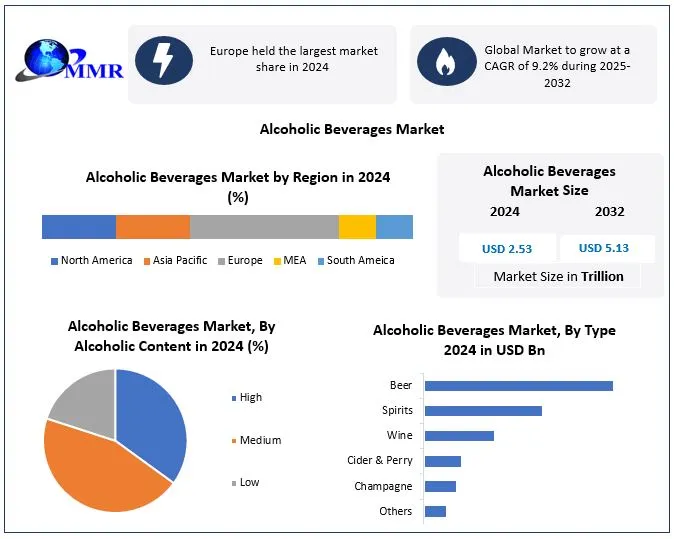 To know about the Research Methodology :- Request Free Sample Report
Alcoholic Beverages Market Dynamics
Changing social and demographic patterns driving the Alcoholic Beverages Market growth
The alcoholic beverages market has experienced significant growth due to shifting social and demographic patterns. The transformation of the alcoholic beverages industry is driven by evolving consumer preferences, shifting lifestyles, and changing cultural norms. Several key factors underpin this growth. It includes the dynamic interplay of consumer choices, an aging population seeking different options, the preferences of younger generations, the global influence of diverse cultures, alterations in regulatory frameworks, the growing impact of e-commerce, increased disposable income, and a heightened focus on responsible drinking and moderation.
These elements collectively shape the ever-changing landscape of the alcoholic beverages sector, with consumers increasingly demanding a range of options, such as diverse flavors, premium products, and beverages that align with healthier lifestyles. As a result, the industry is adapting and innovating to meet these demands, leading to market growth and the emergence of new product categories.
Enhancing alcohol beverage accessibility to boost the Alcoholic Beverages Market's growth Accessibility of alcoholic beverages has increased drastically with alcohol being readily available in government outlets, licensed retail chains, and more recently in supermarkets. Developing economies have been embracing the Western culture with an increase in the standard of living example of the demonstration effect. Aiding this increase in accessibility is the growing variety of alcoholic beverages being available. Social media and increasing cafe and club culture are driving the growth of the Alcoholic Beverages Market. Within the demographics, millennials are at the forefront of driving the demand for alcoholic beverages, especially, premium spirits.
Growing health consciousness and increasing inclination towards lower alcohol content beverages are rising trends in the market. Manufacturers are taking advantage of the same by launching beverages that align with the trend. Hayman’s London Light Gin allows consumers to enjoy gin and tonic at a low alcohol level that clocks in at 12.5% ABV. Dodo might have gone extinct but the Mauritian bird released a new XO expression that is aged for at least 13 years in the aromatic duo of French oak, ex-cognac, and ex-bourbon casks. Over the forecast period, premium alcoholic beverages are expected to act as a catalyst for the growth of the alcoholic beverages market.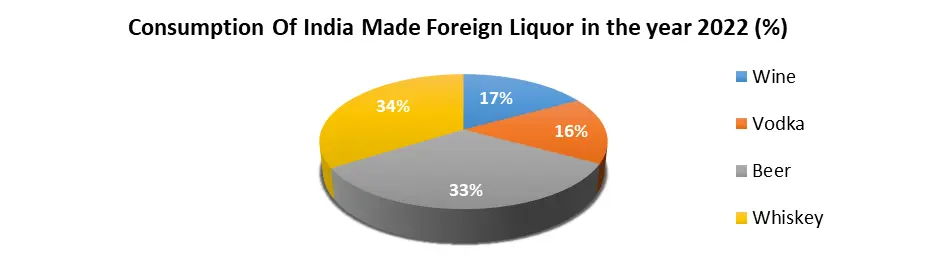 Strict Regulatory laws limit Market growth
Stringent regulatory frameworks governing alcoholic beverage production, distribution, and sales pose a significant obstacle to the Alcoholic Beverages Market’s growth. The World Health Organization (WHO) reports that alcohol abuse leads to the loss of three million lives annually. Government agencies are chiefly responsible for enforcing these alcohol-related rules and regulations. In the United States, the Alcohol and Tobacco Tax and Trade Bureau (TTB) and in India, the Food Safety and Standards Authority of India (FSSAI) hold the authoritative oversight of alcohol utilization and commerce.
While countries such as India allow for indirect or a rather sophisticated way of advertising alcohol products, others like France, Norway, Russia, and Sri Lanka ban the advertisement of the same completely. To add to it, licenses are mandatory to produce, bottle, store, distribute and sell alcoholic beverages. Given the nature of the product, regulations make operations in the market restrictive.
Increasing demand for premium alcoholic beverages creates lucrative growth opportunities for the Market Growth
Increasing demand for premium alcoholic beverages is a recent trend in the Alcoholic Beverages Market. Monetizing this trend, manufacturers have started increasing production in this segment and have been focusing on modifying the product mix to meet the changing demands of consumers. Premium alcoholic beverage manufacturers have been changing their strategies by offering a wider range of premium alcohols and increasing the quality of the beverages. An influx of these premium alcoholic beverages is increasing the price in the overall alcoholic beverage industry.
Premium alcohol presents growth opportunities for manufacturers in the Alcoholic Beverages Market. An example of the same would be Brown Forman, an American company that is taking a stance to strengthen its Alcoholic Beverages Market share in India. It is doing so by strengthening its position in tier 2 cities in the country by enhancing its marketing strategy, introducing more international spirits in the country, and building a strong retail presence. Building on it, the company plans on increasing its focus on premium spirits and creating a strong supply chain using e-commerce platforms.
Alcoholic Beverages Market Segment Analysis
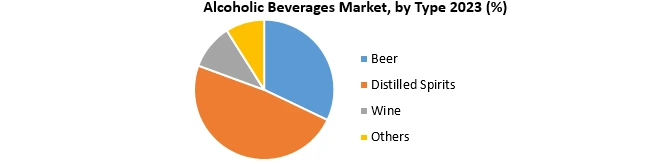
Based on Type, the beer segment dominated the Alcoholic Beverages Market in 2024. Beer enjoys widespread popularity and consumption across various demographics and geographies, making it a universal choice. Its appeal is rooted in its diverse range of styles, flavors, and variations, catering to a broad spectrum of consumer preferences. This growth can be linked to globalization, which has contributed to the convergence of alcohol consumption patterns across countries. While some regions traditionally favored wine or spirits, the beer segment has managed to maintain its significance in nations with a historical preference for beer. Alcoholic Beverages Market1Beer's attractiveness also extends to its nutritional profile. It contains essential minerals like magnesium, potassium, and selenium, as well as B vitamins and antioxidants, which can be appealing to health-conscious consumers.
It is chosen for its potential benefits in staving off heart disease and stroke. It is important to note that beer's applications for health conditions such as diabetes, anxiety, and cancer lack robust scientific support, but these perceived benefits still contribute to its popularity. The beer segment's dominance is a result of its versatility, widespread appeal, and adaptability to changing consumer preferences, making it a cornerstone of the Alcoholic Beverages Market.
Based on Packaging, the alcoholic beverages market is segmented into bottles, cans, and others. The dominating segment was bottles, as they remain the most preferred form of packaging due to their premium appeal, durability, and ability to preserve the quality and flavor of beverages like wine, champagne, and spirits. Bottled packaging is also strongly associated with tradition and consumer trust, especially in premium and luxury categories. Cans have gained popularity in recent years, particularly for beer and ready-to-drink beverages, owing to their convenience, portability, and lower cost.
 Beer's attractiveness also extends to its nutritional profile. It contains essential minerals like magnesium, potassium, and selenium, as well as B vitamins and antioxidants, which can be appealing to health-conscious consumers. It is chosen for its potential benefits in staving off heart disease and stroke. It is important to note that beer's applications for health conditions such as diabetes, anxiety, and cancer lack robust scientific support, but these perceived benefits still contribute to its popularity. The beer segment's dominance is a result of its versatility, widespread appeal, and adaptability to changing consumer preferences, making it a cornerstone of the Alcoholic Beverages Market.
Alcoholic Beverages Market Regional Insight:
European region dominated the alcohol beverage market in the year 2023. The dominance of the European region in the alcoholic beverage market can be attributed to a combination of historical tradition, cultural significance, a diverse range of offerings, and high-quality production standards. Europe has a rich heritage of alcohol production, with countries like France, Italy, Germany, Belgium, and the UK excelling in the production of wine, beer, and spirits.
Alcohol is deeply embedded in European culture, playing a central role in social gatherings, celebrations, and even religious rituals. The region offers a wide variety of alcoholic beverages, from fine wines to premium spirits, catering to a broad spectrum of consumer tastes and preferences. Europe's strong tradition and reputation for producing high-quality alcoholic beverages have made it a global leader in the industry. Additionally, the influx of tourists seeking out local alcoholic products and successful exports further contribute to the region's dominance. While Europe has historically held the top spot, it's important to note that the global market is evolving, with emerging regions including Asia-Pacific also making significant strides in the industry.
Competitive Landscape
The Competitive Landscape of the Alcoholic Beverages Market covers the number of key companies, company size, strengths, weaknesses, barriers, and threats. It also focuses on the power of the company’s competitive rivals, potential, new market entrants, customers, suppliers, and substitute products that drive the profitability of the companies in the Alcoholic Beverages industry. The global Alcoholic Beverages Market includes several market players at the country, regional, and global levels. Some of the Alcoholic Beverages companies are Anheuser-Busch InBev, Diageo, Pernod Ricard, China Resources Snow Breweries, and HeinekenMany companies have conducted research and development activities to fulfill consumer demand and increase their portfolio.
The company focuses on strategic partnerships mergers and acquisitions to expand the global reach and maintain the brand name. For Example, In 2022, Diageo announced its acquisition of Balcones Distilling, renowned as Balcones, a leading American Single Malt Whisky producer based in the United States. Balcones harnesses the extreme Texas heat and temperature variations to craft whiskies distinguished by unique flavors. In the same year, Bacardi introduced Legacy, an Indian-made whiskey, aimed at creating an affordable category for its consumers, bolstering its market presence and expansion strategy in India.
Furthermore, 2022 witnessed Constellation Brands Inc., a prominent player in the beverage alcohol industry, entering into a brand licensing agreement with The Coca-Cola Company in the United States. This partnership will introduce the FRESCA brand into the realm of alcoholic beverages, representing a significant milestone in the industry.
Global Alcoholic Beverages Market Scope: Inquire before buying
| Alcoholic Beverages Market | |||
|---|---|---|---|
| Report Coverage | Details | ||
| Base Year: | 2024 | Forecast Period: | 2025-2032 |
| Historical Data: | 2019 to 2024 | Market Size in 2024: | USD 2.53 Tn. |
| Forecast Period 2025 to 2032 CAGR: | 9.2% | Market Size in 2032: | USD 5.13 Tn. |
| Segments Covered: | by Type | Beer Spirits Wine Cider & Perry Champagne Others |
|
| by Packaging | Bottles Cans Others |
||
| by Alcoholic Content | High Medium Low |
||
| by Flavor | Flavored Unflavored |
||
| by Distribution Channel | Supermarkets/Hypermarkets Restaurants Bar/Clubs Liquor Stores Others |
||
Alcoholic Beverages Market, by Region:
North America (United States, Canada and Mexico)
Europe (UK, France, Germany, Italy, Spain, Sweden, Austria and Rest of Europe)
Asia Pacific (China, South Korea, Japan, India, Australia, Indonesia, Malaysia, Vietnam, Taiwan, Bangladesh, Pakistan and Rest of APAC)
Middle East and Africa (South Africa, GCC, Egypt, Nigeria and Rest of ME&A)
South America (Brazil, Argentina Rest of South America)
Alcoholic Beverages Market Key Players
1. Anheuser-Busch InBev
2. Diageo
3. Pernod Ricard
4. China Resources Snow Breweries
5. Heineken
6. Constellation Brands
7. Molson Coors Beverage Company
8. Kirin Holdings
9. SABMiller (now a part of AB InBev)
10. Asahi Group Holdings
11. Bacardi Limited
12. Brown-Forman
13. Carlsberg Group
14. Beam Suntory
15. Campari Group
16. Rémy Cointreau
17. Thai Beverage
18. William Grant & Sons
19. The Edrington Group
20. Gruppo Campari.
Frequently Asked Questions:
1] What segments are covered in the Global Alcoholic Beverages Market report?
Ans. The segments covered in the Alcoholic Beverages Market report are based on Type, Alcoholic Content, Flavour, Packaging, Distribution Channel, and Regions.
2] Which region is expected to hold the highest share in the Global Alcoholic Beverages Market?
Ans. Europe region is expected to hold the highest share of the Alcoholic Beverages Market.
3] What was the market size of the Global Alcoholic Beverages Market by 2024?
Ans. The market size of the Alcoholic Beverages Market by 2024 is expected to reach USD 2.53 Tn.
4] What is the forecast period for the Global Alcoholic Beverages Market?
Ans. The forecast period for the Alcoholic Beverages Market is 2025-2032.
5] What is the market size of the Global Alcoholic Beverages Market in 2032?
Ans. The market size of the Alcoholic Beverages Market in 2032 is valued at USD 5.13 Tn.