
Bispecific Antibodies Market by Indication, End-User, Drug Type, Distribution Channel and Region – Global Market Size Estimation, Industry-Wide Analysis, Competitive Landscape Assessment & Long-Term Forecast to 2030
Overview
Global Bispecific Antibodies Market size was valued at USD 0.58 billion in 2023 and expected to reach USD 0.95 billion by 2030, at CAGR of 7.39%.
Bispecific Antibodies Market Overview:
Bispecific antibodies are an unusual type of antibody that may attach to two distinct targets simultaneously. Due to their special ability to interact with two separate cells or molecules, they are useful for a variety of therapeutic purposes. The market is growing as a result of the increased incidence of cancer and other diseases, the rising desire for personalized medicine, and the developments in bispecific antibody technology. The constant clinical trial carried out by several pharma companies is also expected to drive the growth of the market. However, the lack of operational revenue prospects for the R&D of targeted therapies by many pharma companies is expected to restrain the market growth of bispecific antibodies in the timeline period.
These medications generally work by rerouting immune effector cells in order to efficiently destroy cancer cells through a variety of methods, including antibody-dependent cell mediated cytotoxicity (ADCC), antibody-dependent cellular phagocytosis (ADCP), and complement dependent cytotoxicity (CDC).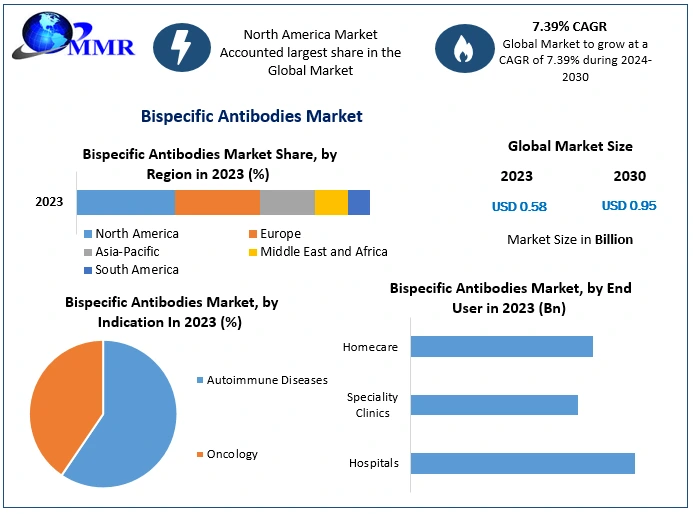 To know about the Research Methodology :- Request Free Sample Report
Bispecific Antibodies Market Scope and Research Methodology
The report highlights the competitive market view, segment analysis based on the Indication, End-User, Drug Type, distribution channel and geographical area. First, the market overview describes the market trends, key market drivers, market restraints, opportunities, and challenges for the bispecific antibodies industry.
The Market is segmented by the Indication such as Autoimmune Diseases and Oncology. By End-User such as Hospitals, Speciality Clinics and Homecare. By Drug type, such as Blinatumomab, Catumaxomab, and Duligotumab. It is also segmented by distribution channel including Hospital Pharmacy, Retail Pharmacy and Online Pharmacy. The market size and trends for the Bispecific Antibodies market were analysed by using both primary and secondary data. Top down approach is used to estimate market size of the Bispecific Antibodies Market.
Market projections were based on historical data, present sector developments, and future market opportunities and challenges. The SWOT analysis of the major market players, which included their strengths, weaknesses, opportunities, and threats, was also included in the research to provide a thorough knowledge of the market dynamics. By employing the PESTLE analysis, the operating environment of an organization can be assessed. Porter's analysis were used to identify crucial factors that directly affect market profitability.
Bispecific Antibodies Market Dynamics
Key Drivers For Growth Of Bispecific Antibodies Market
Growing Incidence of Cancer and Other Diseases:
Cancer is on the rise in both developed and developing countries. Increasing cases of cancer and other diseases is driving the demand for innovative therapy alternatives. Bispecific antibodies provide a possible route for specialized treatments. A significant factor that will increase the market’s growth rate is the increase in cancer cases. Cancer segment is anticipated to generate up to 48% market share of the market by 2030.
Research and Diagnostics Advances:
The demand for bispecific antibodies to study certain proteins and biomolecules has increased because of the development of biomedical research, especially in domains like genomics, proteomics, and cell biology. Antibodies play a crucial role in understanding cellular processes, disease mechanisms, and identifying potential therapeutic targets.
Development of Personalized Medicine
The shift toward personalized medicine, where therapies are customized to unique patient features, has increased demand for antibodies that can target specific biomarkers associated with diseases. These antibodies facilitate more precise diagnoses and customized therapy. These antibodies facilitate more precise diagnoses and customized therapy.
Market Trends
Technology Advancements:
The technology for bispecific antibodies has significantly improved as a result of on going research and development activities. Bispecific antibodies are becoming a more popular alternative for therapeutic treatments because these advancements improve their effectiveness and safety profile. Bispecific antibodies are created using modern protein engineering techniques that allow researchers to build molecules that can attach to two unique targets. Early bispecific antibodies were focused on attaching two different antigens, but recent advances have made it possible to make multi-specific or even multi-target antibodies that bind to multiple molecules at once. These new formats give us more control over complex disease pathways, which can lead to better treatments for diseases like cancer, autoimmune issues, and infections. The use of technologies like BiTEs, ADCs, and immune checkpoint inhibitors in bispecific designs opens up new ways for combination therapies and synergy treatments.
Increasing number of bispecific antibodies in clinical trials
The growth of bispecific antibodies in clinical trials is attracting significant investment from pharmaceutical companies and venture capitalists alike. Promising results from initial clinical trials are fuelling partnerships, collaborations and licensing agreements, further supporting the growth of the global bispecific antibody market. In the last decade, there has been a significant increase in clinical trials dedicated to the development of powerful and high-tech bispecifics. These drugs have made them a very popular and promising candidate for improving the treatment of a number of rare diseases, particularly a number of cancers. Currently, there are over 300 drug candidates on the global market for bispecific antibodies. Most of them are either in their preclinical or clinical phase.
Market Restraints
High Development Cost
The cost of research, development, and production for customized antibody creation is high, particularly for monoclonal antibodies. Due to these costs, it may be difficult for smaller biotech companies and academic researchers to enter the market.
Safety and immunogenicity issues
As with all therapeutic agents, bispecific antibodies must demonstrate a favourable safety profile. Concerns about potential toxicity and immunogenicity may affect the development and acceptance of bispecific antibodies and hinder market growth.
Market Competition:
As more businesses enter the industry, the market for bispecific antibodies is getting more and more competitive. Price pressure and smaller profit margins may result from this rivalry. F. Hoffmann-La Rocha Ltd., GenScript Inc., Sino Biological LLC, Creative-Biologics Inc., AbbVie, Inc., Bristol-Myer Squibb Co. Inc., Amgen, Inc., and Novartis AG, as well as Johnson & Johnson are major competitors.
Market Opportunities
Untapped therapeutic areas
Bispecific antibodies have the potential to address therapeutic areas that traditional monoclonal antibodies cannot effectively target. By addressing multiple targets simultaneously, bispecific antibodies can overcome limitations and provide new therapeutic opportunities.
Cancer Immunotherapy
The domain of cancer immunotherapy is still expanding, providing prospects for antibodies that target immunological checkpoints, tumour antigens, and other elements of the tumour microenvironment. Bispecific antibodies designed to enhance immune responses against cancer cells also hold promise.
Increased Market Share
Bispecific antibodies are expected to gain significant share of the market due to their unique mechanism of action. These antibodies have the potential to treat a variety of illnesses as the development and commercialization processes move forward, thus increasing their market presence.
Market Challenges
Regulatory Obstacles
It can be difficult and time-consuming to navigate regulatory pathways for specified antibodies. It is necessary to demonstrate safety, efficacy, and quality requirements as part of the regulatory licensing procedure, particularly for therapeutic antibodies. This might cause delays and additional expenses.
Drug development is expensive
Monoclonal antibodies are more complex and costly to make, usually costing between $5000 to $14000 on average. The early stages of drug development involve extensive research and discovery, including target identification, compound screening and preclinical testing. These activities require a significant investment in scientific expertise, laboratory space and equipment. Research costs constitute a significant part of the total costs of drug development.
Bispecific Antibodies Market Segment Analysis
Based on Indication, Bispecific antibodies market is segmented by Indication such as Autoimmune Diseases and Oncology. The oncology category is anticipated to earn the biggest proportion of these two sectors amounting to 60% by end of 2030. The increase in the number of cancer-related trials may be responsible for the segment's expansion.
By end-user, bispecific antibodies market is segmented as Hospitals, Speciality Clinics and Homecare. Among these segments, the hospital segment is expected to have a major share of approximately 49% during the forecast period. These hospitals have the financial resources to treat several patients at the same time. Today, many hospitals offer special cancer care facilities designed to treat patients suffering from this dreaded disease.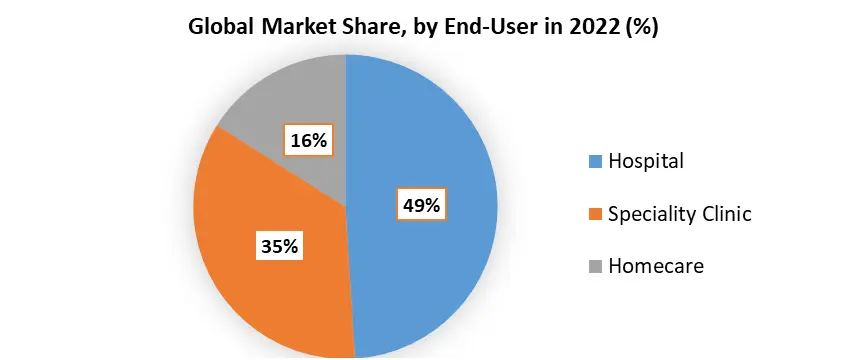
On the basis of drug type, bispecific antibodies market is further divided into Blinatumomab, Catumaxomab, and Duligotumab. The market for bispecific antibodies is most profitable for the medication class blinatumomab. Blinatumomab is used to treat an acute lymphoblastic leukemia type in both adults and children that has not responded to treatment or has come back.
On the basis of distribution channel, bispecific antibody market is further divided into Hospital Pharmacy, Retail Pharmacy and Online Pharmacy. Hospital Pharmacy segment is anticipated to be largest during period 2024-2030.
Bispecific Antibodies Market Regional Insight
The global bispecific antibodies market segmented into North America, Europe, Asia-Pacific, Middle East and Africa and South America.
The global market for bispecific antibodies is dominated by the North American region. The US is the biggest market in North America for these antibodies, making up a huge chunk of the overall market. Canada also has a big market for these antibodies, and is focusing more and more on creating new platforms and technologies for them. North America’s biotech landscape is dominated by the US, which is home to some of the world’s leading biotech companies and research institutes.
After North America, Europe has the second greatest market share for bispecific antibody production. Europe has a strong healthcare system and a supportive regulatory framework, which have aided its expansion.
In Asia-Pacific, the market would be driven by untapped opportunities due to the massive growth of the healthcare system (healthcare facilities, healthcare costs, and healthcare expenditure). Similarly, Asia Pacific is seen as an emerging market due to the increasing adoption of bispecific antibody therapeutics. 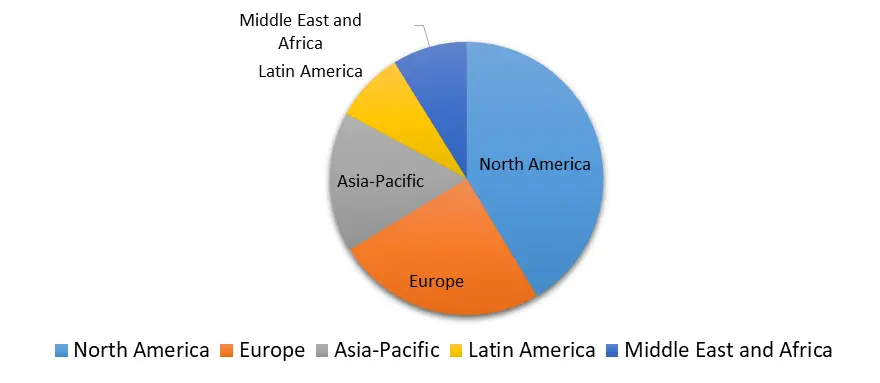
Bispecific Antibodies Market Competitive Landscape
The leading companies in the market of bispecific antibodies are F. Hoffmann-La Rocha Ltd., GenScript Inc., Sino Biological LLC, Creative-Biologics Inc., AbbVie, Inc., and Kymab KGaA, Inc., as well as Bristol-Myers Squibb Co., Inc., Bristol-Myer Squibb Co. Inc., Biotogenics Ltd., Biocytec Enzymes, Inc., Amgen, Inc., Pfizer, Inc., and Novartis AG, as well as Johnson & Johnson, and Protogenix Inc. These companies are investing heavily in research and development to develop a variety of different bispecific antibodies, with the aim of improving the treatment of cancer patients and increasing the adoption of these antibodies in the near future.
Adimab LLC announced on January 11th, 2023 that it has entered the clinical development phase of bispecific antibody development in 7 new partner programs with partners Biotheus Dragonfly Innovent Surface Oncology. Johnson and Johnson Services, Inc announced talketamab, a bispecific antibody that binds to T cells that can trigger the human body's fight against blood cancers on December 10,2022.
Bispecific Antibodies Market Scope: Inquiry Before Buying
| Bispecific Antibodies Market | |||
|---|---|---|---|
| Report Coverage | Details | ||
| Base Year: | 2023 | Forecast Period: | 2024-2030 |
| Historical Data: | 2018 to 2023 | Market Size in 2023: | US $ 0.58 Bn. |
| Forecast Period 2024 to 2030 CAGR: | 7.39% | Market Size in 2030: | US $ 0.95 Bn. |
| Segments Covered: | by Indication | Autoimmune Diseases Oncology |
|
| by End-User | Hospitals Speciality Clinics Homecare |
||
| by Drug Type | Blinatumomab Catumaxomab Duligotumab |
||
| by Distribution Channel | Hospital Pharmacy Retail Pharmacy Online Pharmacy. |
||
Bispecific Antibodies Market, by Region
North America (United States, Canada and Mexico)
Europe (UK, France, Germany, Italy, Spain, Sweden, Austria and Rest of Europe)
Asia Pacific (China, South Korea, Japan, India, Australia, Indonesia, Malaysia, Vietnam, Taiwan, Bangladesh, Pakistan and Rest of APAC)
Middle East and Africa (South Africa, GCC, Egypt, Nigeria and Rest of ME&A)
South America (Brazil, Argentina Rest of South America)
Bispecific Antibodies Key Players
Bispecific Antibodies market is characterized by a diverse range of companies and organizations dedicated to tackling complex diseases through innovative therapies. These key players are actively engaged in developing advanced bispecific antibody treatments, investing heavily in research and development to enhance drug efficacy, explore novel therapeutic strategies, and integrate cutting-edge technologies in biotechnology.
1. F. Hoffmann-La Rocha Ltd.,
2. GenScript Inc.,
3. Sino Biological LLC,
4. Creative-Biologics Inc.,
5. Bristol-Myer Squibb Co. Inc.,
6. Biotogenics Ltd.,
7. Biocytec Enzymes, Inc.,
8. Amgen, Inc., Pfizer, Inc.,
9. Novartis AG
10. Johnson & Johnson
11. Protogenix Inc.
12. GSK plc.
13. Sanofi
14. Regeneron Pharmaceuticals Inc.
15. Pfizer Inc.
16. Johnson & Johnson Services Inc.
17. Novartis AG
18. CELGENE CORPORATION[VG1]
19. Amgen
20. Roche
21. Genentech
22. Akeso, Inc.
23. Janssen
24. Taisho Pharmaceutical
Frequently Asked Questions:
1] What segments are covered in the Global Bispecific Antibodies Market report?
Ans. The segments covered in the Bispecific Antibodies Market report are based on Indication, End-User, Drug Type, Distribution Channel and Region.
2] Which region dominated the Global Bispecific Antibodies Market in 2023?
Ans. The North America region dominated the global Bispecific Antibodies Market in 2023.
3] What is the market size of the Global Bispecific Antibodies Market by 2030?
Ans. The market size of the Bispecific Antibodies Market by 2030 is expected to reach USD 0.95 Billion.
4] What is the forecast period for the Global Bispecific Antibodies Market?
Ans. The forecast period for the Bispecific Antibodies Market is 2024-2030.
5] What was the market size of the Global Bispecific Antibodies Market in 2023?
Ans. The market size of the Bispecific Antibodies Market in 2023 was valued at USD 0.58 Billion.