
Apparel Resale Market Size by Product Type, Sector, Target Population, Sales Channel, Region – Segment-Level Market Assessment, Growth Opportunity Analysis, Competitive Mapping & Forecast to 2032
Overview
The Apparel Resale Market size was valued at USD 95.82 Billion in 2024 and the total Apparel Resale revenue is expected to grow at a CAGR of 15.12% from 2025 to 2032, reaching nearly USD 295.58 Billion.
Apparel resale is the buying and selling of previously owned clothing and fashion items. It encompasses various channels, including online platforms, thrift stores, consignment shops, and luxury resale boutiques, where individuals or businesses sell gently used clothing, shoes, accessories, and other fashion items to the second-hand market. This apparel resale market operates on the principle of extending the lifespan of garments, promoting sustainability, reducing fashion waste, and offering consumers more affordable yet quality options. The Apparel Resale Market has witnessed substantial growth and transformation in recent years, attributed to shifting consumer mindsets towards sustainability, affordability, and unique fashion choices.
The apparel resale market encompasses a wide spectrum, from mass-market brands to high-end luxury fashion labels, accommodating a diverse consumer base. Online platforms have significantly shaped the market's landscape, offering convenience and accessibility to buyers and sellers globally. This apparel resale market resilience during economic fluctuations, coupled with increased environmental consciousness among consumers, has fortified its position as a thriving sector within the broader fashion industry.
The Apparel Resale Market portrays robust growth, with market size estimates reaching billions and expected double-digit growth rates. Factors driving this apparel resale market include increased consumer demand for sustainable fashion, the rising trend of value-conscious shopping, and digitalization facilitating ease of access and transactions. Key growth drivers include a surge in the number of resale platforms, partnerships between brands and resellers, and an expanded market scope encompassing various apparel segments, from everyday wear to luxury fashion. Recent developments involve strategic collaborations between established fashion houses and resale platforms, such as partnerships between luxury brands and online apparel resale market places, accelerating the integration of pre-owned luxury fashion into the mainstream Apparel Resale market.
Trends indicate a shift towards online resale platforms, increasing consumer acceptance of second-hand fashion, and a growing emphasis on sustainability initiatives by key industry players, presenting ample opportunities for apparel resale market growth and innovation in the years to come. The Apparel Resale Market stands at the intersection of fashion, sustainability, and commerce, evolving to meet the dynamic demands and values of modern consumers, presenting a lucrative avenue for both businesses and buyers in the fashion ecosystem. To know about the Research Methodology :- Request Free Sample Report
Market Dynamics:
Influencer Endorsements Normalizing Secondhand Fashion:
Growing environmental consciousness propels the apparel resale market. Consumers favor sustainable fashion, reducing waste. Economic factors drive the apparel resale market as consumers seek affordable yet quality clothing. The MMR State of Fashion reports negative growth in the apparel market but predicts 5-10% growth in secondhand luxury sales. Online platforms enhance apparel resale market accessibility. Companies like thredUP provide easy-to-use interfaces, attracting tech-savvy buyers. This trend contributes to the projected growth in the global secondhand apparel market by 2030.
A shift in consumer preferences towards unique and diverse fashion drives the apparel resale market. With an estimated global apparel resale market value of $83.24 billion in, the demand for distinct, one-of-a-kind pieces continues to grow. Influential figures endorsing secondhand clothing normalize and popularize the trend. Celebrities promoting vintage or pre-owned fashion items on social media platforms significantly impact consumer perceptions and buying behavior.
The rise of counterfeit goods necessitates authentication services. Companies offering verification services, like The RealReal, assure buyers of authenticity, bolstering trust in the apparel resale market and driving growth. Strategic alliances between resale platforms and established brands or retailers expand market reach. For example, partnerships between luxury brands and resale platforms like Vestiaire Collective signify mutual growth opportunities.
Increased awareness and support for circular economy principles encourage the apparel resale market. Initiatives promoting recycling, upcycling, and the longevity of clothing contribute to the sector's expansion. Resale platforms offering tailored recommendations and convenient purchasing options attract consumers seeking personalized shopping experiences. This convenience factor and personalized suggestions drive repeat purchases and apparel resale market growth. The pandemic accelerated digital adoption and financial constraints, steering consumers towards secondhand clothing. MMR forecasts suggest increased secondhand apparel resale market growth due to changing consumer behaviors influenced by the pandemic.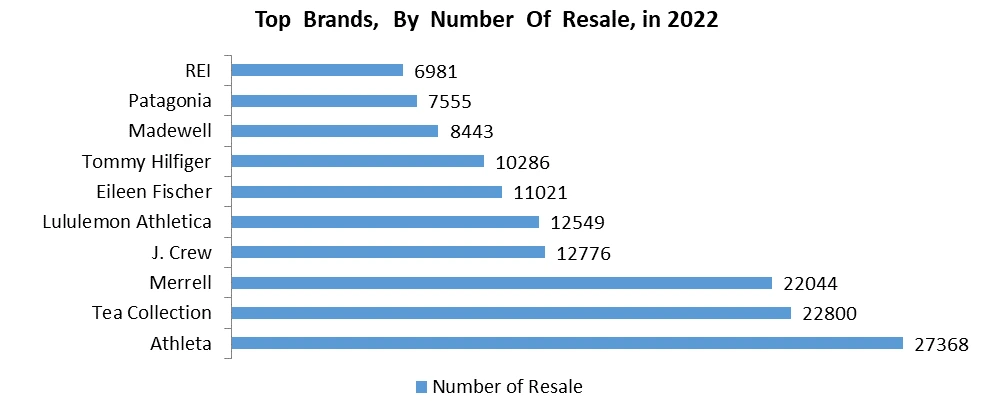 The Rise of the Resale Business in the Retail World Drives Apparel Resale Market:
Resale is one of the fastest-growing trends in the retail economy. Resale in the clothing sector is expected to grow 16 times faster than non-resale over the next four years. More consumers are willing to buy secondhand clothes which have spurred the growth of hundreds of small businesses specializing in the Apparel Resale Market. Online apparel resale is the fastest-growing source of secondhand sales, and 70% of consumers think that it is easier to shop secondhand now than it was five years ago. The advent of online platforms and marketplaces dedicated to buying and selling pre-owned items has made it easier for individuals to participate in the Apparel Resale Market.
Platforms like Poshmark, ThredUp, Depop, and Grailed have gained immense popularity, providing users with a convenient and accessible way to sell gently used clothing and accessories. Thrifting has had an unprecedented boom in the past few years and is the largest online apparel resale store in the world. It is predicted that second-hand shopping is expected to grow in the year 2030. The Apparel Resale websites have been employing various techniques to authenticate the products, such as collaboration among resale platforms and luxury brands, etc., which are likely to boost the Apparel Resale Market demand in coming years.
Rising environmental consciousness among the worldwide population drives the Apparel Resale Market:
The desire to reduce textile waste is one of the key drivers of the Apparel Resale Market. The fashion industry is known for its high levels of production and consumption, which contribute to significant amounts of textile waste and pollution all over the world. By participating in the Market, consumers can extend the lifespan of clothing items, preventing them from ending up in landfills and reducing the need for new production. 61% of Gen Z and Millennials consider themselves eco-conscious and sustainability-focused. They are genuinely concerned about the environment, and the recent pandemic seems to have focused on the Apparel Resale Market. Retailers have also recognized the potential of the market and have started incorporating it into their business models. Some traditional retailers have launched their resale platforms or partnered with existing market places allowing them to tap into this growing trend and capture new revenue streams.
By embracing the resale business, retailers attract environmentally conscious consumers, build customer loyalty, and differentiate themselves from other competitors. Fashion companies are looking to reduce their greenhouse gas emissions by supporting the continued use of their existing products through resale. Furthermore, the apparel resale market offers consumers the opportunity to find unique and vintage pieces through their clothing choices. This has led to an increased growth of the Apparel Resale Market during the forecast period.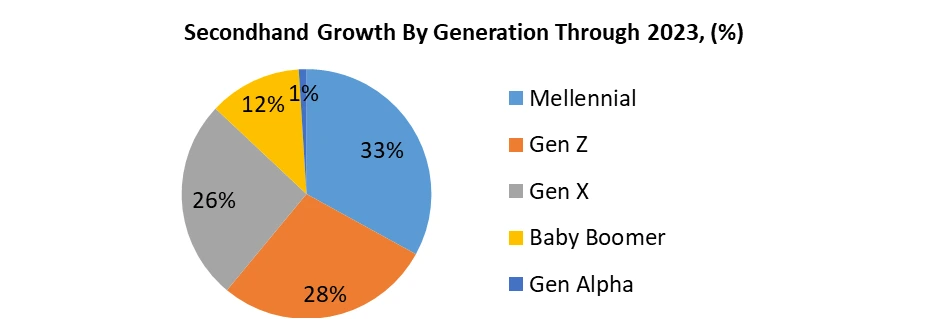 Online shopping platforms have played a crucial role in boosting the Apparel Resale Market.
The growth of e-commerce and the rise of online platforms dedicated to buying and selling secondhand items have made it easier and more convenient for individuals to participate in the Market. Buyers can browse through a vast inventory of pre-owned clothing items from the comfort of their homes, making it more convenient than visiting physical stores. The launch of digital platforms such as The RealReal, Vestiaire Collective, Depop, Vinted, StockX, and Fashionphile has powered the second-hand gold rush by enabling customers to buy and sell unwanted items and benefit from a more viable way of updating their wardrobes. Thus, online shopping platforms have significantly boosted the apparel resale market by expanding its reach, providing convenience, building trust, and facilitating the discovery of unique pieces.
Consumer Perceptions and Size Challenges and Barriers to the Apparel Resale Market:
There is still a lingering stigma associated with buying and wearing secondhand clothing for some consumers. The perception that pre-owned items are less desirable or of lower quality than new ones can deter some potential buyers from participating in the Apparel Resale Market. When shopping for clothing online, particularly on the market, finding the right size is challenging. Thus, the market is expected to be hampered by the above-mentioned reasons during the forecast period.
Apparel Resale Market Segment Analysis:
Based on Product Type, The Apparel Resale Market exhibits varying dominance among different product segments, showcasing distinct adoption rates and applications. Dresses and tops, including a wide array of clothing items, notably contribute significantly to the resale market's dominance. This segment's dominance is propelled by the versatility and timeless appeal of dresses and tops, which resonate well with consumers seeking diverse styles. Shirts & T-shirts follow suit, depicting a substantial share in the apparel resale market due to their everyday wearability, making them sought-after items for resale. Sweaters, Coats, and jackets maintain a strong foothold, especially during seasonal shifts, exhibiting steady adoption rates due to their functional and fashion-oriented appeal, which translates well into the resale space.
Jeans and pants, although popular, hold a slightly lesser dominance compared to the former segments due to the challenge of finding the right fit and style preferences among consumers when purchasing pre-owned denim products. While certain niche items within this category might witness sporadic dominance based on trends, the lack of uniformity limits its overall market dominance. Looking ahead, Dresses & Tops are expected to sustain their dominance, propelled by their timeless appeal and versatile application in both formal and casual settings. Shirts & T-shirts are also expected to maintain their strong position due to their everyday utility and diverse consumer appeal.
Sweaters, Coats, and jackets will continue to remain significant, largely influenced by seasonal demand fluctuations. Jeans and pants are anticipated to grow steadily with evolving consumer preferences. However, clear market dominance among these segments is likely to persist, shaping the landscape of the Market.
Resale Market Regional Insights:
The Apparel Resale Market in the North American region is expected to grow during the forecast period because of the Increasing Demand for Sustainable Fashion. Online resale platforms, such as Poshmark, ThredUp, and Depop have gained immense popularity in the North America region and they provide a convenient way for individuals to buy and sell pre-owned clothing items. Ease of use, wide selection, and secure transactions have contributed to the growth of the Market.
Furthermore, North America is home to a vibrant influencer culture and a strong presence on social media platforms. Many influencers and celebrities promote sustainable fashion and endorse the Apparel Resale Market to their followers. Their influence has played a crucial role in increasing awareness and acceptance of the market. ThredUp is one of the largest online resale platforms in North America. It offers a wide selection of pre-owned clothing for women, men, and children, ranging from popular brands to luxury labels. ThredUp also provides a convenient selling process for individuals looking to declutter their closets.
Asia Pacific represents one of the largest and fastest-growing markets for apparel resale globally. According to a report from MMR, the Apparel Resale Market is growing in popularity among APAC consumers, with 27% of shoppers intending to purchase clothing via resale in the next 12 months. Consumers in APAC are becoming increasingly aware of the environmental impacts of the apparel industry, yet native brands have been slower to implement sustainable initiatives than international players.
Sustainability has become a global concern in the Asia Pacific region and consumers are becoming more conscious of the environmental impact of the fashion industry and are seeking ways to reduce waste. Apparel resale provides a sustainable option by extending the lifecycle of clothing and reducing the need for new production. Furthermore, the growth of e-commerce and online marketplaces has been a driving force for the Apparel Resale Market in the Asia Pacific region during the forecast period.
Competitive Landscape
The Apparel Resale Market is witnessing significant growth due to evolving consumer preferences, sustainability trends, and the rising popularity of second-hand clothing. Major players such as ThredUP, Poshmark, and The RealReal dominate this apparel resale market by providing diverse resale options and catering to shifting consumer behaviors. As a leading online resale platform, ThredUP 1 has been pivotal in shaping consumer and retailer trends. Their recent Resale Report highlighted consumer inclinations towards sustainability and value, driving the secondhand market. Poshmark is another influential player in the market, focusing on a social selling model. Its community-driven approach encourages engagement and builds customer loyalty, fostering an active user base. Known for luxury consignment, The RealReal has capitalized on the growing demand for high-end second-hand clothing. Its authentication process ensures quality and authenticity, attracting premium buyers.
The growing consciousness of sustainability and affordability fuels the demand for second-hand clothing. Consumers seek value for money without compromising on quality. Online platforms offer convenience and accessibility, facilitating robust market growth. The ease of purchasing second-hand apparel via digital platforms contributes significantly to market growth. Players in this market continuously innovate, introducing diverse product lines, promotions, and technology enhancements to cater to evolving consumer preferences. Strategies involving customization, unique selling propositions, and improved customer experience contribute to apparel resale market growth. 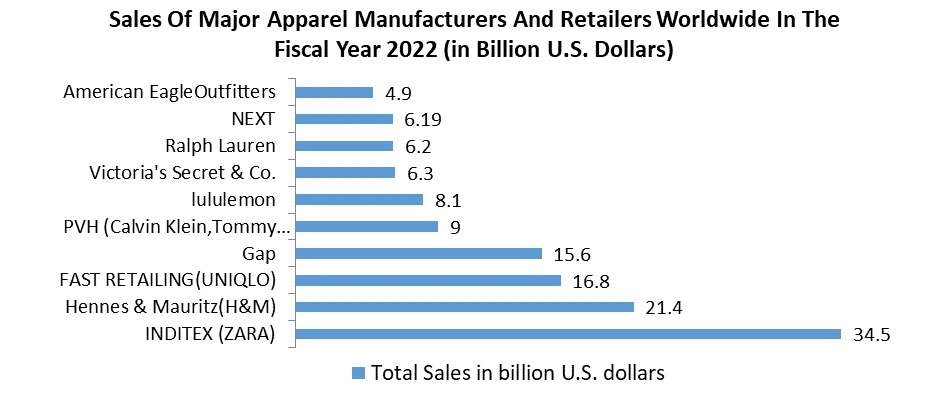 Changing attitudes towards second-hand clothing as a sustainable, cost-effective, and trendy choice have bolstered market growth. Brands promoting eco-friendly practices and ethical consumption resonate well with modern consumers. The Market's rapid expansion is driven by consumer shifts towards sustainability, technological advancements, and a growing acceptance of pre-owned clothing. As key players adapt and innovate, this apparel resale market continues to witness robust growth, offering both economic and environmental benefits to consumers globally.
Apparel Resale Market Scope: Inquire before buying
| Global Apparel Resale Market | |||
|---|---|---|---|
| Report Coverage | Details | ||
| Base Year: | 2024 | Forecast Period: | 2025-2032 |
| Historical Data: | 2019 to 2024 | Market Size in 2024: | USD 95.82 Bn. |
| Forecast Period 2025 to 2032 CAGR: | 15.12% | Market Size in 2032: | USD 295.58 Bn. |
| Segments Covered: | by Product Type | Dresses & Tops Shirts & T-shirts Sweaters, Coats & Jackets Jeans & Pants Others |
|
| by Sector | Resale Traditional Thrift Stores & Donations |
||
| by Target Population | Men Women Kids |
||
| by Sales Channel | Wholesalers/Distributors Hypermarkets/Supermarkets Multi-brand Stores Independent Small Stores Departmental Stores Online Retailers Other Sales Channel |
||
Apparel Resale Market, by Region
North America (United States, Canada and Mexico)
Europe (UK, France, Germany, Italy, Spain, Sweden, Austria and Rest of Europe)
Asia Pacific (China, South Korea, Japan, India, Australia, Indonesia, Malaysia, Vietnam, Taiwan, Bangladesh, Pakistan and Rest of APAC)
Middle East and Africa (South Africa, GCC, Egypt, Nigeria and Rest of ME&A)
South America (Brazil, Argentina Rest of South America)
Apparel Resale Market Key Players
1. Thredup Inc.
2. The RealReal
3. Poshmark
4. Vinted
5. Micolet
6. Percentil.ma
7. Thrift+
8. Chikatex
9. HunTex Recycling Kft
10. EBay Inc.
11. British Used Clothing Company
12. A&E Used Clothing Wholesale
13. Mobacotex
14. Tradesy
15. StockX
FAQs:
1. What are the growth drivers for the Apparel Resale Market?
Ans. Influencer Endorsements Normalizing Secondhand Fashion and is expected to be the major driver for the Market.
2. What is the major opportunity for the Apparel Resale Market growth?
Ans. The Rise of the Resale Business in the Retail World Drives Market is expected to be a major Opportunity In the Market.
3. Which country is expected to lead the global Market during the forecast period?
Ans. North America is expected to lead the Market during the forecast period.
4. What was the Global Apparel Resale Market size in 2024?
Ans: The Global Apparel Resale Market size was USD 95.82 Billion in 2024.
5. What segments are covered in the Market report?
Ans. The segments covered in the Market report are by Product Type, Sector, Target Population, Sales Channel, and Region.